
Tabla de contenidos
Si alguna vez has intentado explicarle a un amigo extranjero qué son las Fallas, por qué nos comemos doce uvas a medianoche o qué hace media Sevilla bailando en una caseta, ya sabes lo que pasa: empiezas con mucha ilusión y a la segunda frase te quedas sin palabras. Y es una pena, porque hablar de fiestas y tradiciones en inglés es de lo más útil que hay: sale en cualquier conversación, en los viajes y, sobre todo, en los exámenes de Cambridge, donde «cuéntame una celebración que recuerdes» es un clásico del Speaking y del Writing.
Además, este tema tiene varias trampas para los hispanohablantes: en inglés no se «celebra una fiesta», no se «asiste» a una boda y un día «festivo» no es a festive. No te preocupes, que en este post te lo dejo todo claro.
Vas a encontrar el vocabulario básico de las celebraciones con su pronunciación, las palabras para hablar de cumpleaños, bodas, Navidad y Nochevieja y otras fiestas nacionales, cómo explicar en inglés fiestas españolas como la Semana Santa, la Feria o las Fallas, los verbos que más se usan (celebrate, hold, take place, dress up…), las collocations, idioms y phrasal verbs más útiles, los errores típicos, cómo describir una celebración que recuerdas, cómo sale todo esto en los exámenes y, al final, ejercicios con solucionario.
¡Vamos allá! 🙂
Vocabulario básico de fiestas y celebraciones en inglés
Empecemos por las palabras generales. Fíjate bien en las tres primeras, porque son las que más se confunden:
- Celebration es la palabra general para «celebración»: a family celebration, the celebrations for the town’s anniversary.
- Festival es una fiesta grande, normalmente popular o religiosa, que se repite cada año: Las Fallas is a famous festival in Valencia. También se usa para los festivales de música o de cine.
- Party es una fiesta privada con amigos o familia: a birthday party, a leaving party (fiesta de despedida).
Y ojo con holiday: en inglés británico significa «vacaciones» (We’re on holiday), pero también «día festivo». Para dejar claro que es un festivo oficial, los británicos dicen bank holiday y, en general, se dice public holiday (Monday is a bank holiday, so the shops will be closed.).
| 🇬🇧 Inglés | Pronunciación | 🇪🇸 Español |
|---|---|---|
| celebration | /ˌselɪˈbreɪʃn/ | celebración |
| festival | /ˈfestɪvl/ | fiesta popular, festival |
| party | /ˈpɑːti/ | fiesta (privada) |
| bank holiday / public holiday | /ˌbæŋk ˈhɒlədeɪ/, /ˌpʌblɪk ˈhɒlədeɪ/ | día festivo |
| tradition | /trəˈdɪʃn/ | tradición |
| custom | /ˈkʌstəm/ | costumbre |
| anniversary | /ˌænɪˈvɜːsəri/ | aniversario |
| guest | /ɡest/ | invitado |
| host | /həʊst/ | anfitrión |
| invitation | /ˌɪnvɪˈteɪʃn/ | invitación |
| decorations | /ˌdekəˈreɪʃnz/ | adornos, decoración |
| present / gift | /ˈpreznt/, /ɡɪft/ | regalo |
| fireworks | /ˈfaɪəwɜːks/ | fuegos artificiales |
| parade | /pəˈreɪd/ | desfile, cabalgata |
| procession | /prəˈseʃn/ | procesión |
| costume | /ˈkɒstjuːm/ | disfraz; traje típico |
| fancy dress (UK) | /ˌfænsi ˈdres/ | disfraces (a fancy-dress party: una fiesta de disfraces) |
| fair / fairground | /feə/, /ˈfeəɡraʊnd/ | feria / recinto ferial |
Un detalle de pronunciación: en costume el acento va en la primera sílaba, /ˈkɒstjuːm/, y no tiene nada que ver con custom (costumbre), aunque se parezcan mucho. 😉
Cumpleaños y fiestas en inglés
El cumpleaños es la celebración más universal, así que conviene tener este vocabulario bien a mano:
| 🇬🇧 Inglés | Pronunciación | 🇪🇸 Español |
|---|---|---|
| birthday cake | /ˈbɜːθdeɪ keɪk/ | tarta de cumpleaños |
| candles | /ˈkændlz/ | velas |
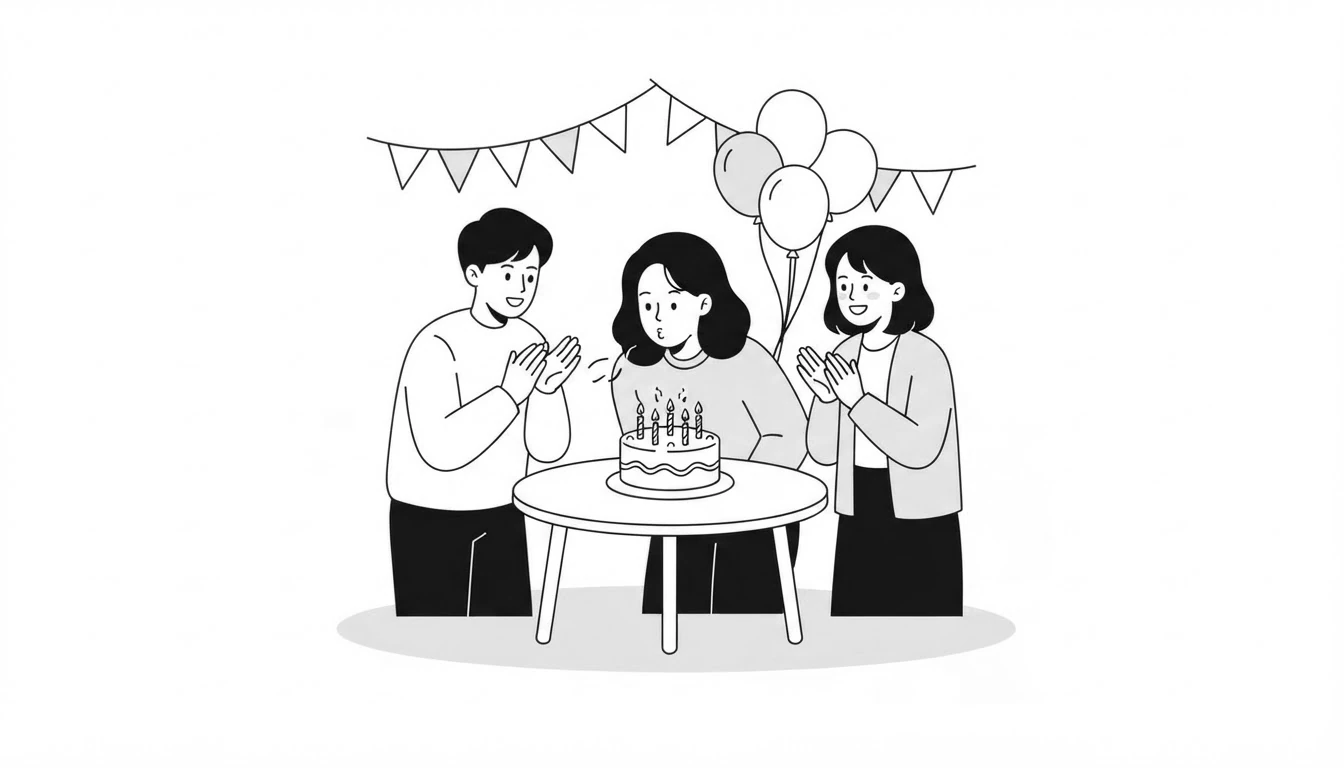
| blow out the candles | /ˌbləʊ ˈaʊt ðə ˈkændlz/ | soplar las velas |
| make a wish | /ˌmeɪk ə ˈwɪʃ/ | pedir un deseo |
| birthday card | /ˈbɜːθdeɪ kɑːd/ | tarjeta de felicitación |
| surprise party | /səˈpraɪz ˌpɑːti/ | fiesta sorpresa |
| balloons | /bəˈluːnz/ | globos |
| wrapping paper | /ˈræpɪŋ ˌpeɪpə/ | papel de regalo |
| the birthday girl / boy | /ˈbɜːθdeɪ ɡɜːl/, /bɔɪ/ | la cumpleañera / el cumpleañero |
| to turn 18, 30… | /tɜːn/ | cumplir 18, 30… años |
Para felicitar a alguien se dice Happy birthday! y, si es una ocasión especial (una boda, un título, un ascenso), Congratulations!. Y fíjate en la preposición: Congratulations on your new job!, nunca for ❌.
Para decir la edad que cumple alguien, lo natural es She’s turning 18 next week o He turned 40 yesterday. Y para la fecha, recuerda que se usa on: My birthday is on 14 May. Si dudas con las fechas, tienes todo explicado en mi post sobre los días de la semana, los meses y las estaciones en inglés.
Bodas en inglés
Las bodas son otro tema que sale muchísimo, sobre todo cuando toca contar una celebración familiar. Este es el vocabulario esencial:
| 🇬🇧 Inglés | Pronunciación | 🇪🇸 Español |
|---|---|---|
| wedding | /ˈwedɪŋ/ | boda |
| bride | /braɪd/ | novia (el día de la boda) |
| groom (bridegroom) | /ɡruːm/ | novio (el día de la boda) |
| bridesmaid | /ˈbraɪdzmeɪd/ | dama de honor |
| best man | /ˌbest ˈmæn/ | padrino (amigo del novio) |
| engagement | /ɪnˈɡeɪdʒmənt/ | compromiso, pedida |
| to get engaged | /ɪnˈɡeɪdʒd/ | prometerse |
| to get married | /ˈmærid/ | casarse |
| wedding ring | /ˈwedɪŋ rɪŋ/ | alianza |
| reception | /rɪˈsepʃn/ | banquete, convite |
| toast | /təʊst/ | brindis |
| speech | /spiːtʃ/ | discurso |
| honeymoon | /ˈhʌnimuːn/ | luna de miel |
| newlyweds | /ˈnjuːliwedz/ | recién casados |
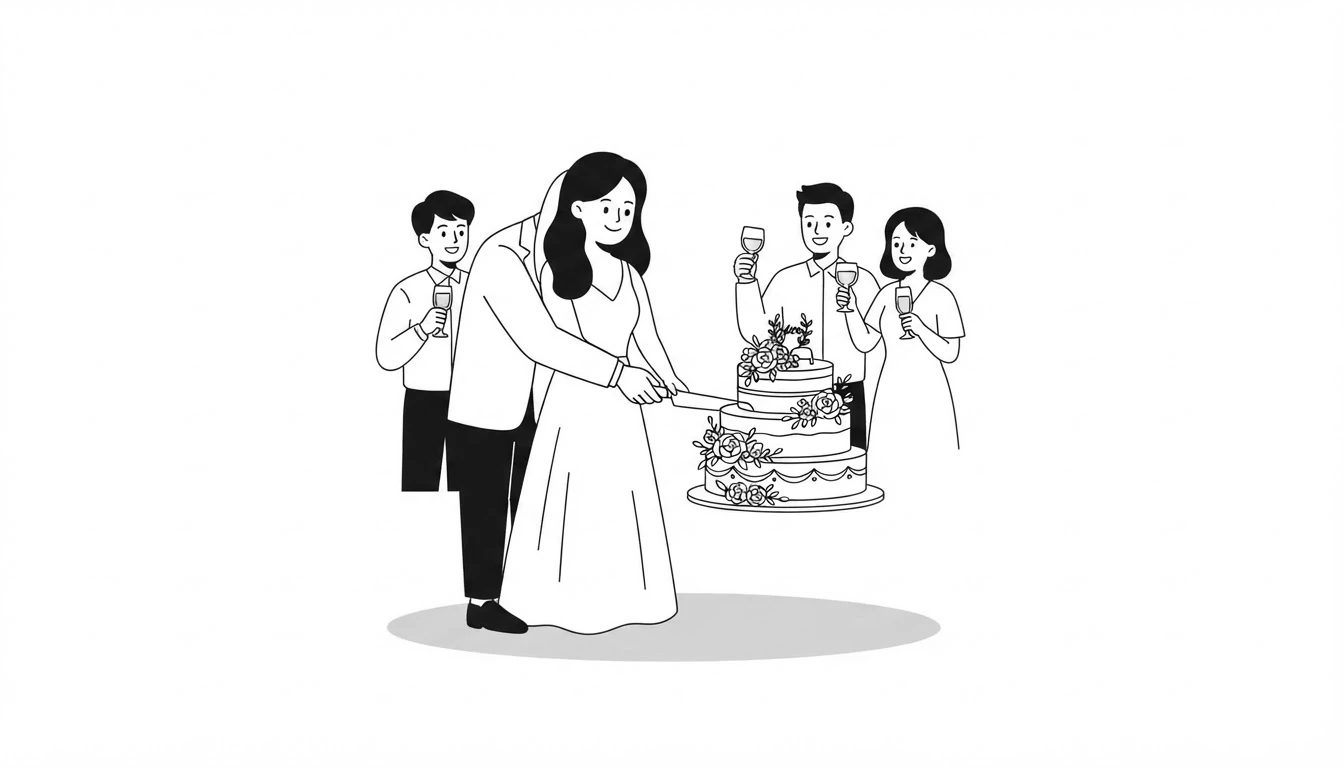
Ojo con novio y novia: bride y groom solo se usan el día de la boda. Tu pareja de toda la vida es tu boyfriend o girlfriend y, si estáis prometidos, tu fiancé o fiancée (se pronuncian igual: /fiˈɒnseɪ/). Y en una boda británica es típico que el best man dé un discurso lleno de anécdotas vergonzosas del novio. Si quieres el vocabulario de los familiares que se juntan en una boda, lo tienes en mi post sobre la familia en inglés.
Navidad, Nochevieja y Reyes en inglés
Aquí hay bastantes diferencias culturales entre España y el mundo anglosajón, así que el vocabulario viene con alguna sorpresa:
| 🇬🇧 Inglés | Pronunciación | 🇪🇸 Español |
|---|---|---|
| Christmas Eve | /ˌkrɪsməs ˈiːv/ | Nochebuena (24 de diciembre) |
| Christmas Day | /ˌkrɪsməs ˈdeɪ/ | día de Navidad (25 de diciembre) |
| Boxing Day | /ˈbɒksɪŋ deɪ/ | 26 de diciembre (festivo en el Reino Unido) |
| New Year’s Eve | /ˌnjuː jɪəz ˈiːv/ | Nochevieja |
| New Year’s Day | /ˌnjuː jɪəz ˈdeɪ/ | día de Año Nuevo |
| Twelfth Night | /ˌtwelfθ ˈnaɪt/ | Noche de Reyes (5 de enero) |
| Epiphany | /ɪˈpɪfəni/ | Epifanía, día de Reyes (6 de enero) |
| the Three Wise Men / the Three Kings | /ˌθriː waɪz ˈmen/ | los Reyes Magos |
| Father Christmas / Santa Claus | /ˌfɑːðə ˈkrɪsməs/, /ˈsæntə klɔːz/ | Papá Noel |
| Christmas tree | /ˈkrɪsməs triː/ | árbol de Navidad |
| nativity scene | /nəˈtɪvəti siːn/ | belén, nacimiento |
| carols | /ˈkærəlz/ | villancicos |
| stocking | /ˈstɒkɪŋ/ | calcetín donde se dejan los regalos |
| cracker | /ˈkrækə/ | tubo de cartón con sorpresa que se abre en la cena de Navidad |
| countdown | /ˈkaʊntdaʊn/ | cuenta atrás |
| New Year’s resolution | /ˌrezəˈluːʃn/ | propósito de Año Nuevo |
La gran diferencia: en el Reino Unido los regalos los trae Father Christmas la noche del 24 y se abren el 25 por la mañana, mientras que en España los traen sobre todo los Reyes Magos. Para explicarlo en inglés, puedes decir algo así: In Spain, children get their presents from the Three Wise Men on 6 January. The night before, there is a big parade in every town. ¡Y no traduzcas «Reyes Magos» por Magic Kings ❌!
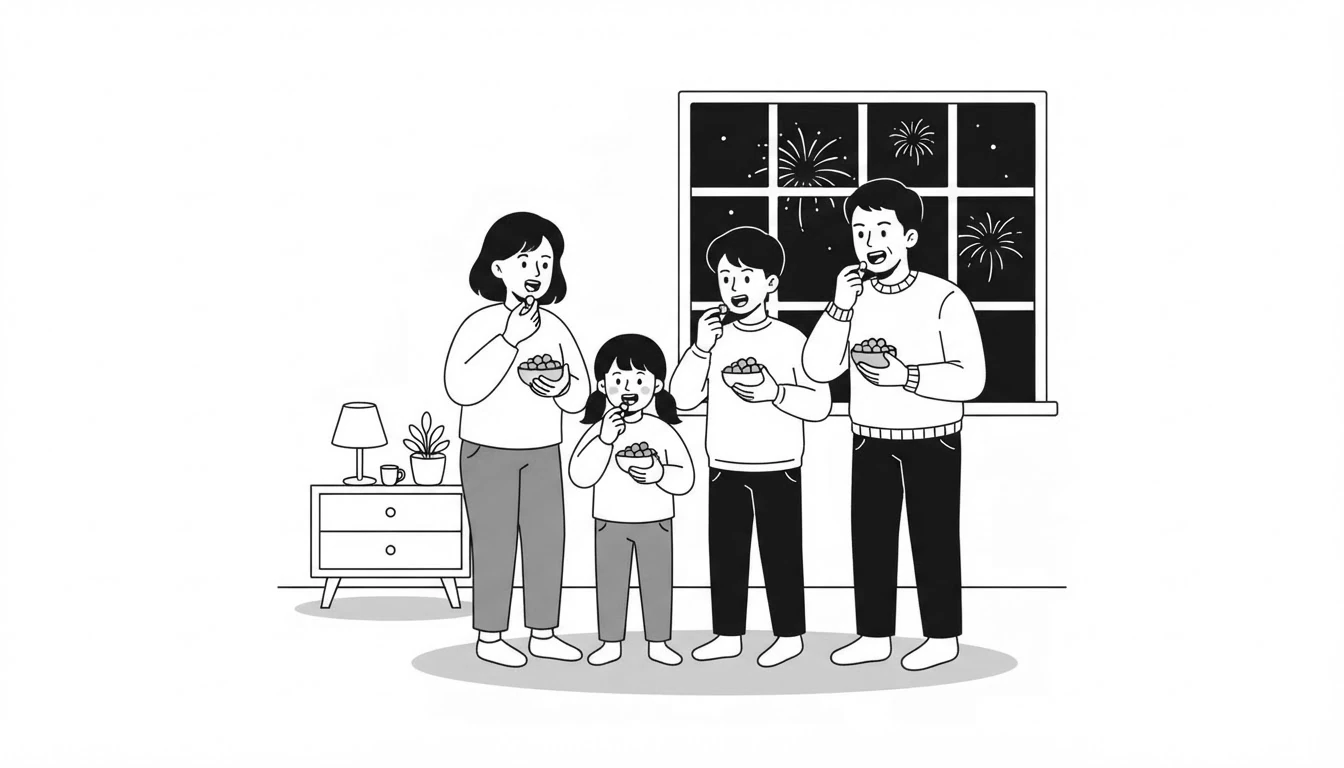
Y lo de las uvas se explica así: On New Year’s Eve, we eat twelve grapes at midnight, one for each chime of the clock. It’s supposed to bring good luck for the next twelve months. Si quieres más vocabulario de comidas típicas para estas fechas, échale un ojo a mi post sobre la comida en inglés.
Otras fiestas nacionales e internacionales
| 🇬🇧 Inglés | Pronunciación | 🇪🇸 Español |
|---|---|---|
| Easter | /ˈiːstə/ | Pascua; las vacaciones de Semana Santa |
| Holy Week | /ˈhəʊli wiːk/ | Semana Santa |
| Carnival | /ˈkɑːnɪvl/ | Carnaval |
| Valentine’s Day | /ˈvæləntaɪnz deɪ/ | San Valentín |
| Mother’s Day / Father’s Day | /ˈmʌðəz deɪ/, /ˈfɑːðəz deɪ/ | día de la Madre / del Padre |
| Halloween | /ˌhæləʊˈiːn/ | Halloween (31 de octubre) |
| trick or treat | /ˌtrɪk ɔː ˈtriːt/ | truco o trato |
| Bonfire Night | /ˈbɒnfaɪə naɪt/ | Noche de Guy Fawkes (5 de noviembre, Reino Unido) |
| Thanksgiving | /ˌθæŋksˈɡɪvɪŋ/ | día de Acción de Gracias (Estados Unidos) |
| Independence Day | /ˌɪndɪˈpendəns deɪ/ | día de la Independencia (4 de julio, Estados Unidos) |
| National Day | /ˈnæʃnəl deɪ/ | fiesta nacional (12 de octubre en España) |
| St Patrick’s Day | /sənt ˈpætrɪks deɪ/ | San Patricio (17 de marzo, Irlanda) |
| patron saint’s day | /ˌpeɪtrən ˈseɪnts deɪ/ | fiesta del patrón, fiestas patronales |
Fíjate en que todos los nombres de fiestas van en mayúscula en inglés (Easter, Christmas, Halloween), igual que los días de la semana y los meses.
Cómo explicar fiestas españolas en inglés
Este apartado es oro para el Speaking: tarde o temprano te van a preguntar por las fiestas de tu ciudad. Mi consejo es que no traduzcas el nombre (di Las Fallas o the Feria, en cursiva si lo escribes) y que lo expliques con palabras sencillas: cuándo es, dónde y qué hace la gente.
| 🇪🇸 Fiesta | 🇬🇧 Cómo explicarla en inglés |
|---|---|
| Semana Santa | During Holy Week, religious brotherhoods carry huge floats with statues through the streets in long processions. |
| Feria de Abril | The April Fair in Seville lasts a week. People wear flamenco dresses, dance sevillanas and eat and drink in tents called casetas. |
| Las Fallas | Las Fallas takes place in Valencia in March. People build enormous figures and burn them on the night of 19 March. |
| San Fermín | San Fermín is held in Pamplona in July. It’s famous for the bull run, when people run in front of the bulls through the old town. |
| La Tomatina | In Buñol, thousands of people throw tomatoes at each other for an hour in a huge food fight. |
| Cabalgata de Reyes | On 5 January, the Three Wise Men arrive in a big parade and throw sweets to the children. |
| Noche de San Juan | On 23 June, people light bonfires on the beach and some jump over them for good luck. |
Y estas son las palabras que vas a necesitar para describirlas:
| 🇬🇧 Inglés | Pronunciación | 🇪🇸 Español |
|---|---|---|
| brotherhood | /ˈbrʌðəhʊd/ | cofradía, hermandad |
| float | /fləʊt/ | paso (Semana Santa); carroza (desfile) |
| hooded penitent | /ˌhʊdɪd ˈpenɪtənt/ | nazareno |
| flamenco dress | /fləˈmeŋkəʊ dres/ | traje de flamenca |
| marquee / tent | /mɑːˈkiː/, /tent/ | caseta, carpa |
| paper lanterns | /ˈpeɪpə ˌlæntənz/ | farolillos |
| rides | /raɪdz/ | atracciones de feria, cacharritos |
| bonfire | /ˈbɒnfaɪə/ | hoguera |
| firecrackers | /ˈfaɪəkrækəz/ | petardos |
| bull run | /ˈbʊl rʌn/ | encierro |
| street party | /ˈstriːt ˌpɑːti/ | verbena, fiesta en la calle |
Un apunte sobre la palabra fiesta: existe en inglés, pero se usa para hablar de una fiesta popular en un país hispanohablante, no para cualquier fiesta. Para la fiesta de cumpleaños de tu amigo, di party.
Verbos para hablar de celebraciones
Saberse los nombres está muy bien, pero para contar una fiesta necesitas los verbos. Estos son los más útiles:
| 🇬🇧 Inglés | Pronunciación | 🇪🇸 Español |
|---|---|---|
| celebrate | /ˈselɪbreɪt/ | celebrar (una ocasión) |
| hold (held, held) | /həʊld/ | celebrar, organizar (un evento) |
| take place | /ˌteɪk ˈpleɪs/ | tener lugar, celebrarse |
| dress up (as) | /ˌdres ˈʌp/ | disfrazarse (de); arreglarse |
| decorate | /ˈdekəreɪt/ | decorar, adornar |
| wrap | /ræp/ | envolver |
| exchange presents | /ɪksˈtʃeɪndʒ ˈpreznts/ | intercambiar regalos |
| let off / set off fireworks | /ˌlet ˈɒf/, /ˌset ˈɒf/ | tirar fuegos artificiales |
| propose a toast | /prəˈpəʊz ə ˈtəʊst/ | hacer un brindis |
| mark | /mɑːk/ | conmemorar, marcar (una fecha) |
La clave está en los tres primeros, que en español traducimos todos como «celebrar»:
- Celebrate se usa con la ocasión: We celebrated my grandmother’s 90th birthday. Lo que no se «celebra» es la fiesta en sí: We celebrated a party ❌, We had a party o We threw a party ✅.
- Hold se usa cuando alguien organiza un evento: The town holds a fair every September. En pasiva es muy frecuente: The festival is held in July.
- Take place significa «tener lugar» y no tiene pasiva: The parade takes place on 5 January. Nunca is taken place ❌.
Y con dress up, cuidado: si va con as, significa «disfrazarse de» (I dressed up as a pirate); sin as, suele significar «arreglarse, ponerse elegante» (Everyone dresses up for the Feria.). Tienes más vocabulario de este tipo en mi post sobre la ropa en inglés.
Collocations, idioms y phrasal verbs sobre fiestas
Collocations importantes
Estas combinaciones son las que hacen que suenes natural. Apréndelas en bloque:
| 🇬🇧 Inglés | 🇪🇸 Español |
|---|---|
| have / throw a party | hacer / montar una fiesta |
| go to a wedding / a party | ir a una boda / a una fiesta |
| attend a ceremony (formal) | asistir a una ceremonia |
| keep a tradition alive | mantener viva una tradición |
| a family get-together | una reunión familiar |
| a festive atmosphere | un ambiente festivo |
| the festive season | las fiestas navideñas |
| a long weekend | un puente |
| make a speech / give a speech | dar un discurso |
| wish someone a happy birthday | felicitar a alguien por su cumpleaños |
Fíjate en festive: es un adjetivo (a festive atmosphere), así que «mañana es festivo» no es Tomorrow is festive ❌, sino Tomorrow is a holiday o a bank holiday ✅. Y nuestro querido «puente» es a long weekend.
Idioms sobre fiestas
| 🇬🇧 Idiom | 🇪🇸 Significado | Ejemplo |
|---|---|---|
| a party animal | un fiestero | My brother is a real party animal. |
| the life and soul of the party | el alma de la fiesta | Laura is always the life and soul of the party. |
| let your hair down | soltarse la melena, desmelenarse | It’s the Feria, so let your hair down! |
| paint the town red | salir de juerga por todo lo alto | After the exams, we painted the town red. |
| a red-letter day | un día señalado | My graduation was a real red-letter day. |
| Christmas comes but once a year | una vez al año no hace daño | Have another mince pie, Christmas comes but once a year! |
Phrasal verbs sobre fiestas
- dress up (as): disfrazarse; arreglarse. We dressed up as zombies for Halloween.
- get together: reunirse. The whole family gets together at Christmas.
- put up / take down: poner / quitar (los adornos). We put up the Christmas tree on 8 December.
- blow out: soplar (las velas). Blow out the candles and make a wish!
- stay up: quedarse despierto. We stayed up until 5 a.m. on New Year’s Eve.
- turn up / show up: presentarse, aparecer. Half the guests turned up late.
- look forward to: tener ganas de. I’m really looking forward to the summer festivals.
Errores típicos de los hispanohablantes
- Celebrar una fiesta: We celebrated a party ❌, We had a party ✅.
- Usar «assist» por asistir: I assisted to the wedding ❌, I went to the wedding o I attended the wedding ✅. Assist significa «ayudar».
- Usar «festive» como sustantivo: Monday is festive ❌, Monday is a holiday ✅.
- Usar «disguise» para disfrazarse en una fiesta: She disguised as a witch ❌, She dressed up as a witch ✅. Disguise yourself es ocultar tu identidad, como un espía.
- Congratulations for: Congratulations for your wedding ❌, Congratulations on your wedding ✅.
- In con las fechas: My birthday is in 14 May ❌, My birthday is on 14 May ✅.
- Confundir los días: «Nochevieja» es New Year’s Eve, no New Year’s Day (que es el 1 de enero).
- Poner «the» delante de next: I’ll celebrate it the next Saturday ❌, I’ll celebrate it next Saturday ✅.
- Everybody en plural: Everybody were happy ❌, Everybody was happy ✅.
- Take place en pasiva: The concert will be taken place ❌, The concert will take place ✅.
Cómo describir una celebración que recuerdas
«Cuéntame una celebración especial» es una de las preguntas más típicas, tanto en el Speaking como en el Writing. La clave es organizar bien la historia y usar los tiempos del pasado. Yo siempre recomiendo esta estructura:
- Qué y cuándo: One of the best celebrations I remember was my cousin’s wedding two years ago.
- Dónde y quién: It took place in a small village near Granada and all my family was there.
- Qué pasó, en orden: First…, then…, after that…, at the end of the night…
- Un detalle especial o algo gracioso: The funniest moment was when…
- Cómo te sentiste y por qué lo recuerdas: It was a day to remember because…
Para contar lo que pasó, el tiempo estrella es el past simple (we danced, we ate, it rained), y si quieres hablar de lo que hacíais siempre de pequeño, tienes used to: We used to spend every Christmas at my grandparents’ house.
Estas expresiones te ayudarán a darle vida a la historia:
- The atmosphere was amazing. (El ambiente era increíble.)
- The streets were packed. (Las calles estaban a reventar.)
- We had a great time. (Lo pasamos genial.)
- We danced until the early hours. (Bailamos hasta las tantas.)
- I’ll never forget it. (No lo olvidaré nunca.)
Las fiestas y tradiciones en los exámenes de Cambridge
En mi experiencia como preparador de exámenes, las celebraciones son uno de los temas que más salen en los niveles A2 Key, B1 Preliminary y B2 First:
- Writing: es un tema perfecto para la historia del B1 Preliminary (a story that begins with «It was the most exciting night of the year…») y para el article del B2 First (Tell us about a festival in your country). También aparece en los emails, cuando tienes que invitar a alguien o contar una fiesta.
- Reading y Listening: textos sobre festivales del mundo, tradiciones curiosas o entrevistas a organizadores de eventos.
Y si te estás preparando la Selectividad, ten en cuenta que las fiestas y tradiciones salen a menudo en los textos y en las tareas de writing de la PAU de inglés en Andalucía.
Preguntas típicas en el Speaking
En la Part 1 (preguntas personales) te pueden preguntar cosas como estas:
- What’s your favourite celebration of the year? Why?
- How do you usually celebrate your birthday?
- Tell us about a special celebration you remember.
Y en la Part 4 del B2 First (preguntas de opinión), otras como estas:
- Do you think traditional festivals are still important for young people?
- Some people say celebrations like Christmas have become too commercial. What do you think?
- Is it better to celebrate special occasions with family or with friends?
Ejemplo de respuesta en el Speaking
Aquí tienes una respuesta a Tell us about a special celebration you remember escrita para simular un nivel B1, sin llegar a B2:
I’d like to talk about the fair in my town. It takes place every year in August and it lasts for five days. Last summer I went with my friends every night. First, we had dinner in one of the tents, and then we danced until three in the morning. There were lots of rides and food stalls, and on the last night there were fireworks. It was amazing! I really like the fair because everybody is in the street and you meet a lot of people. Also, my grandparents always tell me stories about what the fair was like when they were young.
Fíjate en lo que la hace funcionar: responde directamente a la pregunta desde la primera frase, ordena la historia con conectores sencillos (first, and then, also), combina el presente para hablar de la fiesta en general (It takes place every year) con el past simple para contar lo que hizo (we had dinner, we danced), usa vocabulario del tema (take place, rides, food stalls, fireworks) y da una razón personal con because. Es justo lo que se espera de un B1: ideas claras, bien ordenadas y vocabulario correcto. Un B2 añadiría más variedad (the atmosphere was incredible, it’s a tradition that has been kept alive for centuries) y opiniones más matizadas.
Vocabulario útil para el Writing
Si quieres subir un poco el nivel en una historia o un artículo sobre una celebración, estas expresiones te van a venir muy bien:
- a festive atmosphere: un ambiente festivo. The whole town had a festive atmosphere.
- to look forward to something all year: esperar algo con ganas todo el año. Children look forward to the parade all year.
- to keep a tradition alive: mantener viva una tradición. Young people help to keep the tradition alive.
- a once-in-a-lifetime experience: una experiencia única. Running with the bulls was a once-in-a-lifetime experience.
- to become commercialised: comercializarse. Many people feel that Christmas has become too commercialised.
- a night to remember: una noche inolvidable. The last night of the fair was a night to remember.
Consejos para aprender este vocabulario
- Prepara tu fiesta favorita: escribe cinco o seis frases explicando en inglés la fiesta de tu ciudad (cuándo es, qué se hace, qué se come). Es casi seguro que te servirá en algún examen.
- Aprende los verbos con su ocasión: celebrate a birthday, have a party, hold a festival, go to a wedding. Así no caerás en el «celebrar una fiesta».
- Aprovecha cada fiesta del año: en Navidad, escucha villancicos en inglés; en Halloween, ve una película de miedo en versión original. Si buscas canciones, tienes ideas en mi post sobre la música en inglés.
- Cuenta tu última celebración en voz alta: grábate dos minutos contando tu último cumpleaños o la última boda a la que fuiste. Es un ejercicio estupendo para el Speaking.
Ejercicios de fiestas y tradiciones en inglés
Ha llegado el momento de practicar. Aquí abajo tienes tres ejercicios interactivos que se corrigen solos, así que sabrás al momento qué tal lo has hecho. Intenta hacerlos sin mirar el post.
Y si prefieres una versión en texto que puedas copiar y pegar, la tienes aquí abajo 👇
Ejercicio 1. Elige la opción correcta
Elige la palabra o expresión correcta en cada frase.
- My grandparents are going to (celebrate / party) their golden wedding anniversary next month.
- The festival (takes place / makes place) every year in March.
- The town (holds / does) a big fair every September.
- Did you (go to / assist) Marta’s wedding last Saturday?
- In Spain, children get presents from the (Three Wise Men / Three Magic Kings) on 6 January.
- We always (dress up / disguise) as zombies for Halloween.
- (Happy / Merry) birthday, Lucía! How old are you today?
- On New Year’s Eve, people (let off / throw out) fireworks at midnight.
- The best man (gave / said) a very funny speech at the wedding.
- Next Monday is a (bank holiday / festive), so the shops will be closed.
Ver respuestas
- celebrate
- takes place
- holds
- go to
- Three Wise Men
- dress up
- Happy
- let off
- gave
- bank holiday
Ejercicio 2. Completa con la palabra correcta
Completa cada frase con una de estas palabras. Usa cada palabra una sola vez: anniversary, candles, costume, fair, fireworks, guests, invitation, procession, toast, wrapped.
- She blew out all the _______________ on her birthday cake.
- There were more than 200 _______________ at my cousin’s wedding.
- Every Easter, a long _______________ goes through the old town with statues and music.
- My parents had a big party for their 25th wedding _______________.
- At midnight the sky was full of _______________.
- Let’s raise our glasses and make a _______________ to the happy couple!
- I wore a pirate _______________ to the fancy-dress party.
- In April, people in Seville go to the _______________ to dance sevillanas in big tents.
- We _______________ the presents in colourful paper.
- Did you get an _______________ to Pablo’s party?
Ver respuestas
- candles
- guests
- procession
- anniversary
- fireworks
- toast
- costume
- fair
- wrapped
- invitation
Ejercicio 3. Corrige el error
Cada frase tiene un error. Escríbela bien.
- We celebrated a party for my birthday.
- The concert will be taken place in the main square.
- I assisted to my friend’s wedding last summer.
- We eat twelve grapes at midnight on New Year’s Day.
- My birthday is in 14 May.
- She disguised as a witch for Halloween.
- Everybody were very happy at the party.
- I’m going to celebrate my birthday the next Saturday.
- Tomorrow is festive, so I don’t have to work.
- Congratulations for your wedding!
Ver respuestas
- We had a party for my birthday.
- The concert will take place in the main square.
- I went to my friend’s wedding last summer.
- We eat twelve grapes at midnight on New Year’s Eve.
- My birthday is on 14 May.
- She dressed up as a witch for Halloween.
- Everybody was very happy at the party.
- I’m going to celebrate my birthday next Saturday.
- Tomorrow is a holiday, so I don’t have to work.
- Congratulations on your wedding!
Conclusión
Resumiendo: en inglés se celebra la ocasión (celebrate a birthday), pero la fiesta se hace (have a party); los eventos se organizan con hold y tienen lugar con take place; a las bodas se va (go to a wedding), no se «asiste»; y para disfrazarte, dress up as. Con esto y el vocabulario de este post, la próxima vez que un amigo extranjero te pregunte por las Fallas o por las uvas de Nochevieja, se lo vas a explicar de maravilla.
¿Te ha parecido útil este post? Compártelo con otros estudiantes y profesores de inglés. Y si quieres más contenido como este, suscríbete a mi newsletter y sígueme en Facebook, Twitter, Pinterest, Instagram y YouTube.
Nos vemos en el próximo post. Hasta entonces, don’t forget to keep smiling! 🙂
