
Tabla de contenidos
Aunque la palabra used aparece en las tres expresiones, su función es completamente distinta. I used to live in Granada, I’m used to living in Granada e I’m getting used to living in Granada se parecen mucho y, sin embargo, dicen cosas muy diferentes: antes vivía allí, ya estoy acostumbrado a vivir allí y me estoy acostumbrando a vivir allí. Si alguna vez las has mezclado, no te preocupes: es una de las confusiones más comunes, y tiene arreglo.
En esta guía te explico las tres estructuras con ejemplos, te cuento cómo se forman las negaciones y las preguntas (que es donde más se falla), la diferencia con would, los errores más típicos, cómo te ayuda en los exámenes de Cambridge y treinta frases de ejercicios con soluciones. ¡Vamos allá! 🙂
Used to, be used to y get used to de un vistazo
| Estructura | Va seguida de | 🇪🇸 Significado | Ejemplo |
|---|---|---|---|
| used to | infinitivo | solía, antes (hábito o estado pasado que ya no es verdad) | I used to smoke. |
| be used to | sustantivo o -ing | estar acostumbrado | I’m used to the noise. |
| get used to | sustantivo o -ing | acostumbrarse (el proceso) | I’m getting used to the noise. |
Used to + infinitivo: hábitos y estados pasados
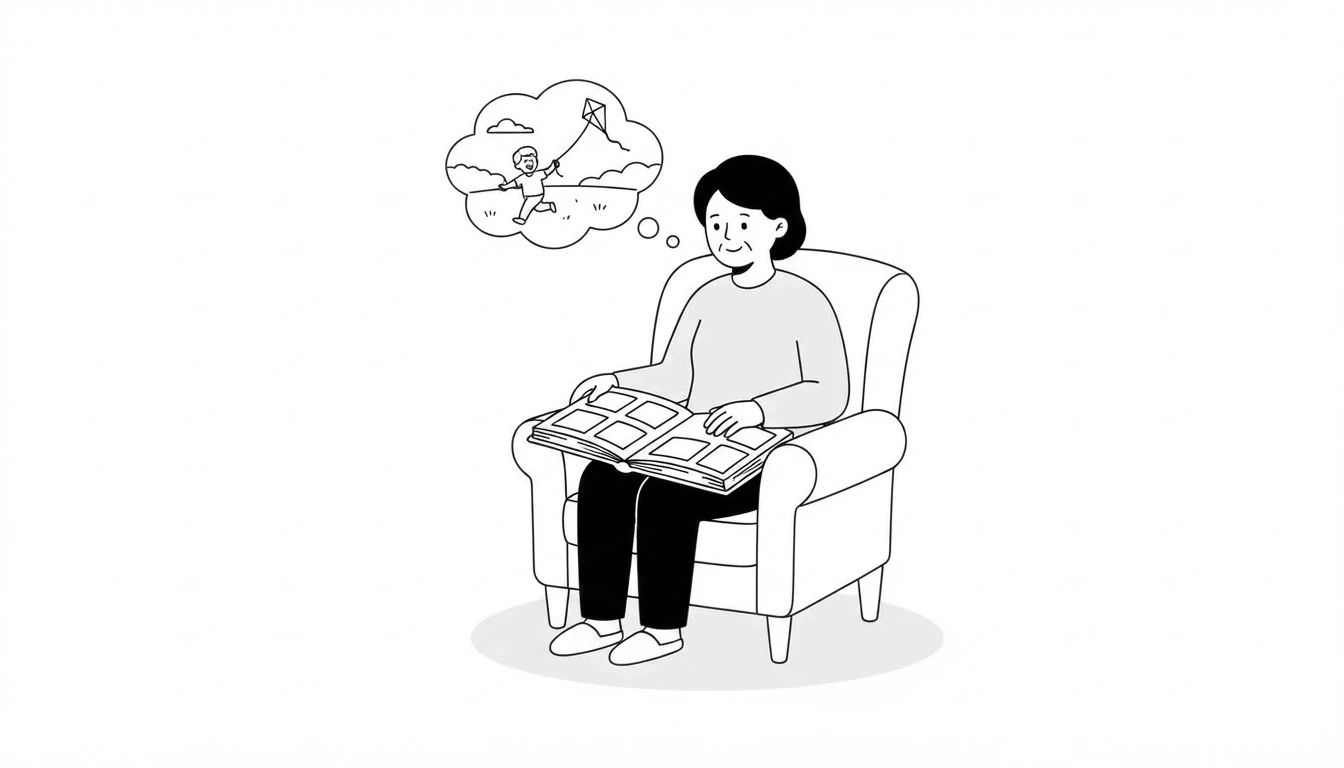
Cuando usamos used to + infinitivo nos referimos a un hábito o situación del pasado que, en principio, ya no es verdad. Por ejemplo:
- When I was a kid, I used to like Dragon Ball Z. (de pequeño me gustaba, ya no)
- We used to play in the street every afternoon. (jugábamos todas las tardes)
- There used to be a cinema here. (antes había un cine aquí)
Fíjate en que conjugamos used como un pasado simple, aunque se refiera específicamente a un hábito pasado. El problema es que solo se usa para hábitos y estados del pasado, y nunca para el presente, el futuro ni ningún otro uso. Se puede aplicar tanto a hábitos (acciones que se repetían: play, go, smoke) como a estados (live, have, be, like).
Negaciones y preguntas
Aquí está el error más común. Como used to es un pasado, la negación y la pregunta se forman con did, y cuando usamos did, used pierde la «d»:
| Ejemplo | |
|---|---|
| Afirmativa | I used to smoke. |
| Negativa | I didn’t use to smoke. I started last year. |
| Pregunta | Did you use to smoke? |
| Respuesta corta | Yes, I did. / No, I didn’t. |
Cuándo no se puede usar used to
Es un error muy común usar used to para una acción que ocurrió una sola vez o un número concreto de veces, o para decir cuánto duró algo. En esos casos hay que usar el pasado simple:
- ❌ I used to go to Paris last year.
- ✅ I went to Paris last year.
- ❌ I used to visit her three times.
- ✅ I visited her three times.
Si quieres repasar el pasado simple, tienes mi guía del past simple.
Used to frente a would
Para hablar de hábitos pasados también puedes usar would, pero con una diferencia importante: would solo sirve para acciones repetidas, nunca para estados.
| 🇬🇧 USED TO | 🇬🇧 WOULD | |
|---|---|---|
| Hábitos pasados (acciones) | ✅ We used to play in the street. | ✅ We would play in the street. |
| Estados pasados | ✅ I used to have a beard. | ❌ I would have a beard. |
| Cuándo se usa | desde el principio de la frase | cuando ya has dejado claro que hablas del pasado |
Más sobre would y los demás modales en mi guía de verbos modales en inglés.
Be used to + sustantivo o -ing: estar acostumbrado
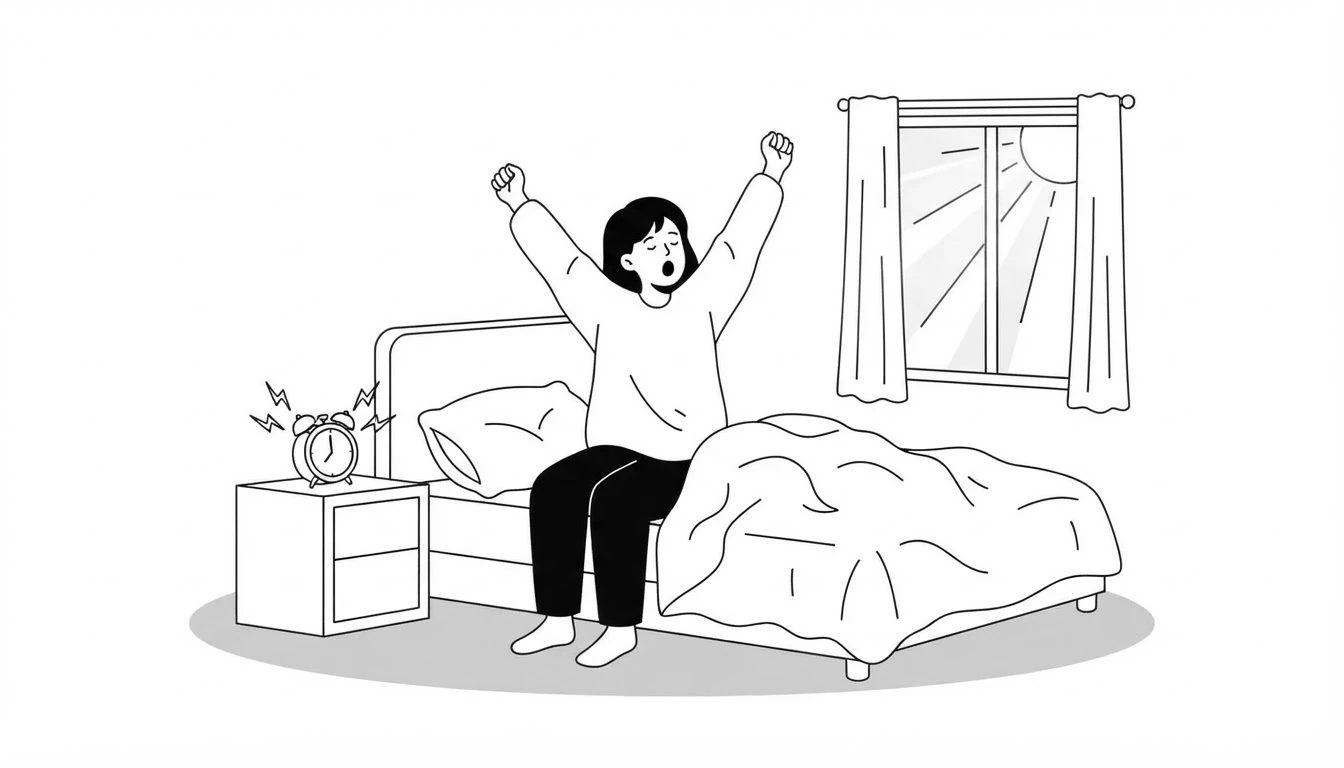
Aquí la estructura y el significado cambian por completo. Be used to significa «estar acostumbrado a algo»: ya te resulta familiar. Y detrás va un sustantivo o la forma -ing, porque aquí to es una preposición, no parte de un infinitivo (por eso nunca se dice I’m used to wake up).
- At first, I couldn’t sleep with all the noise outside, but I am used to it now.
- I’m used to getting up early.
- She was used to his bad temper, so she wasn’t offended by his comments. (le resultaba familiar su mal genio)
Se conjuga el verbo to be en el tiempo que corresponda: I am / she was / they have never been used to…. La negación y la pregunta siguen las reglas normales de to be:
- I’m not used to working at night.
- Are you used to driving on the left?
Si quieres entender por qué detrás de una preposición va el -ing, lo tienes explicado en mi guía de gerundio o infinitivo en inglés.
Get used to + sustantivo o -ing: acostumbrarse
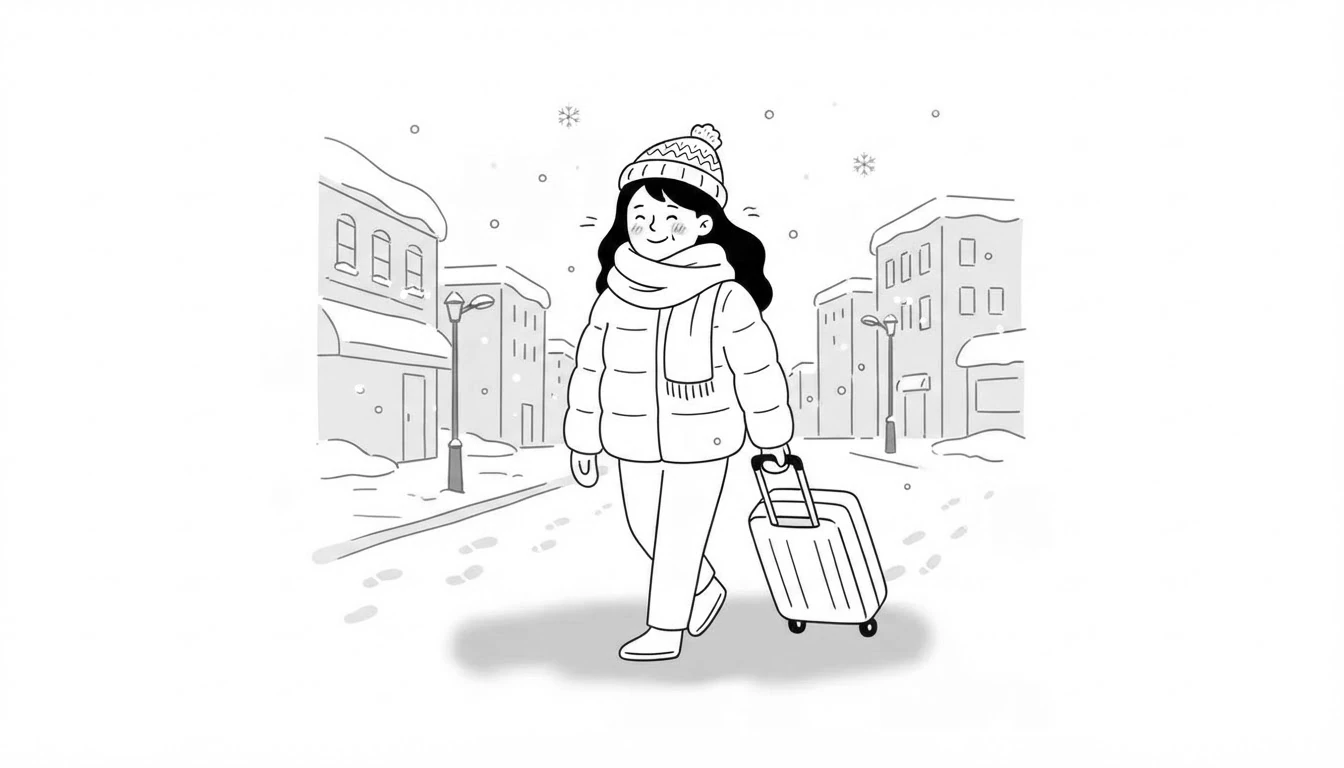
Get used to significa «acostumbrarse a algo»: es el proceso de llegar a estar acostumbrado. Lleva también sustantivo o -ing, y se puede usar en cualquier tiempo:
- I got used to getting up early as soon as I started going to work again.
- I quickly got used to using a dishwasher, so now I just can’t stand doing the washing up.
- I’m getting used to my new schedule.
- I’ll never get used to the cold here.
Be used to frente a get used to
La única diferencia entre las dos es que be used to se refiere a algo con lo que ya estás familiarizado, mientras que get used to es el proceso de familiarizarte. En español, be used to = «estar acostumbrado» y get used to = «acostumbrarse».
| 🇬🇧 BE USED TO | 🇬🇧 GET USED TO | |
|---|---|---|
| Idea | un estado (ya me resulta normal) | un proceso (me va resultando normal) |
| 🇪🇸 Traducción | estar acostumbrado | acostumbrarse |
| Ejemplo | I’m used to the heat. | I’m getting used to the heat. |
| En pasado | I was used to the heat. | I got used to the heat. |
Ejemplos mezclados
Fíjate en cómo cambia el significado con cada estructura:
- I didn’t use to like this series, but I must admit that I love it now! (antes no me gustaba, ahora sí)
- She was used to his bad temper. (le resultaba familiar)
- I quickly got used to using a dishwasher. (me acostumbré enseguida)
Errores comunes con used to, be used to y get used to
| ❌ Incorrecto | ✅ Correcto | Por qué |
|---|---|---|
| I use to live in Granada. | I used to live in Granada. | Es un pasado: used. |
| She didn’t used to like coffee. | She didn’t use to like coffee. | Con did, used pierde la «d». |
| I’m used to wake up early. | I’m used to waking up early. | En be used to, to es preposición y exige -ing. |
| He used to going to the gym. | He used to go to the gym. | En used to (hábito pasado) va el infinitivo. |
| I used to visit her last Sunday. | I visited her last Sunday. | Una sola vez: pasado simple. |
| It took me a month to get used to work from home. | It took me a month to get used to working from home. | En get used to, to es preposición: -ing. |
Used to, be used to y get used to en los exámenes de Cambridge
Estas estructuras son un clásico del Use of English de B2 First y C1 Advanced, sobre todo en la Part 4 (key word transformation), con la palabra clave USED. Por ejemplo:
- He doesn’t live in London any more. USED
He ______ in London. → used to live - I find it strange to get up so early. USED
I’m not ______ so early. → used to getting up
En las dos hay que acertar con lo que va detrás: infinitivo en used to, -ing en be/get used to. En Writing y Speaking también te permiten hablar de tu pasado y de tus hábitos con naturalidad, algo muy habitual en las preguntas del Speaking sobre tu vida.
Tabla resumen
| Estructura | Significado | Forma | Ejemplo |
|---|---|---|---|
| used to | hábito o estado pasado | used to + infinitivo didn’t use to + infinitivo | I used to smoke. |
| be used to | estar acostumbrado | be + used to + -ing/sustantivo | I’m used to the noise. |
| get used to | acostumbrarse | get + used to + -ing/sustantivo | I’m getting used to it. |
¿Se puede usar used to para el presente?
No. Para un hábito en el presente usa el presente simple con un adverbio de frecuencia: I usually get up at seven. Más en mi guía de adverbios de frecuencia.
¿Cómo se pronuncia used to?
En used to (hábito pasado) y en be/get used to, used se pronuncia /juːst/, con /s/ y sin /d/ final: /juːst tə/. En cambio, en he used the phone (usar) suena /juːzd/, con /z/ y /d/.
¿Cómo se dice «acostumbrarse» y «estar acostumbrado» en inglés?
«Acostumbrarse» es get used to y «estar acostumbrado» es be used to.
Ejercicios de used to, be used to y get used to
Treinta frases para comprobar que lo tienes claro. Las soluciones están debajo de cada ejercicio.
Exercise 1: choose the correct form
Choose the correct option to complete each sentence.
- I (used to / am used to) live in a small flat, but now I have a house.
- I (used to / am used to) getting up at six; I do it every day.
- It took me a while to (get used to / used to) the new schedule.
- She (didn’t use to / didn’t used to) like spicy food.
- Are you (used to / use to) working at night?
- It was hard at first, but he soon (was used to / got used to) the cold weather.
- My dad (used to / would) have a beard, but he shaved it off.
- Every summer we (would / are used to) go to the beach.
- I’m not (used to / use to) the new software yet.
- I can’t (get used to / used to) the noise in this city.
Ver respuestas
- used to
- am used to
- get used to
- didn’t use to
- used to
- got used to
- used to
- would
- used to
- get used to
Exercise 2: complete the sentences
Complete each sentence with used to, be used to or get used to and the verb in brackets. Write only the missing words.
- When I was a child, I _______________ (play) football every day.
- I’ve lived here for years, so I _______________ (hear) the traffic noise.
- It took me months to _______________ (drive) on the left.
- Did you _______________ (have) long hair when you were a child?
- We _______________ (not / have) a car, so we always walked.
- He’s still adapting: he’s _______________ (get up) at 6 a.m.
- They aren’t _______________ (work) at night.
- My grandparents _______________ (live) in a village, but they moved to the city.
- After a week I _______________ (eat) dinner so late.
- I’ll never _______________ (wear) a suit every day.
Ver respuestas
- used to play
- am used to hearing / ‘m used to hearing
- get used to driving
- use to have
- didn’t use to have / did not use to have
- getting used to getting up
- used to working
- used to live
- got used to eating
- get used to wearing
Exercise 3: correct or incorrect?
Decide whether each sentence is correct. If it is incorrect, rewrite it correctly.
- I used to play the guitar when I was a teenager.
- I’m used to wake up early.
- She didn’t used to like coffee.
- We got used to the noise after a few weeks.
- He used to going to the gym every day.
- Are you used to driving on the left?
- I use to live in Granada.
- It took me a month to get used to work from home.
- They were used to the cold, so they didn’t wear coats.
- I used to visit my grandmother last Sunday.
Ver respuestas
- Correct
- I’m used to waking up early.
- She didn’t use to like coffee.
- Correct
- He used to go to the gym every day.
- Correct
- I used to live in Granada.
- It took me a month to get used to working from home.
- Correct
- I visited my grandmother last Sunday.
Conclusión
Resumiendo en tres ideas: used to + infinitivo es para hábitos y estados del pasado que ya no son verdad (con didn’t use to en negativo); be used to + -ing es estar acostumbrado; y get used to + -ing es acostumbrarse. Si dudas, mira lo que va detrás: ¿infinitivo o -ing? Y recuerda que en be/get used to el to es una preposición.
¿Te ha parecido útil este post? Compártelo con otros estudiantes y profesores de inglés. Y si quieres más contenido como este, suscríbete a mi newsletter y sígueme en Facebook, Twitter, Pinterest, Instagram y YouTube.
Nos vemos en el próximo post. Hasta entonces, don’t forget to keep smiling! 🙂
