
Table of contents
Although the word used appears in all three expressions, its function is completely different. I used to live in Granada, I’m used to living in Granada and I’m getting used to living in Granada look very much alike and yet they say very different things: I lived there before, I am already accustomed to living there and I am becoming accustomed to living there. If you have ever mixed them up, don’t worry: it is one of the most common confusions, and it can be fixed.
In this guide I explain the three structures with examples, tell you how negatives and questions are formed (which is where most mistakes happen), the difference with would, the most typical mistakes, how it helps you in the Cambridge exams and thirty sentences of exercises with answers. Let’s get started! 🙂
Used to, be used to and get used to at a glance
| Structure | Followed by | Meaning | Example |
|---|---|---|---|
| used to | infinitive | a past habit or state that is no longer true | I used to smoke. |
| be used to | noun or -ing | to be accustomed to something | I’m used to the noise. |
| get used to | noun or -ing | to become accustomed (the process) | I’m getting used to the noise. |
Used to + infinitive: past habits and states
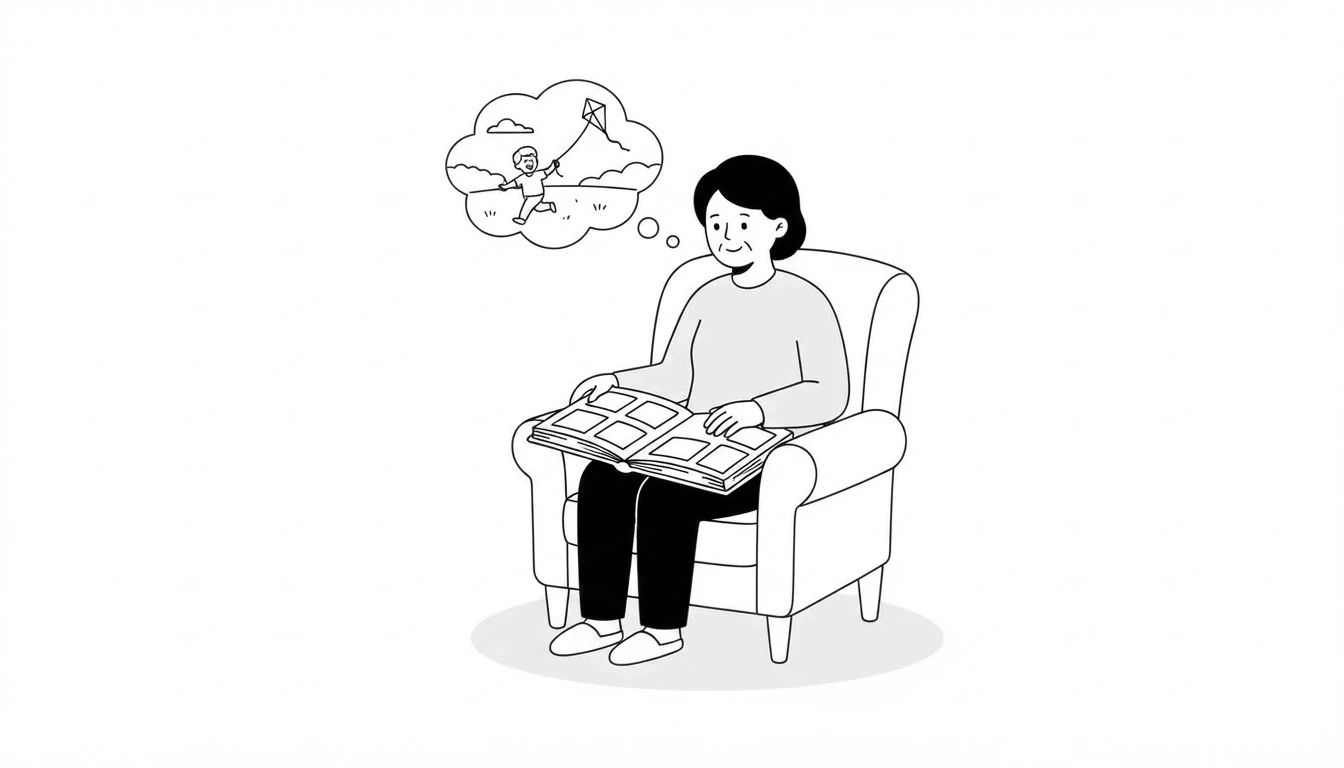
When we use used to + infinitive we refer to a past habit or situation that is, in theory, no longer true. For example:
- When I was a kid, I used to like Dragon Ball Z. (I liked it then, I don’t now)
- We used to play in the street every afternoon.
- There used to be a cinema here.
Notice that used is a past simple form, although it refers specifically to a past habit. The catch is that it is only used for past habits and states, and never for the present, the future or any other use. It can be applied to habits (repeated actions: play, go, smoke) and to states (live, have, be, like).
Negatives and questions
Here is the most common mistake. Because used to is a past form, the negative and the question are formed with did, and when we use did, used loses the «d»:
| Example | |
|---|---|
| Affirmative | I used to smoke. |
| Negative | I didn’t use to smoke. I started last year. |
| Question | Did you use to smoke? |
| Short answer | Yes, I did. / No, I didn’t. |
When you can’t use used to
It is a very common mistake to use used to for an action that happened only once, a specific number of times, or to say how long something lasted. In those cases you need the past simple:
- ❌ I used to go to Paris last year.
- ✅ I went to Paris last year.
- ❌ I used to visit her three times.
- ✅ I visited her three times.
If you want to review the past simple, have a look at my guide to the past simple.
Used to vs would
To talk about past habits you can also use would, but with an important difference: would only works for repeated actions, never for states.
| 🇬🇧 USED TO | 🇬🇧 WOULD | |
|---|---|---|
| Past habits (actions) | ✅ We used to play in the street. | ✅ We would play in the street. |
| Past states | ✅ I used to have a beard. | ❌ I would have a beard. |
| When you use it | from the very start of the sentence | once you have made clear you are talking about the past |
More about would and the other modals in my guide to modal verbs in English.
Be used to + noun or -ing: to be accustomed to
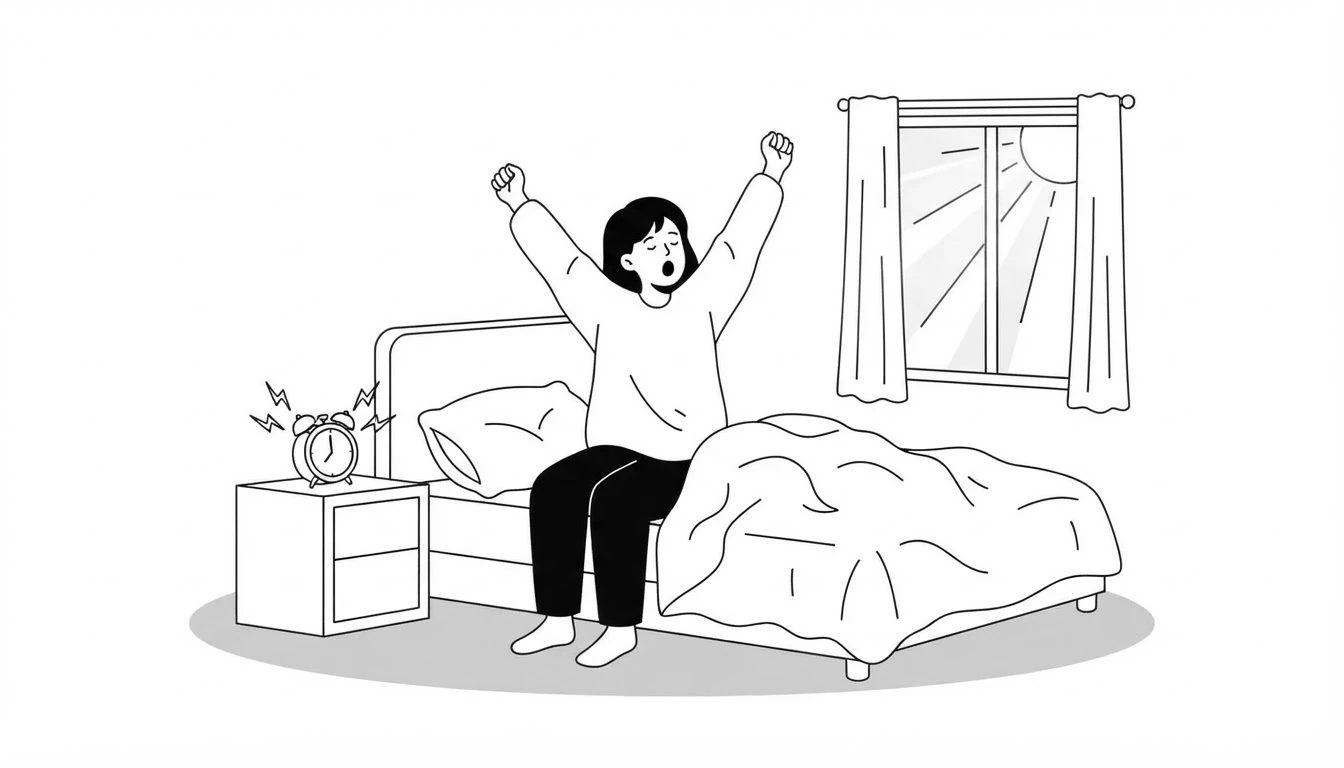
Here the structure and the meaning change completely. Be used to means «to be accustomed to something»: it is already familiar to you. And what follows is a noun or the -ing form, because here to is a preposition, not part of an infinitive (which is why you never say I’m used to wake up).
- At first, I couldn’t sleep with all the noise outside, but I am used to it now.
- I’m used to getting up early.
- She was used to his bad temper, so she wasn’t offended by his comments. (his bad temper was familiar to her)
The verb to be is conjugated in the tense you need: I am / she was / they have never been used to…. Negatives and questions follow the normal rules of to be:
- I’m not used to working at night.
- Are you used to driving on the left?
If you want to understand why the -ing form comes after a preposition, it is explained in my guide to gerund or infinitive in English.
Get used to + noun or -ing: to become accustomed
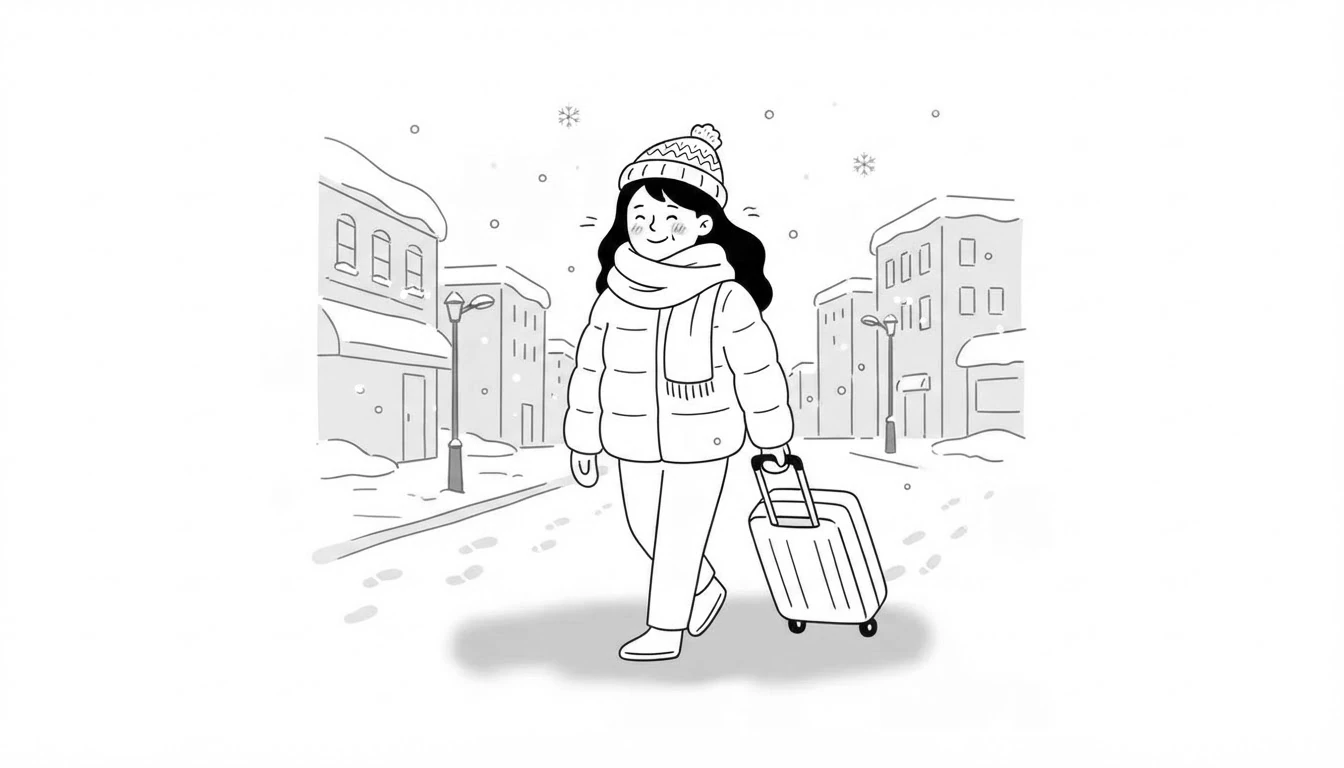
Get used to means «to become accustomed to something»: it is the process of getting to the point where you are used to it. It also takes a noun or -ing, and it can be used in any tense:
- I got used to getting up early as soon as I started going to work again.
- I quickly got used to using a dishwasher, so now I just can’t stand doing the washing up.
- I’m getting used to my new schedule.
- I’ll never get used to the cold here.
Be used to vs get used to
The only difference between the two is that be used to refers to something you are already familiar with, while get used to is the process of becoming familiar. In Spanish, be used to = «estar acostumbrado» and get used to = «acostumbrarse».
| 🇬🇧 BE USED TO | 🇬🇧 GET USED TO | |
|---|---|---|
| Idea | a state (it already feels normal) | a process (it is starting to feel normal) |
| 🇪🇸 Spanish | estar acostumbrado | acostumbrarse |
| Example | I’m used to the heat. | I’m getting used to the heat. |
| In the past | I was used to the heat. | I got used to the heat. |
Mixed examples
Notice how the meaning changes with each structure:
- I didn’t use to like this series, but I must admit that I love it now! (I didn’t like it before, I do now)
- She was used to his bad temper. (it was familiar to her)
- I quickly got used to using a dishwasher. (I became familiar with it quickly)
Common mistakes with used to, be used to and get used to
| ❌ Incorrect | ✅ Correct | Why |
|---|---|---|
| I use to live in Granada. | I used to live in Granada. | It is a past form: used. |
| She didn’t used to like coffee. | She didn’t use to like coffee. | With did, used loses the «d». |
| I’m used to wake up early. | I’m used to waking up early. | In be used to, to is a preposition and needs -ing. |
| He used to going to the gym. | He used to go to the gym. | In used to (past habit) the infinitive follows. |
| I used to visit her last Sunday. | I visited her last Sunday. | A single time: past simple. |
| It took me a month to get used to work from home. | It took me a month to get used to working from home. | In get used to, to is a preposition: -ing. |
Used to, be used to and get used to in the Cambridge exams
These structures are a classic of the Use of English paper in B2 First and C1 Advanced, especially in Part 4 (key word transformation), with the key word USED. For example:
- He doesn’t live in London any more. USED
He ______ in London. → used to live - I find it strange to get up so early. USED
I’m not ______ so early. → used to getting up
In both you have to get what comes next right: the infinitive after used to, -ing after be/get used to. In Writing and Speaking they also let you talk about your past and your habits naturally, which is very common in the Speaking questions about your life.
Summary table
| Structure | Meaning | Form | Example |
|---|---|---|---|
| used to | past habit or state | used to + infinitive didn’t use to + infinitive | I used to smoke. |
| be used to | to be accustomed | be + used to + -ing/noun | I’m used to the noise. |
| get used to | to become accustomed | get + used to + -ing/noun | I’m getting used to it. |
Can you use used to for the present?
No. For a present habit use the present simple with an adverb of frequency: I usually get up at seven. More in my guide to adverbs of frequency.
How is used to pronounced?
In used to (past habit) and in be/get used to, used is pronounced /juːst/, with a final /s/ and no /d/: /juːst tə/. In he used the phone (to use), on the other hand, it is /juːzd/, with /z/ and /d/.
How do you say «acostumbrarse» and «estar acostumbrado» in English?
«Acostumbrarse» is get used to and «estar acostumbrado» is be used to.
Used to, be used to and get used to exercises
Thirty sentences to check that you’ve got it. The answers are under each exercise.
Exercise 1: choose the correct form
Choose the correct option to complete each sentence.
- I (used to / am used to) live in a small flat, but now I have a house.
- I (used to / am used to) getting up at six; I do it every day.
- It took me a while to (get used to / used to) the new schedule.
- She (didn’t use to / didn’t used to) like spicy food.
- Are you (used to / use to) working at night?
- It was hard at first, but he soon (was used to / got used to) the cold weather.
- My dad (used to / would) have a beard, but he shaved it off.
- Every summer we (would / are used to) go to the beach.
- I’m not (used to / use to) the new software yet.
- I can’t (get used to / used to) the noise in this city.
Show answers
- used to
- am used to
- get used to
- didn’t use to
- used to
- got used to
- used to
- would
- used to
- get used to
Exercise 2: complete the sentences
Complete each sentence with used to, be used to or get used to and the verb in brackets. Write only the missing words.
- When I was a child, I _______________ (play) football every day.
- I’ve lived here for years, so I _______________ (hear) the traffic noise.
- It took me months to _______________ (drive) on the left.
- Did you _______________ (have) long hair when you were a child?
- We _______________ (not / have) a car, so we always walked.
- He’s still adapting: he’s _______________ (get up) at 6 a.m.
- They aren’t _______________ (work) at night.
- My grandparents _______________ (live) in a village, but they moved to the city.
- After a week I _______________ (eat) dinner so late.
- I’ll never _______________ (wear) a suit every day.
Show answers
- used to play
- am used to hearing / ‘m used to hearing
- get used to driving
- use to have
- didn’t use to have / did not use to have
- getting used to getting up
- used to working
- used to live
- got used to eating
- get used to wearing
Exercise 3: correct or incorrect?
Decide whether each sentence is correct. If it is incorrect, rewrite it correctly.
- I used to play the guitar when I was a teenager.
- I’m used to wake up early.
- She didn’t used to like coffee.
- We got used to the noise after a few weeks.
- He used to going to the gym every day.
- Are you used to driving on the left?
- I use to live in Granada.
- It took me a month to get used to work from home.
- They were used to the cold, so they didn’t wear coats.
- I used to visit my grandmother last Sunday.
Show answers
- Correct
- I’m used to waking up early.
- She didn’t use to like coffee.
- Correct
- He used to go to the gym every day.
- Correct
- I used to live in Granada.
- It took me a month to get used to working from home.
- Correct
- I visited my grandmother last Sunday.
Conclusion
To sum up in three ideas: used to + infinitive is for past habits and states that are no longer true (with didn’t use to in the negative); be used to + -ing means to be accustomed; and get used to + -ing means to become accustomed. If you are in doubt, look at what comes next: infinitive or -ing? And remember that in be/get used to, to is a preposition.
Did you find this post useful? Share it with other students and English teachers. And if you want more content like this, subscribe to my newsletter and follow me on Facebook, Twitter, Pinterest, Instagram and YouTube.
See you in the next post. Until then, don’t forget to keep smiling! 🙂
