
Tabla de contenidos
«¿Digo I enjoy to swim o I enjoy swimming?». Si alguna vez has dudado entre el infinitivo y el -ing detrás de un verbo, no estás solo: es una de las dudas que más quebraderos de cabeza da a los estudiantes de inglés, y no es de extrañar. Para empezar, no hay una regla única que explique por qué unos verbos llevan una forma y otros la otra, así que en gran parte hay que aprenderlos. Y para seguir, en español no tenemos nada igual: nuestro «gerundio» no es lo mismo que el gerund inglés.
La buena noticia es que los verbos se pueden clasificar en cinco grupos, y que dentro de uno de ellos (los que cambian de significado) sí hay una lógica muy clara. En esta guía te doy las reglas generales, la lista de verbos de cada grupo con ejemplos, los siete verbos que cambian de significado, los errores más comunes, cómo te ayuda esto en los exámenes de Cambridge y treinta frases de ejercicios con soluciones. ¡Vamos allá! 🙂
Gerundio o infinitivo: las reglas generales
Antes de ir verbo por verbo, hay unas reglas generales que cubren muchas situaciones. Usamos el gerundio (-ing) en estos casos:
- Cuando es el sujeto de la oración o parte de él: Exercising every morning is the best way to keep fit!
- Después de una preposición y de un phrasal verb: We are really looking forward to hearing from you. Fíjate en que aquí to es una preposición, no el to del infinitivo. Más sobre esto en mi guía de instead of y en la de despite, in spite of y although.
- Después de ciertos verbos (los vemos más abajo): We should really avoid driving through the city centre in the rush hour.
Y usamos el infinitivo con to en estos otros:
- Después del verbo to be + algunos adjetivos: I am happy to give you a hand with your homework. / She is a rather amusing person to spend time with.
- En construcciones con too y enough: He spoke too quickly for anyone to understand. / I didn’t have enough money to buy the house.
- Para expresar finalidad (el «para» español): I decided to go to England to learn English.
- Después de ciertos verbos: I expect to get good grades this year.
Cómo se forma el gerundio (-ing)
Antes de seguir, un repaso rápido de cómo se escribe la forma -ing, porque tiene sus trampas:
| Regla | Ejemplos |
|---|---|
| Normalmente se añade -ing | work → working, enjoy → enjoying |
| Verbo acabado en -e: se quita la e | make → making, write → writing |
| Una sílaba acentuada con vocal + consonante: se duplica la consonante | run → running, stop → stopping, swim → swimming |
| Verbos en -ie: la -ie pasa a -y | lie → lying, die → dying, tie → tying |
| Verbos en -y: se mantiene la y | study → studying, try → trying |
Si te lías con lying y laying, mira mi guía de lie y lay, donde tienes los tres verbos con todas sus formas.
Los 5 grupos de verbos
Cuando un verbo va seguido de otro verbo, el segundo puede ir en infinitivo o en -ing. Todos los verbos se pueden clasificar en cinco grupos:
| Grupo | Qué lleva detrás | Ejemplos |
|---|---|---|
| 1 | siempre -ing | enjoy, avoid, finish, mind |
| 2 | siempre infinitivo con to | decide, hope, manage, refuse |
| 3 | infinitivo sin to | make, let, modal verbs |
| 4 | -ing o infinitivo, mismo significado | like, love, hate, start, begin |
| 5 | -ing o infinitivo, distinto significado | remember, forget, try, stop, regret |
Grupo 1: verbos seguidos siempre de -ing
appreciate, avoid, contemplate, delay, deny, detest, dislike, endure, enjoy, escape, excuse, face, fancy, finish, involve, mention, mind, miss, postpone, practise, resent, risk, suggest. Y estas expresiones: it’s no good, it’s no use, feel like, spend time, waste time, it’s worth, there’s no point, can’t help.
- It’s no good studying everything by heart. It’s far more important to understand things.
- He denied stealing the computer. In fact, he accused one of his colleagues.
- I don’t mind waiting for a few minutes.
Una pista práctica: muchos de estos verbos expresan gusto, rechazo o evitar algo (enjoy, dislike, avoid, miss, risk). Para suggest y recommend, que tienen otras estructuras además del -ing, tienes todo en mi post de suggest vs recommend.
Grupo 2: verbos seguidos siempre de infinitivo con to
can’t afford, agree, appear, arrange, attempt, ask, choose, dare, decide, demand, deserve, expect, fail, grow, hasten, happen, hope, hurry, learn, long, manage, neglect, offer, pay, plan, pledge, pretend, promise, refuse, resolve, seek, seem, struggle, swear, threaten, vow, wish.
- He couldn’t even afford to buy a pair of shoes after his business went bust.
- She offered to pay for dinner, but Mike refused to let her.
- I hope to see you soon.
La pista aquí es la contraria: casi todos son verbos de planes, decisiones, intenciones y deseos (decide, hope, plan, promise, refuse), es decir, de cosas que todavía no han pasado. Para hope y expect en concreto, mira la diferencia en mi post de hope y expect.
Grupo 3: verbos seguidos de infinitivo sin to
Son make, let, have (con el significado de «hacer que alguien haga algo»), feel, hear, see más un objeto, y todos los verbos modales excepto ought to:
- I heard you come into the room late last night.
- My parents will never let me go out on a weekday.
- You should wait and see which way the wind blows.
Con hear y see también puedes usar el -ing: I heard you arriving late. / I saw you talking to her yesterday. Si quieres repasar los modales, tienes mi guía de verbos modales en inglés.
Grupo 4: -ing o infinitivo, sin cambio de significado
can’t bear, hate, like, love, prefer, begin, continue, intend, plan, propose, can’t stand, start:
- I can’t bear to watch / watching horror movies.
- I love to go / going to the cinema on Saturdays.
- It started to rain / raining.
Tres notas rápidas sobre este grupo:
- Si el propio verbo ya está en -ing, evita repetirlo: It’s starting to rain, mejor que It’s starting raining.
- Con would like, would love, would hate y would prefer va siempre el infinitivo con to: I’d love to visit Japan one day.
- Con like hay un matiz: I like to get up early (me conviene, lo elijo) frente a I like getting up early (me gusta en general).
Grupo 5: -ing o infinitivo, con cambio de significado
Aquí está la parte más interesante: el significado cambia según la forma que elijas. Hay una lógica detrás: el infinitivo suele mirar hacia delante (algo que todavía hay que hacer, una intención, un intento), y el gerundio mira hacia atrás o a algo real (un recuerdo, algo que sí se hizo, un hábito). Estos son los siete verbos más comunes:
| Verbo | + infinitivo | + gerundio (-ing) |
|---|---|---|
| remember | acordarse de hacer algo (obligación) | recordar algo que ya pasó |
| forget | olvidarse de hacer algo | olvidar algo que ya pasó |
| try | intentar (quizá sin éxito) | probar, hacerlo como experimento |
| go on | pasar a hacer otra cosa | seguir con lo mismo |
| mean | tener la intención de | implicar, suponer |
| regret | lamentar tener que (formal) | arrepentirse de algo que hiciste |
| stop | pararse para hacer algo | dejar de hacer algo |
1. Remember y forget
Si remember to do something, hablamos de algo que tenemos que hacer, una especie de obligación. Si remember doing something, nos referimos a un recuerdo de un momento o un suceso. Con forget pasa exactamente lo mismo, pero con el significado contrario:
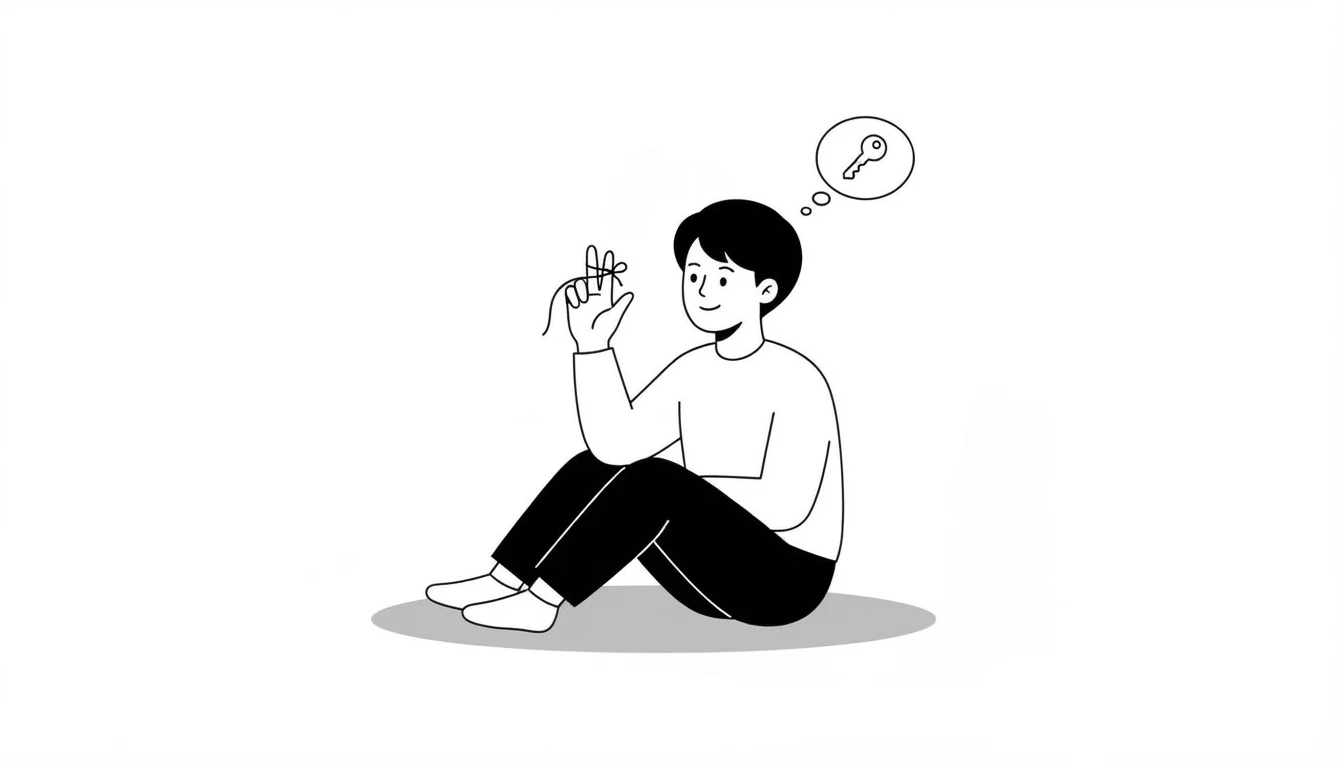
- Did you remember to pick up my suit from the dry-cleaner’s? (¿te acordaste de recogerlo?)
- I will always remember kissing you for the first time. (recuerdo ese momento)
- I forgot to get some bread on my way home. (algo que tenía que hacer)
- I’ll never forget visiting Disneyland when I was a kid. (un recuerdo que tengo)
2. Try
La diferencia de este verbo es probablemente la más complicada. Try to do something significa intentar hacerlo, presumiblemente sin éxito. Try doing se refiere a algo que sí hiciste, como experimento, para ver qué pasa:
- Last night I tried to sleep for hours, but I simply couldn’t. I was so desperate that I even tried counting sheep! (intenté dormir, sin éxito; y sí conté ovejas, como prueba)
- Have you tried restarting it? That’ll probably do the trick.
3. Go on
- After listening to me closely, Tim went on to read his newspaper. (primero escuchó y luego pasó a leer)
- Tim wasn’t really listening to me, he simply went on reading his newspaper. (siguió leyendo, sin interrumpirse)
4. Mean
- I didn’t mean to hurt you. I’m really sorry. (no fue mi intención)
- Putting your name down for that competition will mean training at least twice a week. (implicará entrenar)
5. Regret
Regret doing es la forma mucho más común. Regret to do se usa casi solo para dar malas noticias en un contexto formal:
- I honestly regret not studying harder for my final exams. (ojalá hubiera estudiado más)
- We regret to inform you that you have not been selected for the job. (lamentamos informarle)
6. Stop
Una buena forma de entender la diferencia: ¿qué es más sano, stop to smoke o stop smoking? En el primer caso interrumpes lo que haces para fumar; en el segundo, dejas un hábito poco saludable. Dejar de fumar es más sano que pararse a fumar:
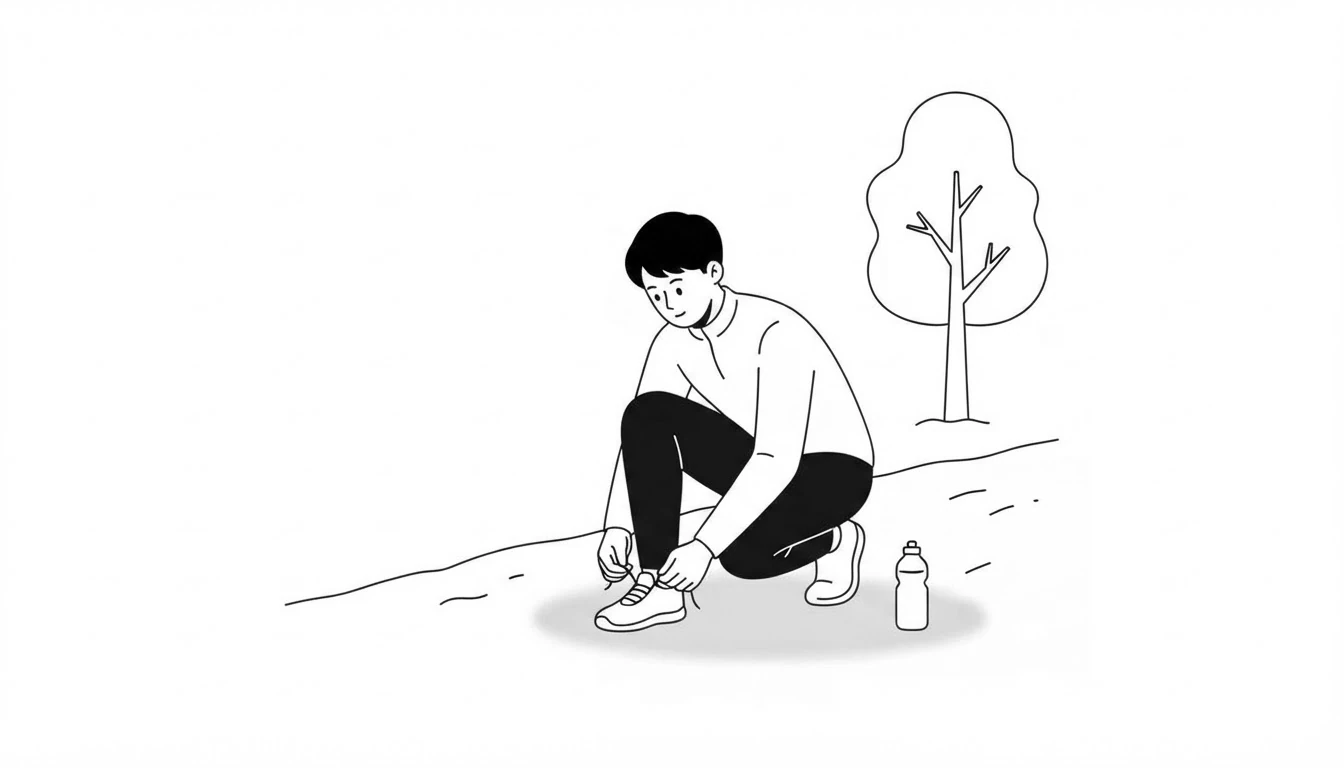
- I stopped to tie my shoelace. (me paré para atarme el cordón)
- She stopped smoking last year. (lo dejó)
Y un extra: need
También cambia con need: need + gerundio tiene significado pasivo. The car needs washing es lo mismo que The car needs to be washed (el coche necesita que lo laven).
Errores comunes con gerundio e infinitivo
| ❌ Incorrecto | ✅ Correcto | Por qué |
|---|---|---|
| I enjoy to swim. | I enjoy swimming. | Enjoy va siempre con -ing. |
| She decided leaving. | She decided to leave. | Decide va siempre con infinitivo. |
| I look forward to see you. | I look forward to seeing you. | Aquí to es una preposición y exige -ing. |
| My parents let me to go out. | My parents let me go out. | Detrás de let va el infinitivo sin to. |
| He stopped to smoke last year. | He stopped smoking last year. | Para decir «dejó de», stop + -ing. |
| I want going home. | I want to go home. | Want va con infinitivo. |
Gerundio o infinitivo en los exámenes de Cambridge
Este es un tema que cae una y otra vez en el Use of English de B2 First y C1 Advanced. En la Part 1 (multiple-choice cloze) y en la Part 2 (open cloze) es muy habitual que el hueco dependa de si el verbo siguiente va con to o con -ing. Y en la Part 4 (key word transformation) suelen pedirte una frase con un verbo de este tipo. Por ejemplo:
- I’m sorry I didn’t study harder. REGRET
I ______ harder. → regret not studying - He gave up smoking last year. STOPPED
He ______ last year. → stopped smoking
Fíjate en que en las dos hay que acertar con la forma que va detrás del verbo. En Writing y Speaking, además, usar bien estas estructuras con naturalidad es uno de los rasgos que distinguen un B2 de un nivel inferior.
Tabla resumen
| Grupo | Estructura | Verbos clave |
|---|---|---|
| 1 | verbo + -ing | enjoy, avoid, finish, mind, miss, risk |
| 2 | verbo + to + infinitivo | decide, hope, plan, promise, refuse, manage |
| 3 | verbo + infinitivo sin to | make, let, modal verbs |
| 4 | verbo + -ing / to + infinitivo (igual) | like, love, hate, start, begin, continue |
| 5 | verbo + -ing / to + infinitivo (distinto) | remember, forget, try, stop, regret, mean, go on |
¿El «gerundio» español es lo mismo que el gerund inglés?
No. El gerundio español (-ando, -iendo) se usa sobre todo para acciones en desarrollo («estoy comiendo»). El gerund inglés (-ing) funciona además como un sustantivo: puede ser sujeto (Swimming is fun) o ir detrás de una preposición. Por eso a veces se traduce por un infinitivo español: I enjoy swimming = «Disfruto nadando» o «Me gusta nadar».
¿Cómo sé si un verbo lleva -ing o to?
No hay una regla que sirva para todos. Mi consejo es aprender los verbos por grupos y fijarte en la pista: los verbos de gustos y de evitar suelen llevar -ing; los de planes, decisiones y deseos suelen llevar to + infinitivo.
¿Por qué «look forward to seeing»?
Porque en look forward to el to es una preposición, no parte del infinitivo, y detrás de las preposiciones va siempre el -ing. Pasa lo mismo con be used to, object to o in addition to.
Ejercicios de gerundio e infinitivo
Treinta frases para comprobar que lo tienes claro. Aquí abajo tienes tres ejercicios interactivos que se corrigen solos, así que sabrás al momento qué tal lo has hecho.
Y si prefieres una versión en texto que puedas copiar y pegar, la tienes aquí abajo 👇
Exercise 1: gerund or infinitive?
Choose the correct form to complete each sentence.
- I enjoy (to swim / swimming) in the sea.
- She decided (to leave / leaving) early.
- We are looking forward to (see / seeing) you.
- He can’t afford (to buy / buying) a new car.
- My parents never let me (go / to go) out on school nights.
- I’d love (to visit / visiting) Japan one day.
- They finished (to paint / painting) the house.
- He promised (to help / helping) me with my homework.
- I don’t mind (to wait / waiting) for a few minutes.
- It’s no use (to cry / crying) about it.
Ver respuestas
- swimming
- to leave
- seeing
- to buy
- go
- to visit
- painting
- to help
- waiting
- crying
Exercise 2: complete the sentences
Write the correct form of the verb in brackets: infinitive (with or without to) or -ing.
- Would you mind _______________ (open) the window?
- I hope _______________ (see) you soon.
- She avoided _______________ (answer) my question.
- He refused _______________ (pay) the bill.
- We enjoyed _______________ (walk) along the beach.
- They managed _______________ (finish) before the deadline.
- I can’t help _______________ (laugh) when I see him.
- My boss made me _______________ (work) late yesterday.
- She is learning _______________ (play) the guitar.
- I’m thinking of _______________ (change) jobs.
Ver respuestas
- opening
- to see
- answering
- to pay
- walking
- to finish
- laughing
- work
- to play
- changing
Exercise 3: same verb, different meaning
Choose the form that matches the meaning of each sentence.
- I’ll never forget (to meet / meeting) the president. I still remember it.
- Don’t forget (to lock / locking) the door when you leave.
- He stopped (to buy / buying) a coffee on the way to work. Then he continued walking.
- She stopped (to smoke / smoking) last year, and she feels much healthier.
- I tried (to open / opening) the window, but it was stuck.
- If you have a headache, try (to drink / drinking) more water. It might help.
- I regret (to tell / telling) you that your application was unsuccessful.
- I regret (to tell / telling) him my secret. I shouldn’t have said anything.
- I didn’t mean (to hurt / hurting) you. It was an accident.
- Changing jobs will mean (to move / moving) to another city.
Ver respuestas
- meeting
- to lock
- to buy
- smoking
- to open
- drinking
- to tell
- telling
- to hurt
- moving
Conclusión
Resumiendo en tres ideas: no hay una regla única, así que aprende los verbos por grupos; fíjate en la pista (gustos y evitar suelen llevar -ing; planes y decisiones suelen llevar to); y cuidado con los siete verbos que cambian de significado, porque ahí un error te hace decir otra cosa distinta de la que querías.
Si quieres seguir con estructuras parecidas, mira mi guía de reporting verbs, donde muchos verbos tienen sus propias estructuras con infinitivo, gerundio o that.
¿Te ha parecido útil este post? Compártelo con otros estudiantes y profesores de inglés. Y si quieres más contenido como este, suscríbete a mi newsletter y sígueme en Facebook, Twitter, Pinterest, Instagram y YouTube.
Nos vemos en el próximo post. Hasta entonces, don’t forget to keep smiling! 🙂
