
Tabla de contenidos
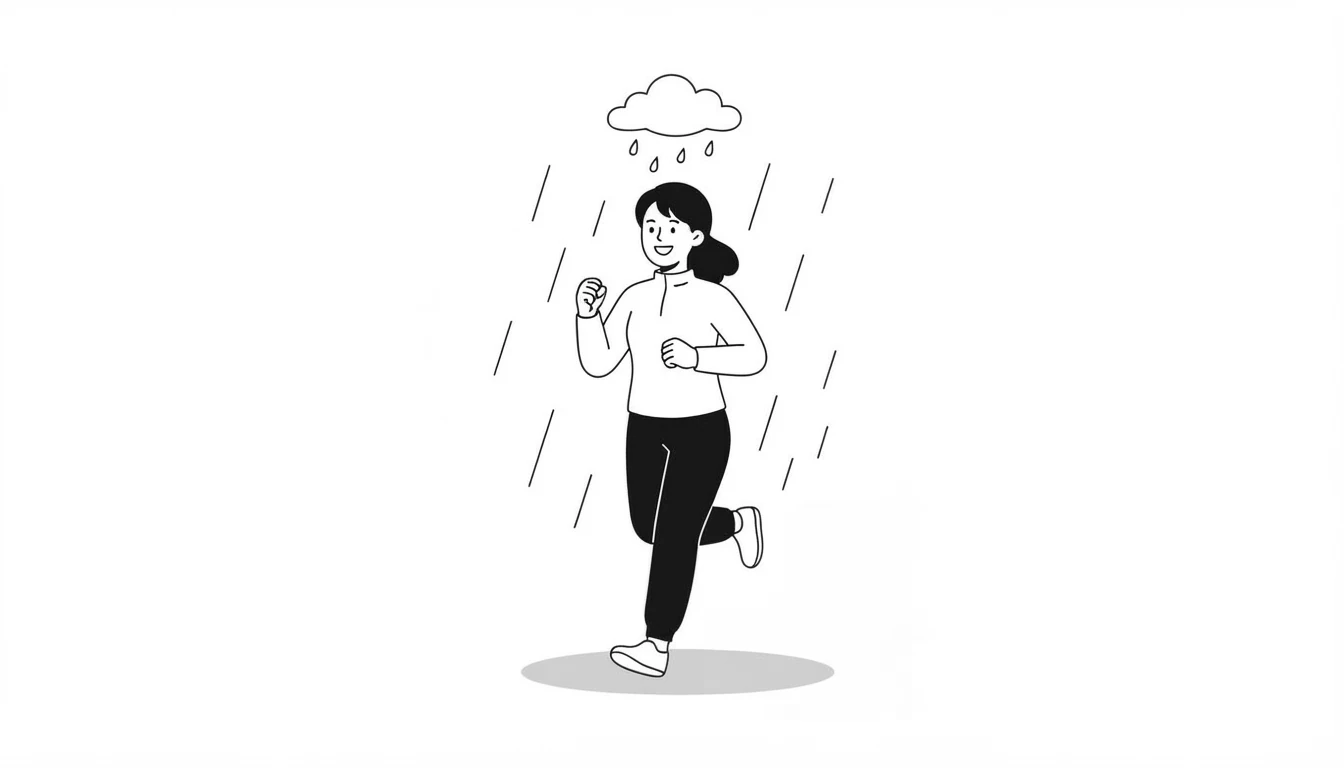
Si alguna vez has escrito Despite of the rain o has dudado entre Despite it was raining y Although it was raining, no estás solo. En español lo resolvemos todo con «a pesar de» y «aunque», así que es normal que en inglés cueste saber qué palabra va con qué estructura. Y no es un detalle menor: despite, in spite of y although son de los conectores que más se confunden en los exámenes de Cambridge.
No te preocupes, porque la regla es sencilla y solo hay que fijarse en lo que viene después. En esta guía te explico qué significa cada uno, cuándo usar despite y in spite of (y por qué despite of es un error), cuándo usar although, even though y though, cómo pasar de una estructura a otra y los errores que más veo en clase. Al final tienes treinta frases de ejercicios con soluciones. ¡Vamos allá! 🙂
Qué significan despite, in spite of y although
Los tres expresan contraste: algo ocurre aunque lo esperable sería lo contrario. En español, todos se traducen por «a pesar de» o «aunque». La diferencia no está en el significado, sino en la gramática:
- Despite e in spite of son preposiciones (a pesar de). Van seguidas de un sustantivo, un pronombre o un verbo en -ing.
- Although, even though y though son conjunciones (aunque). Van seguidas de un sujeto y un verbo, es decir, de una oración completa.
| Despite / in spite of | Although / even though / though | |
|---|---|---|
| Tipo de palabra | Preposición | Conjunción |
| Va seguido de… | Sustantivo, pronombre o -ing | Sujeto + verbo |
| Se traduce por… | «a pesar de» | «aunque», «a pesar de que» |
| Ejemplo | Despite the rain, we went out. | Although it was raining, we went out. |
Si te quedas con una sola idea de todo el post, que sea esta: después de despite no hay sujeto y verbo conjugado; después de although, siempre.
Despite e in spite of: significado y estructura
¿Hay alguna diferencia entre despite e in spite of?
En significado, ninguna: He got the job despite his lack of experience y He got the job in spite of his lack of experience quieren decir exactamente lo mismo. Despite es más corta y algo más formal; in spite of es más habitual en conversación. La única diferencia práctica es que in spite of lleva siempre of y despite no lleva nada.
Despite / in spite of + sustantivo o pronombre
La estructura más frecuente es despite / in spite of + sustantivo:
- Despite the rain, we had a great picnic.
- She passed the exam in spite of her nerves.
- Despite this, I still think it’s a good idea. (this, that, it, them… funcionan como pronombres).
Despite / in spite of + -ing
Cuando después de «a pesar de» iría un verbo, en inglés usamos la forma en -ing:
- Despite feeling tired, she kept working.
- He didn’t stop in spite of having a headache.
- Despite being only sixteen, she speaks four languages.
Ojo con un detalle: cuando usas -ing, el sujeto suele ser el mismo de la oración principal (she feeling tired → she kept working). Si los sujetos son distintos, es mejor usar la estructura siguiente.
Despite / in spite of the fact that + oración
Si quieres seguir con un sujeto y un verbo conjugado después de despite o in spite of, necesitas añadir the fact that:
- Despite the fact that it was raining, we went out.
- In spite of the fact that he is very rich, he lives simply.
Es una forma más larga y formal, pero muy útil para el Writing. ✅ Despite the fact that it was late… ❌ Despite that it was late….
El error «despite of»
Es el error más frecuente con estas palabras, y entiendo por qué ocurre: despite e in spite of significan lo mismo y se mezclan en la cabeza. El resultado es un híbrido que no existe:
- ❌ Despite of the rain, we went out. → ✅ Despite the rain, we went out.
- ❌ In spite the rain, we went out. → ✅ In spite of the rain, we went out.
- ❌ Inspite of the rain, we went out. → ✅ In spite of the rain, we went out. (Son tres palabras).
Truco para no fallar: despite es una palabra sola y no necesita nada más; in spite of son tres palabras y siempre termina en of. Si escribes las dos, sobra una.
Although, even though y though
Although + sujeto + verbo
Para unir dos oraciones completas con contraste, usamos although + sujeto + verbo:
- Although it was raining, we went out.
- I like her, although she can be quite rude.
Y aquí viene un error muy típico del español, donde sí podemos decir «aunque… pero»: en inglés nunca se usa but en la misma frase. ❌ Although it was raining, but we went out → ✅ Although it was raining, we went out.
Even though: aunque con más énfasis
Even though significa lo mismo que although, pero añade énfasis: «a pesar de que», «aun cuando». Se usa cuando el contraste es sorprendente:
- She stayed in the race even though she had hurt her ankle.
Recuerda que la forma correcta es siempre even though: ❌ Even although → ✅ Even though.
Though: la versión informal
Though se usa igual que although y es más informal. Además tiene un uso especial que no tienen los demás: puede ir al final de la frase, con el significado de «sin embargo», típico del inglés hablado:
- I like her, though she can be rude. (Como although).
- The film was long. I enjoyed it, though. (Al final, con el valor de «aun así»).
Although con adjetivos
En registros algo más formales, although admite un adjetivo o un participio sin sujeto ni verbo cuando el sujeto es el mismo de la oración principal: Although tired, she went to the party. (Equivale a Although she was tired…). Es una forma elegante para el Writing de B2 y C1.
Posición y puntuación
Los tres tipos de estructura pueden ir al principio o en medio de la frase. La diferencia está en la coma:
- Al principio: hay coma después de la primera parte: Although it was raining, we went out. / Despite the rain, we went out.
- En medio: normalmente sin coma: We went out although it was raining. / We went out despite the rain.
Con though al final de la frase, en cambio, sí lleva coma delante: It was cold, though.
Cómo transformar una frase con although en una con despite
Esta es la habilidad que más se pide en los exámenes. Partimos de una frase con although y la pasamos a despite o in spite of con los tres métodos:
| Método | Ejemplo |
|---|---|
| Frase original | Although the weather was terrible, we enjoyed the trip. |
| 1. Sustantivo | Despite the terrible weather, we enjoyed the trip. |
| 2. The fact that + oración | Despite the fact that the weather was terrible, we enjoyed the trip. |
| 3. -ing (mismo sujeto) | Although she was tired, she kept working. → Despite being tired, she kept working. |
Para decidir el método, hazte esta pregunta: ¿puedo convertir la oración en un sustantivo (the weather was terrible → the terrible weather)? Si es así, usa el método 1. Si el sujeto es el mismo en las dos partes, el método 3. Y si no te sale ninguno, el método 2 siempre funciona.
Despite y although frente a but y however
But y however también expresan contraste, pero con gramática distinta. No se combinan con although en la misma frase:
| Conector | Estructura | Ejemplo |
|---|---|---|
| although / even though | + sujeto + verbo | Although it was late, we kept talking. |
| despite / in spite of | + sustantivo / -ing | Despite the late hour, we kept talking. |
| but | entre dos oraciones, con coma | It was late, but we kept talking. |
| however / nevertheless | inicio de oración, con coma | It was late. However, we kept talking. |
Si quieres ver cómo se combinan con el resto de conectores del nivel, tienes mi guía de conectores para el B2 y la de conectores para el C1.
Errores comunes con despite, in spite of y although
- ❌ Despite of the rain… → ✅ Despite the rain… (despite no lleva of).
- ❌ In spite the rain… → ✅ In spite of the rain…
- ❌ Despite it was raining… → ✅ Although it was raining… (Después de despite, nada de sujeto + verbo).
- ❌ Although the rain, we went out. → ✅ Despite the rain, we went out. (Después de although, nada de sustantivo solo).
- ❌ Although it was raining, but we went out. → ✅ Although it was raining, we went out.
- ❌ Despite to be tired… → ✅ Despite being tired… (Con -ing, no con to).
- ❌ Despite that it was late… → ✅ Despite the fact that it was late…
- ❌ Even although he was late… → ✅ Even though he was late…
Despite, in spite of y although en los exámenes de Cambridge
Los conectores de contraste son contenido básico del B2 First y del C1 Advanced, y estas estructuras aparecen sobre todo en tres sitios:
- Use of English. Las transformaciones con palabra clave suelen incluir despite, in spite of o although, y se trata justo de lo que hemos visto: pasar de una estructura a otra. Un ejemplo del estilo del examen:
- Maria went to work although she had a cold. DESPITE → Maria went to work despite having a cold.
- Writing. Usar although, despite y even though en lugar de repetir but te ayuda a mostrar rango gramatical, que es uno de los criterios de evaluación. Un essay de B2 o C1 con Despite the fact that… bien usado suena mucho más elaborado.
- Speaking. Al comparar fotos o dar tu opinión, Although it looks expensive, I think… te permite matizar y desarrollar la respuesta.
Tabla resumen
Conector Estructura Registro Ejemplo despite + sustantivo / pronombre / -ing Algo formal Despite the rain, we went out. in spite of + sustantivo / pronombre / -ing Neutro In spite of feeling ill, he went to work. despite / in spite of the fact that + sujeto + verbo Formal Despite the fact that it was late, we stayed. although + sujeto + verbo Neutro Although it was late, we stayed. even though + sujeto + verbo (más énfasis) Neutro Even though it was late, we stayed. though + sujeto + verbo, o al final de la frase Informal It was late, though. Preguntas frecuentes sobre despite, in spite of y although
¿Se puede decir «despite of»?
No. Despite nunca lleva of. Si quieres usar of, la expresión correcta es in spite of.
¿Qué diferencia hay entre despite e in spite of?
Ninguna de significado. Despite es una palabra, algo más formal; in spite of son tres palabras y se oye más en conversación. Las dos van seguidas de sustantivo, pronombre o -ing.
¿Se puede usar although con un sustantivo?
No. Although necesita sujeto y verbo. Si lo que sigue es solo un sustantivo (the rain), usa despite o in spite of.
¿Cuál es la diferencia entre although y even though?
El significado es el mismo, pero even though es más enfático. Se usa cuando el contraste es más sorprendente o quieres subrayarlo.
¿Se pone coma después de despite?
Solo cuando el bloque va al principio de la frase: Despite the rain, we went out. Si va en medio, normalmente no: We went out despite the rain.
¿Puedo usar «but» con although?
No. En inglés se usa uno u otro: Although it was raining, we went out o It was raining, but we went out.
Ejercicios de despite, in spite of y although
Treinta frases para comprobar que lo tienes claro. Aquí abajo tienes tres ejercicios interactivos que se corrigen solos, así que sabrás al momento qué tal lo has hecho.
Y si prefieres una versión en texto que puedas copiar y pegar, la tienes aquí abajo 👇
Exercise 1: despite or although?
Choose the correct option in each sentence.
- _______________ (Despite / Although) the rain, we had a great picnic.
- _______________ (Despite / Although) it was raining, we had a great picnic.
- She passed the exam _______________ (in spite of / despite of) studying very little.
- _______________ (Although / Despite) feeling ill, he went to work.
- He kept smiling _______________ (even though / in spite of) he was very nervous.
- _______________ (Despite / Although) the fact that it was expensive, we bought it.
- I like her, _______________ (though / despite) she can be quite rude.
- We enjoyed the trip, _______________ (despite / although) the long journey.
- The film was boring. We stayed until the end, _______________ (though / despite).
- _______________ (In spite of / Although) she is only sixteen, she speaks four languages.
Ver respuestas
- Despite
- Although
- in spite of
- Despite
- even though
- Despite
- though
- despite
- though
- Although
Exercise 2: complete the sentences
Complete each sentence with despite, in spite of, although or even though. Sometimes more than one answer is possible.
- We went for a walk _______________ the cold weather.
- _______________ he has a good salary, he never saves any money.
- She got the job _______________ having no experience.
- I went to the party _______________ I felt really tired.
- _______________ his injury, he finished the race.
- He is very generous _______________ he doesn’t have much money.
- They bought the house _______________ the fact that it was far from the city.
- _______________ it was my birthday, I had to work all day.
- She is always cheerful, _______________ all her problems.
- The match went ahead _______________ the heavy rain.
Ver respuestas
- despite / in spite of
- Although / Even though
- despite / in spite of
- although / even though
- Despite / In spite of
- although / even though
- despite / in spite of
- Although / Even though
- despite / in spite of
- despite / in spite of
Exercise 3: right or wrong?
Decide whether each sentence is correct. If it’s wrong, correct it.
- Despite of the rain, we went out.
- Although it was cold, we went swimming.
- In spite the traffic, we arrived on time.
- Although he was tired, but he kept working.
- She went to work despite being ill.
- Despite he was ill, he went to work.
- Inspite of the rain, we had fun.
- Despite the fact that it was late, we kept talking.
- Although of the rain, the match went ahead.
- In spite of studying hard, he failed.
Ver respuestas
- Wrong: Despite the rain, we went out. (or: In spite of the rain, …)
- Right.
- Wrong: In spite of the traffic, we arrived on time. (or: Despite the traffic, …)
- Wrong: Although he was tired, he kept working. (or: He was tired, but he kept working.)
- Right.
- Wrong: Although he was ill, he went to work. (or: Despite being ill, / Despite the fact that he was ill, …)
- Wrong: In spite of the rain, we had fun. (or: Despite the rain, …)
- Right.
- Wrong: Despite the rain, the match went ahead. (or: Although it was raining, …)
- Right.
Conclusión
Resumiendo en tres ideas: despite e in spite of van con sustantivo, pronombre o -ing y significan lo mismo; although, even though y though van con sujeto + verbo y nunca con but; y despite of no existe: o despite, o in spite of.
Si quieres seguir con este tema, el siguiente paso natural es mi guía de conectores para el B2.
¿Te ha parecido útil este post? Compártelo con otros estudiantes y profesores de inglés. Y si quieres más contenido como este, suscríbete a mi newsletter y sígueme en Facebook, Twitter, Pinterest, Instagram y YouTube.
Nos vemos en el próximo post. Hasta entonces, don’t forget to keep smiling! 🙂
