
Tabla de contenidos
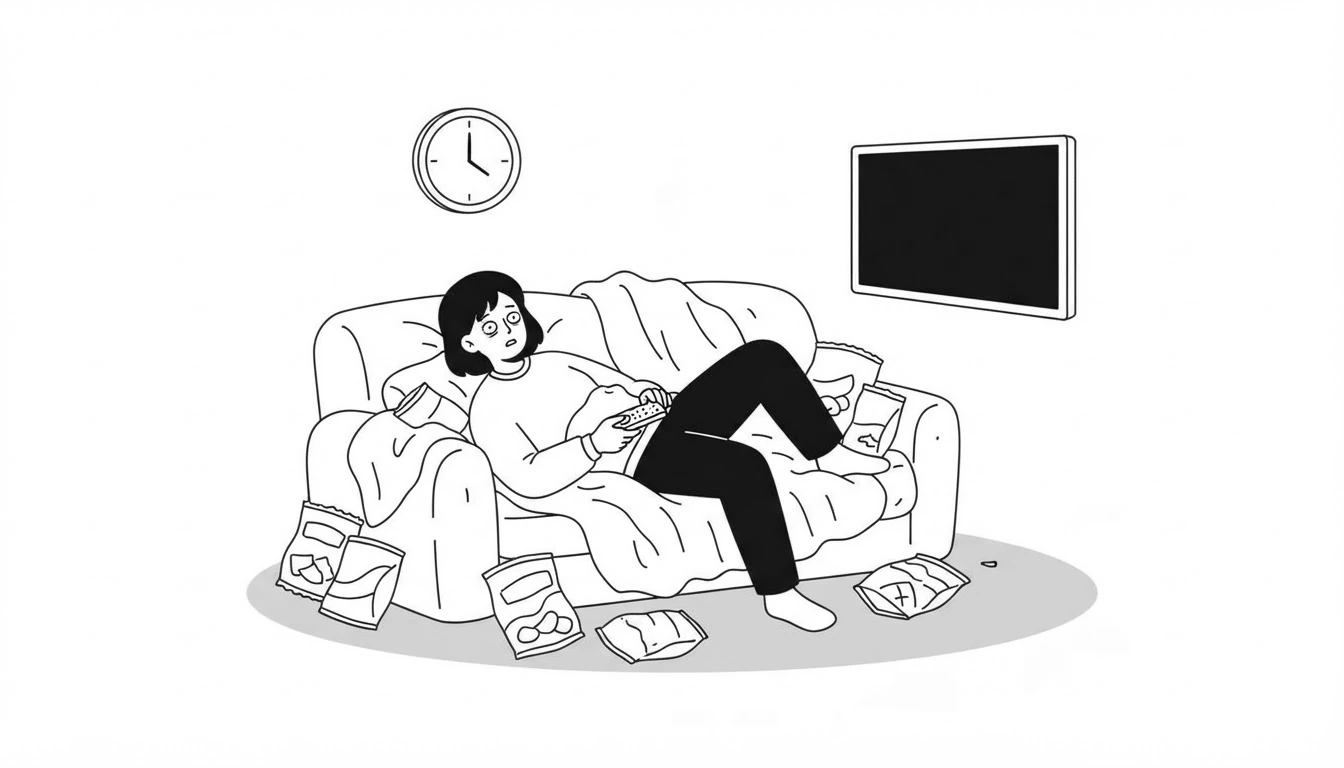
Empiezas hoy la nueva temporada de tu serie favorita. Son cuarenta episodios. Si no paras, para cuando llegues al final, llevarás treinta horas seguidas frente a la pantalla. En inglés, esa hazaña se cuenta así: By the time I finish the series, I will have been watching it for thirty hours. Lo que importa no es qué verás, sino cuánto tiempo llevarás haciéndolo cuando llegues a ese momento. Eso es el future perfect continuous (en español, futuro perfecto continuo): el tiempo que sirve para decir cuánto habrá durado una actividad hasta un momento del futuro.
Es el tiempo más largo de todos (will have been doing, cuatro palabras), el menos frecuente y el que más asusta. Pero es sencillo si ya conoces sus piezas: will have (del future perfect) y been + -ing (del present perfect continuous). En esta guía te explico cómo se forma, cuándo se usa de verdad, en qué se diferencia del future perfect simple, del future continuous y del present perfect continuous, los errores típicos, cómo te ayuda en los exámenes de Cambridge y cómo usarlo para presumir de aniversarios (y de maratones de series). Al final hay treinta frases de ejercicios con soluciones. ¡Vamos allá! 🙂
El future perfect continuous de un vistazo
| Future perfect continuous | |
|---|---|
| Forma | will have been + verbo en -ing |
| Para qué sirve | Hablar de cuánto tiempo habrá durado una actividad hasta un momento del futuro |
| Ejemplo | By June, I will have been working here for five years. |
| Español | «En junio llevaré cinco años trabajando aquí» (habré estado trabajando) |
| Palabras que lo acompañan | for, since, how long, by, by the time, when, next month / year |
Qué es el future perfect continuous
Es el present perfect continuous (I have been working) y el past perfect continuous (I had been working) llevados al futuro. Eliges un punto del futuro y dices cuánto tiempo llevará ocurriendo una actividad en ese momento. La actividad empieza en el pasado o en el presente y llega hasta ese punto, y puede que siga después:
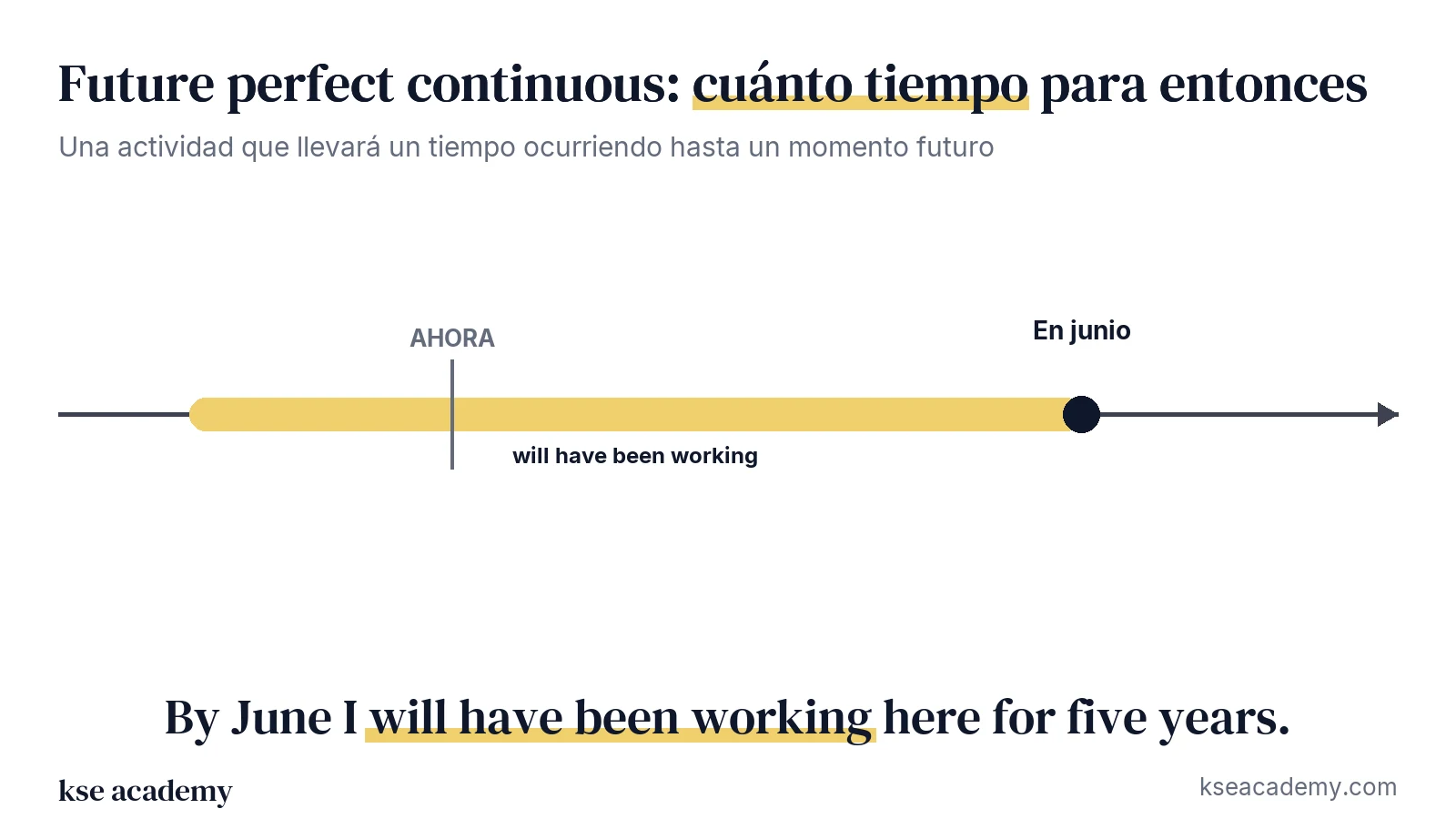
Lo que destaca es la duración: no se trata de si habrás terminado, sino de cuánto llevarás haciéndolo.
Cómo se forma el future perfect continuous
La forma es siempre will have been + verbo con -ing, para todas las personas.
Afirmativa, negativa y pregunta
| Forma | Estructura | Ejemplo |
|---|---|---|
| Afirmativa | sujeto + will have been + -ing | She will have been working. |
| Negativa | sujeto + won’t have been + -ing | She won’t have been working. |
| Pregunta | Will + sujeto + have been + -ing…? | Will she have been working? |
| Con palabra interrogativa | palabra interrogativa + will + sujeto + have been + -ing…? | How long will she have been working? |
| Respuesta corta | Yes, she will. / No, she won’t. | Will you have been waiting long? Yes, I will. |
Contracciones y pronunciación
| Forma completa | Contracción |
|---|---|
| I will have been waiting | I’ll have been waiting |
| She will have been sleeping | She’ll have been sleeping |
| They will not have been working | They won’t have been working |
En el habla, las palabras funcionales se reducen: I’ll have been waiting suena más o menos /aɪl əv bɪn ˈweɪtɪŋ/, con have como /əv/ y been como /bɪn/ (la schwa y las formas débiles). Si pronuncias las cuatro palabras claras, suena lento y poco natural.
Cuándo se usa el future perfect continuous
1. La duración de una actividad hasta un momento futuro
Es el uso principal. Casi siempre va con for y un momento futuro (by June, by the time, when…):
- By June, I will have been working here for five years.
- When I finish this course, I will have been learning English for twenty years.
- By 10 p.m., they will have been driving for eight hours.
2. La causa de un resultado futuro
Lo usamos para anticipar el estado en que estará alguien por lo que habrá estado haciendo:
- When he arrives, he’ll be exhausted. He will have been driving for ten hours.
- She’ll be starving by lunch: she will have been working since six.
3. Aniversarios e hitos
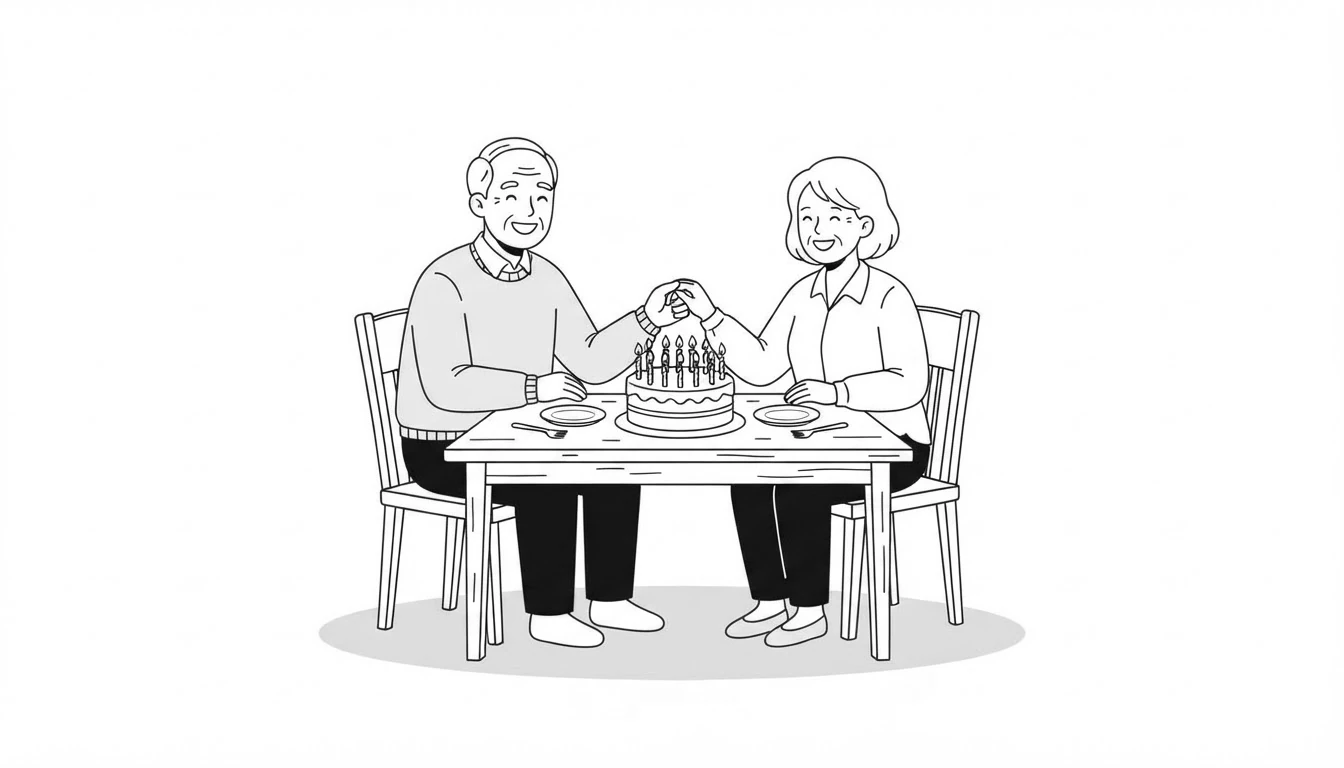
- Next month, we will have been married for twenty years.
- In March, the company will have been operating for a decade.
4. Preguntar cuánto tiempo llevará
- How long will you have been working here by the time you retire?
- How long will they have been waiting when the train finally arrives?
5. Con «for» y «since»
- By next week, I will have been waiting for the parcel for a month.
- By September, she will have been studying since January.
Expresiones de tiempo que acompañan al future perfect continuous
| Expresión | Qué indica | Ejemplo |
|---|---|---|
| for + periodo | durante cuánto tiempo | I’ll have been working for five years. |
| since + momento | desde cuándo | I’ll have been working since 2021. |
| by + momento futuro | para entonces | By June, I’ll have been here for a year. |
| by the time + presente | para cuando | By the time you arrive, I’ll have been waiting for an hour. |
| when + presente | cuando | When he retires, he’ll have been teaching for forty years. |
| how long | pregunta por la duración | How long will you have been living here? |
| next month / next year | el momento de referencia | Next year, we’ll have been together for ten years. |
Future perfect continuous frente a future perfect simple
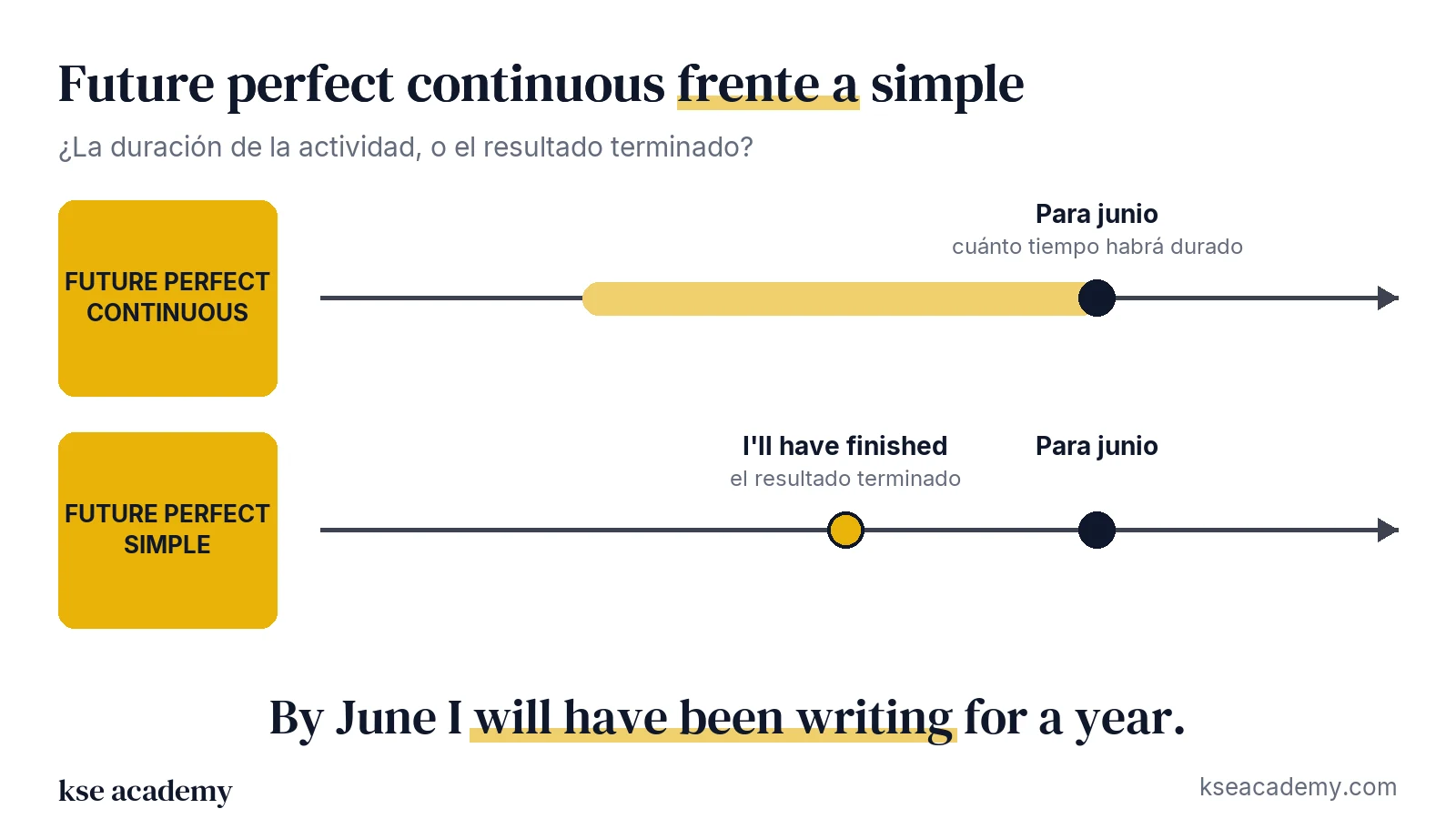
Esta comparación tiene muchas búsquedas, y se resuelve con una pregunta. Si te interesa la duración o la actividad, usa el continuo. Si te interesa el resultado o la cantidad, usa el simple:
| Future perfect continuous | Future perfect simple |
|---|---|
| By June, I will have been writing this book for two years. (Duración: dos años.) | By June, I will have written three chapters. (Resultado: tres capítulos.) |
| How long will you have been working? (¿Cuánto tiempo?) | How many reports will you have written? (¿Cuántos?) |
| By then, she’ll have been painting all day. (La actividad.) | By then, she’ll have painted the whole room. (Terminado.) |
Y con los verbos de estado (know, be, have, like, want…), siempre el simple: By next year, I will have known her for ten years (y no will have been knowing). Mira la guía de stative verbs y dynamic verbs.
Future perfect continuous frente a future continuous
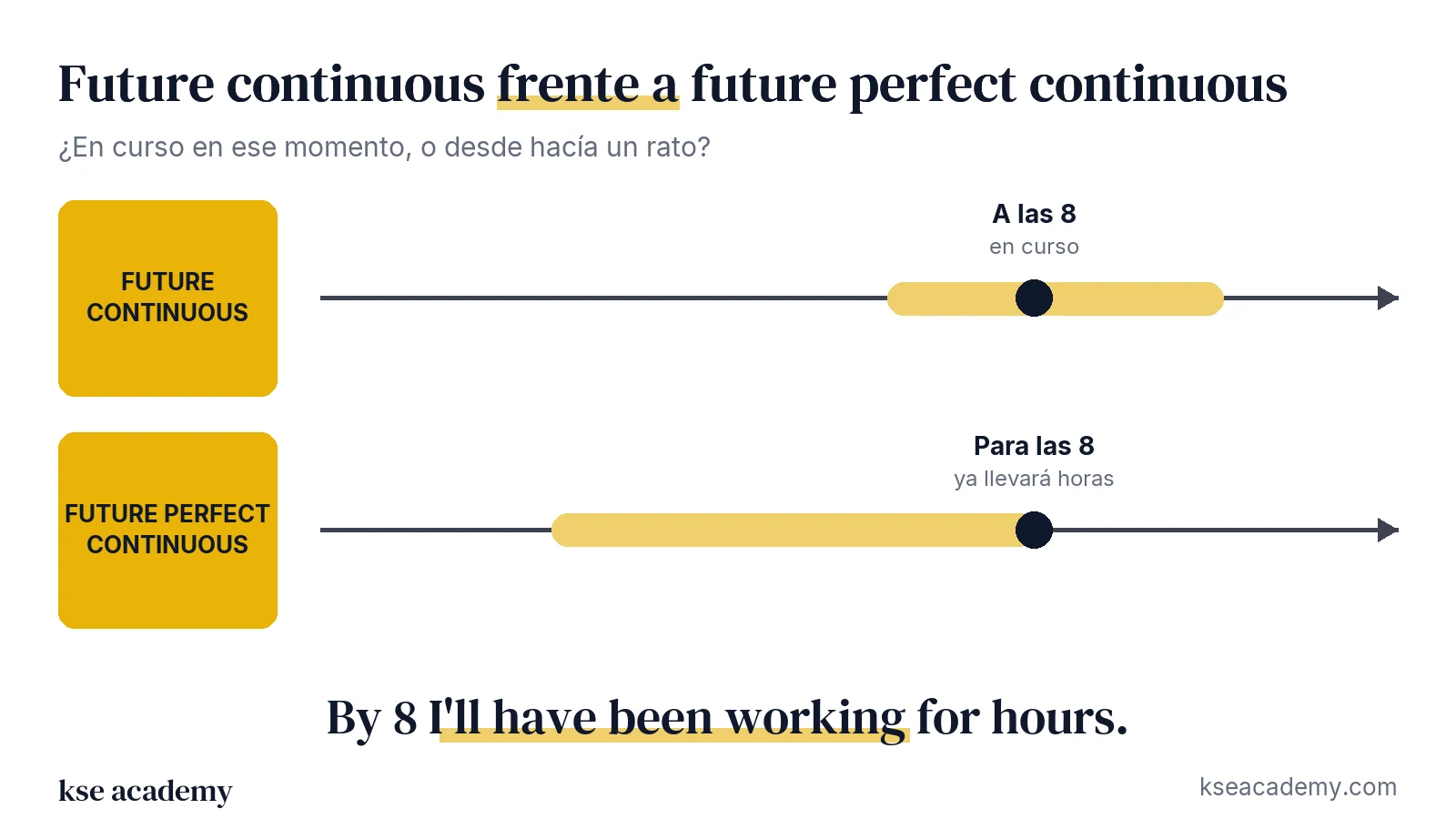
El future continuous habla de lo que estará en curso en un momento; el future perfect continuous añade que ya llevará un rato:
| Tiempo | Ejemplo | Significado |
|---|---|---|
| Future continuous | At 8 I’ll be working. | A las 8 estaré trabajando. |
| Future perfect continuous | By 8 I’ll have been working for hours. | Para las 8 llevaré horas trabajando. |
Future perfect continuous frente a present perfect continuous
Los dos hablan de cuánto tiempo lleva ocurriendo algo, pero desde un punto distinto. El present perfect continuous lo mide hasta ahora; el future perfect continuous, hasta un momento futuro:
| Tiempo | Ejemplo | Significado |
|---|---|---|
| Present perfect continuous | I have been working here for four years. | Llevo cuatro años trabajando aquí. |
| Future perfect continuous | By June, I will have been working here for five years. | En junio llevaré cinco años trabajando aquí. |
Los cuatro futuros, de un vistazo
Ya has visto el future simple, el continuous, el perfect y el perfect continuous. Aquí los tienes juntos, con una frase de cada uno:
| Tiempo | Ejemplo | Para qué |
|---|---|---|
| Future simple | I will finish. | El hecho, una decisión o una promesa. |
| Future continuous | At 8 I will be working. | En curso en ese momento. |
| Future perfect | By 8 I will have finished. | Terminado antes de ese momento. |
| Future perfect continuous | By 8 I will have been working for hours. | Cuánto tiempo llevará en curso. |
Español frente a inglés: dónde nos confundimos
El español no suele usar «habré estado + gerundio» (suena forzado) y dice lo mismo con «llevaré + gerundio». Es la equivalencia más útil:
| 🇪🇸 Español | 🇬🇧 Inglés | Qué pasa |
|---|---|---|
| En junio llevaré cinco años trabajando aquí. | By June I will have been working here for five years. | «Llevaré + gerundio» equivale a will have been + -ing. |
| Cuando llegues, ya llevaré una hora esperando. | By the time you arrive, I will have been waiting for an hour. | Después de by the time, presente. |
| El mes que viene hará veinte años que estamos casados. | Next month we will have been married for twenty years. | Verbo de estado (be married): will have been, sin -ing. |
| Para entonces ya conocerás a Ana desde hace diez años. | By then you will have known Ana for ten years. | Verbos de estado: future perfect simple, no continuous. |
Errores comunes con el future perfect continuous
| ❌ Incorrecto | ✅ Correcto | Por qué |
|---|---|---|
| By June I will have been work here. | By June I will have been working here. | Después de been, el verbo lleva -ing. |
| She will have being waiting. | She will have been waiting. | Es been, no being. |
| I will been working all day. | I will have been working all day. | Falta have: es will have been. |
| We will have been knowing each other for ten years. | We will have known each other for ten years. | Know es un verbo de estado: simple. |
| By the time you will get home, I’ll have been cooking. | By the time you get home, I’ll have been cooking. | Después de by the time, presente. |
| Will have you been studying? | Will you have been studying? | En preguntas: Will + sujeto + have been. |
| I will have been reading three books by June. | I will have read three books by June. | Con cantidades (three) se usa el simple. |
El future perfect continuous en los exámenes de Cambridge
Es el tiempo menos frecuente, pero se espera que lo reconozcas y lo uses a partir del B2 First, y sobre todo en el C1 Advanced:
- Use of English (Part 4, key word transformations) en B2 First y C1 Advanced: con palabras clave como BEEN, FOR o el verbo en -ing.
- Writing en B2 First y C1 Advanced: en ensayos y cartas, para dar énfasis a una duración («By then, the problem will have been growing for decades»).
- Speaking: para presumir de experiencia («By next year I will have been teaching for ten years»).
Dos ejemplos del estilo del Use of English Part 4:
- I started working here in 2020. In 2025 it will be five years. BEEN
By 2025 I ______ working here for five years. → will have been - We left at six this morning and we will arrive at four. DRIVING
By the time we arrive, we ______ for ten hours. → will have been driving
Usos divertidos: maratones, colas y aniversarios
El future perfect continuous es perfecto para exagerar lo mucho que llevarás haciendo algo (y para que se enteren):
| Situación | Frase |
|---|---|
| La serie | By the time the finale starts, I will have been watching for fourteen hours. |
| La cola | By the time they open the doors, I will have been standing here for three hours. |
| El aniversario | Next month my sofa and I will have been together for ten years. |
| El examen | By the time the exam starts, I will have been studying for six hours. And I still won’t know anything. |
| Los padres | By Christmas, my parents will have been asking when I’ll get married for twelve years. |
| El trabajo | By Friday, I will have been pretending to work for a whole week. |
Tabla resumen del future perfect continuous
| Qué | Cómo | Ejemplo |
|---|---|---|
| Forma | will have been + -ing | I’ll have been working. |
| Negativa | won’t have been + -ing | I won’t have been working. |
| Pregunta | Will + sujeto + have been + -ing | Will you have been working? |
| Uso principal | Duración hasta un momento futuro | By June I’ll have been working here for five years. |
| Causa | Anticipar el estado de alguien | He’ll be exhausted: he’ll have been driving for ten hours. |
| Aniversarios | Hitos con duración | We’ll have been married for twenty years. |
Preguntas frecuentes sobre el future perfect continuous
¿Cuándo se usa el future perfect continuous?
Para hablar de cuánto tiempo habrá durado una actividad hasta un momento del futuro, para anticipar el estado de alguien por lo que habrá hecho y para marcar aniversarios e hitos.
¿Cómo se forma el future perfect continuous?
Con will have been + verbo en -ing: I will have been working. Para negar, won’t have been; para preguntar, Will you have been working?
¿Cuál es la diferencia entre future perfect simple y continuous?
El simple pone el foco en el resultado o en la cantidad (I’ll have written three chapters); el continuo, en la actividad y su duración (I’ll have been writing for two years).
¿Se puede usar con verbos de estado?
No. Con know, be, have, like, want, understand… se usa el future perfect simple: I’ll have known her for ten years.
¿Es lo mismo que el future continuous?
No. El future continuous habla de lo que estará en curso en un momento (At 8 I’ll be working). El future perfect continuous añade cuánto tiempo llevará haciéndolo (By 8 I’ll have been working for hours).
¿Es un tiempo muy usado?
No: es de los menos frecuentes. Pero aparece en exámenes (sobre todo en C1) y conviene reconocerlo. En la práctica, casi siempre lo verás con for y un momento futuro.
¿Cómo se traduce al español?
Casi siempre con «llevaré + gerundio»: By June I will have been working here for five years = «En junio llevaré cinco años trabajando aquí».
Ejercicios de future perfect continuous
Treinta frases para comprobar que lo tienes claro. Aquí abajo tienes tres ejercicios interactivos que se corrigen solos, así que sabrás al momento qué tal lo has hecho.
Y si prefieres una versión en texto que puedas copiar y pegar, la tienes aquí abajo 👇
Exercise 1: choose the correct form
Choose the correct option to complete each sentence.
- By the end of the month, I (will have read / will have been reading) three novels.
- By June, I (will have finished / will have been finishing) my thesis.
- When she arrives, she (will have been driving / will have driven) for ten hours, so she’ll be exhausted.
- In May, they (will have been living / will have been lived) here for twenty years.
- By next year, he (will have been knowing / will have known) her for a decade.
- By eight o’clock, I (will be cooking / will have been cooking) for two hours.
- How long (will you have been working / will you work) here when you retire?
- By the time you get home, the kids (will have been playing / will have played) outside all afternoon, so they’ll be tired.
- I (will have been waiting / will have waited) here since six, so I’ll be furious when you arrive.
- By the time I finish this course, I (will have learned / will have been learning) 500 new words.
Ver respuestas
- will have read
- will have finished
- will have been driving
- will have been living
- will have known
- will have been cooking
- will you have been working
- will have been playing
- will have been waiting
- will have learned
Exercise 2: complete the sentences
Complete each sentence with the future perfect continuous of the verb in brackets. Write only the missing words.
- By June, I _______________ (work) here for five years.
- By the time he arrives, he _______________ (drive) for ten hours.
- In July, they _______________ (live) in Madrid for a decade.
- By midnight, we _______________ (dance) for four hours.
- How long _______________ (you / study) when the exam starts?
- She _______________ (not / sleep) much by then, so she’ll be exhausted.
- By next week, I _______________ (wait) for the parcel for a month.
- By the end of the film, the children _______________ (sit) still for three hours.
- _______________ (they / negotiate) for long when the deal is signed?
- By Christmas, he _______________ (learn) English for two years.
Ver respuestas
- will have been working
- will have been driving
- will have been living
- will have been dancing
- will you have been studying
- won’t have been sleeping
- will have been waiting
- will have been sitting
- Will they have been negotiating
- will have been learning
Exercise 3: correct or incorrect?
Decide whether each sentence is correct. If it is incorrect, rewrite it correctly.
- By June, I will have been working here for five years.
- By June, I will have been work here for five years.
- By next year, we will have been knowing each other for ten years.
- How long will you have been living here by then?
- She will have being waiting for hours.
- By the time you arrive, I will been working all day.
- They will have been playing for two hours by five o’clock.
- By the time you will get home, I’ll have been cooking for an hour.
- By midnight, I will have been sleeping for three hours.
- Will have you been studying?
Ver respuestas
- Correct
- By June, I will have been working here for five years.
- By next year, we will have known each other for ten years.
- Correct
- She will have been waiting for hours.
- By the time you arrive, I will have been working all day.
- Correct
- By the time you get home, I’ll have been cooking for an hour.
- Correct
- Will you have been studying?
Conclusión
Resumiendo en tres ideas: el future perfect continuous (will have been + -ing) habla de cuánto tiempo habrá durado una actividad hasta un momento del futuro; se usa con for, by y by the time, casi siempre en español con «llevaré + gerundio»; y el simple pone el foco en el resultado, el continuo en la duración, y con verbos de estado se usa siempre el simple.
Con este tiempo cierras los doce tiempos verbales del inglés. Si quieres repasarlos, tienes las guías del Future Perfect, del Future Continuous y del Past Perfect Continuous. ¿Tienes dudas con el future perfect continuous? Escríbeme y te ayudo.
¿Te ha parecido útil este post? Compártelo con otros estudiantes y profesores de inglés. Y si quieres más contenido como este, suscríbete a mi newsletter y sígueme en Facebook, Twitter, Pinterest, Instagram y YouTube.
Nos vemos en el próximo post. Hasta entonces, don’t forget to keep smiling! 🙂
