
Tabla de contenidos
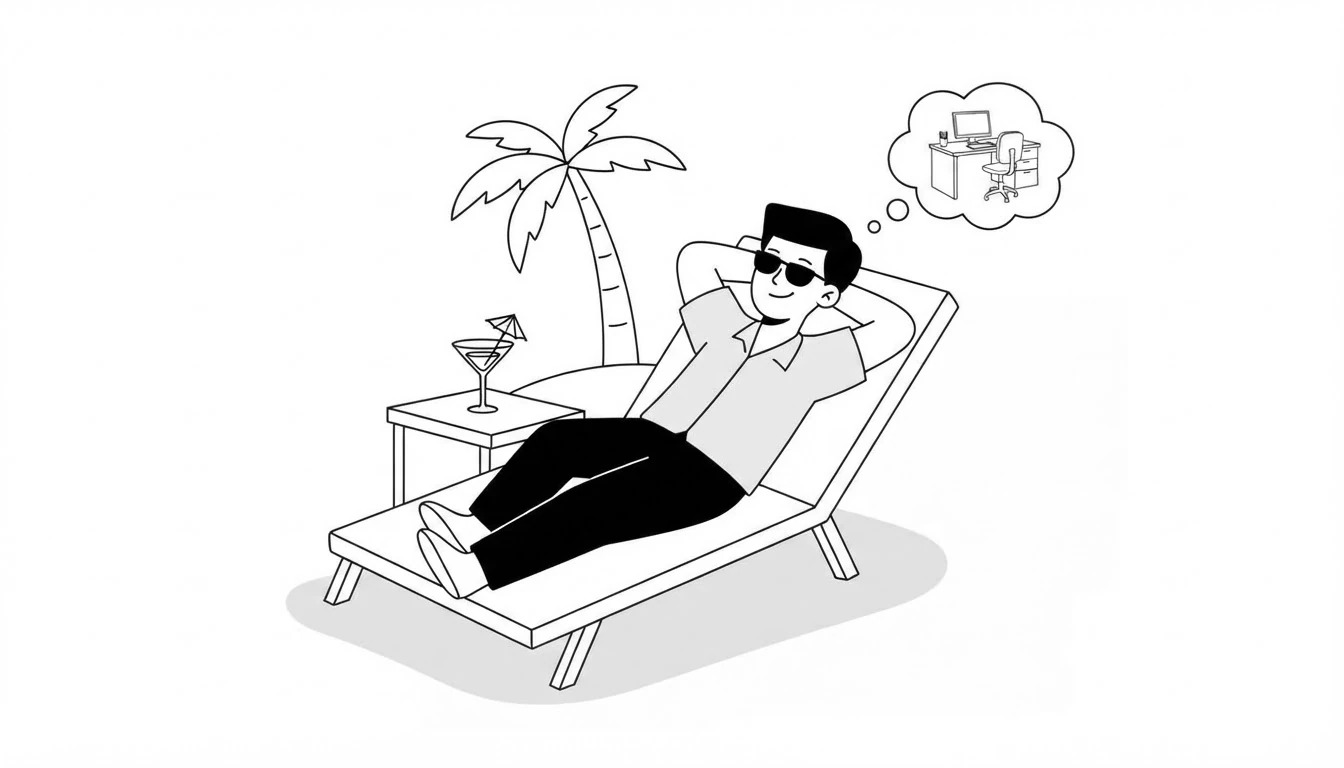
Lunes, nueve de la mañana. Estás en una reunión que podría haber sido un email. Pero tu compañero de al lado, ese que te cae tan bien, te susurra: This time next week I’ll be lying on a beach and you’ll be answering emails. Y tú, en lugar de llorar, tomas nota de la gramática: will be lying y will be answering. Eso es el future continuous (en español, futuro continuo o futuro progresivo): el tiempo que sirve para hablar de lo que estará en marcha en un momento concreto del futuro.
Es un tiempo que los nativos usan mucho y que a los hispanohablantes nos cuesta, porque en español existe «estaré + gerundio» pero lo usamos bastante menos que el inglés. En esta guía te explico cómo se forma, cuándo se usa (siete usos con ejemplos), en qué se diferencia del future simple, de going to y del future perfect, los errores típicos, cómo te ayuda en los exámenes de Cambridge y cómo usarlo para presumir de vacaciones o ponerte formal en un anuncio. Al final hay treinta frases de ejercicios con soluciones. ¡Vamos allá! 🙂
El future continuous de un vistazo
| Future continuous | |
|---|---|
| Forma | will be + verbo en -ing |
| Para qué sirve | Hablar de una acción que estará en curso en un momento del futuro |
| Ejemplo | This time tomorrow I will be flying to Madrid. |
| Español | «Mañana a esta hora estaré volando a Madrid» (estar + gerundio) |
| Palabras que lo acompañan | this time tomorrow / next week, at 8 tomorrow, when, while, all day, still |
Qué es el future continuous
Con el future continuous no hablas del momento en que empieza una acción, sino de que ya estará ocurriendo cuando llegues a ese momento. Imagina el futuro como una línea de tiempo: eliges un punto y dices «a esa hora, yo estaré en mitad de…».
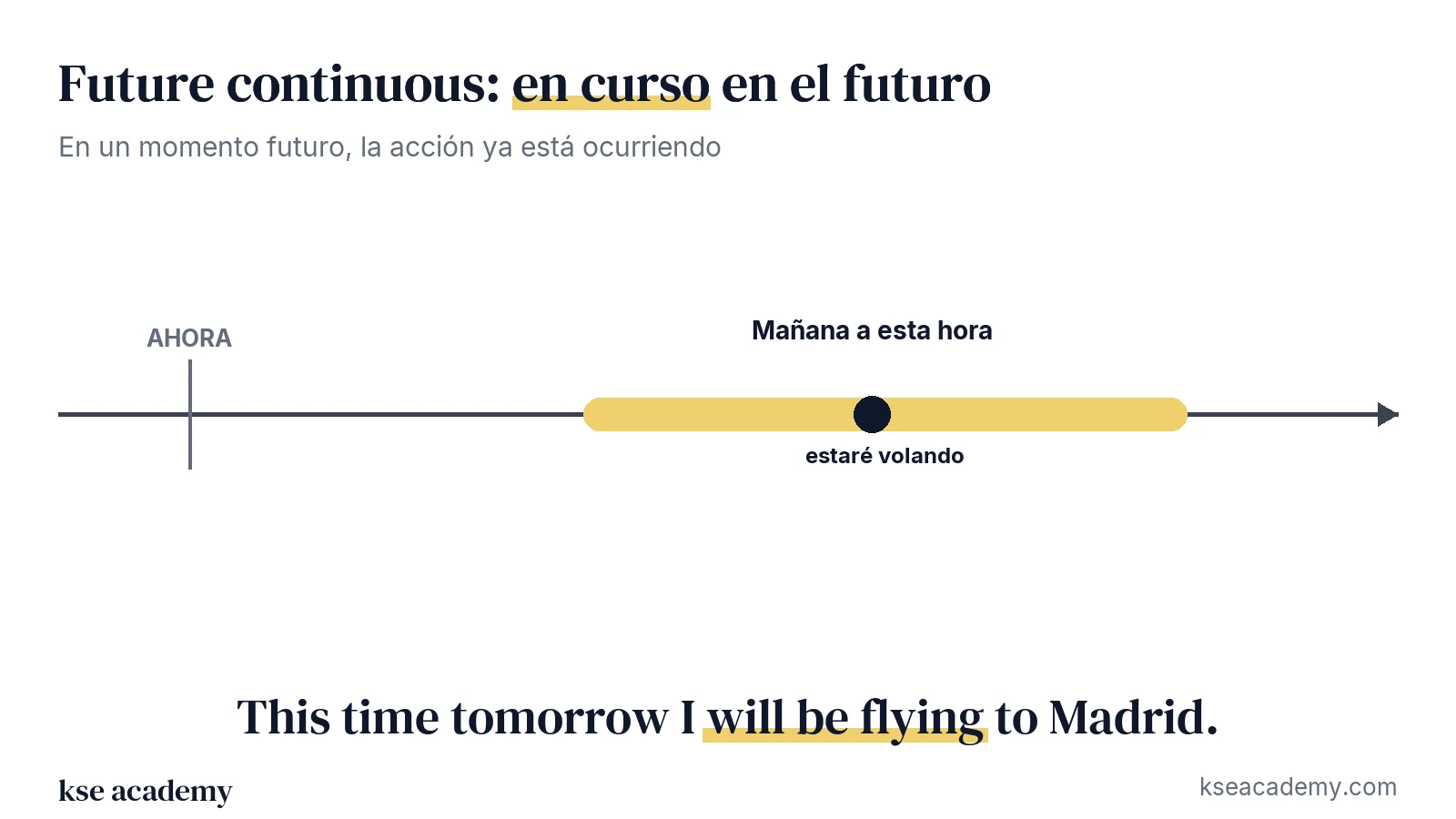
La acción empieza antes de ese momento y termina después. Por eso se llama «continuo»: en ese punto de la línea, la acción está «a medias».
Cómo se forma el future continuous
La forma es siempre will be + verbo con -ing, para todas las personas. No hay que conjugar nada: solo el -ing del verbo principal.
Afirmativa, negativa y pregunta
| Forma | Estructura | Ejemplo |
|---|---|---|
| Afirmativa | sujeto + will be + -ing | I will be working. |
| Negativa | sujeto + will not be (won’t be) + -ing | I won’t be working. |
| Pregunta | Will + sujeto + be + -ing…? | Will you be working? |
| Con palabra interrogativa | palabra interrogativa + will + sujeto + be + -ing…? | What will you be doing? |
| Respuesta corta | Yes, I will. / No, I won’t. | Will you be working? Yes, I will. |
Contracciones
| Forma completa | Contracción |
|---|---|
| I will be sleeping | I’ll be sleeping |
| She will be working | She’ll be working |
| They will not be coming | They won’t be coming |
Cómo se escribe el -ing
| Regla | Ejemplos |
|---|---|
| Normalmente, se añade -ing | work → working, play → playing |
| Si termina en -e, se pierde la -e | make → making, write → writing |
| Si es corto y termina en vocal + consonante, se dobla | run → running, sit → sitting |
| Si termina en -ie, pasa a -y | lie → lying, die → dying |
| En inglés británico, -l final se dobla | travel → travelling |
Es la misma regla que en el Present Continuous, así que si ya la conoces, ahí ganas tiempo.
Cuándo se usa el future continuous
1. Una acción en curso en un momento concreto del futuro
Es el uso principal. A esa hora, la acción ya habrá empezado y seguirá después:
- This time tomorrow I will be flying to Madrid.
- At nine on Saturday morning I’ll be sleeping. Don’t even think about calling.
- In ten years’ time, I’ll be living in Scotland.
2. Una acción larga que será interrumpida por otra
- When you arrive, I’ll be cooking. (Estaré cocinando cuando llegues.)
- I’ll be waiting for you outside when the film finishes.
Fíjate: tras when, el verbo va en presente (when you arrive), no en will. Es un error muy típico del hispanohablante, y lo verás en la tabla de errores.
3. Dos acciones en curso a la vez en el futuro
- Tomorrow at ten, I’ll be working and you’ll be sleeping.
- While I’m cooking, you’ll be setting the table.
4. Algo que va a ocurrir «porque tocaba», sin que sea una decisión
El future continuous se usa para hablar de acontecimientos que ocurrirán en el curso normal de las cosas, no como una decisión que tomas ahora:
- I’ll be seeing Ana tomorrow, so I can give her the book. (Voy a verla de todos modos.)
- I’ll be going to the supermarket later. Do you need anything?
Con I’ll see Ana parecería que acabas de decidir verla; con I’ll be seeing Ana, es un hecho que ya estaba en la agenda.
5. Preguntas educadas sobre los planes de alguien
Es una forma muy amable de preguntar, porque no suena a petición ni a presión:
- Will you be using the car tonight? (Si no lo usas, me lo llevo yo.)
- Will you be needing anything else? (Lo dice un camarero o un dependiente.)
- Will you be staying long?
6. Suposiciones sobre lo que está pasando ahora
Además de hablar del futuro, will be + -ing sirve para suponer lo que alguien está haciendo ahora mismo:
- Don’t call Paula now. She’ll be sleeping. (Estará durmiendo.)
- It’s eight o’clock. They’ll be having dinner by now.
7. Avisos y anuncios formales
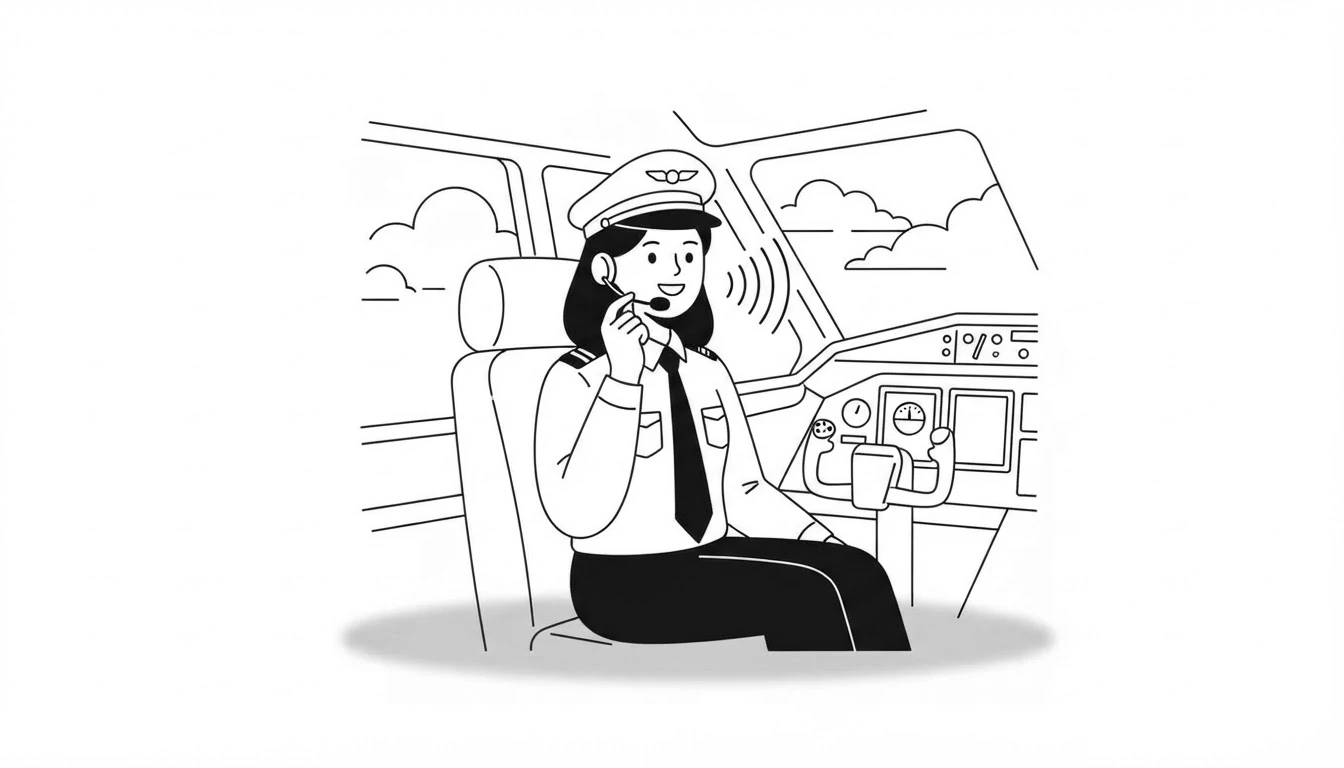
En un aeropuerto, una estación o un correo corporativo, el future continuous suena profesional y amable:
- Ladies and gentlemen, we will be landing in about twenty minutes.
- The meeting will be starting shortly.
- I will be arriving at 6 p.m.
Expresiones de tiempo que acompañan al future continuous
| Expresión | Ejemplo |
|---|---|
| this time tomorrow / next week / next year | This time next year I’ll be living abroad. |
| at 8 tomorrow / on Saturday at noon | At 8 tomorrow I’ll be taking a train. |
| when + presente | When you call, I’ll be driving. |
| while | While you’re sleeping, I’ll be working. |
| all day / all evening / all week | I’ll be studying all day tomorrow. |
| still | Next year I’ll still be working here. |
| in two hours / in a week | In two hours we’ll be sitting on the plane. |
Future continuous frente a future simple (will)
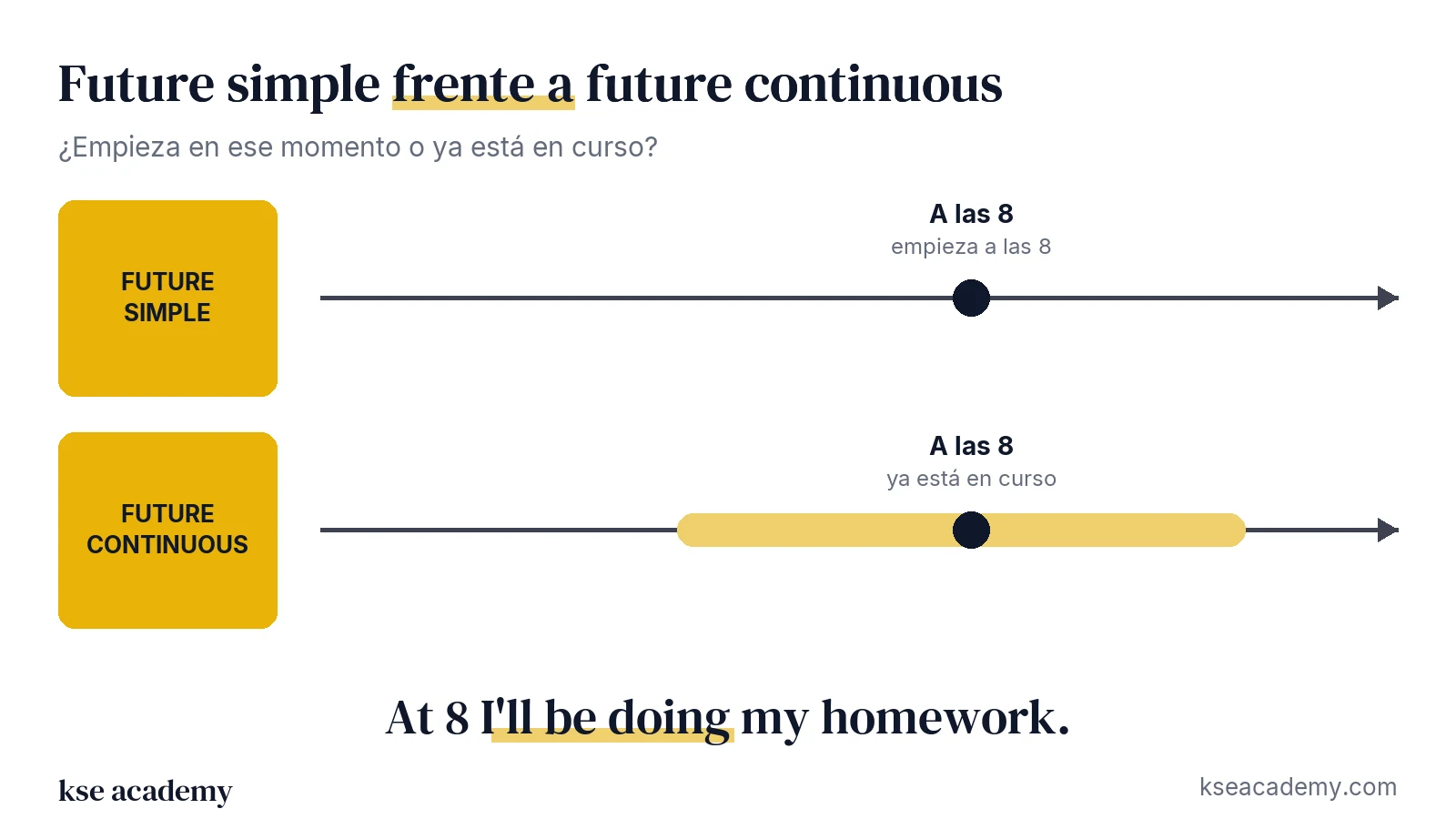
Es la duda más típica: will do o will be doing. La diferencia es de punto de vista. Con will hablas de la acción entera (o de que empieza en ese momento); con will be + -ing, ya está en marcha:
| Future simple | Future continuous |
|---|---|
| I’ll call you at 8. (Haré la llamada a las 8.) | I’ll be calling clients at 8. (A las 8 estaré en mitad de las llamadas.) |
| I’ll help you. (Una oferta, lo decido ahora.) | I’ll be helping Anna tomorrow. (Ya estaba planeado.) |
| At midnight I’ll fly to Greece. (El vuelo sale a medianoche.) | At midnight I’ll be flying to Greece. (A medianoche ya estaré volando.) |
Ojo con los dos casos en que solo vale will: las promesas (I’ll call you as soon as I land) y las decisiones al momento (The phone’s ringing! I’ll get it). En esos, el future continuous no funciona.
Future continuous frente a going to y el presente continuo
Going to y el presente continuo hablan de planes e intenciones: I’m going to watch the match («voy a ver el partido»). El future continuous no habla de la intención, sino de lo que estarás haciendo en un momento: I’ll be watching the match at 8 («a las 8 estaré viendo el partido»). Mira la guía del futuro en inglés: will, going to y presente continuo para ver las tres formas juntas.
Future continuous frente a future perfect
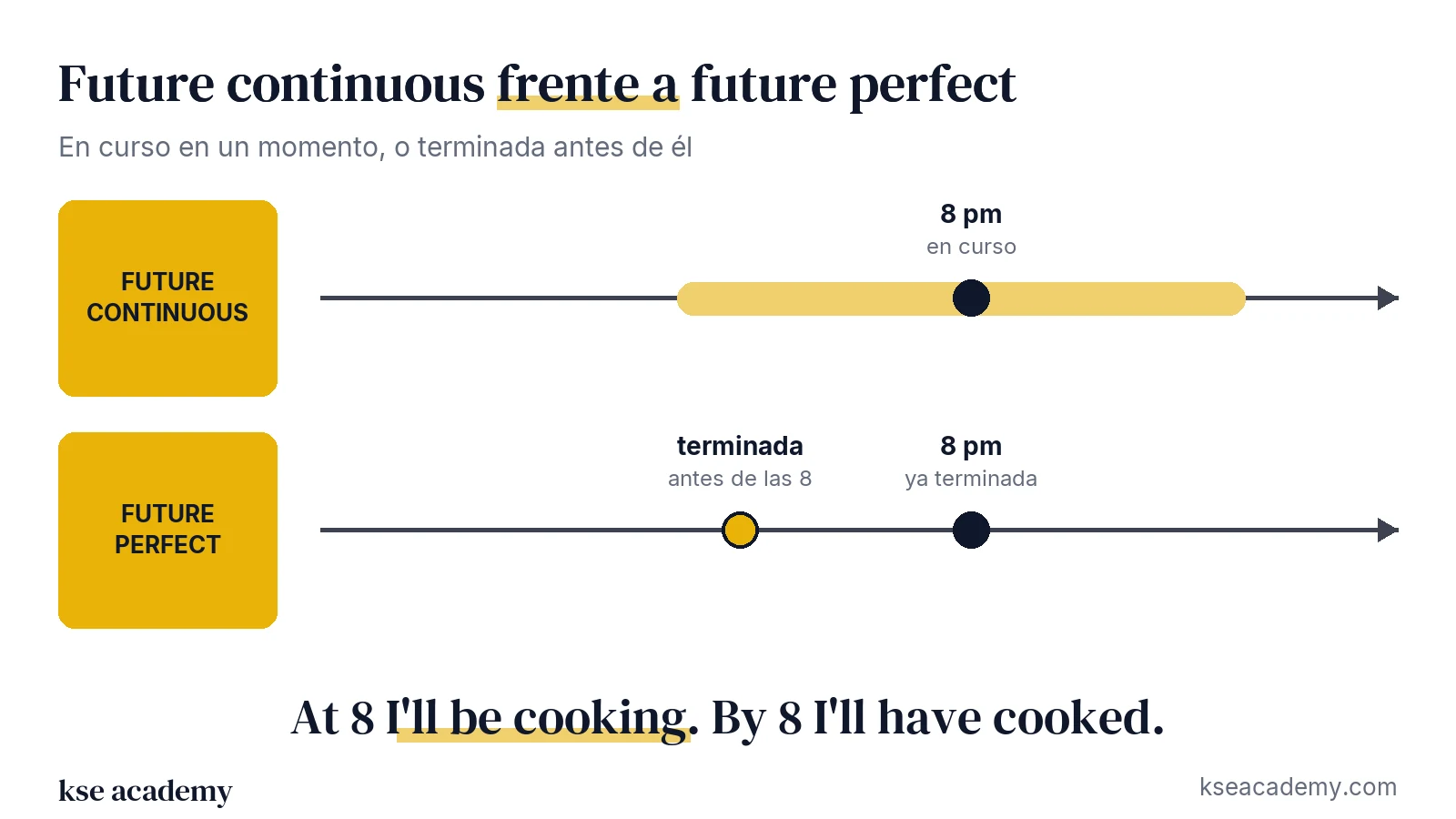
Esta comparación tiene muchísimas búsquedas, y es sencilla si piensas en la línea de tiempo: con el future continuous, la acción está en curso en ese momento. Con el future perfect, ya terminó antes de ese momento:
| Tiempo | Ejemplo | Significado |
|---|---|---|
| Future continuous | At 8 I’ll be cooking. | A las 8 estaré cocinando (en mitad). |
| Future perfect | By 8 I’ll have cooked. | Para las 8 ya habré cocinado (terminado). |
Verbos que no se usan en continuous
Los verbos de estado (know, like, love, want, need, understand, believe, belong…) no se suelen poner en -ing. Con estos, se usa el future simple: This time tomorrow I’ll know the results (y no will be knowing). Tienes la lista completa en la guía de stative verbs y dynamic verbs.
Español frente a inglés: dónde nos confundimos
El español tiene «estaré + gerundio» y se parece mucho, pero lo usamos menos. Estas son las diferencias que más importan:
| 🇪🇸 Español | 🇬🇧 Inglés | Qué pasa |
|---|---|---|
| Mañana a esta hora estaré volando a Madrid. | This time tomorrow I will be flying to Madrid. | Equivalencia directa: will be + -ing. |
| Estará durmiendo. (suposición) | She’ll be sleeping. | Igual que el español: futuro para suponer algo del presente. |
| ¿Vas a usar el coche esta noche? | Will you be using the car tonight? | En español preguntamos con «ir a»; en inglés, el continuous suena más educado. |
| Cuando llegues, estaré esperando. | When you arrive, I’ll be waiting. | Después de when va presente (en español, subjuntivo). |
| Mañana trabajaré todo el día. | I’ll be working all day tomorrow. | En inglés, con «todo el día» el continuous es lo natural. |
Errores comunes con el future continuous
| ❌ Incorrecto | ✅ Correcto | Por qué |
|---|---|---|
| At nine tomorrow I will working. | At nine tomorrow I will be working. | Falta be: es will be + -ing. |
| I will be work tomorrow. | I will be working tomorrow. | Después de be, el verbo lleva -ing. |
| When you will arrive, I’ll be cooking. | When you arrive, I’ll be cooking. | Después de when, presente, no will. |
| I will be knowing the results tomorrow. | I will know the results tomorrow. | Know es verbo de estado: no se usa en continuous. |
| Will be you travelling next week? | Will you be travelling next week? | En preguntas: Will + sujeto + be. |
| I’ll being at home all evening. | I’ll be at home all evening. | Be no lleva -ing aquí: will be + complemento. |
| She will be sleep when we call. | She will be sleeping when we call. | Falta el -ing. |
El future continuous en los exámenes de Cambridge
Es un tiempo que se espera que domines a partir del B2 First, y que da puntos de naturalidad en C1 Advanced:
- Use of English (Part 4, key word transformations) en B2 First y C1 Advanced: con palabras clave que piden el -ing.
- Writing en B2 First y C1 Advanced: en emails y cartas formales, I will be arriving at… o We will be offering… suenan profesionales.
- Speaking: para describir tus planes («this time next year I’ll be…») con soltura y precisión.
Dos ejemplos del estilo del Use of English Part 4:
- I’m going to sunbathe on a beach in Bali this time next week. SUNBATHING
I ______ on a beach in Bali this time next week. → will be sunbathing - Don’t phone me at nine tomorrow because I will be in a meeting. HAVING
Don’t phone me at nine tomorrow because I ______ a meeting. → will be having
Usos divertidos: el future continuous de la envidia
Si algo hace feliz al future continuous, es presumir (y quejarse). Un pequeño repertorio:
| Situación | Frase |
|---|---|
| Vacaciones | This time next week I’ll be lying on a beach and you’ll be answering emails. |
| Un sábado a las 12 | On Saturday at noon I’ll be sleeping. Don’t even think about calling. |
| Lunes a las 9 | At 9 on Monday I’ll be sitting in a meeting that could have been an email. |
| El examen | This time next month I’ll be sitting my exam. Wish me luck. |
| La lotería | If I win the lottery, this time next year I’ll be living on a yacht. |
| La suegra | Don’t worry, I’ll be waiting outside. |
Tabla resumen del future continuous
| Qué | Cómo | Ejemplo |
|---|---|---|
| Forma | will be + -ing | I’ll be working. |
| Negativa | won’t be + -ing | I won’t be working. |
| Pregunta | Will + sujeto + be + -ing | Will you be working? |
| Uso principal | Acción en curso en un momento futuro | This time tomorrow I’ll be flying. |
| Cortesía | Preguntar por los planes del otro | Will you be using the car? |
| Suposición | Lo que alguien está haciendo ahora | She’ll be sleeping. |
Preguntas frecuentes sobre el future continuous
¿Cuándo se usa el future continuous?
Para hablar de una acción que estará en curso en un momento concreto del futuro, para preguntar con educación por los planes de alguien, para suponer lo que alguien hace ahora y en anuncios formales.
¿Cómo se forma el future continuous?
Con will be + verbo en -ing: I will be working. Para negar, won’t be; para preguntar, Will you be working?
¿Cuál es la diferencia entre «will do» y «will be doing»?
Will do presenta la acción entera o que empieza en ese momento; will be doing la presenta ya en marcha en ese momento. At 8 I’ll do my homework: empiezo a las 8. At 8 I’ll be doing my homework: ya estaré haciéndolos a las 8.
¿Se puede usar «going to» en lugar de «will be» + -ing?
No siempre. Going to expresa una intención o plan; will be + -ing expresa que algo estará en curso en un momento. I’m going to watch the match (voy a verlo) frente a I’ll be watching the match at 8 (a las 8 lo estaré viendo).
¿Se dice «when I will arrive»?
No. Después de when, while, as soon as o before se usa el presente: When I arrive, I’ll call you.
¿Qué verbos no se usan en future continuous?
Los verbos de estado: know, like, love, want, need, understand, believe, belong… Se usa el future simple: I’ll know tomorrow.
¿Es lo mismo que el present continuous para el futuro?
No. El presente continuo habla de planes ya cerrados (I’m meeting Ana at 8). El future continuous habla de lo que estará en curso en un momento (I’ll be meeting Ana at 8), y suena más neutral, sin tanto «plan» detrás.
Ejercicios de future continuous
Treinta frases para comprobar que lo tienes claro. Aquí abajo tienes tres ejercicios interactivos que se corrigen solos, así que sabrás al momento qué tal lo has hecho.
Y si prefieres una versión en texto que puedas copiar y pegar, la tienes aquí abajo 👇
Exercise 1: choose the correct form
Choose the correct option to complete each sentence.
- This time tomorrow I (will fly / will be flying) to Rome.
- «The phone’s ringing!» «I (will answer / will be answering) it.»
- Tomorrow at 10 a.m. the students (will take / will be taking) their exam, so please be quiet.
- I promise I (will call / will be calling) you as soon as I land.
- Don’t ring Mum now. She (will sleep / will be sleeping).
- At this time next week, we (will lie / will be lying) on the beach.
- (Will you use / Will you be using) the car tonight? I need it for the shop.
- When you (will arrive / arrive), I’ll be waiting outside.
- This time tomorrow I (will know / will be knowing) the results.
- At midnight tonight, the party (will still go / will still be going) on.
Ver respuestas
- will be flying
- will answer
- will be taking
- will call
- will be sleeping
- will be lying
- Will you be using
- arrive
- will know
- will still be going
Exercise 2: complete the sentences
Complete each sentence with the future continuous of the verb in brackets. Write only the missing words.
- This time next week, I _______________ (lie) on a beach in Tenerife.
- Don’t call at ten tomorrow. We _______________ (have) a meeting.
- At midnight tonight, she _______________ (sleep).
- _______________ (you / use) the car this evening?
- They _______________ (not / work) tomorrow because it’s a holiday.
- When you arrive, we _______________ (cook) dinner.
- At nine tomorrow morning I _______________ (sit) my driving test.
- What _______________ (you / do) this time next year?
- He _______________ (not / play) football tomorrow because of his injury.
- Ladies and gentlemen, we _______________ (land) in about ten minutes.
Ver respuestas
- will be lying
- will be having
- will be sleeping
- Will you be using
- won’t be working
- will be cooking
- will be sitting
- will you be doing
- won’t be playing
- will be landing
Exercise 3: correct or incorrect?
Decide whether each sentence is correct. If it is incorrect, rewrite it correctly.
- This time tomorrow I will be working at the office.
- At nine tomorrow I will working.
- When you will arrive, I will be waiting.
- Will you be using the car tonight?
- I will be knowing the results tomorrow.
- She will be sleep when we call.
- They won’t be coming to the party.
- Will be you travelling next week?
- I’ll being at home all evening.
- At eight tonight we’ll be watching the match.
Ver respuestas
- Correct
- At nine tomorrow I will be working.
- When you arrive, I will be waiting.
- Correct
- I will know the results tomorrow.
- She will be sleeping when we call.
- Correct
- Will you be travelling next week?
- I’ll be at home all evening.
- Correct
Conclusión
Resumiendo en tres ideas: el future continuous (will be + -ing) habla de lo que estará en curso en un momento concreto del futuro; sirve también para preguntar con educación por los planes de alguien, suponer lo que pasa ahora y hacer anuncios formales; y no es lo mismo que will + verbo (la acción entera) ni que el future perfect (ya terminada antes de ese momento).
Si quieres seguir con los tiempos verbales, tienes las guías del futuro en inglés, del Present Continuous y del Past Perfect. ¿Tienes dudas con el future continuous? Escríbeme y te ayudo.
¿Te ha parecido útil este post? Compártelo con otros estudiantes y profesores de inglés. Y si quieres más contenido como este, suscríbete a mi newsletter y sígueme en Facebook, Twitter, Pinterest, Instagram y YouTube.
Nos vemos en el próximo post. Hasta entonces, don’t forget to keep smiling! 🙂
