
Tabla de contenidos
Si alguna vez te has puesto malo de viaje en un país de habla inglesa, sabrás lo que es intentar explicarle al médico (o al farmacéutico) qué te pasa con cuatro palabras y mucho gesto. Y no hace falta irse tan lejos: el vocabulario de la salud en inglés sale en cualquier conversación del día a día (How are you feeling?), en las noticias y, sobre todo, en los exámenes de Cambridge, donde los hábitos saludables son uno de los temas estrella del Speaking y del Writing.
Además, este tema tiene varias trampas para los hispanohablantes: estar constipated no es estar constipado (¡ni mucho menos!), una receta médica no es una recipe y no es lo mismo hurt que ache, pain o sore. No te preocupes, que en este post te lo dejo todo claro.
Vas a encontrar las palabras básicas (health, illness, disease, sick, ill), los síntomas y enfermedades más comunes con su pronunciación, cómo decir «me duele…» en inglés, el vocabulario de las lesiones, frases para el médico y la farmacia, los hábitos saludables (dieta, ejercicio y sueño), la salud mental y el estrés, las collocations, idioms y phrasal verbs más útiles, los errores típicos, cómo sale todo esto en los exámenes de Cambridge y, al final, ejercicios con solucionario.
¡Vamos allá! 🙂
Las palabras básicas: health, illness, disease, sick e ill
Empecemos por lo básico. La salud en inglés es health /helθ/, un sustantivo incontable: Smoking is bad for your health. El adjetivo es healthy (sano, saludable) y su contrario, unhealthy. Fíjate en que healthy sirve tanto para personas (a healthy child) como para comida o hábitos (a healthy breakfast, a healthy lifestyle).
Para «enfermedad» tienes dos palabras principales:
- illness /ˈɪlnəs/: el hecho de estar enfermo, a menudo algo no muy grave o un periodo de enfermedad. She missed two weeks of school because of illness.
- disease /dɪˈziːz/: una enfermedad concreta, con nombre, normalmente más seria o contagiosa. Heart disease is very common in older people.
Y para «enfermo», los dos adjetivos más frecuentes son ill y sick. En inglés británico, ill se usa casi siempre después del verbo (I’m ill, She feels ill), mientras que sick puede ir delante del sustantivo (a sick child). Ojo: en el Reino Unido, to feel sick significa sobre todo «tener ganas de vomitar» y to be sick, «vomitar». ¡Un detalle importante si vas al médico en Londres! 😉
| 🇬🇧 Inglés | Pronunciación | 🇪🇸 Español |
|---|---|---|
| health | /helθ/ | salud |
| healthy / unhealthy | /ˈhelθi/ /ʌnˈhelθi/ | sano, saludable / poco saludable |
| illness | /ˈɪlnəs/ | enfermedad (estar enfermo) |
| disease | /dɪˈziːz/ | enfermedad (concreta, con nombre) |
| ill / sick | /ɪl/ /sɪk/ | enfermo |
| to feel sick | /fiːl sɪk/ | tener náuseas (UK) |
| to be sick | /biː sɪk/ | vomitar (UK) |
| to get better | /ɡet ˈbetə/ | mejorar, ponerse bien |
| to recover (from) | /rɪˈkʌvə/ | recuperarse (de) |
| fit | /fɪt/ | en forma |
Síntomas y enfermedades en inglés
Los síntomas más comunes
Estos son los síntomas que más vas a necesitar. Fíjate en que muchos dolores se forman con -ache /eɪk/ (se pronuncia como «eik»):
| 🇬🇧 Inglés | Pronunciación | 🇪🇸 Español |
|---|---|---|
| a headache | /ˈhedeɪk/ | dolor de cabeza |
| (a) stomach ache | /ˈstʌmək eɪk/ | dolor de estómago, de tripa |
| (a) toothache | /ˈtuːθeɪk/ | dolor de muelas |
| (an) earache | /ˈɪəreɪk/ | dolor de oídos |
| (a) backache | /ˈbækeɪk/ | dolor de espalda |
| a sore throat | /sɔː θrəʊt/ | dolor de garganta |
| a cough / to cough | /kɒf/ | tos / toser |
| to sneeze | /sniːz/ | estornudar |
| a runny nose | /ˈrʌni nəʊz/ | mucosidad, nariz que gotea |
| a blocked nose | /blɒkt nəʊz/ | nariz tapada, congestión |
| a temperature / a fever | /ˈtemprətʃə/ /ˈfiːvə/ | fiebre |
| dizzy | /ˈdɪzi/ | mareado |
| a rash | /ræʃ/ | sarpullido, erupción |
| itchy | /ˈɪtʃi/ | que pica |
| swollen | /ˈswəʊlən/ | hinchado |
| exhausted | /ɪɡˈzɔːstɪd/ | agotado |
Enfermedades comunes
| 🇬🇧 Inglés | Pronunciación | 🇪🇸 Español |
|---|---|---|
| a cold | /kəʊld/ | un resfriado, un constipado |
| (the) flu | /fluː/ | la gripe |
| an allergy / allergic (to) | /ˈælədʒi/ /əˈlɜːdʒɪk/ | una alergia / alérgico (a) |
| hay fever | /ˈheɪ fiːvə/ | alergia al polen |
| asthma | /ˈæsmə/ | asma |
| food poisoning | /fuːd ˈpɔɪzənɪŋ/ | intoxicación alimentaria |
| an infection | /ɪnˈfekʃn/ | una infección |
| a virus | /ˈvaɪrəs/ | un virus |
| a migraine | /ˈmiːɡreɪn/ | una migraña |
| high blood pressure | /haɪ blʌd ˈpreʃə/ | la tensión alta |
| diabetes | /ˌdaɪəˈbiːtiːz/ | diabetes |
| chickenpox | /ˈtʃɪkɪnpɒks/ | varicela |
| a heart attack | /hɑːt əˈtæk/ | un infarto |
Cómo decir qué te pasa: «I have a headache», «I’ve got a cold»
Para hablar de síntomas y enfermedades, en inglés se usa casi siempre have o, en inglés británico informal, have got. Las dos opciones son correctas:
- I have a headache. / I’ve got a headache. (Me duele la cabeza.)
- She has a cold. / She’s got a cold. (Está resfriada.)
- He’s got a temperature. (Tiene fiebre.)
Fíjate en el artículo: en español decimos «tengo fiebre» o «tengo tos», pero en inglés los síntomas contables llevan a: a headache, a cold, a cough, a sore throat, a temperature. Con flu puedes decir I’ve got flu o I’ve got the flu.
Otras frases muy útiles para decir cómo te encuentras:
- I don’t feel very well. / I’m not feeling well. (No me encuentro bien.)
- I feel a bit under the weather. (Estoy un poco pachucho.)
- I think I’m coming down with something. (Creo que estoy pillando algo.)
- I’m feeling much better, thanks. (Ya estoy mucho mejor, gracias.)
Hurt, ache, pain y sore: cómo decir «me duele» en inglés
Esta es la gran duda de mis alumnos, así que vamos por partes. Hay cuatro palabras y cada una funciona de una manera:
- hurt /hɜːt/ es un verbo. La parte del cuerpo es el sujeto: My leg hurts. (Me duele la pierna.) My eyes hurt. También significa «hacerse daño»: I hurt my back lifting a box.
- ache /eɪk/ es un verbo y un sustantivo para un dolor continuo y sordo: My legs ache after the match. Y forma compuestos: headache, toothache, backache.
- pain /peɪn/ es un sustantivo, más general y a menudo más intenso: I’ve got a pain in my chest. She’s in a lot of pain. Ojo: pain no es un verbo en el uso normal, así que my arm pains ❌.
- sore /sɔː/ es un adjetivo para algo dolorido o irritado: a sore throat, sore eyes, My feet are sore after the walk.
| 🇬🇧 Palabra | Tipo | Ejemplo |
|---|---|---|
| hurt | verbo | My knee hurts. |
| ache | verbo / sustantivo | My back aches. / I’ve got a stomach ache. |
| pain | sustantivo | I’ve got a pain in my side. |
| sore | adjetivo | I’ve got a sore throat. |
Y si quieres repasar las partes del cuerpo que acompañan a todas estas frases, las tienes en mi post sobre el cuerpo humano en inglés.
Lesiones y accidentes en inglés
Una injury /ˈɪndʒəri/ es una lesión, y el verbo es to injure (He injured his knee playing football). Para heridas causadas por un arma (un cuchillo, una pistola) se usa wound /wuːnd/, que es más propio de las noticias.
| 🇬🇧 Inglés | Pronunciación | 🇪🇸 Español |
|---|---|---|
| an injury / injured | /ˈɪndʒəri/ /ˈɪndʒəd/ | una lesión / lesionado, herido |
| to break your arm / leg | /breɪk/ | romperse el brazo / la pierna |
| to sprain your ankle | /spreɪn ˈæŋkl/ | hacerse un esguince en el tobillo |
| to twist your ankle | /twɪst/ | torcerse el tobillo |
| a cut / to cut yourself | /kʌt/ | un corte / cortarse |
| a bruise | /bruːz/ | un moratón, un cardenal |
| a burn / to burn yourself | /bɜːn/ | una quemadura / quemarse |
| to bleed | /bliːd/ | sangrar |
| a scar | /skɑː/ | una cicatriz |
| a plaster cast | /ˈplɑːstə kɑːst/ | una escayola |
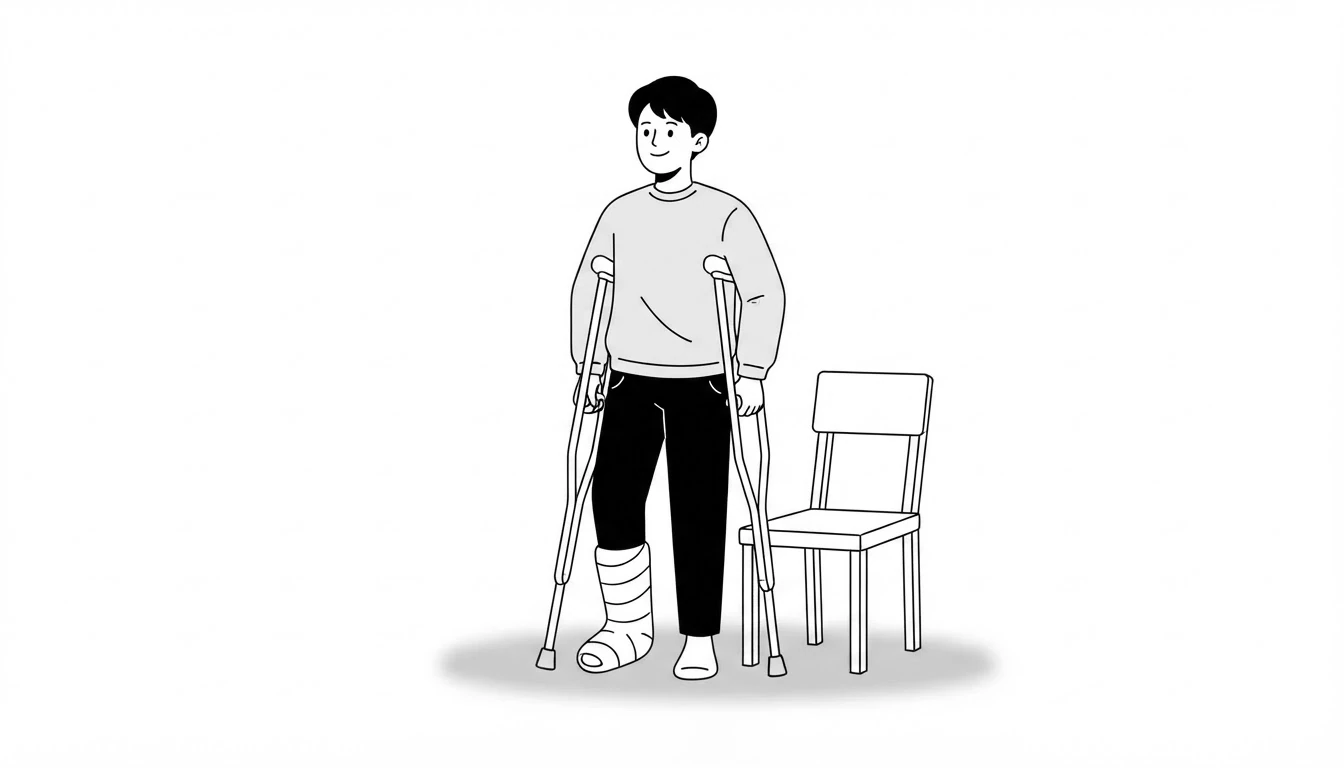
| crutches | /ˈkrʌtʃɪz/ | muletas |
| a bandage | /ˈbændɪdʒ/ | una venda |
| stitches | /ˈstɪtʃɪz/ | puntos (de sutura) |
Un detalle que sorprende a muchos: en inglés se dice I broke my arm, con el posesivo, y no I broke the arm. Lo mismo con I cut my finger o She sprained her ankle.
En el médico y en la farmacia
En el médico
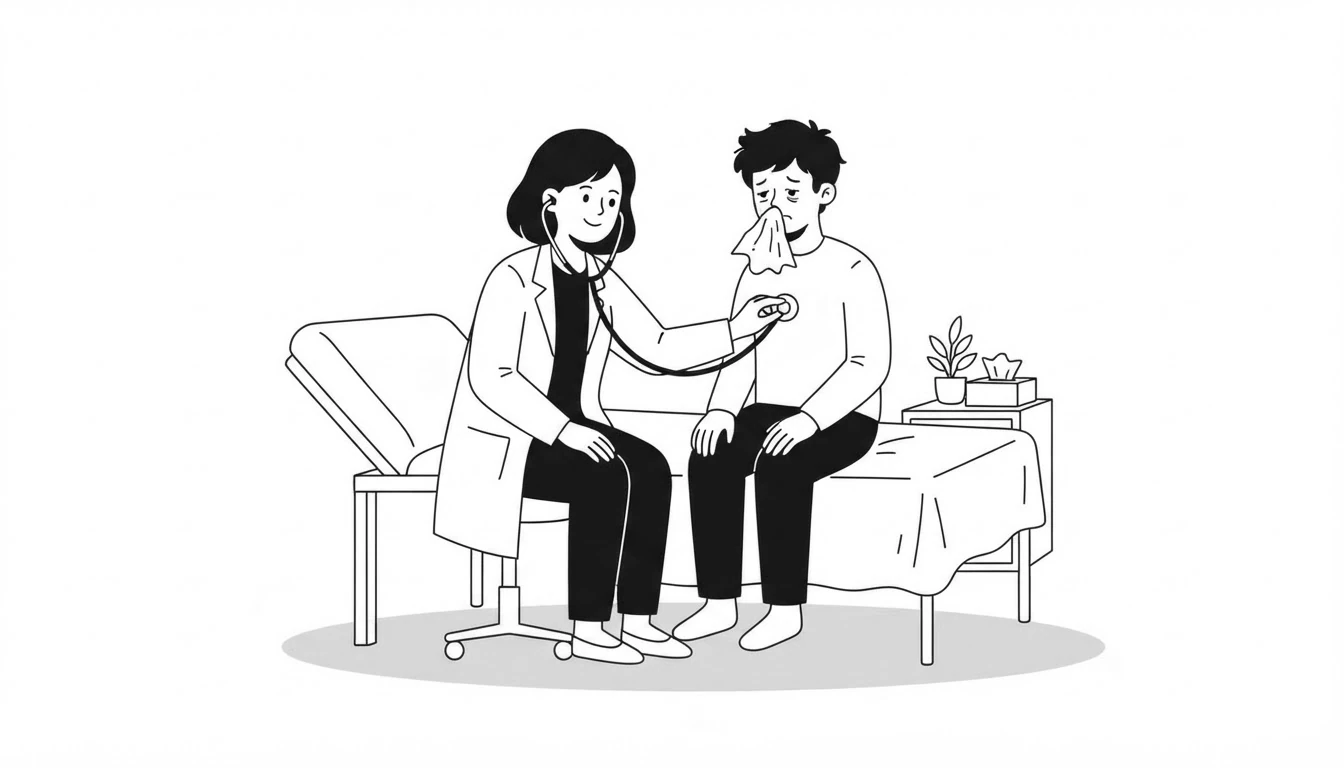
En el Reino Unido, el médico de cabecera es el GP /ˌdʒiː ˈpiː/ (general practitioner), y su consulta se llama surgery o GP practice. Sí, surgery también significa «cirugía», pero en este contexto es simplemente el centro de salud. 😉
| 🇬🇧 Inglés | Pronunciación | 🇪🇸 Español |
|---|---|---|
| a GP / a doctor | /ˌdʒiː ˈpiː/ /ˈdɒktə/ | un médico de cabecera / un médico |
| a nurse | /nɜːs/ | un enfermero, una enfermera |
| a specialist | /ˈspeʃəlɪst/ | un especialista |
| an appointment | /əˈpɔɪntmənt/ | una cita |
| the waiting room | /ˈweɪtɪŋ ruːm/ | la sala de espera |
| a check-up | /ˈtʃek ʌp/ | una revisión, un chequeo |
| to examine | /ɪɡˈzæmɪn/ | examinar, reconocer |
| a prescription | /prɪˈskrɪpʃn/ | una receta médica |
| a blood test | /blʌd test/ | un análisis de sangre |
| an X-ray | /ˈeks reɪ/ | una radiografía |
| an operation | /ˌɒpəˈreɪʃn/ | una operación |
| A&E (accident and emergency) | /ˌeɪ ənd ˈiː/ | urgencias (UK) |
| an ambulance | /ˈæmbjələns/ | una ambulancia |
Algunas frases que te vas a encontrar en la consulta:
- El médico: What seems to be the problem? (¿Qué le pasa?) / How long have you had these symptoms? / Where does it hurt? / I’ll give you a prescription.
- Tú: I’d like to make an appointment, please. / I’ve had a sore throat for three days. / It hurts when I swallow. / I’m allergic to penicillin.
En la farmacia
La farmacia es the chemist’s /ˈkemɪsts/ en inglés británico y the pharmacy /ˈfɑːməsi/ en general (en Estados Unidos también oirás drugstore). El farmacéutico es a pharmacist o a chemist.
| 🇬🇧 Inglés | Pronunciación | 🇪🇸 Español |
|---|---|---|
| medicine | /ˈmedsn/ | medicina, medicamento |
| a painkiller | /ˈpeɪnkɪlə/ | un analgésico |
| a tablet / a pill | /ˈtæblət/ /pɪl/ | una pastilla |
| antibiotics | /ˌæntibaɪˈɒtɪks/ | antibióticos |
| cough syrup | /kɒf ˈsɪrəp/ | jarabe para la tos |
| a cream | /kriːm/ | una crema, una pomada |
| a plaster | /ˈplɑːstə/ | una tirita |
| side effects | /saɪd ɪˈfekts/ | efectos secundarios |
| over the counter | /ˈəʊvə ðə ˈkaʊntə/ | sin receta |
| a dose | /dəʊs/ | una dosis |
Y la frase clave para las instrucciones: Take two tablets three times a day after meals. (Tome dos pastillas tres veces al día después de las comidas.) Fíjate en que en inglés las medicinas se toman (take medicine), igual que en español.
Hábitos saludables: dieta, ejercicio y sueño
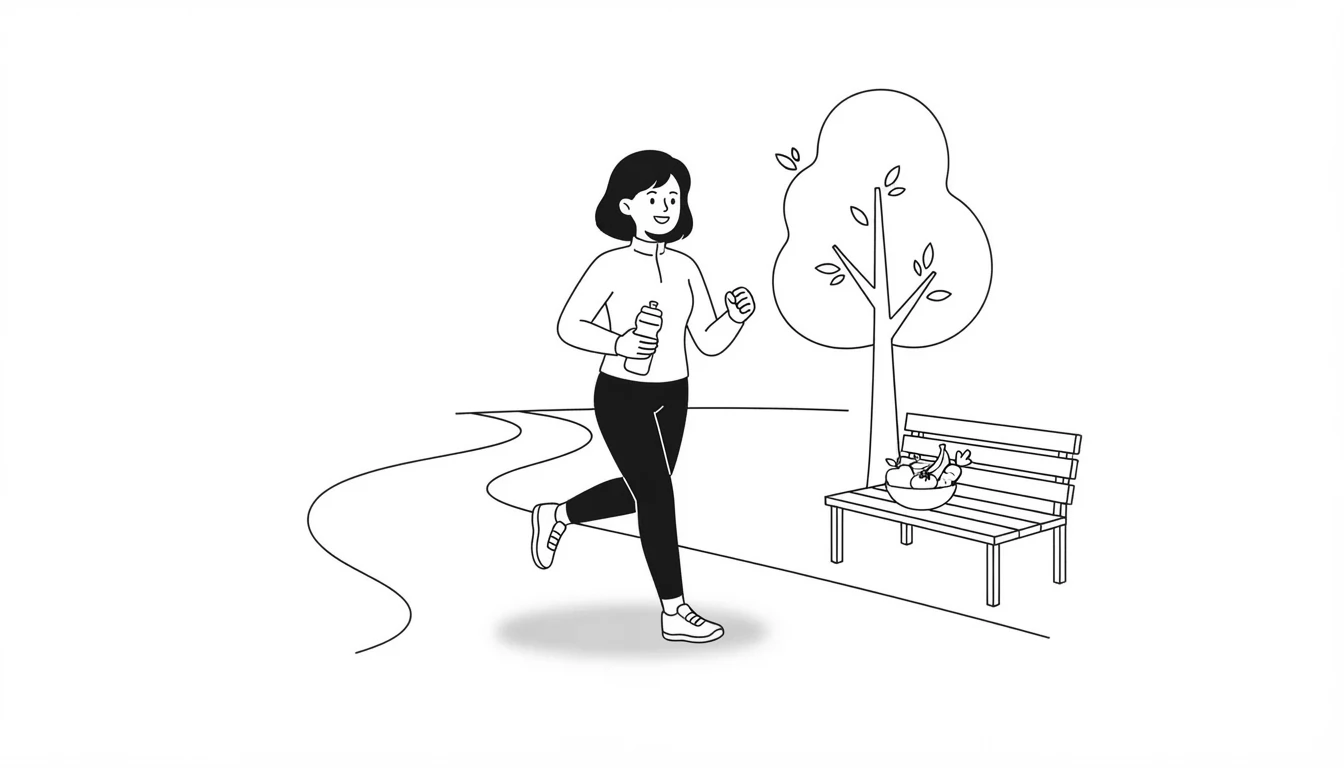
Este es el bloque que más vas a usar en los exámenes, porque las preguntas sobre el estilo de vida saludable salen muchísimo.
La dieta
| 🇬🇧 Inglés | Pronunciación | 🇪🇸 Español |
|---|---|---|
| a balanced diet | /ˈbælənst ˈdaɪət/ | una dieta equilibrada |
| to be on a diet / to go on a diet | /ˈdaɪət/ | estar / ponerse a dieta |
| junk food | /ˈdʒʌŋk fuːd/ | comida basura |
| processed food | /ˈprəʊsest fuːd/ | alimentos procesados |
| nutritious | /njuˈtrɪʃəs/ | nutritivo |
| fresh fruit and vegetables | /freʃ fruːt ənd ˈvedʒtəblz/ | fruta y verdura fresca |
| to cut down on (sugar) | /kʌt daʊn ɒn/ | reducir (el azúcar) |
| to lose / put on weight | /luːz/ /pʊt ɒn weɪt/ | adelgazar / engordar |
| to stay hydrated | /ˈhaɪdreɪtɪd/ | mantenerse hidratado |
Si quieres ampliar con los nombres de los alimentos, tienes todo el vocabulario en mi post sobre la comida en inglés.
El ejercicio
| 🇬🇧 Inglés | Pronunciación | 🇪🇸 Español |
|---|---|---|
| to do exercise | /ˈeksəsaɪz/ | hacer ejercicio |
| to work out | /wɜːk aʊt/ | entrenar (en el gimnasio) |
| to keep fit / to stay in shape | /kiːp fɪt/ /ʃeɪp/ | mantenerse en forma |
| to go for a run / a walk | /rʌn/ /wɔːk/ | salir a correr / a pasear |
| to warm up | /wɔːm ʌp/ | calentar |
| a sedentary lifestyle | /ˈsedntri ˈlaɪfstaɪl/ | un estilo de vida sedentario |
Ojo con el verbo: en inglés el ejercicio se hace con do, nunca con make: I do exercise every day ✅. Y si te interesa el vocabulario de cada deporte, échale un vistazo a mi post sobre los deportes en inglés.
El sueño
| 🇬🇧 Inglés | Pronunciación | 🇪🇸 Español |
|---|---|---|
| to get enough sleep | /ɪˈnʌf sliːp/ | dormir lo suficiente |
| a good night’s sleep | /ɡʊd naɪts sliːp/ | una buena noche de descanso |
| to have trouble sleeping | /ˈtrʌbl ˈsliːpɪŋ/ | tener problemas para dormir |
| insomnia | /ɪnˈsɒmniə/ | insomnio |
| a nap / to have a nap | /næp/ | una siesta / echarse la siesta |
| a sleep routine | /sliːp ruːˈtiːn/ | una rutina de sueño |
Para hablar de tus horarios y tu día a día, te vendrá genial mi post sobre las rutinas diarias en inglés, y si quieres más verbos para hablar del sueño, tienes los phrasal verbs con SLEEP.
Salud mental y estrés
Cada vez se habla más de la mental health, y en los exámenes también: las preguntas sobre el estrés, la presión de los estudios o cómo desconectar son muy habituales.
| 🇬🇧 Inglés | Pronunciación | 🇪🇸 Español |
|---|---|---|
| mental health | /ˈmentl helθ/ | salud mental |
| wellbeing | /ˌwelˈbiːɪŋ/ | bienestar |
| stress / stressed | /stres/ /strest/ | estrés / estresado |
| stressful | /ˈstresfl/ | estresante |
| anxiety / anxious | /æŋˈzaɪəti/ /ˈæŋkʃəs/ | ansiedad / ansioso, nervioso |
| depression | /dɪˈpreʃn/ | depresión |
| to be under pressure | /ˈpreʃə/ | estar bajo presión |
| burnout | /ˈbɜːnaʊt/ | agotamiento, estar quemado |
| to cope with | /kəʊp wɪð/ | sobrellevar, hacer frente a |
| to relax / to unwind | /rɪˈlæks/ /ʌnˈwaɪnd/ | relajarse / desconectar |
| a therapist | /ˈθerəpɪst/ | un terapeuta, un psicólogo |
Fíjate en la diferencia entre stressed (cómo te sientes: I’m stressed) y stressful (lo que causa estrés: a stressful week). Es el mismo patrón que bored y boring.
Collocations, idioms y phrasal verbs sobre la salud
Collocations importantes
Estas combinaciones son las que te hacen sonar natural. Apréndetelas en bloque:
| 🇬🇧 Inglés | 🇪🇸 Español |
|---|---|
| catch a cold | coger un resfriado |
| run a temperature | tener fiebre |
| see a doctor | ir al médico |
| make an appointment | pedir cita |
| take medicine / take a tablet | tomar medicina / una pastilla |
| have an operation | operarse |
| make a full recovery | recuperarse por completo |
| do exercise | hacer ejercicio |
| follow a healthy diet | seguir una dieta sana |
| give up smoking / quit smoking | dejar de fumar |
Idioms sobre la salud
| 🇬🇧 Idiom | 🇪🇸 Significado | Ejemplo |
|---|---|---|
| under the weather | pachucho, algo enfermo | I’m feeling a bit under the weather today. |
| as fit as a fiddle | sano como una manzana | My grandad is 85 and as fit as a fiddle. |
| on the mend | recuperándose, mejorando | She had flu last week, but she’s on the mend now. |
| back on your feet | recuperado, de nuevo en pie | After the operation, he was back on his feet in a month. |
| a clean bill of health | el visto bueno del médico | The doctor gave me a clean bill of health. |
| a splitting headache | un dolor de cabeza tremendo | I woke up with a splitting headache. |
| laughter is the best medicine | la risa es la mejor medicina | Watch a comedy tonight: laughter is the best medicine! |
Phrasal verbs sobre la salud
- come down with: empezar a ponerse enfermo, pillar algo. I think I’m coming down with the flu.
- get over: recuperarse de algo. It took me a week to get over my cold.
- throw up: vomitar (informal). He threw up after eating some bad fish.
- pass out: desmayarse. It was so hot that a man passed out on the train.
- fight off: combatir, librarse de (una infección). Sleep helps your body fight off infections.
- wear off: pasarse el efecto. The painkiller is starting to wear off.
- cut down on: reducir el consumo de algo. I’m trying to cut down on coffee.
- work out: entrenar, hacer ejercicio. She works out at the gym every morning.
- look after: cuidar de. My mum looked after me when I was ill.
Errores típicos y falsos amigos
- Decir «constipated» por constipado: constipated significa «estreñido». Si estás resfriado, di I’ve got a cold ✅. Imagina la cara del farmacéutico. 😅
- Pedir una «recipe» al médico: recipe es una receta de cocina. La receta médica es a prescription ✅.
- Decir «I’m embarrassed» por estar embarazada: embarrassed es «avergonzado». Embarazada es pregnant ✅.
- Usar «pain» como verbo: My arm pains ❌, My arm hurts ✅.
- Olvidar el artículo: I have headache ❌, I have a headache ✅. Lo mismo con a cold, a cough, a temperature.
- Hacer ejercicio con «make»: make exercise ❌, do exercise ✅.
- Decir «I operated myself» por me operé: en inglés el que opera es el cirujano. Tú have an operation ✅: I had an operation on my knee.
- Usar «sensible» por sensible: sensible es «sensato». Si tienes la piel sensible, es sensitive skin ✅.
- Traducir «medicamento» por medicament: existe, pero casi no se usa. Di medicine o medication ✅.
- Coger un resfriado con «take»: I took a cold ❌, I caught a cold ✅.
Si quieres repasar muchos más casos como estos, tienes una lista completa en mi post sobre los falsos amigos en inglés.
La salud en los exámenes de Cambridge
En mi experiencia como preparador de exámenes, la salud y los hábitos saludables salen en todos los niveles, desde el A2 Key hasta el C1 Advanced:
- Speaking Part 1 (A2, B1 y B2): preguntas personales como What do you do to keep fit?, How do you relax after a busy day? o Do you think you have a healthy diet?
- Speaking Part 4 (B1 y B2): preguntas de opinión como Do you think people today are healthier than in the past?, Should schools teach children how to eat healthily? o Why do so many young people feel stressed? Te cuento cómo es cada parte en mi guía del Speaking del B1 Preliminary.
- Writing: es un tema habitual en los articles del B1 y en los essays del B2 (por ejemplo, si el gobierno debería subir los impuestos de la comida basura). Lo tienes explicado a fondo en mi guía del essay del B2 First.
- Reading y Listening: artículos sobre el sueño, entrevistas a deportistas o a médicos y textos sobre el estrés de los estudiantes son muy frecuentes.
Y si estás en 2.º de Bachillerato, te interesa saber que la salud y los hábitos saludables son un tema que sale a menudo en los textos y en los writings de la PAU, como te cuento en mi guía del examen de inglés de la PAU de Andalucía.
Ejemplo de respuesta en el Speaking
Aquí tienes una respuesta a What do you usually do to stay healthy? escrita para simular un nivel B1, sin llegar a B2:
Well, I try to have a healthy lifestyle, but it isn’t always easy. I usually go to the gym three times a week, and at weekends I go cycling with my friends. I also try to eat a lot of fruit and vegetables, because I think a balanced diet is very important. My big problem is sleep. During the exams I often go to bed very late, so I feel really tired the next day. I think I need to get more sleep and spend less time on my phone at night.
Fíjate en lo que la hace funcionar: responde directamente y luego amplía con detalles (cuántas veces va al gimnasio, qué hace los fines de semana), usa conectores sencillos propios del B1 (and, also, because, so), mete collocations del tema (a healthy lifestyle, a balanced diet, get more sleep) y añade un toque personal con un problema real y una solución. Es justo lo que se espera de un B1: ideas claras, vocabulario correcto y frases bien construidas, sin estructuras complejas. Para subir a B2 habría que añadir más variedad (I’ve been trying to…, Not only… but also…) y vocabulario más preciso, como el de la siguiente sección.
Vocabulario avanzado para el Writing (B2 y C1)
Si te presentas al B2 First o al C1 Advanced, estas palabras te ayudarán a subir de nivel en un essay o un article sobre la salud:
- a sedentary lifestyle: un estilo de vida sedentario. A sedentary lifestyle is one of the main causes of heart disease.
- life expectancy: la esperanza de vida. Life expectancy has risen dramatically in the last century.
- obesity: la obesidad. Childhood obesity is a growing problem in many countries.
- to raise awareness of: concienciar sobre. Schools should raise awareness of the dangers of junk food.
- prevention is better than cure: más vale prevenir que curar.
- to take a toll on: pasar factura. Long working hours can take a toll on your mental health.
- the health service: la sanidad pública (en el Reino Unido, the NHS).
Consejos para aprender este vocabulario
- Aprende los síntomas en frases completas, no como palabras sueltas: I’ve got a sore throat, My back hurts. Así no te quedas en blanco cuando estás delante del médico.
- Practica una visita al médico en voz alta: invéntate un síntoma y explica qué te pasa, desde cuándo y dónde te duele. Es un ejercicio estupendo para el Speaking.
- Lee los prospectos y las cajas de medicinas en inglés cuando tengas ocasión. Están llenos de dose, tablets, side effects y twice a day.
- Habla de tus hábitos cada semana: qué has comido, cuánto ejercicio has hecho y cuánto has dormido. Es el tipo de pregunta que te van a hacer en el examen.
Ejercicios de vocabulario de salud en inglés
Ha llegado el momento de practicar. Aquí abajo tienes tres ejercicios interactivos que se corrigen solos, así que sabrás al momento qué tal lo has hecho. Intenta hacerlos sin mirar el post.
Y si prefieres una versión en texto que puedas copiar y pegar, la tienes aquí abajo 👇
Ejercicio 1. Elige la opción correcta
Elige la palabra correcta en cada frase.
- I’ve got a terrible (headache / head pain), so I’m going to take a painkiller.
- My back (hurts / pains) when I sit at my desk for a long time.
- I can’t talk much today because I’ve got a (sore / sick) throat.
- The doctor gave me a (prescription / recipe) for some antibiotics.
- I think I (caught / took) a cold at the swimming pool.
- She (injured / wounded) her knee playing football.
- You should (do / make) more exercise and eat less junk food.
- I’m feeling a bit under the (weather / rain), so I’m staying in bed.
- I need to make an (appointment / date) with the doctor.
- I’ve got a cold and a (runny / running) nose.
Ver respuestas
- headache
- hurts
- sore
- prescription
- caught
- injured
- do
- weather
- appointment
- runny
Ejercicio 2. Completa con la palabra correcta
Completa cada frase con una palabra de la lista: appointment, check-up, diet, dizzy, plaster, recovery, sleep, sneezing, stressed, temperature.
- I cut my finger, so I put a _______________ on it.
- She’s got a high _______________, so she’s staying in bed today.
- I stood up too quickly and felt _______________.
- My hay fever is terrible in spring. I can’t stop _______________.
- The operation went well and he made a full _______________.
- I’m trying to eat less sugar and follow a balanced _______________.
- I always feel _______________ before exams, so I go for a run to relax.
- I’ve got an _______________ with the doctor at ten o’clock.
- You should get at least eight hours’ _______________ a night.
- I feel fine, but I go to the doctor once a year for a _______________.
Ver respuestas
- plaster
- temperature
- dizzy
- sneezing
- recovery
- diet
- stressed
- appointment
- sleep
- check-up
Ejercicio 3. Phrasal verbs e idioms de la salud
Completa cada frase con la palabra que falta.
- I think I’m coming down _______________ the flu.
- It took me two weeks to get _______________ my cold.
- Something I ate was bad and I threw _______________ all night.
- It was so hot at the concert that a girl passed _______________.
- I’m trying to cut _______________ on coffee.
- My sister works _______________ at the gym every morning.
- The painkiller is starting to wear _______________, so my tooth hurts again.
- Vitamin C can help your body fight _______________ infections.
- Who looks _______________ your grandmother when she’s ill?
- She had flu last week, but she’s on the _______________ now.
Ver respuestas
- with
- over
- up
- out
- down
- out
- off
- off
- after
- mend
Conclusión
Resumiendo: la salud es health, los síntomas se cuentan con have o have got y casi siempre con artículo (I’ve got a headache), para decir que algo te duele tienes hurt (verbo), ache, pain (sustantivo) y sore (adjetivo), y no olvides que estar constipado es to have a cold, no to be constipated. Con esto, la próxima vez que tengas que ir al médico o hablar de tus hábitos en un examen, vas a ir mucho más tranquilo.
¿Te ha parecido útil este post? Compártelo con otros estudiantes y profesores de inglés. Y si quieres más contenido como este, suscríbete a mi newsletter y sígueme en Facebook, Twitter, Pinterest, Instagram y YouTube.
Nos vemos en el próximo post. Hasta entonces, don’t forget to keep smiling! 🙂
