
Tabla de contenidos
Si te pregunto ahora mismo cómo es tu día en inglés, seguramente empieces con un I wake up at seven… y ahí se te acabe la gasolina. No te preocupes, es lo más normal del mundo: el vocabulario de la rutina diaria es de lo primero que se aprende, pero casi nadie lo lleva más allá de las cuatro frases de siempre.
Y resulta que es uno de los temas que más veces vas a usar en tu vida: en clase, en una conversación con cualquier angloparlante y, muy especialmente, en la Part 1 del Speaking de Cambridge, donde preguntas como «Tell me about your typical day» aparecen una y otra vez, desde el A2 Key hasta el B2 First.
Así que en esta guía te voy a dar mucho más que una lista de verbos. Vas a encontrar el vocabulario organizado por franjas del día con pronunciación, la gramática que necesitas para usarlo bien, los phrasal verbs y collocations que hacen que suenes natural, cuatro textos modelo de la misma rutina escritos en A2, B1, B2 y C1 para que veas exactamente qué cambia de un nivel a otro, y ejercicios con solucionario al final.
¡Vamos allá! 🙂
Vocabulario de la rutina diaria en inglés
Vamos a empezar por lo básico, pero bien organizado. He agrupado el vocabulario por franjas del día, porque así es como lo vas a necesitar cuando cuentes tu rutina: de la mañana a la noche, en orden. Te incluyo la pronunciación en IPA (inglés británico) para que no aprendas mal las palabras desde el principio.
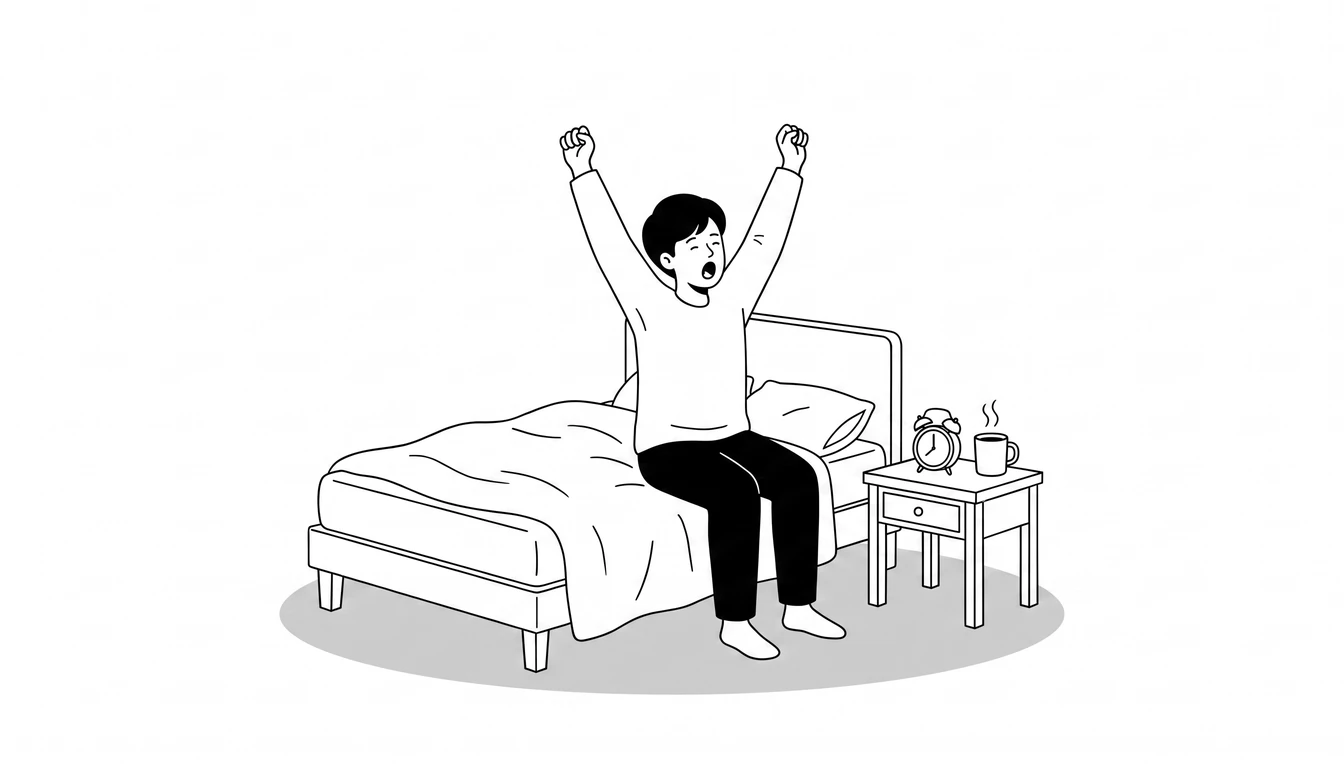
Por la mañana — in the morning
| 🇬🇧 Inglés | Pronunciación | 🇪🇸 Español |
|---|---|---|
| wake up | /ˌweɪk ˈʌp/ | despertarse |
| get up | /ˌɡet ˈʌp/ | levantarse |
| turn off the alarm | /ˌtɜːn ˈɒf ði əˈlɑːm/ | apagar el despertador |
| have a lie-in | /ˌhæv ə ˈlaɪ ɪn/ | quedarse un rato más en la cama |
| make the bed | /ˌmeɪk ðə ˈbed/ | hacer la cama |
| have a shower | /ˌhæv ə ˈʃaʊə/ | ducharse |
| brush your teeth | /ˌbrʌʃ jɔː ˈtiːθ/ | lavarse los dientes |
| wash your face | /ˌwɒʃ jɔː ˈfeɪs/ | lavarse la cara |
| get dressed | /ˌɡet ˈdrest/ | vestirse |
| do your hair | /ˌduː jɔː ˈheə/ | peinarse / arreglarse el pelo |
| put on make-up | /ˌpʊt ɒn ˈmeɪk ʌp/ | maquillarse |
| have breakfast | /ˌhæv ˈbrekfəst/ | desayunar |
| leave the house | /ˌliːv ðə ˈhaʊs/ | salir de casa |
| catch the bus | /ˌkætʃ ðə ˈbʌs/ | coger el autobús |
| get to work / school | /ˌɡet tə ˈwɜːk/ | llegar al trabajo / al colegio |
Ojo con un detalle: fíjate en que en inglés se dice have breakfast, sin artículo. I have the breakfast ✗ es uno de los errores más repetidos entre hispanohablantes. Lo mismo con have lunch y have dinner.
Por la tarde — in the afternoon
| 🇬🇧 Inglés | Pronunciación | 🇪🇸 Español |
|---|---|---|
| have lunch | /ˌhæv ˈlʌntʃ/ | comer / almorzar |
| take a break | /ˌteɪk ə ˈbreɪk/ | hacer una pausa |
| go back to work | /ˌɡəʊ ˌbæk tə ˈwɜːk/ | volver al trabajo |
| have a coffee | /ˌhæv ə ˈkɒfi/ | tomarse un café |
| finish work | /ˌfɪnɪʃ ˈwɜːk/ | salir de trabajar |
| pick up the kids | /ˌpɪk ʌp ðə ˈkɪdz/ | recoger a los niños |
| do the shopping | /ˌduː ðə ˈʃɒpɪŋ/ | hacer la compra |
| run errands | /ˌrʌn ˈerəndz/ | hacer recados |
| go to the gym | /ˌɡəʊ tə ðə ˈdʒɪm/ | ir al gimnasio |
| do my homework | /ˌduː maɪ ˈhəʊmwɜːk/ | hacer los deberes |
| get home | /ˌɡet ˈhəʊm/ | llegar a casa |
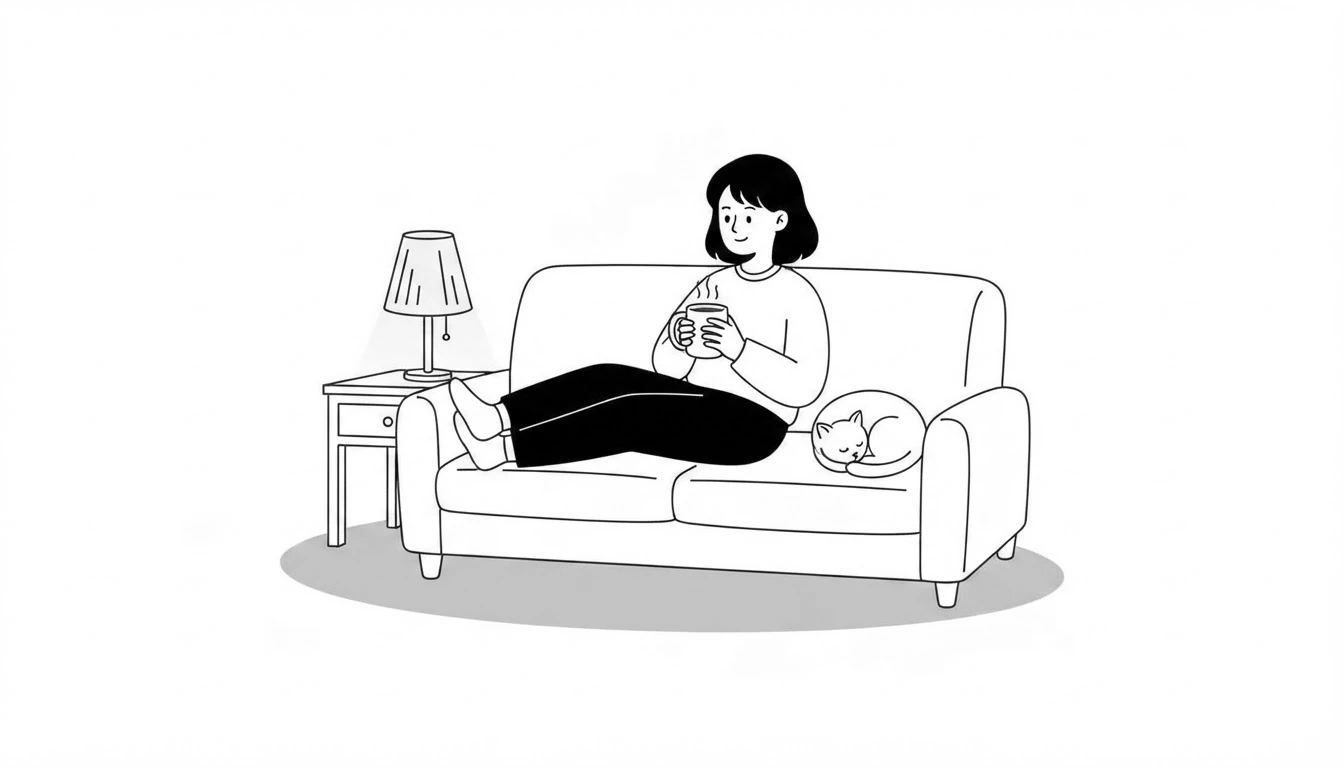
Por la noche — in the evening / at night
| 🇬🇧 Inglés | Pronunciación | 🇪🇸 Español |
|---|---|---|
| get changed | /ˌɡet ˈtʃeɪndʒd/ | cambiarse de ropa |
| cook dinner | /ˌkʊk ˈdɪnə/ | hacer la cena |
| have dinner | /ˌhæv ˈdɪnə/ | cenar |
| do the washing-up | /ˌduː ðə ˌwɒʃɪŋ ˈʌp/ | fregar los platos |
| tidy up | /ˌtaɪdi ˈʌp/ | ordenar / recoger |
| watch TV | /ˌwɒtʃ ˌtiː ˈviː/ | ver la tele |
| relax on the sofa | /rɪˈlæks ɒn ðə ˈsəʊfə/ | relajarse en el sofá |
| have a bath | /ˌhæv ə ˈbɑːθ/ | darse un baño |
| set the alarm | /ˌset ði əˈlɑːm/ | poner el despertador |
| go to bed | /ˌɡəʊ tə ˈbed/ | irse a la cama |
| fall asleep | /ˌfɔːl əˈsliːp/ | quedarse dormido |
Aquí tienes que tener cuidado con algo. En español decimos «por la noche» para todo, pero el inglés distingue:
- In the evening es la tarde-noche, más o menos desde las 18:00 hasta que te acuestas. Es cuando cenas, ves la tele o quedas con alguien.
- At night es la noche cerrada, cuando ya se duerme: I don’t sleep well at night.
Por eso I have dinner at night suena raro, y lo natural es I have dinner in the evening. Y fíjate también en la preposición: in the morning / in the afternoon / in the evening, pero at night. Sin lógica aparente, sí. Hay que aprendérselo así.
La rutina semanal y el fin de semana
Tu rutina no es solo lo que haces cada día. Para hablar de la semana completa necesitas esto:
| 🇬🇧 Inglés | 🇪🇸 Español |
|---|---|
| on Mondays / on Fridays | los lunes / los viernes |
| on weekdays | entre semana |
| at the weekend (BrE) / on the weekend (AmE) | el fin de semana |
| every other day | un día sí y otro no |
| twice a week / three times a month | dos veces por semana / tres veces al mes |
| work from home | teletrabajar |
| have a day off | tener el día libre |
| sleep in | dormir hasta tarde |
| go out for dinner | salir a cenar |
| meet up with friends | quedar con amigos |
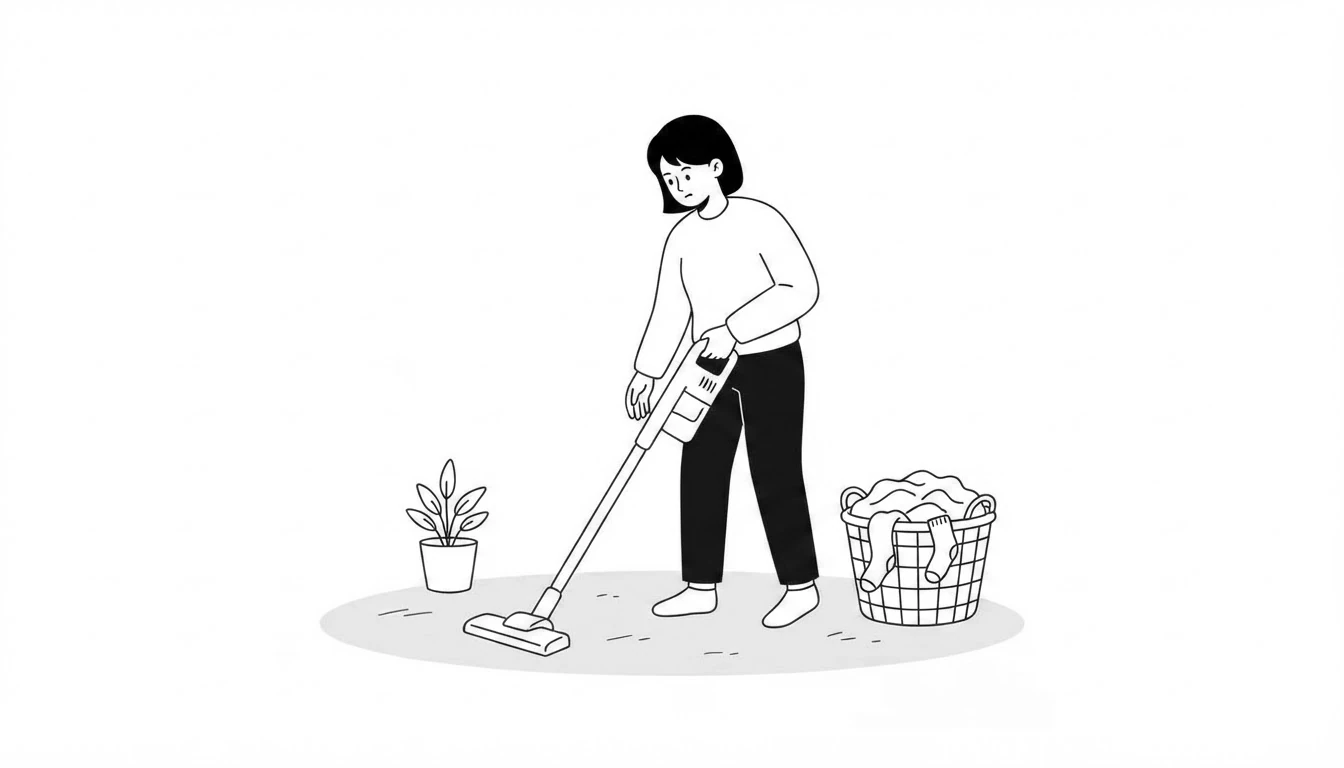
Las tareas de casa — household chores
Este bloque cae muchísimo en el Speaking y casi nadie lo lleva preparado:
| 🇬🇧 Inglés | Pronunciación | 🇪🇸 Español |
|---|---|---|
| do the dishes | /ˌduː ðə ˈdɪʃɪz/ | fregar los platos |
| do the laundry | /ˌduː ðə ˈlɔːndri/ | poner una lavadora |
| do the ironing | /ˌduː ði ˈaɪənɪŋ/ | planchar |
| hoover / vacuum | /ˈhuːvə/ | pasar la aspiradora |
| mop the floor | /ˌmɒp ðə ˈflɔː/ | fregar el suelo |
| take out the rubbish | /ˌteɪk aʊt ðə ˈrʌbɪʃ/ | sacar la basura |
| water the plants | /ˌwɔːtə ðə ˈplɑːnts/ | regar las plantas |
| take the dog for a walk | /ˌteɪk ðə ˈdɒɡ fər ə ˈwɔːk/ | sacar al perro |
Habrás notado que aquí aparece do por todas partes… pero también make the bed. Es la eterna duda, y si te lía te recomiendo que le eches un vistazo a mi post sobre la diferencia entre DO y MAKE, donde lo explico a fondo. La regla rápida: do para tareas y obligaciones, make para cuando creas o produces algo.
La gramática de las rutinas: el present simple
De nada te sirve saberte cincuenta verbos si luego los colocas mal en la frase. Y aquí la buena noticia es que para hablar de tu rutina solo necesitas un tiempo verbal: el present simple.
¿Por qué? Porque el present simple es el tiempo de los hábitos, las rutinas y las cosas que se repiten. No estás describiendo lo que haces ahora mismo, sino lo que haces habitualmente. Si quieres la explicación completa, la tienes en mi guía del Present Simple. Aquí te resumo lo que necesitas para las rutinas.
La -s de la tercera persona (y sus trampas)
Con he, she e it, el verbo lleva -s. Parece fácil y es donde más se falla:
| Regla | 🇬🇧 Ejemplo |
|---|---|
| Normalmente, se añade -s | He gets up at seven. |
| Verbos en -ch, -sh, -ss, -x, -o → -es | She watches TV. / He goes to the gym. |
| Consonante + -y → -ies | She studies in the evening. |
| Vocal + -y → solo -s | He stays at home on Sundays. |
| Have es irregular → has | She has breakfast at eight. |
Negativas y preguntas
Para negar e interrogar necesitas el auxiliar do / does. Y recuerda la regla de oro: si aparece el auxiliar, el verbo principal pierde la -s.
- ✓ I don’t have breakfast during the week.
- ✓ She doesn’t work on Fridays. — ✗ She doesn’t works…
- ✓ Do you get up early?
- ✓ Does he go to the gym every day? — ✗ Does he goes…
Si las preguntas se te resisten, en su momento te conté cómo funcionan en el post sobre las preguntas yes/no y wh-.
Present simple vs present continuous
Este es el contraste que más confunde, y con las rutinas se ve clarísimo:
- I usually get up at seven. → tu rutina de siempre. Present simple.
- I‘m getting up at six this week because I’ve got exams. → algo temporal, que se sale de la rutina. Present continuous.
La clave está en preguntarte si hablas de lo habitual o de lo excepcional. Lo desarrollo con muchos más ejemplos en Present Simple vs Present Continuous.
Errores típicos del hispanohablante
Estos los veo constantemente corrigiendo Speakings y Writings. Míralos bien, porque son fáciles de eliminar:
- ✗ I wake up me at seven. → ✓ I wake up at seven. (En inglés no hay verbos reflexivos como en español.)
- ✗ Every day I go to gym. → ✓ …to the gym.
- ✗ I go to the bed at eleven. → ✓ I go to bed at eleven. (Sin artículo, ojo, justo al revés que el anterior.)
- ✗ I do a shower. → ✓ I have a shower.
- ✗ I have 30 years. → ✓ I am 30 years old.
- ✗ I take breakfast. → ✓ I have breakfast.
- ✗ The Mondays I work from home. → ✓ On Mondays I work from home.
Adverbios de frecuencia y expresiones de tiempo
Aquí es donde tu rutina deja de ser una lista robótica de acciones y empieza a sonar a persona real. Porque no es lo mismo I go to the gym que I hardly ever go to the gym.
Los adverbios de frecuencia
| 🇬🇧 Adverbio | Frecuencia | 🇪🇸 Español |
|---|---|---|
| always | 100 % | siempre |
| usually / normally | ~90 % | normalmente |
| often / frequently | ~70 % | a menudo |
| sometimes | ~50 % | a veces |
| occasionally | ~30 % | de vez en cuando |
| hardly ever / rarely / seldom | ~10 % | casi nunca |
| never | 0 % | nunca |
Un aviso: never y hardly ever ya son negativos por sí solos. Por eso ✗ I don’t never get up early es incorrecto; lo correcto es ✓ I never get up early.
Dónde se colocan en la frase (el error número 1)
Si te quedas con una sola cosa de esta sección, que sea esta regla:
- Antes del verbo principal: I always have breakfast. — ✗ I have always breakfast.
- Después del verbo to be: She is never late. — ✗ She never is late.
- Entre el auxiliar y el verbo: I don’t usually work at weekends.
En cambio, las expresiones largas de frecuencia (every day, twice a week, once a month, from time to time) no van ahí: se colocan al final de la frase, o al principio si quieres darles énfasis.
- ✓ I go to the gym three times a week.
- ✓ Every morning, I take the dog for a walk.
Expresiones de secuencia para encadenar tu rutina
Esto es lo que convierte cuatro frases sueltas en un discurso que fluye. Úsalas y notarás el salto inmediatamente:
| 🇬🇧 Expresión | 🇪🇸 Español | Ejemplo |
|---|---|---|
| first (of all) | primero | First, I have a shower. |
| then / next | luego / después | Then I get dressed. |
| after that | después de eso | After that, I have breakfast. |
| later on | más tarde | Later on, I check my emails. |
| before / after + -ing | antes de / después de | Before going to bed, I read. |
| as soon as | en cuanto | As soon as I get home, I get changed. |
| finally / in the end | por último | Finally, I set the alarm. |
Y si ya andas por un nivel intermedio o avanzado y quieres ir más allá de then y after that, te dejo mis listas de conectores para el B2 y conectores para el C1.
Preposiciones de tiempo: at, in, on
| Preposición | Se usa con | 🇬🇧 Ejemplos |
|---|---|---|
| at | horas y momentos puntuales | at 7 o’clock, at midnight, at night, at lunchtime, at the weekend |
| in | partes del día, meses, estaciones | in the morning, in the afternoon, in the evening, in summer |
| on | días y fechas | on Mondays, on weekdays, on Christmas Day, on 5th May |
Phrasal verbs y collocations de la rutina diaria
Llegamos a la parte que casi nadie te cuenta y que, sin embargo, es la que de verdad marca la diferencia entre sonar a libro de texto y sonar a persona.
Phrasal verbs imprescindibles
| 🇬🇧 Phrasal verb | Pronunciación | 🇪🇸 Significado | Ejemplo |
|---|---|---|---|
| wake up | /ˌweɪk ˈʌp/ | despertarse | I wake up before my alarm goes off. |
| get up | /ˌɡet ˈʌp/ | levantarse de la cama | I get up as soon as I wake up. |
| get ready | /ˌɡet ˈredi/ | arreglarse, prepararse | It takes me 20 minutes to get ready. |
| set off | /ˌset ˈɒf/ | ponerse en camino | I set off for work at half past eight. |
| drop off | /ˌdrɒp ˈɒf/ | dejar (a alguien) en un sitio | I drop the kids off at school. |
| pick up | /ˌpɪk ˈʌp/ | recoger | My partner picks them up at five. |
| wind down | /ˌwaɪnd ˈdaʊn/ | relajarse, desconectar | I need an hour to wind down before bed. |
| doze off / nod off | /ˌdəʊz ˈɒf/ | quedarse traspuesto | I always nod off in front of the TV. |
| stay up | /ˌsteɪ ˈʌp/ | quedarse despierto hasta tarde | I try not to stay up past midnight. |
| sleep in / lie in | /ˌsliːp ˈɪn/ | dormir hasta tarde | I sleep in at the weekend. |
Si te gustan los phrasal verbs (o si te dan pánico, que suele ser lo habitual), tengo una lista de phrasal verbs comunes que te vendrá muy bien.
Get up vs wake up, y otros pares que se confunden
Este es el par estrella, y la diferencia es más simple de lo que parece:
- Wake up = despertarse, abrir los ojos. Es lo que le pasa a tu cerebro.
- Get up = levantarse, salir de la cama. Es lo que hace tu cuerpo.
Por eso esta frase tiene todo el sentido del mundo: I wake up at seven, but I don’t get up until half past. Me suena muy familiar, la verdad. 🙂
Otros pares que conviene tener claros:
- Have a shower (británico) / take a shower (americano). Los dos son correctos; elige uno y sé coherente.
- Make the bed ✓, nunca ✗ do the bed.
- Do the washing-up (fregar los platos) vs do the washing (poner la lavadora). Una letra de diferencia y dos tareas distintas.
Collocations que suben tu nivel
Una collocation es una combinación de palabras que los nativos usan de forma natural. Aprenderlas en bloque es lo que hace que dejes de traducir del español:
| 🇬🇧 Collocation | 🇪🇸 Significado |
|---|---|
| be a morning person | ser de mañanas |
| be a night owl | ser nocturno, trasnochador |
| be a creature of habit | ser muy de costumbres |
| get into a routine | coger una rutina |
| stick to a routine | mantener la rutina |
| have a hectic schedule | tener una agenda de locos |
| run late | ir con retraso |
| grab a coffee / grab a bite to eat | tomar algo rápido |
| be snowed under (with work) | estar hasta arriba de trabajo |
| call it a day | dar el día por terminado |
| hit the sack | irse al catre |
Como el trabajo se cuela en la rutina de casi todo el mundo, te dejo también mi post sobre las collocations con WORK.
Mi rutina diaria en inglés: textos modelo por nivel
Y ahora llegamos a la parte que, sinceramente, es la razón por la que quería escribir este artículo. Porque el problema de la mayoría de las listas de vocabulario que hay por ahí es que te dejan tirado justo aquí: te dan las palabras, pero no te enseñan cómo cambia la forma de contar tu rutina según tu nivel.
Lo que viene a continuación es la misma rutina, la de la misma persona, contada cuatro veces: en A2, B1, B2 y C1. Los hechos no cambian. Lo que cambia es cómo se cuentan.
Un apunte importante antes de empezar: cada texto está escrito para simular ese nivel exacto, sin llegar al siguiente. No busques en el de A2 una maravilla literaria, porque entonces no sería A2.
Mi rutina diaria en A2 Key
I get up at seven o’clock every day. First, I have a shower and I get dressed. Then I have breakfast with my family. I usually eat toast and I drink coffee. I go to work by bus at eight o’clock. I finish work at five and I go home. In the evening, I cook dinner and I watch TV. I go to bed at eleven o’clock. I am very tired!
Qué lo hace A2:
- Frases cortas y de una sola idea, casi todas con la estructura sujeto + verbo + complemento.
- Conectores muy básicos: first, then, and.
- Léxico de altísima frecuencia: get up, have breakfast, go to work, watch TV.
- Un único adverbio de frecuencia (usually) y horas exactas.
- Cumple la tarea perfectamente. Y eso, en A2, es exactamente lo que se pide.
Mi rutina diaria en B1 Preliminary
I’m not really a morning person, so I usually get up at about seven, although I never get out of bed straight away. First, I have a quick shower and get dressed. After that, I have breakfast — normally toast and a strong coffee, because I really need it! I catch the bus to work at half past eight and I start at nine. I have lunch with my colleagues at two, and I finish at six. In the evening, I cook dinner and sometimes I go for a walk. Before I go to bed, I read for a while because it helps me relax.
Qué lo hace B1:
- Aparecen las subordinadas: so, although, because, before I go to bed. Las frases se encadenan en lugar de yuxtaponerse.
- Conectores de secuencia más variados: after that, first.
- Varios adverbios de frecuencia bien colocados: usually, never, normally, sometimes.
- Empieza a haber matiz y opinión, no solo hechos: I’m not really a morning person, because it helps me relax.
- Aproximaciones naturales: at about seven, for a while.
Mi rutina diaria en B2 First
I’d say I’m quite an organised person, although my routine falls apart completely at the weekend. During the week I get up at seven and, even though I’m always tempted to have a lie-in, I force myself to get straight out of bed. I tend to have a light breakfast while I check the news, and then I set off for work at around half past eight. Work keeps me busy until six, with a proper break for lunch, which I always take away from my desk — otherwise I end up feeling completely drained by the evening. Once I get home, I cook something simple and I try to wind down before bed instead of scrolling through my phone, which never helps me sleep.
Qué lo hace B2:
- Estructuras más complejas: even though, otherwise, once, instead of + -ing, y una relativa no defining (which I always take away from my desk).
- Variedad léxica real: tempted, force myself, drained, proper break, en lugar de repetir los verbos básicos.
- Phrasal verbs naturales integrados: set off, wind down, end up, fall apart, scroll through.
- Fórmulas de matiz propias del nivel: I’d say…, I tend to…, at around….
- Hay valoración personal y contraste (entre semana vs. fin de semana), no una simple enumeración.
Mi rutina diaria en C1 Advanced
I’m very much a creature of habit, and I’ve come to realise that my routine is the only thing keeping me sane during the week. No sooner does my alarm go off at half past six than I’m out of bed — not because I’m particularly disciplined, but because I’ve learnt the hard way that hitting snooze ruins the rest of my morning. What I tend to do is spend the first half hour with a coffee and no screens, which sets me up for the day far better than rushing around ever did. I set off at eight and make a point of getting the most demanding tasks out of the way before lunch, when my concentration is at its peak. Evenings are deliberately unstructured: I cook, I catch up with my partner and I wind down properly. The only thing I’d change is how easily the whole thing collapses at the weekend — by Sunday night I’m invariably scrambling to get organised again.
Qué lo hace C1:
- Gramática avanzada: inversión (No sooner does my alarm go off… than…) y estructura enfática o cleft sentence (What I tend to do is…).
- Léxico preciso e idiomático: a creature of habit, come to realise, learn the hard way, set me up for the day, make a point of, get out of the way, at its peak, invariably, scramble.
- El texto no enumera: argumenta. Explica el porqué de cada decisión y se posiciona.
- Registro controlado, con autocrítica y matiz al final (The only thing I’d change is…).
- Aun así, se mantiene por debajo del C2: no hay recursos retóricos sofisticados ni un registro especialmente literario.
Qué cambia de un nivel a otro: tabla comparativa
| Elemento | A2 Key | B1 Preliminary | B2 First | C1 Advanced |
|---|---|---|---|---|
| Longitud de frase | Corta, una idea | Media, con subordinada | Larga, varias cláusulas | Variada, con ritmo intencionado |
| Conectores | and, then, first | because, although, after that | even though, otherwise, once, instead of | Inversión, cleft sentences, contraste implícito |
| Léxico | Básico y frecuente | Frecuente + alguna expresión | Variado, con phrasal verbs | Preciso e idiomático |
| Actitud | Solo hechos | Hechos + alguna opinión | Valoración y contraste | Argumentación y autocrítica |
| Riesgo | Ninguno | Bajo | Estructuras arriesgadas puntuales | Riesgo asumido y bien resuelto |
Fíjate en la fila de «Actitud», porque en mi experiencia es la que más rápido sube la nota. Pasar de enumerar a valorar no requiere saberse mil palabras nuevas: requiere decidir contar tu rutina, no recitarla.
Cómo hablar de tu rutina en el Speaking de Cambridge
Y ahora lo práctico: esto cae en el examen. No es un «podría caer»: es de los temas más recurrentes que existen.
Dónde aparece la rutina diaria en el examen
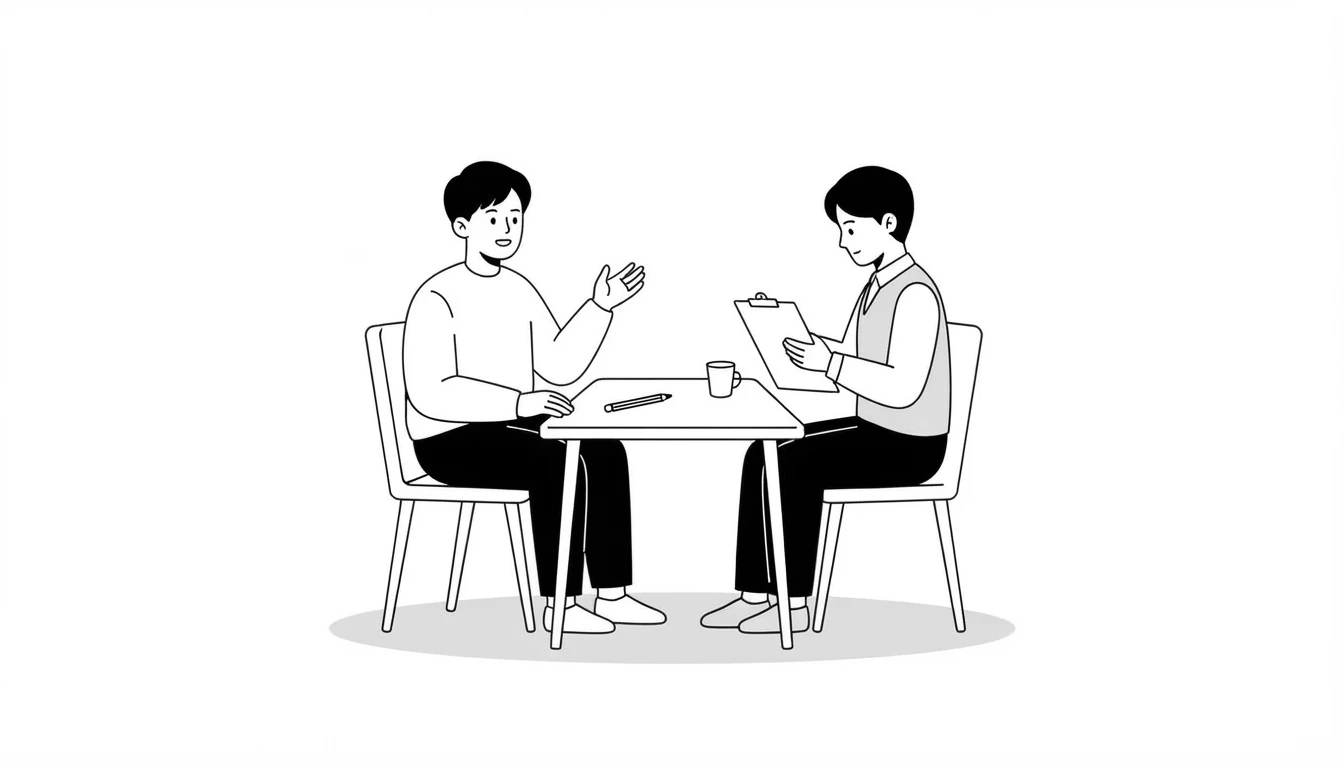
La rutina diaria es territorio de la Part 1 del Speaking, esa primera parte en la que el examinador te hace preguntas personales sencillas para romper el hielo y hacerse una primera idea de tu nivel. Aparece en:
- A2 Key (KET) — preguntas muy directas sobre tu día a día.
- B1 Preliminary (PET) — se espera que amplíes un poco cada respuesta.
- B2 First (FCE) — aquí ya no basta con contestar: hay que desarrollar.
Y aunque en el C1 Advanced las preguntas de la Part 1 son algo más abstractas, es muy habitual que te pregunten por cómo organizas tu tiempo o cómo has cambiado tus hábitos.
Preguntas típicas del examinador
- Tell me about your typical day.
- What do you usually do in the mornings?
- Do you have the same routine every day?
- What’s the best part of your day? Why?
- Do you prefer weekdays or weekends? Why?
- Would you like to change anything about your daily routine?
- Do you think it’s important to have a routine?
Cómo NO sonar de nivel A2 cuando eres B2
Presta atención a esto, porque es el error que más veo como preparador de exámenes.
Un candidato con un B2 perfectamente sólido llega a la Part 1, le preguntan por su rutina y contesta: «I wake up, I have breakfast, I go to work.» Punto. Y en ese momento acaba de darle al examinador una muestra de lenguaje de nivel A2, aunque su inglés dé para mucho más. El Lexical Resource y el Discourse Management se resienten, y eso cuesta puntos.
El problema casi nunca es que no sepas. Es que la pregunta es tan fácil que te confías. Tres reglas para evitarlo:
- Nunca contestes con una frase suelta. Da el dato y añade un motivo, un detalle o una excepción. Dos o tres frases, no más: tampoco se trata de soltar un monólogo.
- Añade valoración, no solo hechos. Los hechos son A2. La opinión sobre los hechos es B2.
- Cambia el verbo genérico por la collocation precisa. No es lo mismo I go to bed late que I tend to stay up far later than I should.
Míralo en la práctica:
| Pregunta | ❌ Respuesta de nivel A2 | ✅ Respuesta de nivel B2 |
|---|---|---|
| What do you do in the mornings? | I get up and I go to work. | I’m not a morning person at all, so I keep my mornings as simple as possible. I get up at seven, grab a coffee and set off without thinking too much about it. |
| Do you have the same routine every day? | Yes, every day the same. | More or less, yes, at least during the week. The weekend is a different story, though — I tend to have a lie-in and my whole routine falls apart. |
| Would you like to change anything? | Yes, I want to sleep more. | Definitely. I’d love to stop staying up so late, because I always end up feeling drained by Thursday. It’s a habit I keep saying I’ll break. |
Respuesta modelo comentada (B1 Preliminary)
Pregunta del examinador: Tell me about a typical day for you.
Well, my days are quite similar, to be honest. I get up at about seven and I have breakfast with my sister before I leave. Then I go to class, and I usually stay there until two o’clock. In the afternoon I do my homework, and after that I sometimes meet up with friends. I like the evenings best because I can finally relax.
Por qué funciona en B1:
- Abre con una fórmula natural (Well…, to be honest) que gana un segundo de reflexión sin sonar a bloqueo.
- Ordena el día con conectores de secuencia: then, in the afternoon, after that.
- Usa adverbios de frecuencia correctamente colocados: usually stay, sometimes meet up.
- Cierra con una preferencia justificada (I like the evenings best because…), que es exactamente lo que eleva la respuesta por encima del A2.
- Se mantiene en B1: no hay estructuras avanzadas ni léxico de nivel superior.
Consejos rápidos para el examen
- No memorices un discurso entero. Se nota muchísimo y el examinador lo penaliza. Memoriza bloques: dos o tres collocations y una fórmula de opinión.
- Prepara la excepción. Ten lista una frase sobre en qué se diferencia tu fin de semana. Sirve para casi cualquier pregunta de rutina.
- Si no entiendes, pregunta. Sorry, could you repeat that? no te resta puntos; quedarte en blanco, sí.
- No inventes una vida que no tienes. Es más fácil hablar con fluidez de tu rutina real que de una ficticia que tienes que ir construyendo sobre la marcha.
Cómo aprender y practicar este vocabulario
Leer una lista no es aprender. Estas cuatro cosas sí funcionan, y las he visto funcionar con muchos alumnos:
- Narra tu mañana en voz alta. Literalmente, mientras te preparas: I’m having a shower, now I’m getting dressed…. Es gratis, no te lleva tiempo extra y automatiza el vocabulario a una velocidad sorprendente.
- Aprende en bloques, no palabras sueltas. No memorices bed; memoriza make the bed, go to bed, get out of bed. El cerebro recupera bloques mucho mejor que palabras aisladas.
- Grábate 60 segundos. Cuenta tu rutina, escúchate y compárala con el texto del nivel inmediatamente superior de este post. Verás con una claridad incómoda qué te falta.
- Etiqueta tu casa. Un post-it en la cafetera, otro en el espejo. Suena a tópico, pero con el vocabulario doméstico funciona muy bien.
Ejercicios de rutina diaria en inglés
Ahora te toca a ti. Haz los cinco ejercicios aquí abajo y comprueba tus respuestas sobre la marcha. 🙂
Y si prefieres una versión en texto que puedas copiar y pegar, la tienes aquí abajo 👇
Ejercicio 1. Completa con el verbo correcto
get up • have • make • brush • catch • do • take • set • fall • go
- I always _______________ my teeth after breakfast.
- She _______________ the bed as soon as she gets up.
- We _______________ dinner at around nine o’clock.
- He _______________ the bus to work every morning.
- I _______________ at seven o’clock during the week.
- They _______________ the washing-up together after dinner.
- Don’t forget to _______________ the alarm tonight!
- My father _______________ the dog for a walk every evening.
- I _______________ to bed at about eleven.
- I often _______________ asleep on the sofa.
Show answers
- brush
- makes — recuerda: make the bed, nunca do the bed.
- have
- catches — tercera persona, -ch → -es.
- get up
- do
- set — tras to, infinitivo sin conjugar.
- takes
- go
- fall
Ejercicio 2. Coloca el adverbio de frecuencia en su sitio
- I have breakfast at home. (always)
- She is late for work. (never)
- We go to the gym after work. (sometimes)
- He doesn’t work at the weekend. (usually)
- They are tired on Monday mornings. (often)
- I go to bed before midnight. (hardly ever)
- My sister does the ironing. (rarely)
- You should set your alarm. (always)
Show answers
- I always have breakfast at home.
- She is never late for work. (después de to be)
- We sometimes go to the gym after work. (también válido al principio o al final)
- He doesn’t usually work at the weekend. (entre el auxiliar y el verbo)
- They are often tired on Monday mornings.
- I hardly ever go to bed before midnight.
- My sister rarely does the ironing.
- You should always set your alarm. (entre el modal y el verbo)
Ejercicio 3. Elige la preposición: at, in o on
- I get up _______________ half past six.
- We have lunch _______________ the afternoon.
- She works from home _______________ Fridays.
- I don’t sleep well _______________ night.
- They go out for dinner _______________ the weekend.
- He goes to the gym _______________ the morning.
- I never work _______________ weekdays after six.
- We watch a film _______________ the evening.
Show answers
- at
- in
- on
- at — at night, la excepción de la familia.
- at (británico) / on (americano)
- in
- on
- in
Ejercicio 4. Une el phrasal verb con su significado
| Phrasal verb | Meaning |
|---|---|
| 1. wind down | a. to remain awake later than usual |
| 2. set off | b. to sleep later in the morning than you normally do |
| 3. nod off | c. to relax before going to sleep |
| 4. stay up | d. to collect someone from a place |
| 5. sleep in | e. to start a journey |
| 6. pick up | f. to prepare yourself before going out |
| 7. get ready | g. to fall asleep without meaning to |
| 8. drop off | h. to take someone somewhere and leave them there |
Show answers
1-c · 2-e · 3-g · 4-a · 5-b · 6-d · 7-f · 8-h
Ejercicio 5. Sube de nivel: reescribe de A2 a B2
Reescribe cada frase para que signifique lo mismo, usando la palabra en mayúsculas y las expresiones del post.
- I get up late at the weekend. (LIE-IN)
- I go to bed very late. (OWL)
- I have a lot of work at the moment. (SNOWED)
- I am very tired in the evening. (DRAINED)
- I do the same things every day. (CREATURE)
Show answers
- I have a lie-in at the weekend.
- I’m a night owl.
- I’m snowed under with work at the moment.
- I’m drained in the evening.
- I’m a creature of habit.
¿Cómo ha ido? Si has fallado en los adverbios de frecuencia o en las preposiciones, no te agobies: son justo los dos puntos donde falla casi todo el mundo, y se corrigen con práctica.
Conclusión
Hablar de tu rutina diaria en inglés parece el tema más sencillo del mundo, y en cierto modo lo es: el vocabulario es asequible y la gramática se reduce al present simple. Pero precisamente por ser fácil es donde muchos estudiantes se delatan, dando respuestas de nivel A2 cuando su inglés da para mucho más.
Así que quédate con lo esencial: aprende el vocabulario en bloques, no en palabras sueltas; coloca bien los adverbios de frecuencia; encadena tu día con conectores de secuencia; y, sobre todo, no te limites a enumerar. Añade un porqué, una excepción, una opinión. Ese es el salto de nivel.
Si estás preparando un examen de Cambridge, te recomiendo que sigas por aquí: la guía del Present Simple, el Speaking Part 1 del B2 First y, si quieres seguir ampliando vocabulario, mis posts de vocabulario de comida y vocabulario de ropa.
¿Te ha parecido útil este post? Compártelo con otros estudiantes y profesores de inglés a quienes les pueda venir bien. Y si quieres recibir más contenido como este, suscríbete a nuestro newsletter y síguenos en Facebook, Twitter, Pinterest, Instagram y YouTube.
Nos vemos en el próximo post. Hasta entonces, don’t forget to keep smiling! 🙂
