

Tabla de contenidos
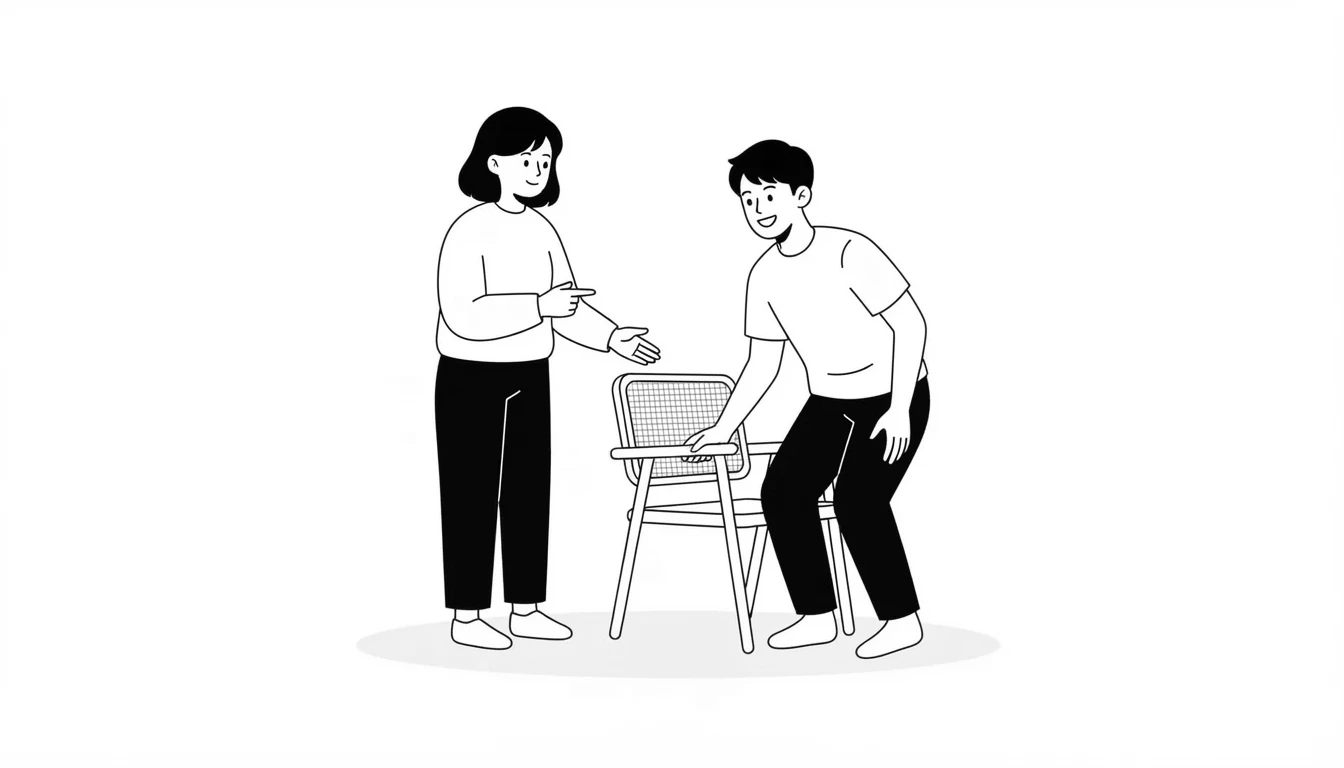
Sit down. Don’t worry. Let’s go. Seguro que has oído estas frases mil veces. Son imperativos, la forma que usamos en inglés para dar órdenes, instrucciones, consejos o invitaciones. Y tengo una buena noticia: es probablemente la estructura más fácil de toda la gramática inglesa. No hay que conjugar nada, no cambia con tú, vosotros o usted y casi siempre se forma con el verbo tal cual.
El problema no está en formarlo, sino en usarlo bien. Muchos alumnos suenan bruscos sin querer, porque en español damos órdenes con mucha naturalidad y en inglés eso no siempre queda bien. A continuación tienes cómo se forma el imperativo en inglés (afirmativo y negativo), cómo funcionan let’s, do y always/never, cómo sonar educado, los errores típicos de los hispanohablantes, cómo te puede ayudar en los exámenes de Cambridge y treinta frases de ejercicios con soluciones. 🙂
¿Qué es el imperativo en inglés?
El imperativo (imperative) es la forma verbal que usamos para decirle a alguien que haga o que no haga algo. No solo sirve para dar órdenes; también lo usamos para:
- Dar instrucciones: Turn left at the traffic lights. (Gira a la izquierda en el semáforo.)
- Dar consejos: Get some rest. (Descansa un poco.)
- Invitar u ofrecer: Have a biscuit. (Coge una galleta.)
- Advertir: Be careful! (¡Ten cuidado!)
- Pedir algo: Pass me the salt, please. (Pásame la sal, por favor.)
- Desear algo: Have a nice weekend! (¡Que pases un buen fin de semana!)
O sea, que muchas veces no tiene nada de autoritario. Que una frase sea educada o borde depende más del contexto, del tono y de lo que le añadas que del propio imperativo.
Cómo se forma el imperativo en inglés
Imperativo afirmativo
Se forma con el verbo en su forma base, es decir, el infinitivo sin to. Y normalmente sin sujeto: no decimos you, porque ya se entiende que hablamos con la persona que nos escucha.
- Open the window. (Abre la ventana.)
- Listen to me. (Escúchame.)
- Be quiet. (Estate callado.)
Imperativo negativo
Se forma con don’t + verbo en forma base. En textos formales, carteles o instrucciones escritas también verás la forma completa do not.
- Don’t open the window. (No abras la ventana.)
- Don’t be late. (No llegues tarde.)
- Do not leave your bags unattended. (No deje sus bolsas desatendidas.)
Fíjate en el segundo ejemplo: con el verbo be también se usa don’t. Decimos Don’t be late, nunca Be not late ni Not be late.
| Tipo | Estructura | 🇬🇧 Ejemplo | 🇪🇸 Traducción |
|---|---|---|---|
| Afirmativo | verbo base | Close the door. | Cierra la puerta. |
| Negativo | don’t + verbo base | Don’t close the door. | No cierres la puerta. |
| Con be | be / don’t be + adjetivo | Don’t be silly. | No seas tonto. |
| Primera persona del plural | let’s / let’s not + verbo base | Let’s go home. | Vámonos a casa. |
| Enfático | do + verbo base | Do sit down. | Siéntate, por favor (de verdad). |
Una sola forma para tú, vosotros y usted
Aquí el inglés nos lo pone muy fácil. En español tenemos ven, venid, venga y vengan; en inglés todo eso es simplemente come. Da igual que hables con un amigo, con tu jefe o con una clase entera:
- Come in, Laura. (Pasa, Laura.)
- Come in, everyone. (Pasad, todos.)
- Come in, Mr Davies. (Pase, señor Davies.)
La cortesía, como verás más abajo, no está en el verbo, sino en lo que lo rodea.
Let’s: el imperativo con «nosotros»
Cuando la propuesta te incluye a ti, usamos let’s + verbo base. Es la forma más natural de sugerir algo a un grupo del que formas parte, como nuestro «vamos a…» o el verbo en primera persona del plural.
- Let’s have a break. (Hagamos un descanso.)
- Let’s watch a film tonight. (Veamos una peli esta noche.)
Para el negativo, lo normal es let’s not: Let’s not argue about it. (No discutamos por eso.) En inglés británico informal también oirás don’t let’s, pero es menos frecuente y no te hace falta usarlo.
Ojo con no confundir estas tres:
- Let’s (let us) = sugerencia: Let’s go. (Vámonos.)
- Let us, sin contraer, suele ser una petición de permiso: Let us go! (¡Déjanos irnos!) También aparece en textos muy formales o religiosos.
- Let me / let him / let them = «déjame, déjale, déjales»: Let me help you. (Déjame ayudarte.)
Otras formas del imperativo
Do + imperativo para insistir
Si pones do delante del imperativo afirmativo, la frase gana fuerza. Suena insistente pero amable, y es muy típico del inglés británico cuando invitas a alguien:
- Do come in! (¡Pasa, pasa!)
- Do help yourself to more cake. (Sírvete más tarta, de verdad.)
Always y never con imperativo
Con always y never damos consejos o normas generales. Se colocan delante del verbo, y con never no hace falta don’t:
- Always check your answers. (Revisa siempre tus respuestas.)
- Never leave your passport in the car. (Nunca dejes el pasaporte en el coche.)
Decir Don’t never leave… es un error: sería una doble negación.
Imperativo con sujeto
A veces sí se añade el sujeto, normalmente you o un nombre, para contrastar (a quién le toca qué) o para dar más fuerza a la orden:
- You sit here, and you sit over there. (Tú siéntate aquí y tú ahí.)
- Somebody call an ambulance! (¡Que alguien llame a una ambulancia!)
- Don’t you dare touch my phone! (¡Ni se te ocurra tocar mi móvil!)
Cuidado, porque You sit down! con el tono equivocado puede sonar bastante agresivo.
Imperativo + and / or
Un imperativo seguido de and o or funciona casi como una condicional:
- Study every day and you’ll pass. (Si estudias todos los días, aprobarás.)
- Hurry up, or we’ll miss the train. (Date prisa o perderemos el tren.)
Cómo sonar educado con el imperativo
Este es el punto más importante del post. En español decimos «pásame la sal» a cualquiera y no pasa nada. En inglés, un imperativo a secas con alguien que no conoces mucho puede sonar seco o incluso maleducado. Y no, añadir please no siempre lo arregla: Give me a coffee, please sigue sonando bastante brusco en una cafetería.
Lo que hacen los nativos es suavizar la petición. De más directo a más educado:
| Grado | 🇬🇧 Ejemplo | Cuándo usarlo |
|---|---|---|
| Directo | Open the window. | Instrucciones, familia, situaciones urgentes. |
| Con please | Open the window, please. | Amigos, compañeros, peticiones sencillas. |
| Con question tag | Open the window, will you? | Informal, con confianza. |
| Con can / could | Could you open the window, please? | La opción más segura casi siempre. |
| Muy educado | Would you mind opening the window? | Desconocidos, contextos formales. |
Otros trucos que usan mucho los nativos son just (Just wait a second.) para quitarle importancia a lo que pides, y empezar con un Sorry, could you…? Si quieres profundizar en can, could y compañía, tienes mi post sobre can, could y be able to y la guía de los verbos modales.
El imperativo con question tags
Una forma muy natural de suavizar un imperativo es añadir una question tag al final. Con el afirmativo se usa will you? y, para sonar más amable, would you?, can you? o could you? Con el negativo, siempre will you?. Y con let’s, shall we?
- Help me with these bags, would you?
- Don’t tell anyone, will you?
- Let’s start, shall we?
Para invitar, también se usa won’t you?: Have another drink, won’t you? Si quieres ver todos los casos, te los explico en mi post sobre las question tags.
El imperativo en instrucciones, recetas y carteles
El imperativo es el rey de los textos de instrucciones. En una receta, un manual o un cartel nadie usa could you: ahí lo normal es ir al grano.
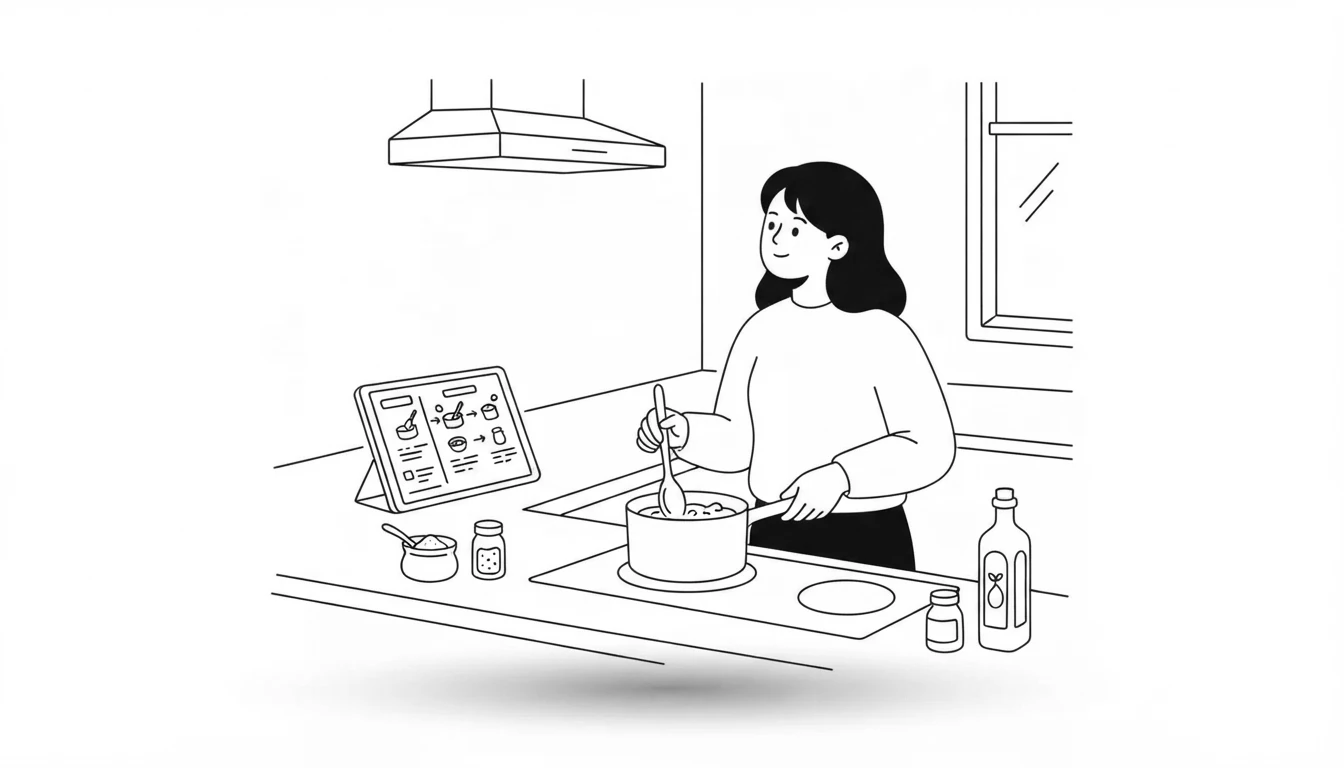
- Recetas: Chop the onions. Add the garlic and stir for two minutes. Don’t let it burn.
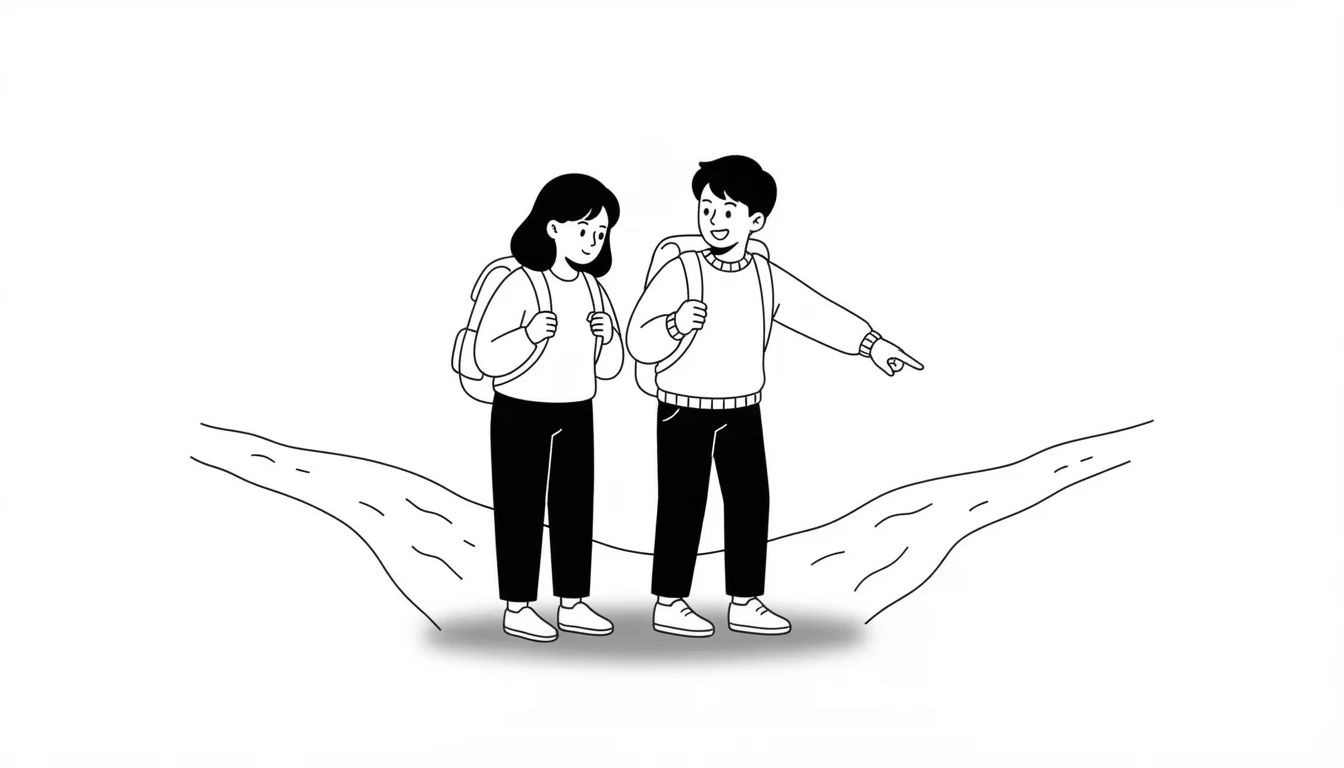
- Indicaciones: Go straight on, take the second left and cross the bridge.
- Carteles y avisos: Keep off the grass. Do not disturb. Mind the gap. Please queue here.
- Instrucciones de examen: Read the text. Choose the correct answer. Write between 100 and 120 words.
Si te interesa el vocabulario de cocina para escribir tus propias recetas, échale un ojo a mi post de comida en inglés.
Errores comunes con el imperativo
| ❌ Incorrecto | ✅ Correcto | Por qué |
|---|---|---|
| No touch the oven. | Don’t touch the oven. | El negativo se forma con don’t, no con no. |
| Not be late. | Don’t be late. | Con be también se usa don’t. |
| Don’t to worry. | Don’t worry. | Después de don’t va el verbo sin to. |
| Let’s to go. / Let’s going. | Let’s go. | Let’s va con el verbo en forma base. |
| Don’t let’s to argue. | Let’s not argue. | El negativo más natural es let’s not + verbo. |
| Don’t never do that. | Never do that. | Never ya es negativo; no lleva don’t. |
| Sits down, please. | Sit down, please. | El imperativo no lleva la -s de tercera persona. |
| Give me a coffee. (en un bar) | Could I have a coffee, please? | Gramaticalmente está bien, pero suena brusco. |
El imperativo en los exámenes de Cambridge
El imperativo aparece en más sitios de los que parece:
- Reading del A2 Key y del B1 Preliminary. En la Part 1 lees avisos, carteles y mensajes cortos llenos de imperativos (Please return books to the desk, Don’t park here), y tienes que entender qué te piden exactamente.
- Writing. En las notas y emails del Writing del A2 Key y del B1 Preliminary es muy útil para dar instrucciones o cerrar con una petición: Don’t forget to bring your swimming costume! Let me know if you can come.
- Speaking. Al dar consejos o hacer propuestas en el Speaking del B1 Preliminary, Let’s choose the museum, shall we? o Let’s not decide yet te ayudan a interactuar con tu compañero de forma natural.
Eso sí, recuerda la parte de la cortesía: en un email formal, un imperativo a secas (Send me the information) puede bajarte nota en el registro. Mejor Could you send me…? o I would be grateful if you could…
Preguntas frecuentes sobre el imperativo en inglés
¿Cómo se forma el imperativo en inglés?
Con el verbo en forma base y sin sujeto para el afirmativo (Wait here), y con don’t + forma base para el negativo (Don’t wait here).
¿El imperativo en inglés cambia según la persona?
No. La misma forma sirve para tú, vosotros, usted y ustedes. La única forma distinta es let’s, que te incluye a ti (nosotros).
¿Qué diferencia hay entre «let’s» y «let us»?
Let’s es una sugerencia (Let’s go = vámonos). Let us sin contraer suele ser una petición de permiso (Let us go = déjanos ir) o un uso muy formal.
¿Es de mala educación usar el imperativo en inglés?
No en sí mismo. Para instrucciones, consejos, ofrecimientos o con gente de confianza es perfectamente normal. Pero para pedir algo a un desconocido es mejor usar Could you…? o Would you mind…?
¿Se puede poner «you» delante del imperativo?
Sí, para contrastar o enfatizar: You go first. Pero ten cuidado con el tono, porque puede sonar autoritario.
Ejercicios del imperativo en inglés
Ponte a prueba con estas treinta frases: órdenes, consejos, let’s y alguna que otra trampa. Aquí abajo tienes tres ejercicios interactivos que se corrigen solos, así que sabrás al momento qué tal lo has hecho.
Y si quieres estos ejercicios en texto para copiarlos, pegarlos o adaptarlos a tus clases, aquí abajo los tienes con sus soluciones 👇
Exercise 1: choose the correct option
Choose the correct option to complete each sentence.
- (Don’t touch / No touch) the oven. It’s very hot.
- (Not be / Don’t be) late for the exam tomorrow.
- (Let’s go / Let’s to go) to the cinema tonight.
- (Never leave / Don’t never leave) your bag on the train.
- Please (sit / sits) down and wait for your name.
- (Let’s not / Don’t let’s to) talk about work this weekend.
- Help me with this box, (will you / do you)?
- Let’s take a taxi, (shall we / will we)?
- (Do come / Come do) in! We’ve been waiting for you.
- Hurry up, (or / and) we’ll miss the bus.
Ver respuestas
- Don’t touch
- Don’t be
- Let’s go
- Never leave
- sit
- Let’s not
- will you
- shall we
- Do come
- or
Exercise 2: complete with the imperative
Complete each sentence with the affirmative or negative imperative of the verb in brackets.
- _______________ (not / run) in the corridor, please.
- _______________ (be) careful with that knife, it’s sharp.
- _______________ (not / forget) to bring your passport.
- _______________ (turn) left at the traffic lights and the station is on your right.
- _______________ (not / be) silly, of course you can do it.
- _______________ (add) the eggs and mix everything for two minutes.
- _______________ (not / worry), I’ll help you with your homework.
- _______________ (have) a great time at the party!
- _______________ (not / open) the door to strangers.
- _______________ (call) me when you get home, please.
Ver respuestas
- Don’t run
- Be
- Don’t forget
- Turn
- Don’t be
- Add
- Don’t worry
- Have
- Don’t open
- Call
Exercise 3: correct or incorrect?
Decide whether each sentence is correct. If it is incorrect, rewrite it correctly.
- No smoke in the building.
- Don’t be late for dinner.
- Let’s to have a coffee.
- Not touch my laptop, please.
- Always wear a helmet when you ride your bike.
- Don’t to forget your keys.
- Opens the window, please.
- Don’t never cross the road without looking.
- Let’s not watch that film again.
- Be not afraid of making mistakes.
Ver respuestas
- Don’t smoke in the building.
- Correct
- Let’s have a coffee.
- Don’t touch my laptop, please.
- Correct
- Don’t forget your keys.
- Open the window, please.
- Never cross the road without looking.
- Correct
- Don’t be afraid of making mistakes.
Conclusión
Resumiendo: el imperativo en inglés se forma con el verbo base para el afirmativo y con don’t + verbo base para el negativo, sin sujeto y con una única forma para todas las personas. Para incluirte a ti, let’s; para insistir, do; y para normas generales, always y never. Lo que de verdad marca la diferencia es el tono: con desconocidos, suaviza con could you, would you mind o una question tag.
Si quieres seguir con la gramática, te recomiendo mi post sobre would rather y had better, que también sirven para dar consejos. ¿Tienes dudas con algún imperativo? Escríbeme y te ayudo.
¿Te ha parecido útil este post? Compártelo con otros estudiantes y profesores de inglés. Y si quieres más contenido como este, suscríbete a mi newsletter y sígueme en Facebook, Twitter, Pinterest, Instagram y YouTube.
Nos vemos en el próximo post. Hasta entonces, don’t forget to keep smiling! 🙂
