
Tabla de contenidos
Si alguna vez has visto una serie en inglés, seguro que has oído frases como It’s cold, isn’t it? o You don’t know him, do you? Esas preguntitas del final son las question tags, y son el equivalente a nuestro «¿verdad?» o «¿no?». La diferencia es que en español usamos siempre la misma coletilla y en inglés… cambia en cada frase. Por eso muchos alumnos las evitan, o se pasan al «¿right?» para todo.
No te preocupes, porque en realidad funcionan con un par de reglas muy claras. En este post te explico cómo se forman las question tags con todos los tiempos verbales, las excepciones que más se preguntan (aren’t I, let’s, los imperativos, nobody…), cómo cambia el significado según la entonación, los errores típicos de los hispanohablantes, cómo te ayudan en los exámenes de Cambridge y treinta frases de ejercicios con soluciones. ¡Vamos allá! 🙂
¿Qué son las question tags?
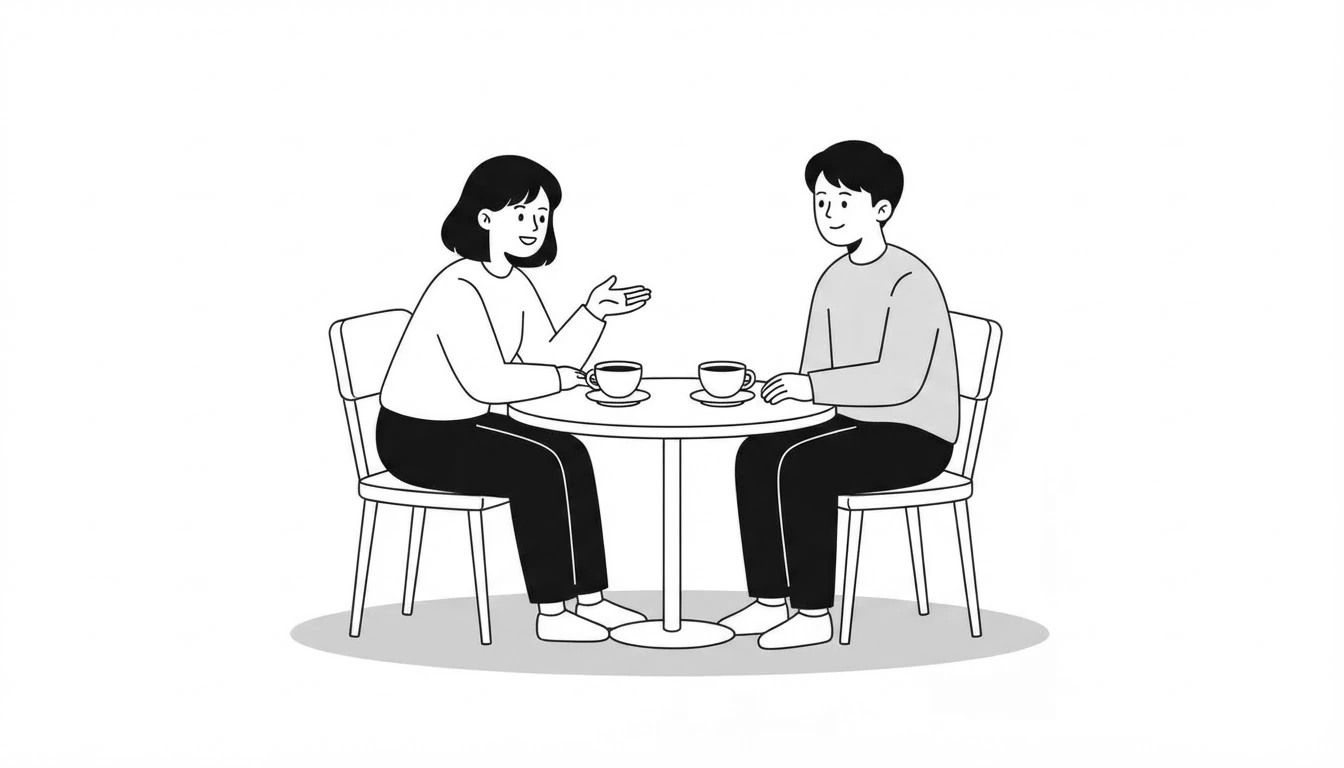
Una question tag (o tag question) es una pregunta corta que se añade al final de una frase, separada por una coma. No pide información nueva: sirve para confirmar algo que creemos que es verdad o para buscar que la otra persona esté de acuerdo con nosotros.
- You’re Spanish, aren’t you? (Eres español, ¿verdad?)
- It was a great film, wasn’t it? (Fue una peli genial, ¿no?)
- She doesn’t eat meat, does she? (No come carne, ¿no?)
En español tenemos «¿verdad?», «¿no?» o «¿a que sí?», que valen para cualquier frase. En inglés, la coletilla se construye con el mismo verbo auxiliar de la frase y con su sujeto, y por eso hay que pensarla cada vez. Al principio cuesta, pero cuando le pillas el truco sale sola.
Cómo se forman las question tags
Para formar una question tag solo necesitas tres cosas:
- El verbo auxiliar de la frase (be, do, have, will, can…). Si la frase no tiene auxiliar, usamos do, does o did.
- El pronombre del sujeto, nunca el nombre: Sarah is tired, isn’t she?, no isn’t Sarah?
- La polaridad contraria: si la frase es afirmativa, la tag va en negativa; si la frase es negativa, la tag va en afirmativa.
| Frase | Question tag | Ejemplo |
|---|---|---|
| Afirmativa (+) | Negativa (−) | You like coffee, don’t you? |
| Negativa (−) | Afirmativa (+) | You don’t like coffee, do you? |
Las tags negativas se usan siempre con contracción: isn’t it, don’t you, can’t she. La forma completa (is it not?) existe, pero suena muy formal o directamente teatral, así que olvídate de ella en la conversación.
Question tags con todos los tiempos verbales
Esta tabla es la que te recomiendo guardar. Fíjate en que siempre se repite el auxiliar de la frase:
| Tiempo verbal | Frase afirmativa + tag | Frase negativa + tag |
|---|---|---|
| Present simple (be) | She’s a nurse, isn’t she? | They aren’t here, are they? |
| Present simple (otros verbos) | You live in Granada, don’t you? He works at night, doesn’t he? | She doesn’t smoke, does she? |
| Present continuous | You’re joking, aren’t you? | It isn’t raining, is it? |
| Past simple (be) | It was expensive, wasn’t it? | You weren’t at home, were you? |
| Past simple (otros verbos) | They won the match, didn’t they? | He didn’t call, did he? |
| Past continuous | You were sleeping, weren’t you? | She wasn’t listening, was she? |
| Present perfect | You’ve been to London, haven’t you? | He hasn’t finished, has he? |
| Past perfect | They had left, hadn’t they? | She hadn’t met him, had she? |
| Future (will) | You’ll help me, won’t you? | It won’t take long, will it? |
| Going to | It’s going to rain, isn’t it? | You aren’t going to tell her, are you? |
| Modales | She can drive, can’t she? We should go, shouldn’t we? | You couldn’t come, could you? I mustn’t forget, must I? |
| Condicional (would) | You’d like that, wouldn’t you? | He wouldn’t do that, would he? |
Un consejo práctico: si dudas, convierte la frase en pregunta. El auxiliar que pondrías delante del sujeto (Do you live…?, Has he finished…?) es el que va en la tag. Si quieres repasar los auxiliares de cada tiempo, tienes un resumen en mi post sobre los tiempos verbales en inglés, y para los modales, el de los verbos modales.
Casos especiales y excepciones
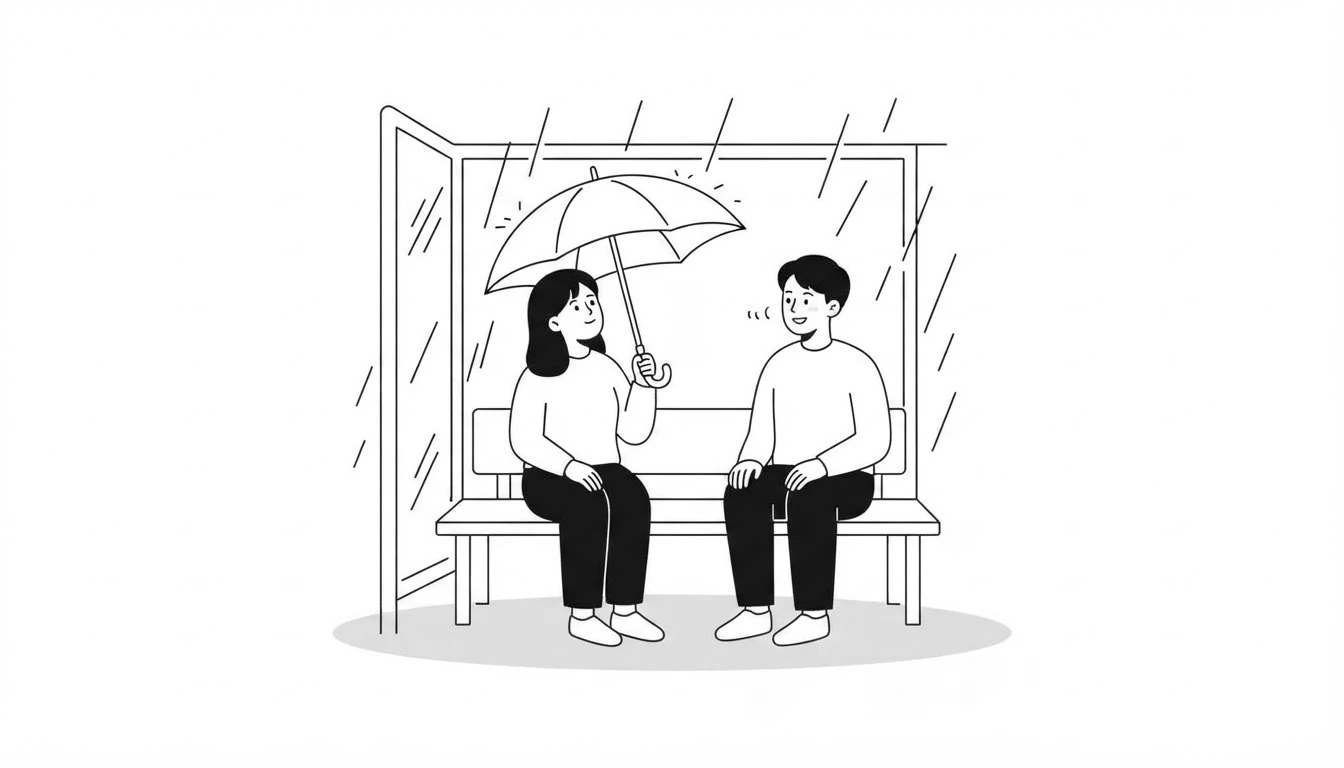
Aquí es donde suelen llegar las dudas. La buena noticia es que son pocas y siempre las mismas:
I am → aren’t I?
Con I am, la tag negativa es aren’t I?, no amn’t I? (que no existe en inglés estándar). I’m late, aren’t I? En negativa no hay problema: I’m not late, am I?
Let’s → shall we?
Con las sugerencias con let’s, la tag es shall we?: Let’s have a break, shall we? (Hacemos un descanso, ¿vale?)
Imperativos: will you?, would you?, can you?
Después de una orden o una petición, la tag la suaviza y la hace más educada. Lo normal es will you?, y would you?, can you? o could you? son todavía más amables:
- Close the door, will you? (Cierra la puerta, ¿quieres?)
- Pass me the salt, could you?
- Don’t tell anyone, will you? (Con un imperativo negativo, siempre will you.)
Y para invitar a alguien con mucha amabilidad, se usa won’t you?: Sit down, won’t you? (Siéntate, por favor.) Suena un poco formal, como de anfitrión británico de película.
Palabras negativas: never, nobody, nothing, hardly
Palabras como never, nobody, no one, nothing, hardly, rarely o seldom hacen que la frase sea negativa aunque el verbo esté en afirmativa. Por eso la tag va en afirmativa:
- You never listen, do you? (No don’t you.)
- Nothing happened, did it?
- She hardly ever goes out, does she?
Nobody, everyone, somebody → they
Con everyone, everybody, someone, somebody, no one y nobody, el pronombre de la tag es they, aunque el verbo de la frase vaya en singular: Everyone is here, aren’t they? Nobody called, did they? Con nothing, something y everything, en cambio, se usa it: Everything is ready, isn’t it?
This, that, these, those
This y that pasan a it, y these y those, a they: That’s your bag, isn’t it? These are new, aren’t they?
There is / there are
Con there is y there are, there se repite en la tag: There’s a bank near here, isn’t there? There weren’t many people, were there? Si dudas con esta estructura, la tienes explicada en mi post sobre there is y there are.
Have: auxiliar o verbo normal
Si have es auxiliar (en los tiempos perfectos) o forma parte de have got, se repite have: You’ve got a car, haven’t you? Pero si have es el verbo principal (have breakfast, have a shower, have a good time), funciona como cualquier otro verbo y se usa do: You had a great time, didn’t you? She has lunch at two, doesn’t she?
Used to
Used to se comporta como un verbo en pasado simple, así que la tag es didn’t: You used to live in Madrid, didn’t you?
I think…, I don’t think…
Cuando la frase empieza por I think o I don’t think, la tag no va con I, sino con la segunda parte de la frase, que es la que queremos confirmar: I think it’s going to rain, isn’t it? I don’t think she’s coming, is she? (El don’t de I don’t think cuenta como negativo.)
Para qué se usan las question tags
Aunque en los libros parecen solo gramática, en la vida real las question tags son, sobre todo, una herramienta para relacionarte con la gente. Estos son sus usos más habituales:
- Confirmar algo que crees que sabes: The meeting is at ten, isn’t it?
- Buscar el acuerdo del otro y dar conversación: That was a brilliant concert, wasn’t it?
- Suavizar una petición o una crítica: You couldn’t lend me a pen, could you? (fíjate en que la frase negativa con tag afirmativa suena muy educada) o You’re a bit late, aren’t you?
- Mostrar sorpresa o enfado: You haven’t told her, have you?
Mira cómo suena en una conversación normal:
- A: You’re Laura’s brother, aren’t you?
- B: Yes, I am. You were at her party last week, weren’t you?
- A: That’s right. It was great fun, wasn’t it?
Ninguna de esas tags pide información nueva: sirven para que la conversación fluya, igual que cuando nosotros vamos soltando «¿no?» y «¿verdad?».
La entonación lo cambia todo
Este es el punto que casi nadie explica y que marca la diferencia entre sonar natural o sonar a libro. La misma tag puede significar dos cosas distintas según si la voz sube o baja al final:
| Entonación | Qué significa | Ejemplo |
|---|---|---|
| Baja ↘ | Estás bastante seguro y solo buscas que la otra persona te dé la razón. Es la más habitual. | It’s a lovely day, isn’t it? ↘ (Hace un día precioso, ¿eh?) |
| Sube ↗ | No estás seguro y haces una pregunta de verdad. Esperas una respuesta. | You’ve locked the door, haven’t you? ↗ (¿Has cerrado la puerta? No estoy seguro.) |
Por eso las question tags con entonación descendente son perfectas para dar conversación (el famoso small talk británico sobre el tiempo: Terrible weather, isn’t it?), y las de entonación ascendente, para comprobar algo que te preocupa.
Same-way tags: cuando la tag no cambia de signo
Hay un uso menos frecuente, pero muy de nativo: la same-way tag, una afirmativa después de una frase afirmativa. No pregunta nada: expresa sorpresa, interés o ironía ante algo que acabamos de descubrir:
- So you’re leaving, are you? (Así que te vas, ¿eh?)
- You think you’re clever, do you? (Te crees muy listo, ¿no?)
No hace falta que las uses, pero conviene reconocerlas, porque aparecen mucho en series, películas y en los Listenings de nivel alto, donde ayudan a entender la actitud de quien habla.
Cómo responder a una question tag
Se responde a la idea, no a la tag: con yes si es verdad y con no si no lo es, normalmente con una respuesta corta. Si quieres repasar las respuestas cortas, las tienes en mi post sobre las preguntas yes/no y wh-.
- You’re a teacher, aren’t you? → Yes, I am. (Lo soy.) / No, I’m not. (No lo soy.)
- You aren’t a teacher, are you? → Yes, I am. (Sí lo soy.) / No, I’m not. (No lo soy.)
Ojo con esta segunda: en español diríamos «sí, sí que lo soy» o «no, no lo soy», y es fácil liarse. En inglés, si eres profesor, la respuesta es yes, sea cual sea la pregunta.
Errores comunes con las question tags
Estos son los errores que más veo en clase. Si los tienes controlados, vas por muy buen camino:
| ❌ Incorrecto | ✅ Correcto | Por qué |
|---|---|---|
| She’s a doctor, isn’t it? | She’s a doctor, isn’t she? | La tag repite el sujeto de la frase. |
| You speak French, aren’t you? | You speak French, don’t you? | Sin auxiliar en la frase, se usa do. |
| Sarah is tired, isn’t Sarah? | Sarah is tired, isn’t she? | En la tag va un pronombre, no el nombre. |
| He never calls, doesn’t he? | He never calls, does he? | Never hace la frase negativa. |
| I’m right, amn’t I? | I’m right, aren’t I? | La forma correcta es aren’t I. |
| They had a great time, hadn’t they? | They had a great time, didn’t they? | Have como verbo principal lleva do. |
| There’s a park near here, isn’t it? | There’s a park near here, isn’t there? | Con there is, se repite there. |
| Let’s go, don’t we? | Let’s go, shall we? | Con let’s, siempre shall we. |
| You’re coming, right? (para todo) | You’re coming, aren’t you? | Right? es correcto e informal, pero si solo usas esa, tu inglés suena pobre. |
Las question tags en los exámenes de Cambridge
Las question tags son un recurso que suma en varias partes del examen, sobre todo a partir del B1:
- Speaking. En las partes en las que hablas con tu compañero, como la Part 3 del Speaking del B2 First, usar una tag para implicar al otro (This one would be really useful, wouldn’t it?) demuestra que sabes interactuar, que es justo lo que los examinadores valoran en el criterio de Interactive Communication. En el Speaking del B1 Preliminary también funcionan muy bien.
- Listening. La entonación de una tag te dice si quien habla está seguro, sorprendido o molesto, y muchas preguntas del Listening van precisamente sobre la actitud o la opinión de los hablantes.
- Use of English y Writing. En el Use of English pueden aparecer como hueco de una palabra (You’ve met her before, ______ you? → haven’t). En el Writing son poco frecuentes, porque son propias del lenguaje oral, pero una en un email informal o en un artículo con un tono cercano queda muy natural.
Eso sí, no las metas con calzador: dos o tres bien colocadas en el Speaking valen más que diez forzadas.
Preguntas frecuentes sobre las question tags
¿Qué son las question tags en inglés?
Son preguntas cortas que se añaden al final de una frase para confirmar algo o para buscar el acuerdo de la otra persona, como nuestro «¿verdad?» o «¿no?». Se forman con el auxiliar de la frase y su pronombre sujeto: It’s late, isn’t it?
¿Por qué se dice «aren’t I» y no «amn’t I»?
Porque amn’t no se usa en inglés estándar (solo en algunos dialectos de Escocia e Irlanda). La forma aceptada para I am es aren’t I?: I’m next, aren’t I?
¿Qué question tag lleva «let’s»?
Shall we?: Let’s start, shall we?
¿Qué question tag llevan los imperativos?
Normalmente will you?, y para sonar más amable, would you?, can you? o could you?: Help me with this, would you? Con un imperativo negativo, siempre will you?: Don’t be late, will you?
¿Se puede usar «right?» en lugar de una question tag?
Sí, en el inglés informal es muy común: You’re coming, right? Pero no sustituye a las tags en todos los contextos, y en un examen de Cambridge usar las tags correctas demuestra mucho más control de la gramática.
¿Las question tags son de nivel B1 o B2?
Las básicas (con be, do y los modales más comunes) se ven en B1. Los casos especiales (aren’t I, nobody… they, have como verbo principal), la entonación y las same-way tags son propios de B2 en adelante.
Ejercicios de question tags
Treinta frases para comprobar que lo tienes claro. Aquí abajo tienes tres ejercicios interactivos que se corrigen solos, así que sabrás al momento qué tal lo has hecho.
Y si quieres estos ejercicios en texto para copiarlos, pegarlos o adaptarlos a tus clases, aquí abajo los tienes con sus soluciones 👇
Exercise 1: choose the correct question tag
Choose the correct question tag to complete each sentence.
- You’re from Madrid, (aren’t you / don’t you)?
- She doesn’t eat meat, (does she / doesn’t she)?
- They went to the concert, (didn’t they / weren’t they)?
- I’m late again, (aren’t I / am not I)?
- Let’s order a pizza, (shall we / will we)?
- Nobody called while I was out, (did they / didn’t they)?
- You’ve finished your homework, (haven’t you / didn’t you)?
- There’s a bank near here, (isn’t it / isn’t there)?
- He can swim, (can’t he / doesn’t he)?
- Pass me the salt, (will you / do you)?
Ver respuestas
- aren’t you
- does she
- didn’t they
- aren’t I
- shall we
- did they
- haven’t you
- isn’t there
- can’t he
- will you
Exercise 2: complete with a question tag
Complete each sentence with the correct question tag.
- It’s really cold today, _______________?
- You don’t like horror films, _______________?
- Sarah has got two brothers, _______________?
- We should leave now, _______________?
- They won’t be late, _______________?
- Your parents live in Seville, _______________?
- Tom was at the party, _______________?
- You’ve never been to London, _______________?
- Everyone enjoyed the film, _______________?
- That’s your car, _______________?
Ver respuestas
- isn’t it
- do you
- hasn’t she
- shouldn’t we
- will they
- don’t they
- wasn’t he
- have you
- didn’t they
- isn’t it
Exercise 3: correct or incorrect?
Decide whether each sentence is correct. If it is incorrect, rewrite it correctly.
- She’s a doctor, isn’t it?
- You speak French, aren’t you?
- Let’s go for a walk, shall we?
- I’m right, amn’t I?
- He never calls you, doesn’t he?
- They had a great time, hadn’t they?
- Close the window, will you?
- There aren’t any eggs left, aren’t there?
- You used to live in Granada, didn’t you?
- Nothing happened, didn’t it?
Ver respuestas
- She’s a doctor, isn’t she?
- You speak French, don’t you?
- Correct
- I’m right, aren’t I?
- He never calls you, does he?
- They had a great time, didn’t they?
- Correct
- There aren’t any eggs left, are there?
- Correct
- Nothing happened, did it?
Conclusión
Resumiendo: la question tag repite el auxiliar de la frase con su pronombre, y en sentido contrario (afirmativa → negativa y al revés). Si no hay auxiliar, do, does o did. Apréndete las excepciones de siempre (aren’t I, shall we, will you, never… do you, nobody… they, there… there) y presta atención a la entonación: bajando, buscas acuerdo; subiendo, preguntas de verdad.
Si quieres seguir con la gramática, te recomiendo mi post sobre el reported speech, que también te va a hacer falta para el B2. ¿Tienes dudas con alguna tag? Escríbeme y te ayudo.
¿Te ha parecido útil este post? Compártelo con otros estudiantes y profesores de inglés. Y si quieres más contenido como este, suscríbete a mi newsletter y sígueme en Facebook, Twitter, Pinterest, Instagram y YouTube.
Nos vemos en el próximo post. Hasta entonces, don’t forget to keep smiling! 🙂
