
Tabla de contenidos
¿Alguna vez has escrito I need an advice o Can you give me some informations? y tu profesor te lo ha marcado en rojo sin que entendieras muy bien por qué? Tranquilo, no eres el único. En español decimos «un consejo» y «unas informaciones» sin pestañear, pero en inglés esas palabras no se pueden contar. Y ahí empiezan los líos con much, many, a few, a little y compañía.
Aquí vas a ver qué son los sustantivos contables e incontables en inglés, cómo saber de qué tipo es cada palabra, la lista de incontables que más errores dan a los hispanohablantes, cómo «contarlos» con a piece of y similares, y cuándo usar much, many, a lot of, a few y a little. Al final tienes treinta frases de ejercicios con soluciones. ¡Vamos allá! 🙂
¿Qué son los sustantivos contables e incontables?
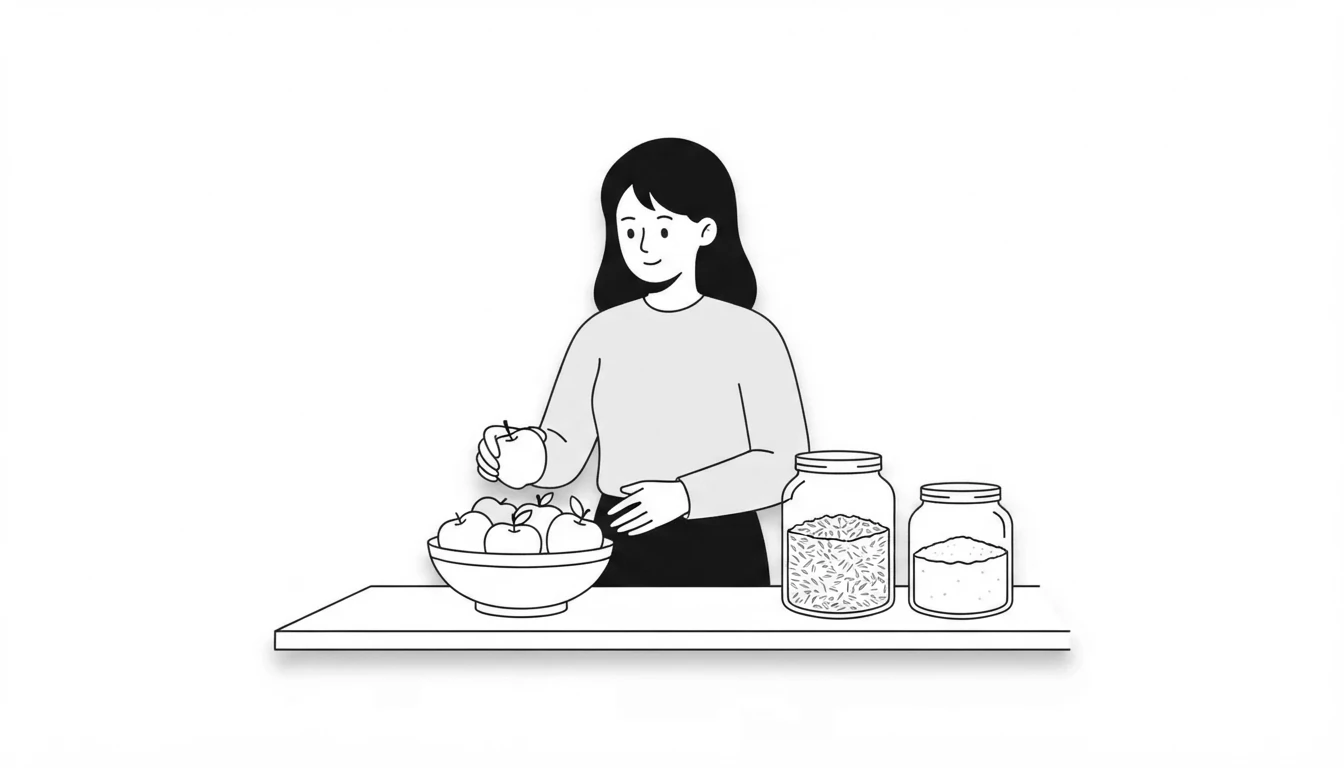
Los sustantivos contables (countable nouns) son los que se pueden contar uno a uno: one apple, two apples, three apples. Tienen singular y plural, y en singular necesitan un artículo o un determinante delante (an apple, my apple, this apple).
Los sustantivos incontables (uncountable nouns, también llamados mass nouns) son los que el inglés trata como una masa, una sustancia o una idea, sin unidades separadas: water, rice, money, advice, music. No tienen plural, no llevan a ni an y el verbo va siempre en singular.
| 🇬🇧 Contables | 🇬🇧 Incontables | |
|---|---|---|
| Plural | Sí: books, chairs, ideas | No: water, nunca waters (salvo casos especiales) |
| a / an | Sí, en singular: a book | No: advice, nunca an advice |
| Verbo | Singular o plural: the book is / the books are | Siempre singular: the information is |
| Cantidad grande | many, a lot of | much, a lot of |
| Cantidad pequeña | a few, few | a little, little |
| Pregunta | How many…? | How much…? |
| Ejemplos | a car, three friends, an egg | money, furniture, bread |
Fíjate en una cosa importante: que algo se pueda contar en la vida real no significa que la palabra sea contable. El dinero se puede contar, claro, pero money es incontable. Lo que se cuenta son las monedas y los billetes (coins, notes) o los euros (euros). Por eso la única forma segura de saberlo es fijarte en cómo se usa la palabra en inglés, no en la lógica.
Cómo saber si un sustantivo es contable o incontable
No hay una regla perfecta, pero estos grupos te ayudan muchísimo. Suelen ser incontables:
- Líquidos y gases: water, milk, coffee, oil, air, smoke.
- Materiales y sustancias: wood, glass, paper, plastic, gold, sand.
- Comida «en masa»: rice, bread, pasta, sugar, salt, butter, cheese, meat.
- Ideas y cosas abstractas: love, happiness, freedom, help, fun, knowledge.
- Actividades y asignaturas: music, football, homework, maths, history.
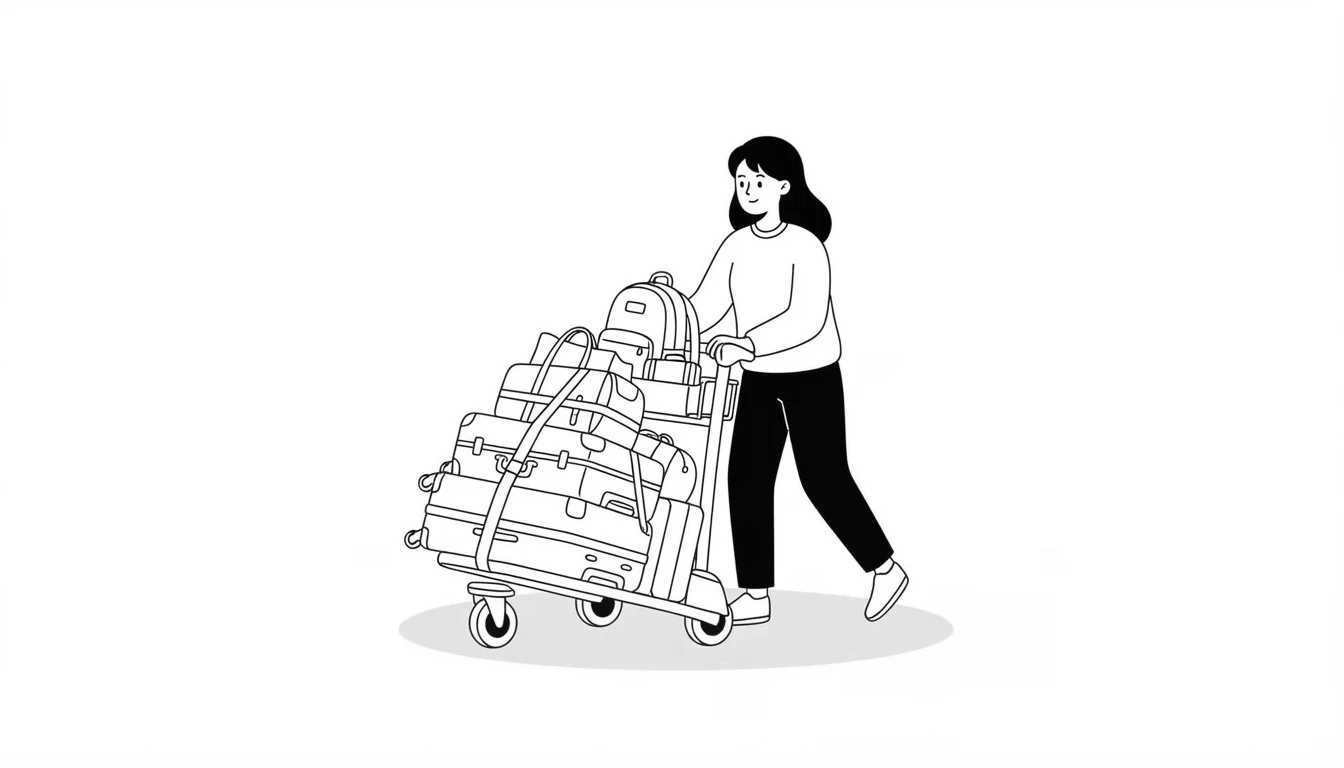
- Palabras «paraguas» que agrupan muchas cosas distintas: furniture (muebles), luggage (equipaje), equipment (equipo), clothing (ropa), money, rubbish (basura).
Y si tienes dudas con una palabra concreta, el truco más rápido es mirarla en un diccionario para estudiantes como el Cambridge o el Oxford Learner’s: al lado de cada sustantivo pone [C] (countable), [U] (uncountable) o las dos cosas.
Los incontables que más errores dan a los hispanohablantes
Este es el apartado más importante del post. Son palabras que en español sí se pueden contar o poner en plural, y por eso los hispanohablantes les ponemos -s o a sin darnos cuenta. Apréndetelas de memoria:
| 🇬🇧 Incontable | Pronunciación | 🇪🇸 Español | ✅ Correcto | ❌ Incorrecto |
|---|---|---|---|---|
| advice | /ədˈvaɪs/ | consejo(s) | She gave me some good advice. | an advice, advices |
| information | /ˌɪnfəˈmeɪʃn/ | información | I need more information. | informations |
| news | /njuːz/ | noticia(s) | The news is good. | a news, the news are |
| furniture | /ˈfɜːnɪtʃə/ | muebles | We bought some new furniture. | furnitures, a furniture |
| luggage / baggage | /ˈlʌɡɪdʒ/, /ˈbæɡɪdʒ/ | equipaje | How much luggage have you got? | luggages |
| homework | /ˈhəʊmwɜːk/ | deberes | I’ve got a lot of homework. | homeworks |
| work | /wɜːk/ | trabajo (la actividad) | I’ve got too much work. | a work, works (con este sentido) |
| research | /rɪˈsɜːtʃ/ | investigación | She’s doing research on climate. | a research, researches |
| equipment | /ɪˈkwɪpmənt/ | equipo, material | The gym has new equipment. | equipments |
| accommodation | /əˌkɒməˈdeɪʃn/ | alojamiento | Accommodation is expensive here. | an accommodation |
| progress | /ˈprəʊɡres/ | progreso(s) | You’ve made a lot of progress. | a progress, progresses |
| knowledge | /ˈnɒlɪdʒ/ | conocimiento(s) | He has a good knowledge of history. * | knowledges |
| evidence | /ˈevɪdəns/ | prueba(s) | There isn’t enough evidence. | evidences |
| traffic | /ˈtræfɪk/ | tráfico | There was a lot of traffic. | a traffic |
| weather | /ˈweðə/ | tiempo (meteorológico) | What lovely weather! | What a lovely weather! |
| travel | /ˈtrævl/ | viajar, los viajes | Travel broadens the mind. | a travel (se dice a trip) |
| bread | /bred/ | pan | Can you buy some bread? | a bread, breads |
| toast | /təʊst/ | tostada(s) | I’ll have some toast. | two toasts (se dice two slices of toast) |
| money | /ˈmʌni/ | dinero | I haven’t got much money. | moneys, many money |
| hair | /heə/ | pelo (de la cabeza) | She has long hair. | She has long hairs. |
* Knowledge no tiene plural, pero acepta a cuando va con un adjetivo y significa «un conocimiento de algo»: a good knowledge of French. Es una excepción que verás sobre todo en textos formales.
Un caso especial es news: termina en -s, pero es singular e incontable. Por eso decimos The news is on at nine y nunca a news. Si quieres hablar de una sola noticia, dices a piece of news.
Y no confundas los incontables con people: people no es incontable, es el plural irregular de person. Por eso decimos many people (no much people) y people are. Lo mismo pasa con police, que siempre va en plural: The police are coming. Si te interesan estos plurales raros, los tienes todos en mi post sobre los plurales irregulares en inglés.
Cómo «contar» un incontable: a piece of, a slice of, a bottle of…
Si un incontable no lleva a ni plural, ¿cómo digo «un consejo» o «dos panes»? Muy fácil: con una palabra de unidad o de envase delante. La palabra que se cuenta es esa, no el incontable:
| 🇬🇧 Expresión | 🇪🇸 Español | Ejemplos |
|---|---|---|
| a piece of | un/una (unidad genérica) | a piece of advice, a piece of information, a piece of news, a piece of furniture, a piece of cake |
| an item of | un artículo de (formal) | an item of clothing, an item of luggage |
| a slice of | una loncha, una rebanada | a slice of bread, a slice of ham, two slices of toast |
| a loaf of | una barra, un pan entero | a loaf of bread |
| a bottle of | una botella de | a bottle of water, a bottle of wine |
| a glass of / a cup of | un vaso de / una taza de | a glass of milk, a cup of tea |
| a carton of | un cartón, un brik de | a carton of juice, a carton of milk |
| a bar of | una tableta, una pastilla de | a bar of chocolate, a bar of soap |
| a sheet of | una hoja de | a sheet of paper |
| a kilo of / a pound of | un kilo de / una libra de | a kilo of rice, a pound of butter |
| a drop of | una gota de | a drop of rain, a drop of milk |
| a spoonful of | una cucharada de | a spoonful of sugar |
Así, «dos consejos» es two pieces of advice y «tres muebles» es three pieces of furniture. Y si estás aprendiendo vocabulario de comida, estas expresiones te van a salir constantemente en mi post sobre la comida en inglés.
Much, many y a lot of
Para hablar de cantidades grandes, el inglés usa una palabra para contables y otra para incontables:
- Many + contable en plural: How many friends have you got? I haven’t got many friends.
- Much + incontable: How much time do we have? We haven’t got much time.
- A lot of / lots of + contable o incontable: a lot of friends, a lot of time, lots of people, lots of money.
Ahora viene un detalle que casi nunca se explica y que hace que tu inglés suene mucho más natural. En el inglés hablado, much y many se usan sobre todo en preguntas y en frases negativas. En frases afirmativas suenan formales o raros, así que lo normal es usar a lot of o lots of:
- ✅ I’ve got a lot of homework today.
- ⚠️ I’ve got much homework today. (no es incorrecto del todo, pero nadie lo diría así)
- ✅ There were lots of people at the concert.
- ✅ Many people believe that… (en un texto formal o en un essay, sí)
Las excepciones son so much, too much, so many, too many y as much / as many, que funcionan perfectamente en afirmativas: I ate too much. There are too many cars in the city centre.
Y una cosa más: a lot of lleva of delante del sustantivo, pero cuando no hay sustantivo, el of desaparece: Do you eat a lot of fruit? Yes, I eat a lot.
How much y How many
Para preguntar por la cantidad usas How many con contables en plural y How much con incontables:
- How many brothers and sisters have you got?
- How much water do you drink a day?
Y ojo con los precios: How much también sirve para preguntar cuánto cuesta algo, aunque lo que compres sea contable, porque en realidad preguntas por el dinero: How much is this jacket? How much are these shoes?
A few, a little, few y little
Para hablar de cantidades pequeñas pasa lo mismo: una palabra para contables y otra para incontables.
- A few + contable en plural: I’ve got a few questions. (unas pocas, algunas)
- A little + incontable: Can I have a little milk in my tea? (un poco)
Pero cuidado, porque con o sin a cambia el significado:
| 🇬🇧 Expresión | Significado | Ejemplo |
|---|---|---|
| a few (contables) | unos pocos, algunos (suficientes, idea positiva) | I’ve got a few friends here, so I’m not lonely. |
| few (contables) | pocos, casi ninguno (idea negativa) | Few people came to the meeting. It was a disaster. |
| a little (incontables) | un poco (suficiente, idea positiva) | I speak a little German, enough to order a coffee. |
| little (incontables) | poco, casi nada (idea negativa) | There’s little hope of finding the keys now. |
Few y little sin a suenan algo formales. En una conversación es mucho más normal decir not many o not much: Not many people came. There isn’t much hope.
¿Y some y any?
Some y any funcionan con los dos tipos de sustantivo: some apples, some water, any questions, any money. Como norma general, some va en afirmativas y en ofrecimientos o peticiones, y any en negativas y preguntas, aunque tiene sus matices. Te lo explico con detalle en mi post sobre la diferencia entre some y any. Y si te lías con cuándo poner a, the o nada delante de un incontable, échale un vistazo al de los artículos en inglés.
Sustantivos que pueden ser contables e incontables
Algunas palabras son contables con un significado e incontables con otro. Estas son las más habituales:
| 🇬🇧 Palabra | Incontable | Contable |
|---|---|---|
| time | tiempo: I don’t have much time. | vez: I’ve been to Paris three times. |
| paper | papel: I need some paper. | periódico, examen, artículo: Have you read today’s paper? |
| glass | cristal: The table is made of glass. | vaso: Can I have a glass of water? |
| hair | el pelo de la cabeza: She’s got curly hair. | un pelo suelto: There’s a hair in my soup! |
| room | espacio, sitio: Is there room for one more? | habitación: The flat has three rooms. |
| experience | experiencia (saber hacer algo): She has a lot of experience. | una vivencia: Living abroad was an amazing experience. |
| work | trabajo: I’ve got a lot of work. | obra: the complete works of Shakespeare |
| chicken | pollo (carne): We had chicken for lunch. | pollo (animal): They keep three chickens. |
| coffee, tea, beer | la bebida en general: I don’t drink coffee. | una taza, un vaso: Two coffees, please. |
Ese último caso es muy útil en un bar o una cafetería: en el inglés de todos los días, Two coffees, please o Three beers es totalmente normal, porque se sobreentiende «dos tazas» o «tres vasos».
Errores típicos de los hispanohablantes
| ❌ Incorrecto | ✅ Correcto | Por qué |
|---|---|---|
| Can you give me an advice? | Can you give me some advice? / a piece of advice? | advice es incontable |
| I need more informations. | I need more information. | no tiene plural |
| The news are very bad. | The news is very bad. | news va en singular |
| We bought new furnitures. | We bought some new furniture. | incontable |
| I have many homeworks. | I have a lot of homework. | incontable, y en afirmativa mejor a lot of |
| There were much people. | There were a lot of people. | people es plural contable |
| How much brothers have you got? | How many brothers have you got? | brothers es contable |
| What a bad weather! | What bad weather! | weather no lleva a |
| She has blonde hairs. | She has blonde hair. | el pelo de la cabeza es incontable |
| I spent a lot money on clothes. | I spent a lot of money on clothes. | a lot necesita of delante del sustantivo |
Contables e incontables en los exámenes de Cambridge
Este tema sale muchísimo en los exámenes de Cambridge, sobre todo de estas formas:
- Use of English Part 2 (open cloze) del B2 First y el C1 Advanced: los huecos de much, many, few, little, a lot y of son clásicos. Si ves ___ of the people o very ___ time, piensa en el tipo de sustantivo.
- Use of English Part 1 (opciones múltiples): a veces la diferencia entre opciones es solo si la palabra es contable o no (luggage frente a suitcase, advice frente a suggestion).
- Writing: los correctores se fijan en errores como informations o an advice dentro del criterio Language. Son errores «de nivel bajo» que restan puntos aunque el resto del texto sea bueno. Si estás preparando el Writing del B2, te dejo mi guía del Writing B2 First.

Preguntas frecuentes sobre los sustantivos contables e incontables
¿Advice tiene plural?
No. Advice es incontable: no tiene plural y no lleva a. Para un solo consejo, dices a piece of advice, y para varios, some advice o a few pieces of advice. Y no lo confundas con el verbo: advise /ədˈvaɪz/, con s y sonido de /z/.
¿News es singular o plural?
Singular. Aunque acaba en -s, news es incontable y el verbo va en singular: The news is on at nine. Is there any news about the exam?
¿Se dice much people o many people?
Many people, porque people es el plural de person, no un incontable. Y en una frase afirmativa, lo más natural es a lot of people.
¿Money es contable o incontable?
Incontable: How much money have you got? I haven’t got much money. Lo que sí se cuenta son las monedas, los billetes o las unidades: three euros, two coins.
¿Puedo usar much en frases afirmativas?
Gramaticalmente sí, pero en el inglés hablado suena formal o poco natural. Usa a lot of o lots of: I’ve got a lot of work, mejor que I’ve got much work. Las excepciones son so much, too much y as much.
¿Cuál es la diferencia entre a few y few?
A few significa «unos pocos» y tiene un sentido positivo (hay suficientes). Few significa «pocos, casi ninguno» y tiene un sentido negativo. Lo mismo pasa con a little y little, pero con incontables.
Ejercicios de contables e incontables
¿Preparado? Treinta frases para poner a prueba todo lo que has visto, sin mirar la lista de incontables. Aquí abajo tienes tres ejercicios interactivos que se corrigen solos, así que sabrás al momento qué tal lo has hecho.
Y si quieres estos ejercicios en texto para copiarlos, pegarlos o adaptarlos a tus clases, aquí abajo los tienes con sus soluciones 👇
Exercise 1: choose the correct option
Choose the correct option to complete each sentence.
- I need some (advice / advices / an advice) about my CV.
- How (many / much / a lot) people came to your party?
- The news (is / are / were) on at nine o’clock.
- We haven’t got (much / many / a few) time, so let’s hurry.
- Can you buy a (loaf / piece / slice) of bread on your way home? We need a whole one.
- There’s (a little / a few / many) milk left in the fridge.
- I’ve got (a few / a little / much) questions about the homework.
- She has beautiful long (hair / hairs / a hair).
- How (much / many / few) is this jacket?
- We bought some new (furniture / furnitures / a furniture) for the living room.
Ver respuestas
- advice
- many
- is
- much
- loaf
- a little
- a few
- hair
- much
- furniture
Exercise 2: much, many, a few or a little?
Complete each sentence with much, many, a few or a little.
- How _______________ brothers and sisters have you got?
- There isn’t _______________ traffic on Sunday mornings.
- Could I have _______________ sugar in my coffee, please?
- I’m going to the shops. I need to buy _______________ things for dinner.
- How _______________ money did you spend on holiday?
- Not _______________ students passed the exam; it was really difficult.
- Wait _______________ minutes, I’ll be ready soon.
- I don’t eat _______________ meat these days.
- She speaks _______________ Italian, enough to order in a restaurant.
- There were too _______________ cars on the road, so we were late.
Ver respuestas
- many
- much
- a little
- a few
- much
- many
- a few
- much
- a little
- many
Exercise 3: correct or incorrect?
Decide whether each sentence is correct. If it is incorrect, rewrite it correctly.
- Can you give me an advice?
- I’ve got a lot of homework this weekend.
- The news are really surprising.
- There were much people at the beach.
- How many bottles of water do we need?
- We need more informations about the course.
- What a terrible weather!
- I’ve been to London three times.
- Our hotel had very comfortable furnitures.
- She gave me two good advices.
Ver respuestas
- Can you give me some advice?
- Correct
- The news is really surprising.
- There were a lot of people at the beach.
- Correct
- We need more information about the course.
- What terrible weather!
- Correct
- Our hotel had very comfortable furniture.
- She gave me two good pieces of advice.
Conclusión
Resumiendo: los contables tienen plural y llevan many y a few; los incontables no tienen plural, no llevan a y van con much y a little. A lot of vale para los dos y es lo más natural en frases afirmativas. Y sobre todo, apréndete la lista de incontables «trampa» (advice, information, news, furniture, luggage, homework), porque ahí está la mayoría de los errores.
Si quieres seguir practicando, te recomiendo mi post sobre there is y there are, que va de la mano con todo esto (there is some milk, there are some eggs), y el de los pronombres en inglés.
¿Te ha parecido útil este post? Compártelo con otros estudiantes y profesores de inglés. Y si quieres más contenido como este, suscríbete a mi newsletter y sígueme en Facebook, Twitter, Pinterest, Instagram y YouTube.
Nos vemos en el próximo post. Hasta entonces, don’t forget to keep smiling! 🙂
