
Tabla de contenidos
Si hablas español, los artículos parecen lo más fácil del inglés: pasas de el, la, los, las, un, una, unos, unas a solo tres palabras, a, an y the, y encima no hay género. El problema es que el inglés los usa de forma distinta al español. En español decimos «me gusta el café» y «la vida es corta»; en inglés, I like coffee y Life is short, sin artículo. Y al revés: en español decimos «soy profesora» y en inglés I’m a teacher, con artículo. Por eso los artículos son uno de los errores más frecuentes (y más persistentes) de los hispanohablantes, incluso en niveles altos.
En esta guía te explico cuándo usar a, an, the y el artículo cero (es decir, cuando no se pone artículo), con tablas, las reglas de los nombres de lugares, los errores típicos de quien habla español, cómo te ayudan en los exámenes de Cambridge y treinta frases de ejercicios con soluciones. ¡Vamos allá! 🙂
Los artículos en inglés de un vistazo
| Artículo | Pronunciación | Cuándo se usa | Ejemplo |
|---|---|---|---|
| a / an (indefinido) | /ə/, /ən/ | Con un sustantivo contable singular cuando es nuevo, cualquiera, o para hablar de una profesión. | I have a dog. She’s an engineer. |
| the (definido) | /ðə/, /ði/ | Cuando sabemos cuál: ya se ha mencionado, es único o lo especificamos. | The dog is black. The sun is hot. |
| Ø (artículo cero) | – | Con plurales e incontables en general, y con muchos nombres propios y expresiones fijas. | I like dogs. Money is useful. |
Para elegir bien, hay una pregunta clave: ¿el sustantivo es contable o incontable, singular o plural? Los incontables son los que no se pueden contar de uno en uno (water, music, advice, information, luggage, furniture) y no se usan en plural ni con a/an. Más abajo tienes una tabla que lo resume todo.
A y an: el artículo indefinido
A y an significan «un/una» y solo se usan con sustantivos contables en singular. Son la misma palabra; la diferencia es de sonido.
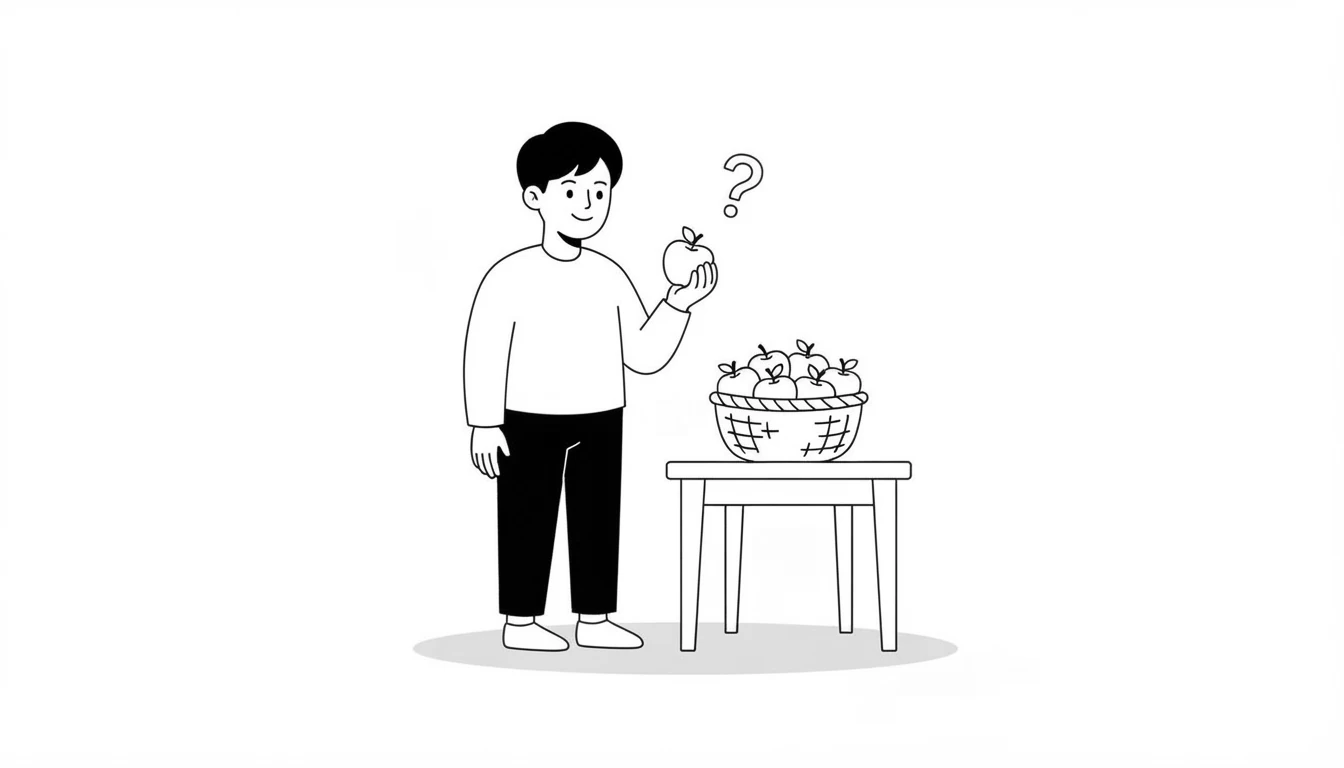
A o an: depende del sonido, no de la letra
Usamos a delante de un sonido de consonante y an delante de un sonido de vocal. Fíjate en que lo que cuenta es cómo se pronuncia la palabra, no cómo se escribe:
| Con a (sonido de consonante) | Con an (sonido de vocal) |
|---|---|
| a book, a car | an apple, an egg |
| a university /juː/ (empieza con sonido «y») | an umbrella /ʌ/ |
| a European country /jʊər/ | an hour (la h es muda) |
| a one-way ticket /w/ | an honest man (la h es muda) |
| a UFO /juː/ | an MBA (suena «em») |
Cuándo se usa a / an
- Algo nuevo o uno cualquiera: I saw a dog in the park. (Un perro, no sabemos cuál.)
- Profesiones y descripciones (aquí el español no usa artículo): She’s a nurse. He’s an actor. Si hay adjetivo, igual: She’s a very good nurse.
- Frecuencias, velocidades y precios: twice a week, 50 kilometres an hour, three euros a kilo.
- Exclamaciones con what: What a beautiful day! (¡Qué día tan bonito!)
- Con such, quite y half: such a nice place, quite a long time, half an hour.
- Con cantidades pequeñas: a few friends, a little time. Si dudas con estos, mira mi post sobre little, a little, few y a few.
Nunca se usa a/an con plurales ni con incontables. Por eso a advice o an information son errores muy comunes: se dice some advice o a piece of advice, y some information o a piece of information.
The: el artículo definido
The equivale a «el, la, los, las» y se usa con cualquier sustantivo (singular, plural, contable o incontable) cuando quien habla y quien escucha saben de cuál se trata.
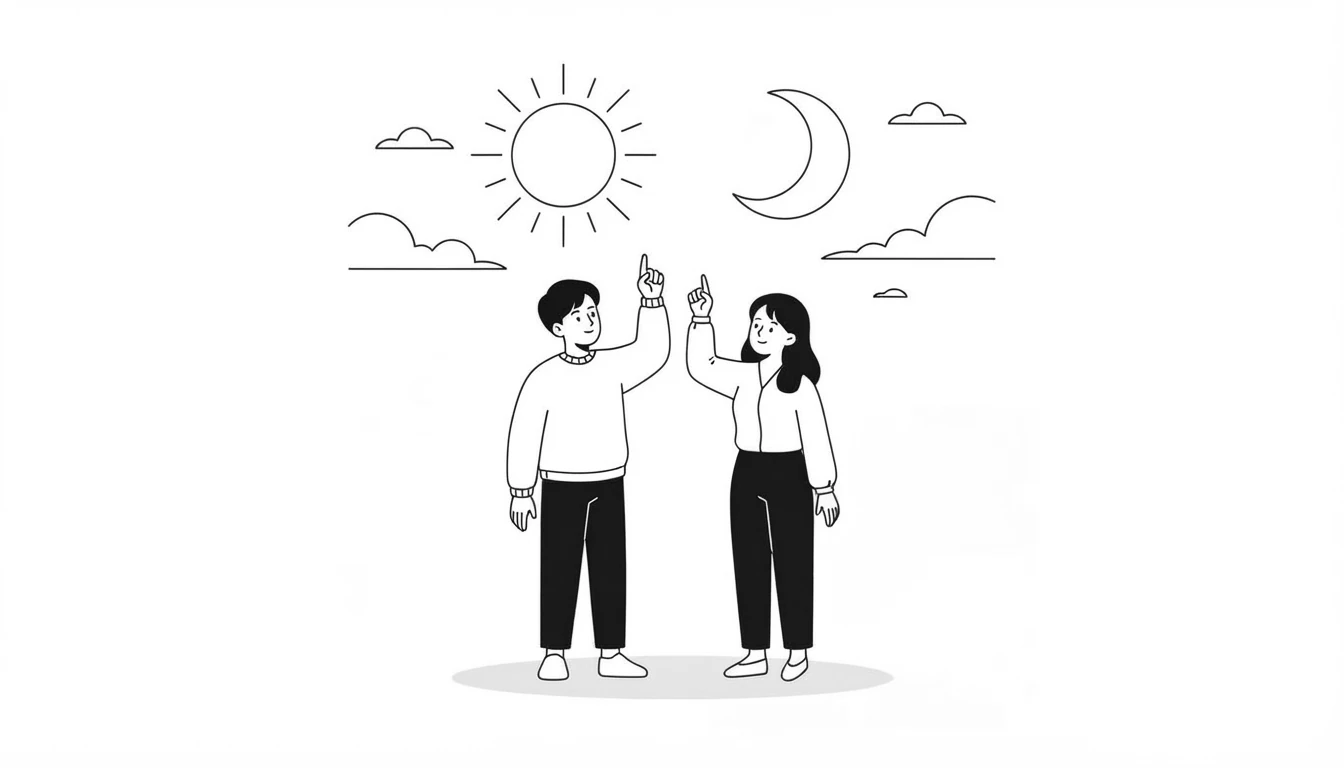
Cuándo se usa the
- Algo ya mencionado: I bought a jacket and a shirt. The jacket was expensive.
- Algo que los dos conocemos por la situación: Close the door, please. (La puerta de esta habitación.)
- Cosas únicas: the sun, the moon, the sky, the world, the Internet.
- Superlativos y palabras como first, last, next, same, only: the best film, the first time, the same problem, the only answer.
- Cuando especificamos de cuál hablamos: The book on the table is mine. The people I met were very kind.
- Grupos de personas con un adjetivo: the rich, the young, the unemployed.
- Nacionalidades que acaban en -sh, -ch o -ese: the Spanish, the French, the Chinese.
- Instrumentos musicales: She plays the piano. (Los deportes, en cambio, no llevan artículo: He plays tennis.)
- Partes del día: in the morning, in the afternoon, in the evening (pero at night).
The se pronuncia de dos formas
The se pronuncia /ðə/ delante de un sonido de consonante (the dog, the university) y /ði/ delante de un sonido de vocal (the apple, the hour). Es la misma regla que a/an: manda el sonido, no la letra.
The con nombres de lugares
Aquí es donde más dudas hay. Esta tabla recoge los casos más habituales:
| ✅ Con the | ❌ Sin the |
|---|---|
| Océanos, mares y ríos: the Atlantic, the Mediterranean, the Thames, the Guadalquivir | Continentes y ciudades: Europe, Asia, Granada, London |
| Cordilleras: the Alps, the Pyrenees, the Sierra Nevada | Montañas sueltas: Everest, Mount Teide |
| Grupos de islas: the Canary Islands, the Balearic Islands | Islas sueltas: Mallorca, Tenerife |
| Desiertos: the Sahara | Lagos: Lake Geneva |
| Países con nombre plural o con Kingdom, States, Republic, Emirates: the United Kingdom, the United States, the Netherlands, the Philippines, the Czech Republic, the United Arab Emirates | La mayoría de los países: Spain, Italy, Japan, Mexico |
| Regiones y puntos geográficos: the Middle East, the North Pole | Calles, plazas y parques: Oxford Street, Times Square, Hyde Park |
| Edificios y monumentos: the Alhambra, the Eiffel Tower, the Prado Museum, the Hilton Hotel | Aeropuertos y estaciones: Heathrow, Victoria Station |
| Periódicos: The Guardian, The Times | Personas y nombres propios: Luis, Mr Brown |
El artículo cero: cuando no se pone artículo
El artículo cero (zero article, que se escribe Ø) es la ausencia de artículo. No es un descuido: es una parte normal del inglés, y mucho más frecuente que en español. Se usa en estos casos:
- Plurales e incontables en sentido general: Dogs are loyal. Music is my passion. Money doesn’t buy happiness. Si hablas de algo concreto, vuelve the: The dogs next door are loud.
- Nombres abstractos: Life is short. Love is blind.
- Idiomas y asignaturas: I study English and Maths. (Con language sí lleva the: the English language.)
- Deportes: She plays tennis. They love football.
- Comidas: have breakfast, have lunch, have dinner. (Si añadimos adjetivo o especificamos, cambia: a big breakfast, the dinner we had was great.)
- Medios de transporte con by: by bus, by car, by train, by plane, on foot.
- Días, meses y expresiones de tiempo: on Monday, in July, next week, last year.
- Nombres de personas y títulos con nombre: Maria, Doctor Smith.
Lugares usados para su función: school, hospital, church…
Con ciertos lugares, si hablamos de su función (estudiar, estar ingresado, rezar…) no se usa artículo. Si hablamos del edificio en sí, sí:
| Sin artículo (función) | Con the (el edificio) |
|---|---|
| The children are at school. (estudian) | I went to the school to talk to the teacher. (voy al edificio) |
| My father is in hospital. (está ingresado) | I went to the hospital to visit my father. (visita) |
| They go to church on Sundays. (rezan) | We visited the church in the old town. (turismo) |
| He’s in prison. (cumple condena) | The tour finishes at the prison. (el edificio) |
| She’s at university. (estudia) | I met her at the university. (el lugar) |
Lo mismo pasa con bed, work y home: go to bed, be at work, come home. En inglés americano es más frecuente decir in the hospital o at the university; en inglés británico, lo que ves arriba.
Tabla resumen: ¿a/an, the o Ø?
| Nuevo o en general | Concreto o conocido | |
|---|---|---|
| Singular contable | a dog / an apple | the dog |
| Plural contable | Ø dogs (I like dogs.) | the dogs |
| Incontable | Ø water (Water is essential.) | the water (The water in this glass is cold.) |
Español frente a inglés: dónde cambia el artículo
La mayoría de los fallos vienen de traducir el artículo del español palabra por palabra. Estas son las diferencias que más hay que vigilar:
| 🇪🇸 Español | 🇬🇧 Inglés | Qué cambia |
|---|---|---|
| Me gusta el café. | I like coffee. | Sentido general: sin artículo. |
| La vida es corta. | Life is short. | Nombres abstractos: sin artículo. |
| Los perros son leales. | Dogs are loyal. | Plural en general: sin artículo. |
| Voy al colegio. | I go to school. | Función del lugar: sin artículo. |
| Estudio el inglés. / Estudio inglés. | I study English. | Idiomas: sin artículo. |
| El lunes voy al gimnasio. | On Monday I go to the gym. | Días: sin artículo, con on. |
| Soy profesora. | I’m a teacher. | Profesiones: el inglés sí pone artículo. |
| ¡Qué día tan bonito! | What a lovely day! | Exclamación: a obligatorio. |
| Me duele la cabeza. | My head hurts. | Partes del cuerpo: posesivo, no artículo. |
Errores comunes con los artículos
| ❌ Incorrecto | ✅ Correcto | Por qué |
|---|---|---|
| I like the music. (en general) | I like music. | Sentido general: artículo cero. |
| She is teacher. | She is a teacher. | Las profesiones llevan a/an. |
| The life is hard. | Life is hard. | Nombre abstracto en general. |
| I go to the school every day. (como alumno) | I go to school every day. | Función del lugar. |
| I’m studying the English. | I’m studying English. | Idiomas sin artículo. |
| She’s an university student. | She’s a university student. | Manda el sonido: /juː/ es consonante. |
| He gave me a good advice. | He gave me good advice. / a good piece of advice | Advice es incontable. |
| We live in United Kingdom. | We live in the United Kingdom. | Países con Kingdom/States/Republic llevan the. |
| Spain is in the Europe. | Spain is in Europe. | Continentes sin artículo. |
| I usually have the breakfast at eight. | I usually have breakfast at eight. | Comidas sin artículo. |
| He plays the football. | He plays football. | Deportes sin artículo (pero the guitar). |
Los artículos en los exámenes de Cambridge
Los artículos son un clásico del Use of English, sobre todo en la Part 2 (open cloze, el texto con huecos que hay que completar con una sola palabra) de B2 First y de C1 Advanced. Con frecuencia, alguno de los huecos es un artículo, y hay que saber cuál (o si hace falta). Por ejemplo:
- She works as ______ engineer for a company in Madrid. → an
- It was ______ first time I had ever seen snow. → the
- He was ______ only person who knew the answer. → the
En Writing y Speaking, un artículo mal puesto rara vez impide que te entiendan, pero resta precisión y se nota en la corrección. Repasar las reglas de arriba, y sobre todo los casos de artículo cero, es de lo más rentable que puedes hacer.
Preguntas frecuentes sobre los artículos en inglés
¿Cuándo se usa the en inglés?
Cuando quien habla y quien escucha saben de cuál se trata: porque ya se ha mencionado, porque es único (the sun), porque lo especificamos (the book on the table) o porque es un superlativo (the best).
¿Por qué se dice «an hour» pero «a university»?
Porque lo que importa es el sonido, no la letra. Hour empieza con sonido de vocal (la h es muda) y university empieza con /j/, que es sonido de consonante.
¿Se dice «the Spain»?
No. La mayoría de los países no llevan artículo: Spain, France, Japan. Solo lo llevan los que tienen nombre plural o incluyen Kingdom, States, Republic o Emirates: the United Kingdom, the Netherlands, the United States.
¿Qué es el artículo cero?
Es la ausencia de artículo delante de un sustantivo, y se escribe Ø. Se usa con plurales e incontables en sentido general (I like music), con idiomas, deportes, comidas, la mayoría de los nombres propios y muchas expresiones fijas (at home, by bus).
¿Se usa artículo con los días de la semana y los meses?
No: on Monday, in July. Si hablas de un día concreto ya conocido o especificado, sí puede aparecer the, como en the Monday after the party.
¿Cuál es la diferencia entre «go to school» y «go to the school»?
Go to school habla de la función: ir a estudiar (o a dar clase). Go to the school habla del edificio: por ejemplo, ir a hablar con un profesor o a recoger algo. Lo mismo ocurre con hospital, church, prison y university.
¿Lleva artículo un idioma?
No cuando hablamos del idioma: I speak English. Sí cuando añadimos language: the English language.
Ejercicios de artículos en inglés
Treinta frases para comprobar que lo tienes claro. Aquí abajo tienes tres ejercicios interactivos que se corrigen solos, así que sabrás al momento qué tal lo has hecho.
Y si prefieres una versión en texto que puedas copiar y pegar, la tienes aquí abajo 👇
Exercise 1: choose the correct option
Choose the correct option to complete each sentence.
- I bought (a / an / the) umbrella because it was raining.
- My sister is (a / an / the) university student.
- Granada is in (a / the / no article) south of Spain.
- I love (a / the / no article) chocolate.
- Lucía is (a / the / no article) best player in our team.
- The children are at (a / the / no article) school now.
- We went to Amsterdam, the capital of (a / the / no article) Netherlands.
- Could you close (a / the / no article) window, please? It’s cold.
- She plays (a / the / no article) guitar in a band.
- I usually go to work by (a / the / no article) bus.
Ver respuestas
- an
- a
- the
- no article
- the
- no article
- the
- the
- the
- no article
Exercise 2: complete the sentences
Complete each sentence with a, an, the or – (no article). Write only the missing word.
- She’s _______________ honest person.
- We saw a film last night. _______________ film was really good.
- _______________ life is not always easy.
- _______________ information on this page is out of date.
- My father is _______________ doctor.
- They go to _______________ church every Sunday.
- We spent two weeks in _______________ Canary Islands.
- What _______________ beautiful view!
- I’d like _______________ glass of water, please.
- She earns twenty euros _______________ hour.
Ver respuestas
- an
- The
- –
- The
- a
- –
- the
- a
- a
- an
Exercise 3: correct or incorrect?
Decide whether each sentence is correct. If it is incorrect, rewrite it correctly.
- I’m studying the English at university.
- She is an university student.
- The life is short, so enjoy it.
- We stayed at a hotel near the Alhambra.
- He gave me a good advice.
- I go to the school by bus every day.
- She’s the best friend I have.
- They live in United Kingdom.
- My mother is nurse.
- I usually have the breakfast at eight.
Ver respuestas
- I’m studying English at university.
- She is a university student.
- Life is short, so enjoy it.
- Correct
- He gave me good advice.
- I go to school by bus every day.
- Correct
- They live in the United Kingdom.
- My mother is a nurse.
- I usually have breakfast at eight.
Conclusión
Resumiendo en tres ideas: a/an es para algo nuevo o cualquiera y para las profesiones (y manda el sonido, no la letra); the es para algo que ya sabemos cuál es; y el artículo cero es normal con plurales e incontables en general, idiomas, deportes, comidas y muchos lugares. Cuando dudes, pregúntate si hablas de algo concreto o de algo en general.
Si quieres seguir con la gramática básica, te recomiendo mi post sobre there is y there are y la diferencia entre some y any. ¿Tienes dudas con algún caso? Escríbeme y te ayudo.
¿Te ha parecido útil este post? Compártelo con otros estudiantes y profesores de inglés. Y si quieres más contenido como este, suscríbete a mi newsletter y sígueme en Facebook, Twitter, Pinterest, Instagram y YouTube.
Nos vemos en el próximo post. Hasta entonces, don’t forget to keep smiling! 🙂
