
Tabla de contenidos
Suena el teléfono y tu compañero de piso grita desde la ducha: «¡Coge el teléfono!». Tú contestas: I’ll get it! (¡Yo contesto!). Un rato después, le dices a tu madre que este finde ya tienes plan: I’m going to visit my grandma. Dos futuros, dos formas distintas, y para un hispanohablante las dos parecen «voy a hacer algo». Pero en inglés no son intercambiables: will y going to dicen cosas diferentes, y elegir bien es una de las claves para sonar natural.
En esta guía te explico la diferencia con una regla sencilla (dos preguntas), cuándo se usa cada uno, los casos en que valen los dos, qué pasa con el presente continuo, los errores típicos del hispanohablante, cómo te ayuda en Cambridge y un villano contra un héroe (sí, de verdad). Al final hay treinta frases de ejercicios con soluciones. ¡Vamos allá! 🙂
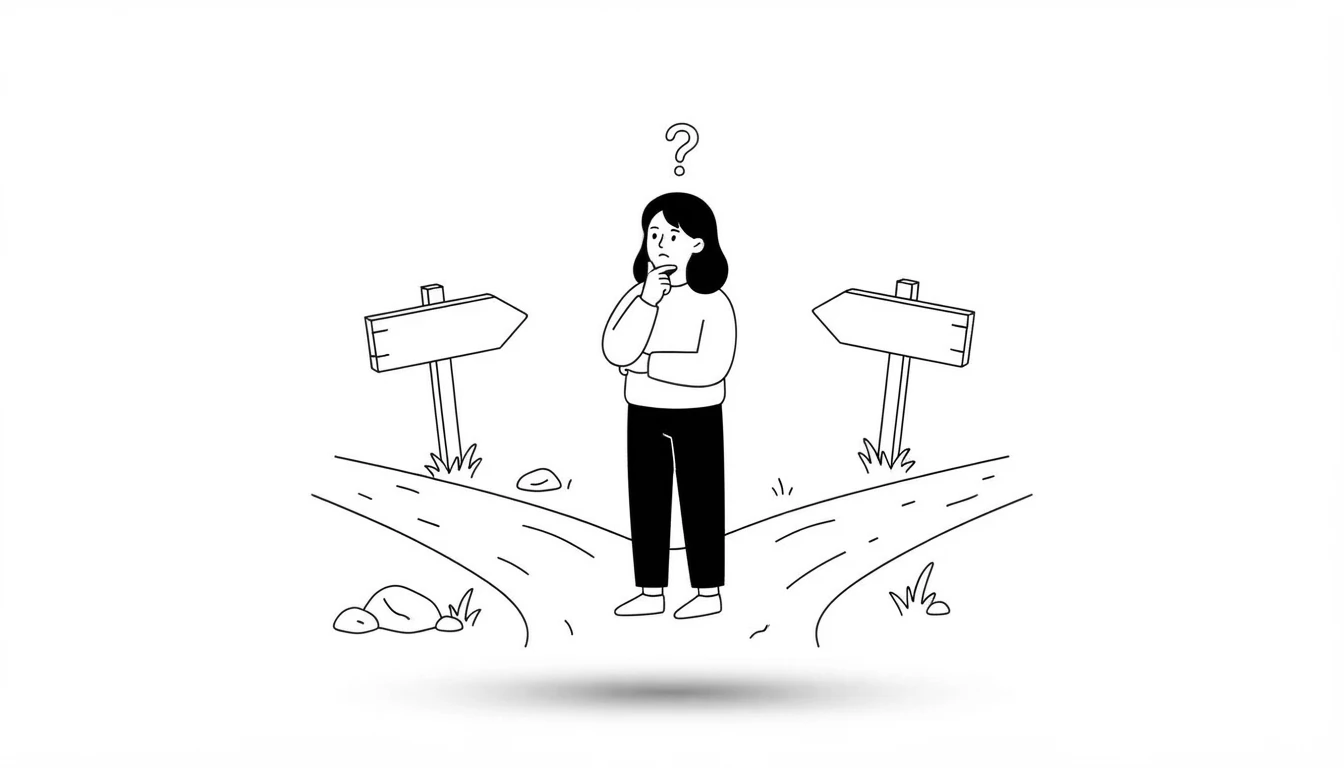
La diferencia en una frase
| WILL | GOING TO | |
|---|---|---|
| La idea | Lo decido ahora, o es una opinión o una promesa | Lo he decidido antes, o hay pruebas de que va a pasar |
| Ejemplo | Oh, it’s cold. I’ll close the window. | I’ve bought the tickets. I’m going to travel on Friday. |
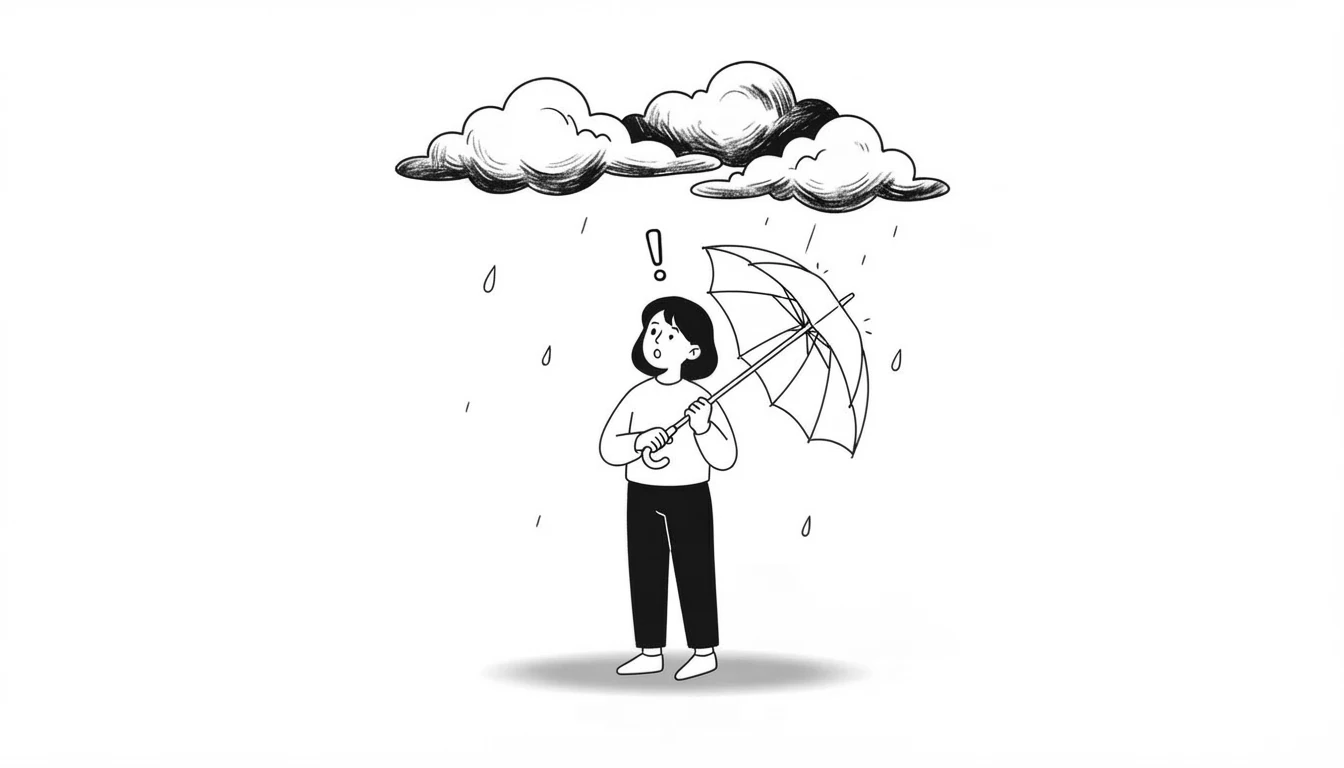
| Predicción | I think it will rain. (Opinión.) | Look at those clouds! It’s going to rain. (Prueba.) |
| Español | «iré», «cerraré» (futuro simple) | «voy a viajar», «va a llover» (ir a + infinitivo) |
La regla de las dos preguntas
Cuando dudes, hazte estas dos preguntas, en este orden:
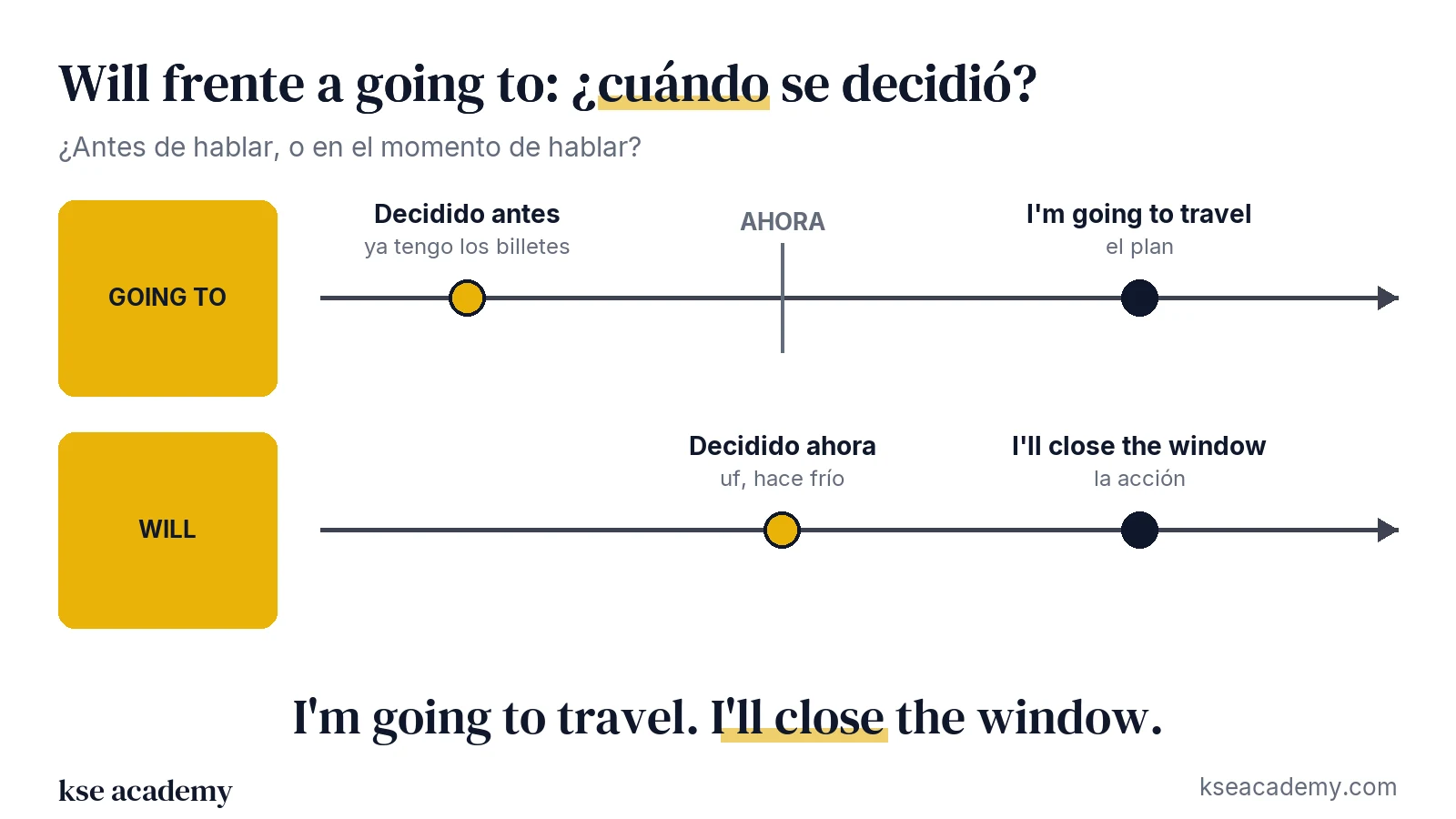
- ¿Lo decidí antes de hablar, o lo decido en este momento? Si lo decidiste antes → going to (o presente continuo). Si lo decides ahora → will.
- ¿Hay algo delante de mí que demuestre que va a pasar? Si lo hay (nubes negras, un coche sin control) → going to. Si es solo tu opinión o una suposición (I think, probably) → will.
Cuándo se usa WILL
- Decisiones espontáneas, tomadas en el momento de hablar: The phone’s ringing. I’ll answer it.
- Ofrecimientos: That bag looks heavy. I’ll carry it for you.
- Promesas: I promise I won’t tell anyone.
- Predicciones basadas en una opinión o una suposición: I think she will win. It will probably be sunny tomorrow.
- Hechos futuros que no dependen de nadie: The sun will rise at 7:15.
- Peticiones: Will you help me with this, please?
- Negativa de rechazo: The car won’t start. (Se niega a arrancar.)
Cuándo se usa GOING TO
- Planes e intenciones decididos antes: I’m going to study medicine. We’re going to move next year.
- Predicciones basadas en lo que ves ahora: Watch out! You’re going to fall. / She’s pale. She’s going to faint.
- Cosas que ya están en marcha: It’s going to be a long day. (Ya lo sabes por cómo empezó.)
Will o going to: pares para comparar
| Will (ahora) | Going to (antes / con prueba) |
|---|---|
| «I’m hungry.» «I’ll make you a sandwich.» (Lo decido ahora.) | I’m going to make a cake for her birthday. (Ya lo había pensado.) |
| I think Spain will win the match. (Opinión.) | Spain are going to win. They’re 3-0 up. (Prueba.) |
| I’ll call you when I get there. (Promesa.) | I’m going to call my mum later. (Intención.) |
| It will be cold tonight. (Opinión o pronóstico general.) | It’s going to be cold tonight: the sky is totally clear. (Prueba.) |
Cuando valen los dos
En muchas situaciones, sobre todo en predicciones sin una prueba clara, las dos formas son correctas y casi no cambian el significado:
- I think it will be a great film. = I think it’s going to be a great film.
- Do you think they will win? = Do you think they’re going to win?
Tampoco es verdad que will sea para el futuro lejano y going to para el cercano. Lo que cuenta es lo que expresas (decisión, plan, prueba), no cuándo ocurrirá.
Y el presente continuo, ¿dónde queda?
Para planes cerrados con alguien o con fecha (cita, billete, reserva) se usa mucho el presente continuo: I’m meeting Ana at 8. We’re flying to Rome on Friday. Con going to hablas de la intención; con el presente continuo, de que ya está organizado. Tienes las tres formas juntas en mi guía del futuro en inglés: will, going to y presente continuo.
Preguntas y negativas
| Will | Going to | |
|---|---|---|
| Afirmativa | I will help. / I’ll help. | I am going to help. / I’m going to help. |
| Negativa | I won’t help. | I’m not going to help. |
| Pregunta | Will you help? | Are you going to help? |
| Matiz de la pregunta | Una petición: Will you help me? (¿Me ayudas?) | Una pregunta sobre el plan: Are you going to help me? (¿Vas a ayudarme?) |
Villano frente a héroe: will y going to en acción
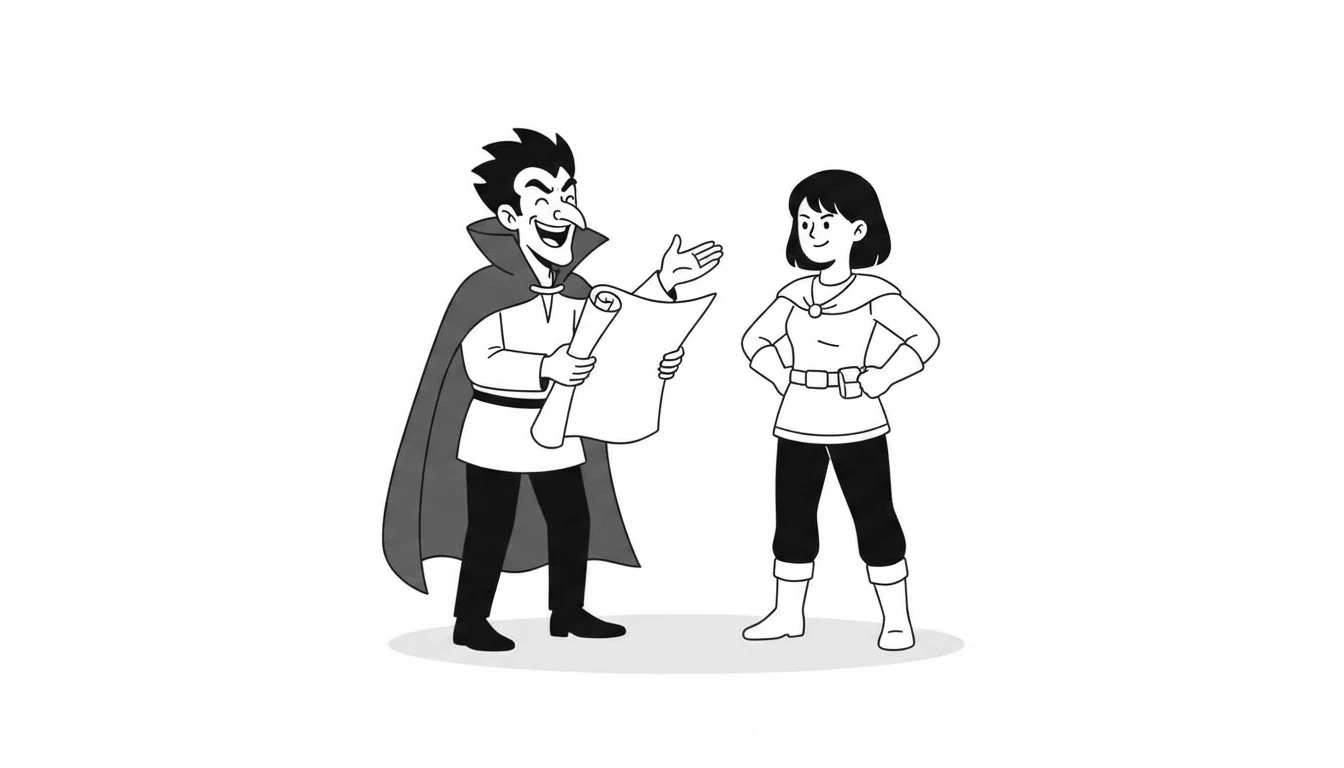
Una forma divertida de recordarlo: el villano tiene un plan (going to) y el héroe improvisa (will):
| El villano (plan) | El héroe (decisión) |
|---|---|
| I’m going to take over the world. | Not if I can help it. I’ll stop you. |
| I’m going to steal the moon tonight. | I’ll call the police! |
| Look at my machine! It’s going to destroy the city. | Then I’ll switch it off. |
| Nobody is going to stop me. | I won’t let you. |
Errores comunes con will y going to
| ❌ Incorrecto | ✅ Correcto | Por qué |
|---|---|---|
| I have booked a hotel. I will go to Paris next week. | I have booked a hotel. I’m going to go to Paris next week. (o I’m going to Paris) | Es un plan ya decidido: going to o presente continuo. |
| Look at that car! It will crash. | Look at that car! It’s going to crash. | Hay una prueba delante: going to. |
| I’m going to answer the phone. (en el momento en que suena) | I’ll answer the phone. | Decisión espontánea: will. |
| I will to help you. | I will help you. | Después de will, infinitivo sin to. |
| He will goes tomorrow. | He will go tomorrow. | Después de will, siempre el verbo base. |
| When I will arrive, I’ll call you. | When I arrive, I’ll call you. | Después de when, if, as soon as: presente. |
| She is going to goes to the party. | She is going to go to the party. | Después de going to, verbo base. |
Will y going to en los exámenes de Cambridge
Es un par que se evalúa desde el B1 Preliminary y que sigue apareciendo en niveles altos:
- Use of English (Part 4, key word transformations) en B2 First: con palabras clave como GOING o WILL.
- Speaking: hablar de tus planes y de predicciones («I think it will…», «I’m going to…») con la forma correcta.
- Writing: en cartas y emails (I’ll send it tomorrow, We’re going to visit…).
Dos ejemplos del estilo del Use of English Part 4:
- I’ve decided to learn the guitar. GOING
I ______ learn the guitar. → am going to - Look at those black clouds. I’m sure it will rain soon. GOING
Look at those black clouds. It ______ rain soon. → is going to
Tabla resumen: will o going to
| Quiero… | Uso | Ejemplo |
|---|---|---|
| Decidir en el momento | will | I’ll get it. |
| Ofrecerme o prometer | will | I’ll help you. I won’t be late. |
| Dar una opinión sobre el futuro | will | I think it will be fine. |
| Hablar de un plan ya decidido | going to | I’m going to move. |
| Predecir con una prueba delante | going to | It’s going to rain. |
| Hablar de una cita ya cerrada | presente continuo | I’m meeting her at 8. |
Preguntas frecuentes sobre will y going to
¿Cuál es la diferencia entre will y going to?
Will es para decisiones del momento, promesas, ofrecimientos y opiniones sobre el futuro. Going to es para planes ya decididos y para predicciones con una prueba delante.
¿Se puede usar will para planes?
Mejor no, si el plan ya estaba decidido: se usa going to o el presente continuo. Will sí vale cuando añades una opinión: I think I’ll go to Rome.
¿Es verdad que will es para el futuro lejano y going to para el cercano?
No. No depende de lo lejos que esté el futuro, sino de lo que expresas: una decisión o una opinión (will) frente a un plan o una prueba (going to).
¿Qué significa «gonna»?
Es la forma coloquial de going to: I’m gonna call you. Se oye mucho, pero no se escribe en textos formales ni en exámenes.
¿Cuándo se usa shall?
Casi solo en inglés británico formal y en ofrecimientos con I y we: Shall I open the window? En el día a día, will es lo habitual.
¿Se dice «when I will arrive»?
No. Después de when, if, as soon as o before, presente: When I arrive, I’ll call you.
Ejercicios de will y going to
Treinta frases para comprobar que lo tienes claro. Aquí abajo tienes tres ejercicios interactivos que se corrigen solos, así que sabrás al momento qué tal lo has hecho.
Y si prefieres una versión en texto que puedas copiar y pegar, la tienes aquí abajo 👇
Exercise 1: will or going to?
Choose the correct option to complete each sentence.
- «The phone’s ringing!» «I (will answer / am going to answer) it.»
- I’ve bought the tickets. We (will fly / are going to fly) to Rome on Friday.
- Look at those clouds! It (will rain / is going to rain).
- «I’m cold.» «I (will close / am going to close) the window.»
- She’s decided to study law. She (will be / is going to be) a lawyer.
- That bag looks heavy. I (will carry / am going to carry) it for you.
- Careful! You (will fall / are going to fall)!
- «What are your plans for tonight?» «I (will watch / am going to watch) a film with Sara.»
- I’m tired. I think I (will go / am going to go) to bed early.
- We’ve saved money for years: we (will buy / are going to buy) a house.
Ver respuestas
- will answer
- are going to fly
- is going to rain
- will close
- is going to be
- will carry
- are going to fall
- am going to watch
- will go
- are going to buy
Exercise 2: complete the sentences
Complete each sentence with will (or won’t) or going to and the verb in brackets. Write only the missing words.
- «I’m thirsty.» «I _______________ (get) you some water.»
- Look at the sky! It _______________ (snow).
- He’s saved up for months. He _______________ (buy) a new bike.
- I promise I _______________ (not / be) late.
- «There’s no milk.» «I _______________ (go) to the shop.»
- They’ve booked a hotel. They _______________ (visit) Prague.
- I think the exam _______________ (be) easy.
- She’s wearing a wedding dress. She _______________ (get) married.
- «Can you help me?» «Of course, I _______________ (help) you.»
- We _______________ (not / move) house this year. We’ve changed our minds.
Ver respuestas
- will get
- is going to snow
- is going to buy
- won’t be
- will go
- are going to visit
- will be
- is going to get
- will help
- aren’t going to move
Exercise 3: correct or incorrect?
Decide whether each sentence is correct. If it is incorrect, rewrite it correctly.
- Look at that car! It will crash.
- I’ll answer the phone!
- I have decided: I will study medicine.
- When I will arrive, I’ll call you.
- She is going to goes to the party.
- I think it will rain tomorrow.
- I will to help you.
- «It’s cold.» «I’ll close the window.»
- We are going to see the film tonight: we have already bought the tickets.
- He will goes tomorrow.
Ver respuestas
- Look at that car! It’s going to crash.
- Correct
- I have decided: I’m going to study medicine.
- When I arrive, I’ll call you.
- She is going to go to the party.
- Correct
- I will help you.
- Correct
- Correct
- He will go tomorrow.
Conclusión
Resumiendo en tres ideas: will es para decisiones del momento, ofrecimientos, promesas y opiniones; going to es para planes ya decididos y predicciones con una prueba delante; y ante la duda, hazte dos preguntas: ¿lo decidí antes? ¿hay algo delante que lo demuestre?
Si quieres seguir con el futuro, tienes mi guía del futuro en inglés y la del future continuous. ¿Tienes dudas con will y going to? Escríbeme y te ayudo.
¿Te ha parecido útil este post? Compártelo con otros estudiantes y profesores de inglés. Y si quieres más contenido como este, suscríbete a mi newsletter y sígueme en Facebook, Twitter, Pinterest, Instagram y YouTube.
Nos vemos en el próximo post. Hasta entonces, don’t forget to keep smiling! 🙂
