
Tabla de contenidos
Cuando subes de nivel en inglés, tarde o temprano te encuentras con too y enough, que casi siempre se presentan juntos. Y no es casualidad: se usan de forma muy parecida. Las dos palabras pueden ir con sustantivos, adjetivos y adverbios, y las dos estructuras pueden ir seguidas de for someone to do something. Pero a pesar de esas similitudes, significan cosas distintas, y si las confundes (o las colocas en el sitio equivocado) la frase deja de sonar natural.
En español lo resolvemos con «demasiado» y «suficiente», que van antes del adjetivo o del sustantivo sin que nos paremos a pensarlo. En inglés, sin embargo, enough cambia de sitio según lo que acompañe, y too no significa «muy». En esta guía te explico la diferencia, las estructuras de cada una con ejemplos, la diferencia con very, too much y too many, los errores más típicos, cómo te ayuda en los exámenes de Cambridge y treinta frases de ejercicios con soluciones. ¡Vamos allá! 🙂
Qué significa cada uno
- Too: más de lo que es deseable. Tiene siempre un matiz negativo. I owe the bank too much money.
- Enough: tanto como se necesita. I don’t have enough money to pay the bank.
| 🇬🇧 TOO | 🇬🇧 ENOUGH | |
|---|---|---|
| Significado | demasiado (más de lo deseable) | suficiente (tanto como hace falta) |
| Matiz | negativo | neutro o positivo |
| Ejemplo | It’s too cold to swim. | It’s warm enough to swim. |
Cómo se usa TOO
Too aparece normalmente en estas tres estructuras (con for someone y to do something como complementos opcionales):
- too + adjetivo + (for someone) + (to do something): I am simply too tired to go out. / Those earrings were too important for her to give away.
- too + adverbio + (for someone) + (to do something): The teacher spoke too quickly for me to take notes. / He simply drove too dangerously for me to feel safe.
- too + much / little / many / few + sustantivo + (for someone) + (to do something): That’s too much homework for me to do in a weekend. (too much + incontable) / The story has too many characters for me to remember their names. (too many + contable)
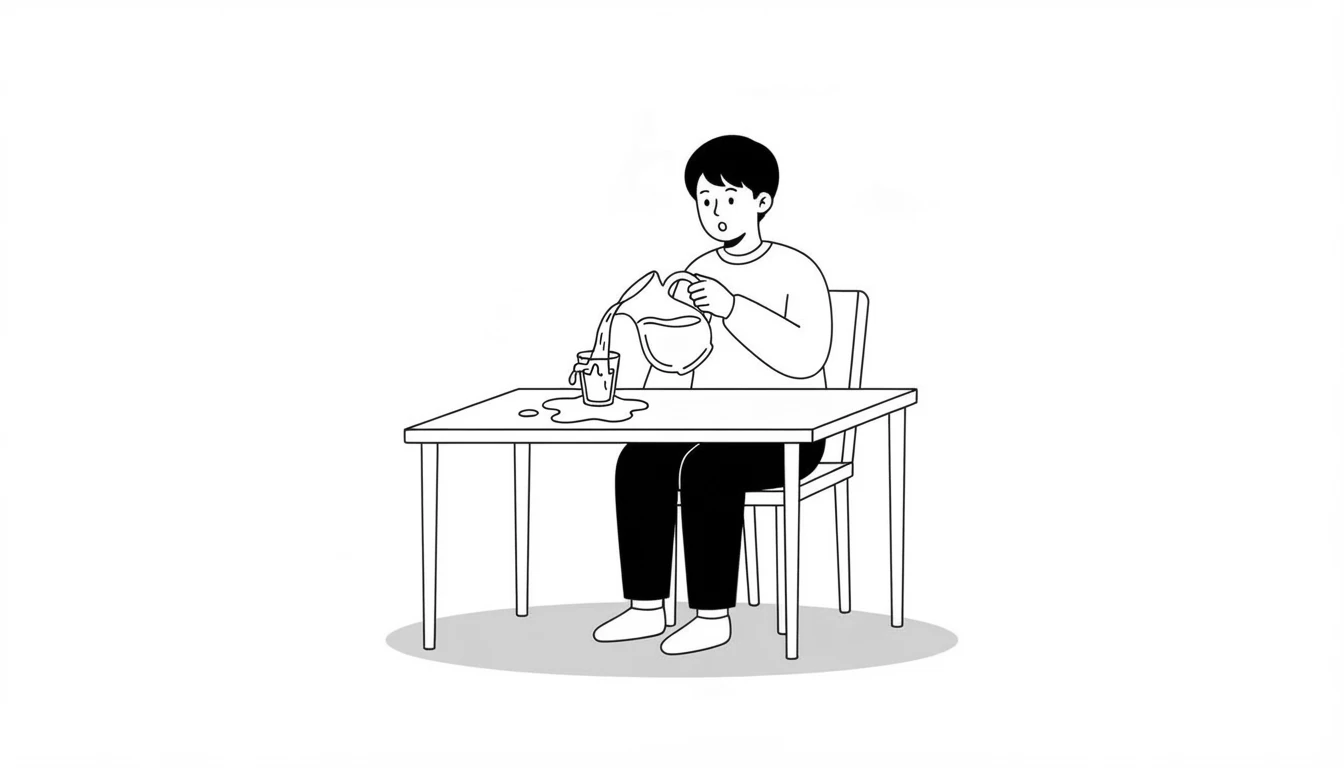
Con too much y too little usamos sustantivos incontables (money, time, homework, effort), y con too many y too few, contables (people, cars, characters): There are too few people to throw a real party.
Cómo se usa ENOUGH
De forma parecida, enough aparece en estas tres estructuras:
- adjetivo + enough + (for someone) + (to do something): It was cold enough to freeze a glass of water. / The print wasn’t big enough for me to be able to read.
- adverbio + enough + (for someone) + (to do something): The buses ran frequently enough for us to return on the same day. / If you ask politely enough, your dad will allow you to go out.
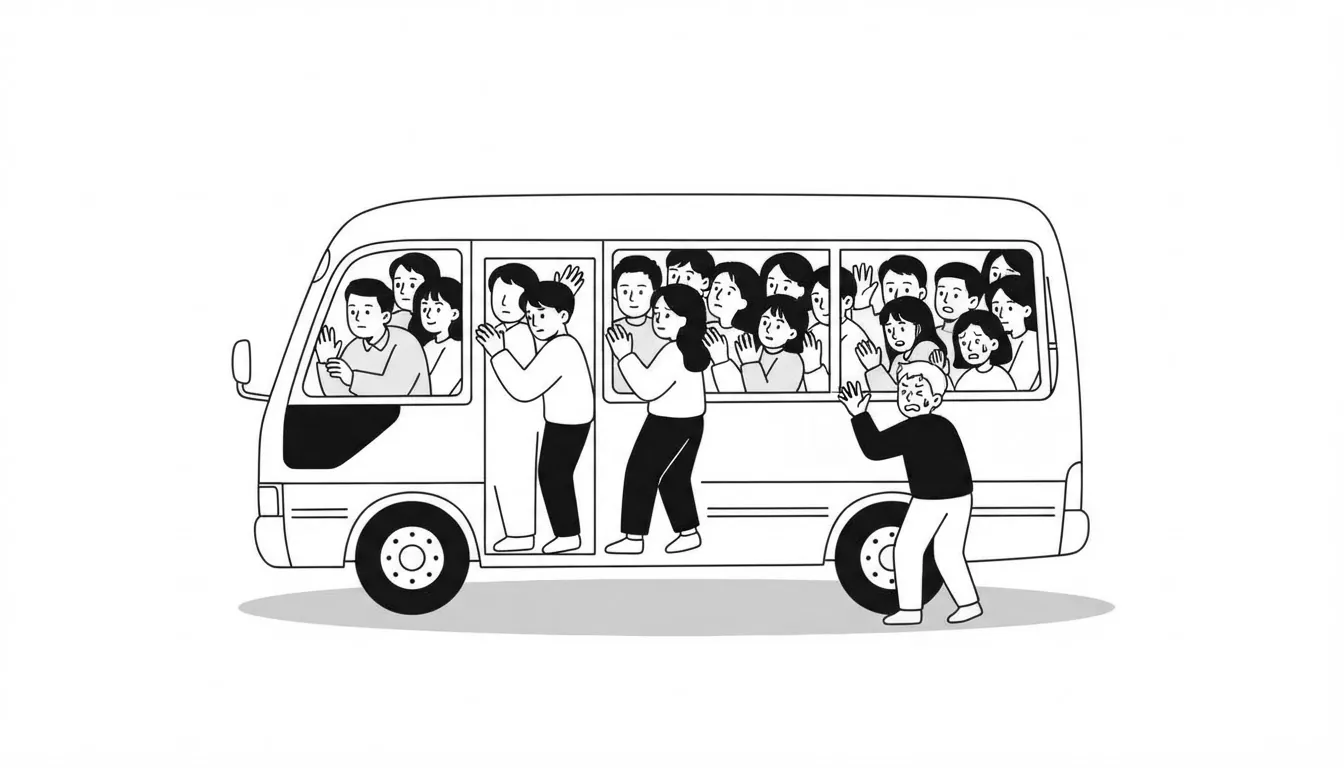
- enough + sustantivo + (for someone) + (to do something): There were enough people pushing the car to tip it over. / If I had enough money, I’d buy a house on the beach.
Fíjate en la diferencia de orden: decimos cold enough o politely enough (detrás del adjetivo o del adverbio), pero enough money (delante del sustantivo). El orden es el mismo para los adjetivos y los adverbios, pero distinto para los sustantivos. Y recuerda que enough se pronuncia /ɪˈnʌf/: la -gh suena como en tough o laugh. Más sobre esto en mi guía de la pronunciación de GH.
| Con… | 🇬🇧 TOO | 🇬🇧 ENOUGH |
|---|---|---|
| adjetivo | too tired (delante) | tired enough (detrás) |
| adverbio | too quickly (delante) | quickly enough (detrás) |
| sustantivo | too much money (delante) | enough money (delante) |
Si quieres saber por qué detrás de too y enough va el infinitivo con to, lo tienes explicado en mi guía de gerundio o infinitivo en inglés.
Too frente a very, too much y too many
Un error muy común es traducir «demasiado» y «muy» por too en los dos casos. No son lo mismo:
| Palabra | Significado | Ejemplo |
|---|---|---|
| very | muy (neutro, solo da intensidad) | It’s very cold, but I can swim. |
| too | demasiado (es un problema) | It’s too cold. I can’t swim. |
| too much | demasiado + incontable | too much noise, too much sugar |
| too many | demasiados + contable | too many people, too many cars |
Y too much y too many solo van delante de sustantivos. Con un adjetivo se dice too a secas: too tired, no too much tired.
Not enough frente a too: dos formas de decir lo mismo
Muchas frases con not … enough se pueden decir también con too y el adjetivo contrario, y esto aparece mucho en los exámenes:
| 🇬🇧 not … enough | 🇬🇧 too |
|---|---|
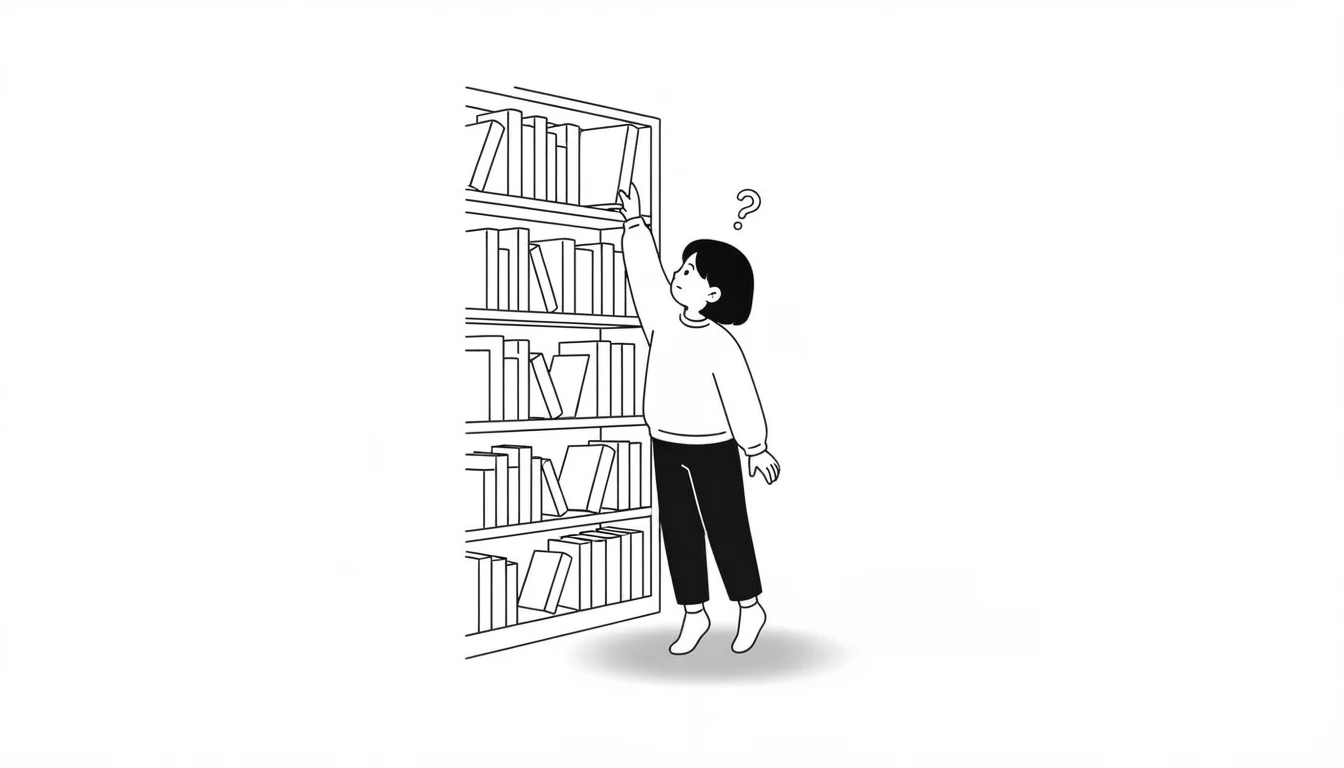
| He isn’t tall enough to reach the shelf. | He is too short to reach the shelf. |
| She isn’t old enough to drive. | She is too young to drive. |
| The bag isn’t light enough to carry. | The bag is too heavy to carry. |
| The room isn’t big enough for us all. | The room is too small for us all. |
Errores comunes con too y enough
| ❌ Incorrecto | ✅ Correcto | Por qué |
|---|---|---|
| I’m too much tired. | I’m too tired. | Con adjetivos no se usa much. |
| She is enough old to vote. | She is old enough to vote. | Enough va detrás del adjetivo. |
| There are too much people. | There are too many people. | People es contable: too many. |
| The tea is too much hot. | The tea is too hot. | Too + adjetivo, sin much. |
| I have too many homework. | I have too much homework. | Homework es incontable. |
| I don’t have time enough. | I don’t have enough time. | Con sustantivos, enough va delante. |
| It’s too cold for to go out. | It’s too cold to go out. | Sin persona, to directamente: no for to. |
Too y enough en los exámenes de Cambridge
Estas dos palabras son muy habituales en el Use of English de B2 First y C1 Advanced, sobre todo en la Part 4 (key word transformation), con las palabras clave TOO o ENOUGH. A menudo la frase original usa so… that o not… enough. Por ejemplo:
- The box was so heavy that I couldn’t lift it. TOO
The box was ______ me to lift. → too heavy for - He isn’t tall enough to reach the shelf. TOO
He is ______ reach the shelf. → too short to
En las dos hay que acordarse de dónde va cada palabra (too delante, enough detrás del adjetivo) y de la estructura for someone to do something.
Tabla resumen
| 🇬🇧 TOO | 🇬🇧 ENOUGH | |
|---|---|---|
| Significado | más de lo deseable | tanto como se necesita |
| Con adjetivo/adverbio | too + adj/adv | adj/adv + enough |
| Con sustantivo | too much/many + noun | enough + noun |
| Seguido de | (for someone) + to + infinitivo | (for someone) + to + infinitivo |
| Ejemplo | too tired to go out | old enough to drive |
¿Puedo usar «very» en lugar de «too»?
No siempre. Very solo da intensidad (very tired: muy cansado); too expresa que hay un problema (too tired to go out: tan cansado que no puedo salir).
¿Too much o too many?
Too much con sustantivos incontables (time, money, homework) y too many con contables (people, cars, friends).
¿Too también significa «también»?
Sí: too al final de la frase significa «también» (I like it too), y es otro uso distinto del de «demasiado». Se distinguen por la posición y el contexto.
Ejercicios de too y enough
Treinta frases para comprobar que lo tienes claro. Aquí abajo tienes tres ejercicios interactivos que se corrigen solos, así que sabrás al momento qué tal lo has hecho.
Y si prefieres una versión en texto que puedas copiar y pegar, la tienes aquí abajo 👇
Exercise 1: too or enough?
Choose the correct option to complete each sentence.
- I’m (too / enough) tired to go out tonight.
- This room isn’t big (too / enough) for ten people.
- There are (too many / too much) cars in the city centre.
- He isn’t (enough old / old enough) to drive.
- The soup is (too much / too) hot to eat.
- I have (too much / too many) homework this weekend.
- She speaks (enough clearly / clearly enough) for everyone to understand.
- There isn’t (enough / too) milk for everyone.
- They walked (too / enough) slowly to catch the bus.
- Do you have (enough / too) chairs for the guests?
Ver respuestas
- too
- enough
- too many
- old enough
- too
- too much
- clearly enough
- enough
- too
- enough
Exercise 2: complete the second sentence
Complete the second sentence so that it means the same as the first. Use too or enough, and write only the missing words.
- The coffee was so hot that I couldn’t drink it.
The coffee was _______________ me to drink. - He isn’t tall enough to reach the shelf.
He is _______________ reach the shelf. - The room is so small that we can’t all fit in.
The room is _______________ all of us to fit in. - She is so young that she can’t drive.
She isn’t _______________ drive. - There aren’t enough chairs for everybody.
There are _______________ chairs for everybody. - I have so much work that I can’t relax.
I have _______________ work to relax. - The teacher spoke so quickly that I couldn’t understand.
The teacher spoke _______________ me to understand. - The bag is so heavy that I can’t carry it.
The bag isn’t _______________ me to carry. - He earns very little money, so he can’t buy a car.
He doesn’t earn _______________ buy a car. - It’s so late that we can’t go out.
It’s _______________ go out.
Ver respuestas
- too hot for
- too short to
- too small for
- old enough to
- too few
- too much
- too quickly for / too fast for
- light enough for
- enough money to
- too late to
Exercise 3: correct or incorrect?
Decide whether each sentence is correct. If it is incorrect, rewrite it correctly.
- I’m too tired to go out.
- She is enough old to vote.
- There are too much people in the room.
- We have enough money to buy a house.
- The tea is too much hot.
- He doesn’t have enough time for to finish.
- It’s cold enough to snow.
- I have too many homework.
- They walked slowly enough for us to keep up.
- The exam was enough easy.
Ver respuestas
- Correct
- She is old enough to vote.
- There are too many people in the room.
- Correct
- The tea is too hot.
- He doesn’t have enough time to finish.
- Correct
- I have too much homework.
- Correct
- The exam was easy enough.
Conclusión
Resumiendo en tres ideas: too es «demasiado» (más de lo deseable) y enough es «suficiente»; too va delante del adjetivo y enough detrás (too tired, old enough), aunque con sustantivos enough va delante (enough money); y too no significa «muy»: expresa un problema.
Si te gustan estos pares de palabras que se confunden, mira también mis posts sobre say y tell, win y beat y suggest y recommend.
¿Te ha parecido útil este post? Compártelo con otros estudiantes y profesores de inglés. Y si quieres más contenido como este, suscríbete a mi newsletter y sígueme en Facebook, Twitter, Pinterest, Instagram y YouTube.
Nos vemos en el próximo post. Hasta entonces, don’t forget to keep smiling! 🙂
