
Table of contents
When you move up the ladder of the English language, sooner or later you come across too and enough, which are almost always presented together. And it is no coincidence: they are used in a very similar way. Both words can go with nouns, adjectives and adverbs, and both structures can be followed by for someone to do something. But despite those similarities, they mean different things, and if you mix them up (or put them in the wrong place) the sentence stops sounding natural.
In Spanish we solve it with «demasiado» and «suficiente», which go before the adjective or the noun without us stopping to think about it. In English, however, enough changes position depending on what it goes with, and too doesn’t mean «muy». In this guide I explain the difference, the structures of each one with examples, the difference with very, too much and too many, the most typical mistakes, how it helps you in the Cambridge exams and thirty sentences of exercises with answers. Let’s get started! 🙂
What each one means
- Too: more than is desirable. It always has a negative nuance. I owe the bank too much money.
- Enough: as much as is needed. I don’t have enough money to pay the bank.
| 🇬🇧 TOO | 🇬🇧 ENOUGH | |
|---|---|---|
| Meaning | more than desirable | as much as required |
| Nuance | negative | neutral or positive |
| Example | It’s too cold to swim. | It’s warm enough to swim. |
How to use TOO
Too usually appears in these three structures (with for someone and to do something as optional extras):
- too + adjective + (for someone) + (to do something): I am simply too tired to go out. / Those earrings were too important for her to give away.
- too + adverb + (for someone) + (to do something): The teacher spoke too quickly for me to take notes. / He simply drove too dangerously for me to feel safe.
- too + much / little / many / few + noun + (for someone) + (to do something): That’s too much homework for me to do in a weekend. (too much + uncountable) / The story has too many characters for me to remember their names. (too many + countable)
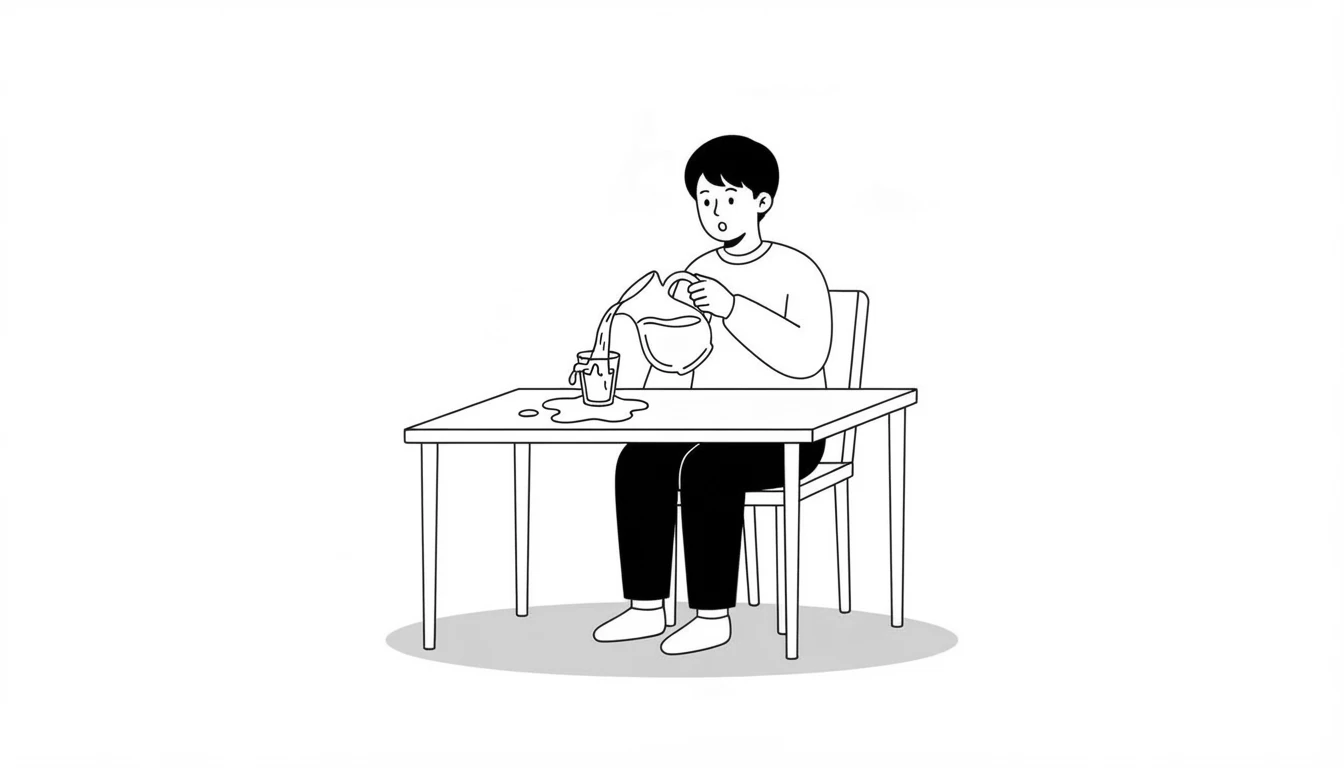
With too much and too little we use uncountable nouns (money, time, homework, effort), and with too many and too few, countable ones (people, cars, characters): There are too few people to throw a real party.
How to use ENOUGH
In a similar way, enough appears in these three structures:
- adjective + enough + (for someone) + (to do something): It was cold enough to freeze a glass of water. / The print wasn’t big enough for me to be able to read.
- adverb + enough + (for someone) + (to do something): The buses ran frequently enough for us to return on the same day. / If you ask politely enough, your dad will allow you to go out.
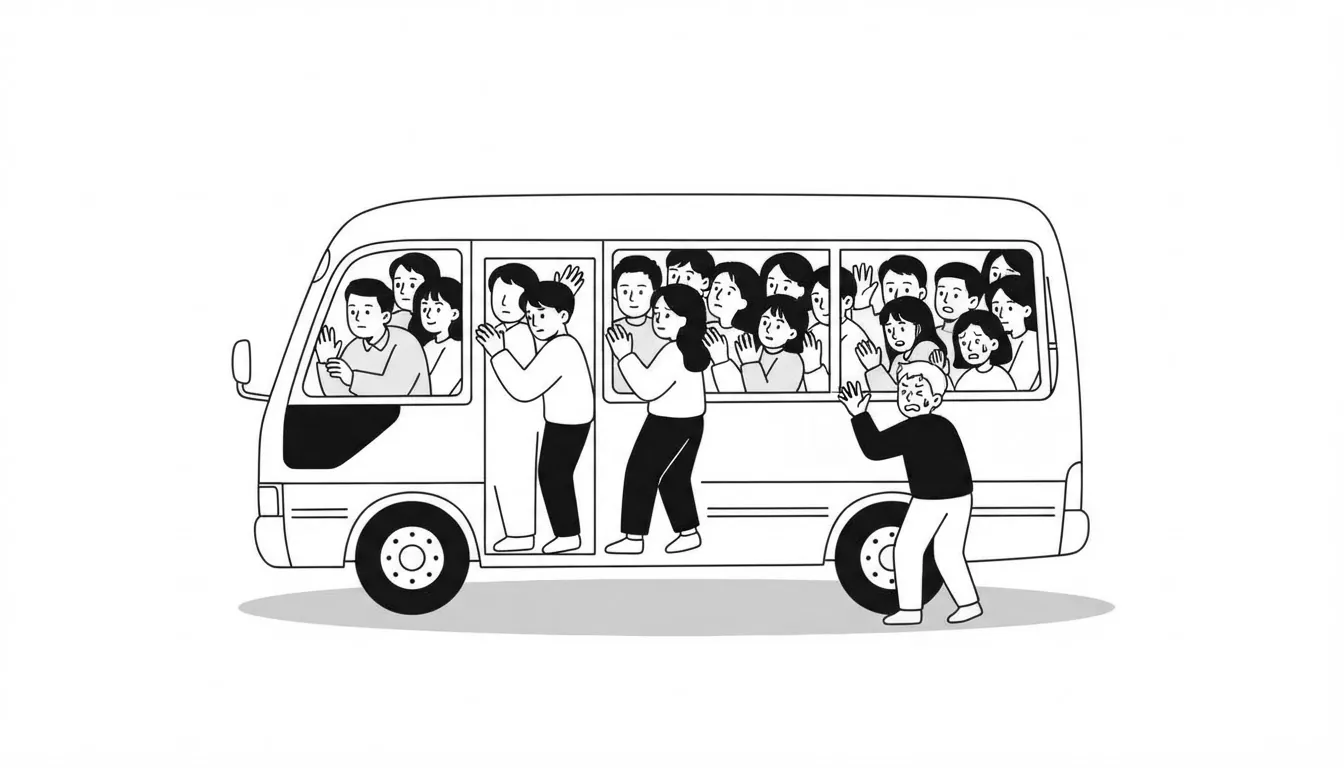
- enough + noun + (for someone) + (to do something): There were enough people pushing the car to tip it over. / If I had enough money, I’d buy a house on the beach.
Notice the difference in order: we say cold enough or politely enough (after the adjective or adverb), but enough money (before the noun). The order is the same for adjectives and adverbs, but different for nouns. And remember that enough is pronounced /ɪˈnʌf/: the -gh sounds as in tough or laugh. More about this in my guide to GH pronunciation.
| With… | 🇬🇧 TOO | 🇬🇧 ENOUGH |
|---|---|---|
| adjective | too tired (before) | tired enough (after) |
| adverb | too quickly (before) | quickly enough (after) |
| noun | too much money (before) | enough money (before) |
If you want to know why too and enough are followed by the to-infinitive, it is explained in my guide to gerund or infinitive in English.
Too vs very, too much and too many
A very common mistake is to translate both «demasiado» and «muy» as too. They are not the same:
| Word | Meaning | Example |
|---|---|---|
| very | to a high degree (neutral, only gives intensity) | It’s very cold, but I can swim. |
| too | more than desirable (it is a problem) | It’s too cold. I can’t swim. |
| too much | too much + uncountable | too much noise, too much sugar |
| too many | too many + countable | too many people, too many cars |
And too much and too many only go before nouns. With an adjective you say plain too: too tired, not too much tired.
Not enough vs too: two ways of saying the same thing
Many sentences with not … enough can also be said with too and the opposite adjective, and this comes up a lot in exams:
| 🇬🇧 not … enough | 🇬🇧 too |
|---|---|
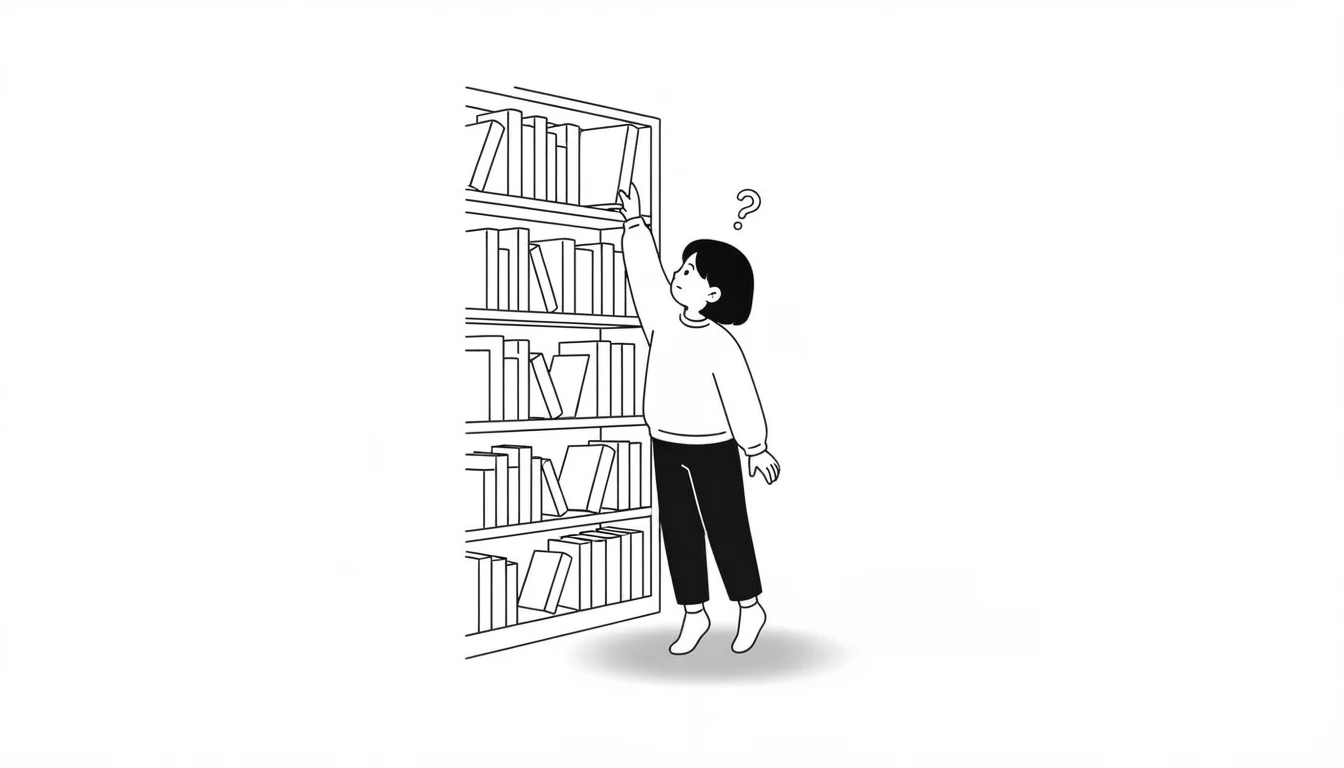
| He isn’t tall enough to reach the shelf. | He is too short to reach the shelf. |
| She isn’t old enough to drive. | She is too young to drive. |
| The bag isn’t light enough to carry. | The bag is too heavy to carry. |
| The room isn’t big enough for us all. | The room is too small for us all. |
Common mistakes with too and enough
| ❌ Incorrect | ✅ Correct | Why |
|---|---|---|
| I’m too much tired. | I’m too tired. | With adjectives, much isn’t used. |
| She is enough old to vote. | She is old enough to vote. | Enough goes after the adjective. |
| There are too much people. | There are too many people. | People is countable: too many. |
| The tea is too much hot. | The tea is too hot. | Too + adjective, without much. |
| I have too many homework. | I have too much homework. | Homework is uncountable. |
| I don’t have time enough. | I don’t have enough time. | With nouns, enough goes before. |
| It’s too cold for to go out. | It’s too cold to go out. | With no person, just to: not for to. |
Too and enough in the Cambridge exams
These two words are very common in the Use of English paper of B2 First and C1 Advanced, especially in Part 4 (key word transformation), with the key words TOO or ENOUGH. The original sentence often uses so… that or not… enough. For example:
- The box was so heavy that I couldn’t lift it. TOO
The box was ______ me to lift. → too heavy for - He isn’t tall enough to reach the shelf. TOO
He is ______ reach the shelf. → too short to
In both you have to remember where each word goes (too before, enough after the adjective) and the for someone to do something structure.
Summary table
| 🇬🇧 TOO | 🇬🇧 ENOUGH | |
|---|---|---|
| Meaning | more than desirable | as much as needed |
| With adjective/adverb | too + adj/adv | adj/adv + enough |
| With noun | too much/many + noun | enough + noun |
| Followed by | (for someone) + to + infinitive | (for someone) + to + infinitive |
| Example | too tired to go out | old enough to drive |
Can I use «very» instead of «too»?
Not always. Very only gives intensity (very tired); too expresses that there is a problem (too tired to go out: so tired that I can’t go out).
Too much or too many?
Too much with uncountable nouns (time, money, homework) and too many with countable ones (people, cars, friends).
Does too also mean «also»?
Yes: too at the end of a sentence means «also» (I like it too), which is a different use from «excessively». You tell them apart by position and context.
Too and enough exercises
Thirty sentences to check that you’ve got it. Below you have three interactive exercises that mark themselves, so you will know straight away how you did.
And if you prefer a version in text that you can copy and paste, you have it down here 👇
Exercise 1: too or enough?
Choose the correct option to complete each sentence.
- I’m (too / enough) tired to go out tonight.
- This room isn’t big (too / enough) for ten people.
- There are (too many / too much) cars in the city centre.
- He isn’t (enough old / old enough) to drive.
- The soup is (too much / too) hot to eat.
- I have (too much / too many) homework this weekend.
- She speaks (enough clearly / clearly enough) for everyone to understand.
- There isn’t (enough / too) milk for everyone.
- They walked (too / enough) slowly to catch the bus.
- Do you have (enough / too) chairs for the guests?
Show answers
- too
- enough
- too many
- old enough
- too
- too much
- clearly enough
- enough
- too
- enough
Exercise 2: complete the second sentence
Complete the second sentence so that it means the same as the first. Use too or enough, and write only the missing words.
- The coffee was so hot that I couldn’t drink it.
The coffee was _______________ me to drink. - He isn’t tall enough to reach the shelf.
He is _______________ reach the shelf. - The room is so small that we can’t all fit in.
The room is _______________ all of us to fit in. - She is so young that she can’t drive.
She isn’t _______________ drive. - There aren’t enough chairs for everybody.
There are _______________ chairs for everybody. - I have so much work that I can’t relax.
I have _______________ work to relax. - The teacher spoke so quickly that I couldn’t understand.
The teacher spoke _______________ me to understand. - The bag is so heavy that I can’t carry it.
The bag isn’t _______________ me to carry. - He earns very little money, so he can’t buy a car.
He doesn’t earn _______________ buy a car. - It’s so late that we can’t go out.
It’s _______________ go out.
Show answers
- too hot for
- too short to
- too small for
- old enough to
- too few
- too much
- too quickly for / too fast for
- light enough for
- enough money to
- too late to
Exercise 3: correct or incorrect?
Decide whether each sentence is correct. If it is incorrect, rewrite it correctly.
- I’m too tired to go out.
- She is enough old to vote.
- There are too much people in the room.
- We have enough money to buy a house.
- The tea is too much hot.
- He doesn’t have enough time for to finish.
- It’s cold enough to snow.
- I have too many homework.
- They walked slowly enough for us to keep up.
- The exam was enough easy.
Show answers
- Correct
- She is old enough to vote.
- There are too many people in the room.
- Correct
- The tea is too hot.
- He doesn’t have enough time to finish.
- Correct
- I have too much homework.
- Correct
- The exam was easy enough.
Conclusion
To sum up in three ideas: too means «excessively» (more than desirable) and enough means «sufficiently»; too goes before the adjective and enough after it (too tired, old enough), although with nouns enough goes before (enough money); and too doesn’t mean «very»: it expresses a problem.
If you like these pairs of words that get confused, have a look at my posts on say and tell, win and beat and suggest and recommend.
Did you find this post useful? Share it with other students and English teachers. And if you want more content like this, subscribe to my newsletter and follow me on Facebook, Twitter, Pinterest, Instagram and YouTube.
See you in the next post. Until then, don’t forget to keep smiling! 🙂
