
Tabla de contenidos
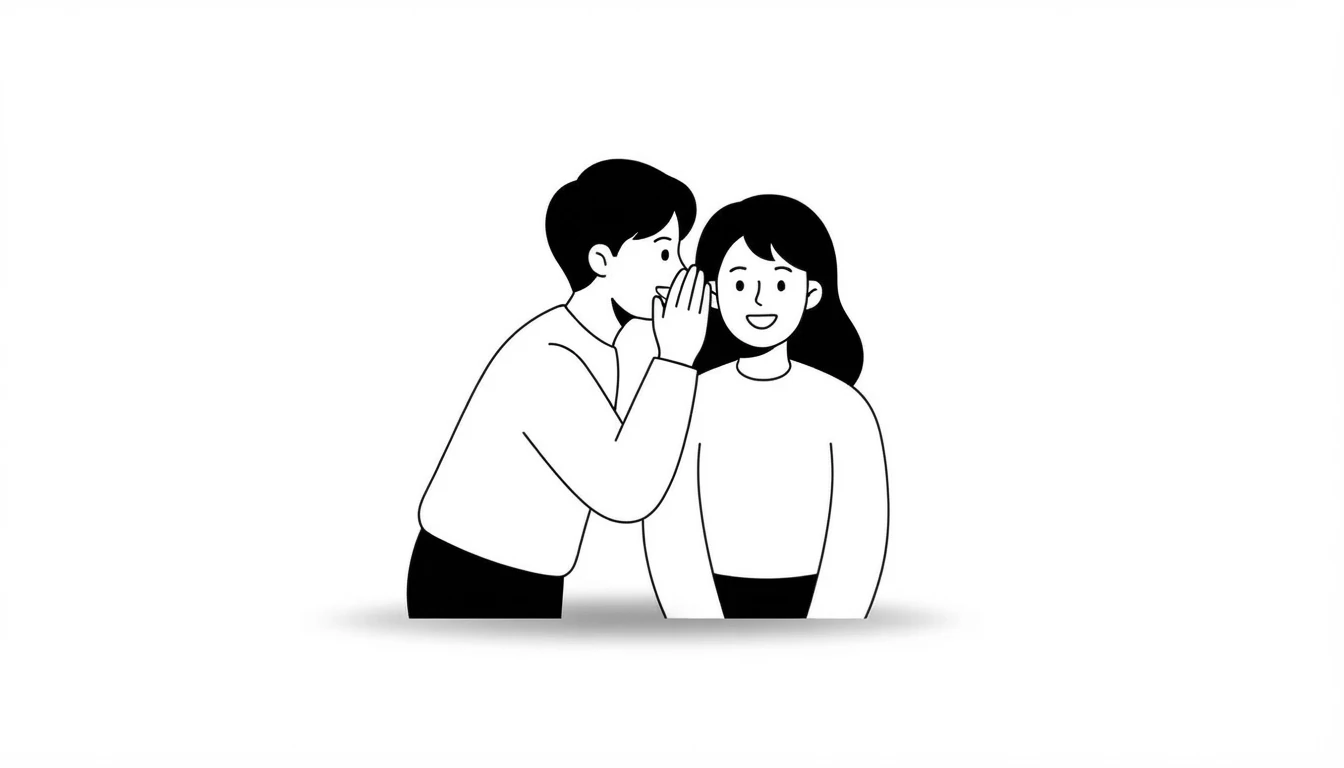
¿Por qué cuesta tanto usar bien say y tell? La respuesta es sencilla: en español tenemos un solo verbo, «decir», para los dos. Decimos «me dijo que estaba cansada» y «dijo que estaba cansada» con el mismo verbo, pero en inglés She told me that she was tired y She said that she was tired necesitan verbos distintos. Y si cambias uno por otro, la frase suena mal: She said me that she was tired o She told that she was tired son dos de los errores más comunes de los hispanohablantes.
Tanto say como tell son verbos que usamos para informar de lo que alguien dijo en otro momento o en otro lugar. Lo que los hace tan confusos es que su significado es prácticamente el mismo, mientras que su uso es ligeramente distinto. En esta guía te explico la diferencia con una regla muy sencilla, las estructuras de cada verbo con ejemplos, las colocaciones (porque cada uno va con palabras distintas), los errores más típicos, cómo te ayuda en los exámenes de Cambridge y treinta frases de ejercicios con soluciones. ¡Vamos allá! 🙂
La diferencia en una frase
Compara estas dos frases, que resumen la diferencia principal:
- He told me a secret. → tell + alguien + algo
- He said that I could never let anyone know. → say + (that) + oración
Es decir: tell normalmente lleva un objeto de persona (a quién se lo dices), mientras que say normalmente no lo lleva. Por eso estas dos frases son incorrectas:
- ❌ She told that we should be quiet. → ✅ She told us that we should be quiet. / ✅ She said that we should be quiet.
- ❌ She said me that we should be quiet. → ✅ She told me that we should be quiet.
| Verbo | ¿Lleva persona? | Estructura básica | Ejemplo |
|---|---|---|---|
| say | no (se evita) | say + (that) + oración | She said (that) she was tired. |
| tell | sí, siempre | tell + persona + (that) + oración | She told me (that) she was tired. |
Estructuras con SAY
- say (to someone) + oración (la persona es opcional y va con to): He said (to his parents) that he would be home late.
- say + algo (un sustantivo): They didn’t say a word about the robbery.
- say + to do something (una orden, más informal): My mum said to go to bed early.
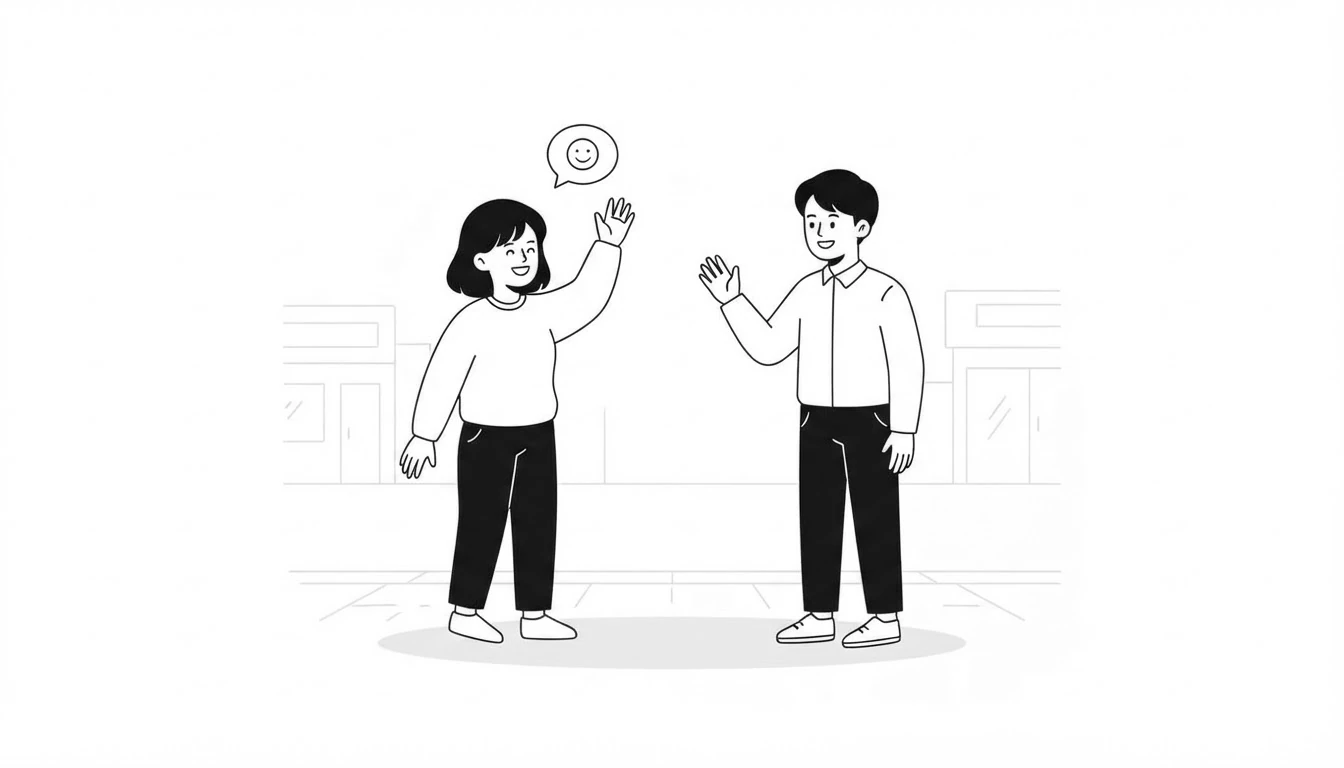
Fíjate en que, si quieres mencionar a la persona con say, necesitas to: He said to me that…, nunca He said me that….
Estructuras con TELL
- tell + alguien + algo (un sustantivo, una frase o una oración): He told me (that) I was being a jerk! Can you believe it?
- tell + alguien + to do something (una orden): The teacher told the students to hand in the exam.
- tell + algo + to + alguien (sustantivo): Some bad pupils get away with telling lies (to their parents).
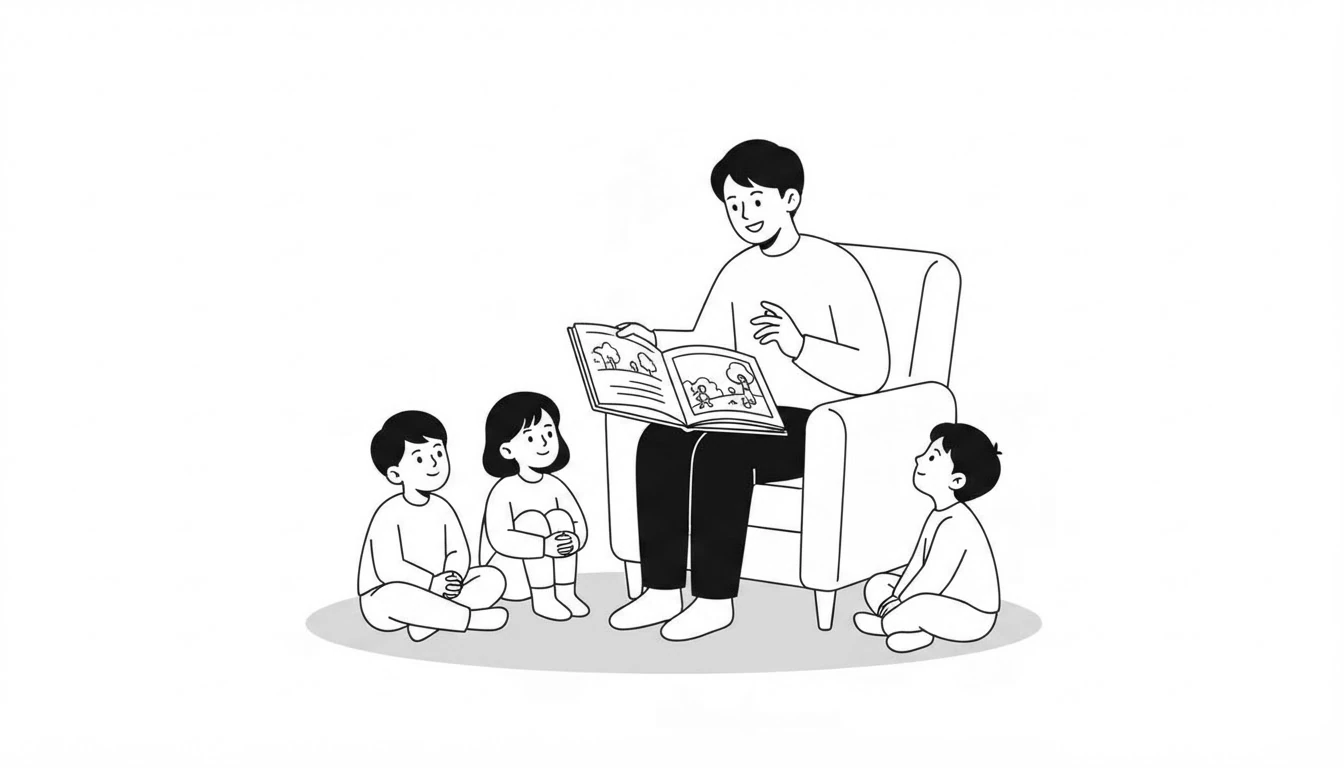
Con tell la persona va directamente detrás del verbo, sin to: She told me, He told us, I told him. Y si lo que quieres es dar una orden o un consejo, tell es la opción más natural: I told him to wait outside.
Colocaciones con say y tell
Otro aspecto que tienes que tener en cuenta son las colocaciones: cada verbo va con unas palabras y expresiones distintas, y casi siempre hay que aprenderlas de memoria.
| 🇬🇧 SAY + | 🇬🇧 TELL + |
|---|---|
| say hello / goodbye / goodnight | tell a story |
| say yes / no | tell a joke |
| say thank you / sorry / please | tell a lie |
| say a few words | tell the truth |
| say a prayer | tell a secret |
| say something | tell the time |
| say your name | tell the difference |
| say what you think | tell someone the way |
Y una nota sobre la pronunciación: el pasado de say es said y se pronuncia /sed/ (rima con bed), no /seɪd/; el de tell es told /təʊld/. Los dos son verbos irregulares: say – said – said y tell – told – told.
Errores comunes con say y tell
| ❌ Incorrecto | ✅ Correcto | Por qué |
|---|---|---|
| She said me that she was tired. | She told me that she was tired. | Say no lleva persona directamente. |
| He told that he was leaving. | He told us that he was leaving. | Tell necesita una persona. |
| Can you say me the time? | Can you tell me the time? | Se dice tell the time. |
| He said us to be careful. | He told us to be careful. | Para órdenes con persona, tell. |
| She told to me that she was tired. | She told me that she was tired. | Con tell, la persona va sin to. |
| He said the truth. | He told the truth. | Es una colocación: tell the truth. |
Say y tell en el estilo indirecto
La diferencia que has visto es la misma cuando cuentas lo que otra persona dijo. Con tell necesitas decir a quién; con say, no:
- «I’m tired,» she said. → She said (that) she was tired.
- «I’m tired,» she said to me. → She told me (that) she was tired.
Los cambios de tiempo verbal, de pronombres y de expresiones de tiempo los tienes explicados en mi guía de reported speech, y en la de reporting verbs tienes otros verbos para contar lo que alguien dijo.
¿Y speak y talk?
Estos dos verbos también se traducen como «hablar», pero no sirven para informar de lo que alguien dijo:
| Verbo | Uso | Ejemplo |
|---|---|---|
| speak | hablar un idioma o de forma más formal | She speaks three languages. |
| talk | conversar, de forma más informal | We talked for hours. |
| say | decir unas palabras concretas | He said, «Come in». |
| tell | contar, informar a alguien | She told me the news. |
Say y tell en los exámenes de Cambridge
Esta diferencia aparece una y otra vez en el Use of English de B2 First y C1 Advanced, sobre todo en la Part 4 (key word transformation) y en el estilo indirecto, con las palabras clave TOLD o SAID. Por ejemplo:
- «Don’t be late,» the teacher said to us. TOLD
The teacher ______ late. → told us not to be - «I’m tired,» he said to me. TOLD
He ______ tired. → told me (that) he was
En las dos hay que acordarse de dos cosas: que tell lleva persona directamente detrás y que, en el estilo indirecto, el tiempo verbal retrocede. Es un fallo muy típico en B2.
Tabla resumen
| 🇬🇧 SAY | 🇬🇧 TELL | |
|---|---|---|
| Persona | no (o con to) | sí, directamente detrás |
| Estructura | say + (that) + oración | tell + persona + (that) + oración |
| Órdenes | say to do (informal) | tell somebody to do |
| Colocaciones | hello, goodbye, a few words, yes, no | a story, a joke, a lie, the truth, a secret, the time |
| Pasado | said /sed/ | told /təʊld/ |
¿Cuál debo aprender primero?
Si estás empezando, céntrate en las dos estructuras más comunes: tell me something y say that + oración. Cuando las domines, te resultará mucho más fácil pasar a las demás.
¿Se puede decir «say me»?
No. Con say no puedes poner la persona directamente detrás. Di tell me, o say to me si quieres usar say.
¿Se dice «tell the truth» o «say the truth»?
Se dice tell the truth. Es una colocación fija, igual que tell a lie y tell a joke.
Ejercicios de say y tell
Treinta frases para comprobar que lo tienes claro. Aquí abajo tienes tres ejercicios interactivos que se corrigen solos, así que sabrás al momento qué tal lo has hecho.
Y si prefieres una versión en texto que puedas copiar y pegar, la tienes aquí abajo 👇
Exercise 1: say or tell?
Choose the correct verb to complete each sentence.
- She (said / told) me that she was tired.
- He (said / told) that he would be late.
- The teacher (said / told) us to open our books.
- Can you (say / tell) me the time, please?
- My mum (said / told) goodnight and turned off the light.
- He always (says / tells) lies.
- They didn’t (say / tell) a word about the robbery.
- Please (say / tell) hello to your parents for me.
- I (said / told) Tom the truth yesterday.
- «I’m leaving,» he (said / told).
Ver respuestas
- told
- said
- told
- tell
- said
- tells
- say
- say
- told
- said
Exercise 2: complete the sentences
Write the correct form of say or tell in each gap.
- He _______________ me a secret.
- She _______________ that she was hungry.
- Don’t _______________ anyone about the surprise.
- What did he _______________ when you asked him?
- My boss _______________ us to finish the report today.
- Can you _______________ me how to get to the station?
- I’d like to _______________ a few words about my brother.
- She _______________ us a funny story about her holiday.
- «Thank you,» she _______________.
- Nobody can _______________ the difference between these twins.
Ver respuestas
- told
- said
- tell
- say
- told
- tell
- say
- told
- said
- tell
Exercise 3: correct or incorrect?
Decide whether each sentence is correct. If it is incorrect, rewrite it correctly.
- She said me that she was tired.
- He told that he was leaving.
- My teacher told us to be quiet.
- Can you say me the time?
- They said goodbye and left.
- He told a lie to his parents.
- I told him to wait outside.
- He said us to be careful.
- I can’t tell the difference between them.
- She said the doctor that she was fine.
Ver respuestas
- She told me that she was tired. / She said that she was tired.
- He said that he was leaving. / He told us that he was leaving.
- Correct
- Can you tell me the time?
- Correct
- Correct
- Correct
- He told us to be careful.
- Correct
- She told the doctor that she was fine. / She said that she was fine.
Conclusión
Resumiendo en tres ideas: tell lleva siempre una persona (tell me, tell us) y say no (say that…); cada verbo tiene sus colocaciones (tell a story, say hello); y si dudas, empieza por tell me something y say that + oración, que son las dos estructuras más seguras.
Si te gustan estos pares de verbos que se confunden, mira también mis posts sobre lie y lay, suggest y recommend y win y beat.
¿Te ha parecido útil este post? Compártelo con otros estudiantes y profesores de inglés. Y si quieres más contenido como este, suscríbete a mi newsletter y sígueme en Facebook, Twitter, Pinterest, Instagram y YouTube.
Nos vemos en el próximo post. Hasta entonces, don’t forget to keep smiling! 🙂
