
Tabla de contenidos
Los animales son de lo primero que aprendemos en inglés: en el colegio, todos hemos cantado alguna canción con dog, cat, cow y duck. El problema llega después, cuando quieres hablar de tu mascota en un examen, contar qué viste en un safari o entender un documental, y te das cuenta de que no sabes cómo se dice «oveja» en plural, «pezuña», «cachorro» o «picar» (de abeja). Y eso sin contar las trampas: en inglés una mascot no es tu perro, y tener «dos peces» no es two fishes.
No te preocupes, que en este post te lo pongo fácil. Vas a encontrar los nombres de los animales en inglés organizados por grupos (mascotas, animales de granja, salvajes, marinos, aves e insectos) con su pronunciación, las crías, los sonidos, las partes del cuerpo de los animales, los plurales irregulares, verbos y adjetivos útiles, los idioms más divertidos, los errores típicos de los hispanohablantes, cómo sale todo esto en los exámenes de Cambridge y, al final, ejercicios con solucionario.
¡Vamos allá! 🙂
Vocabulario básico sobre los animales en inglés
Antes de entrar en las listas, unas cuantas palabras generales que vas a necesitar todo el rato:
| 🇬🇧 English | Pronunciation | 🇪🇸 Español |
|---|---|---|
| animal | /ˈænɪml/ | animal |
| pet | /pet/ | mascota |
| farm animal | /fɑːm ˈænɪml/ | animal de granja |
| wild animal | /waɪld ˈænɪml/ | animal salvaje |
| mammal | /ˈmæml/ | mamífero |
| bird | /bɜːd/ | pájaro, ave |
| insect | /ˈɪnsekt/ | insecto |
| reptile | /ˈreptaɪl/ | reptil |
| species | /ˈspiːʃiːz/ | especie (igual en singular y plural) |
| zoo | /zuː/ | zoo, zoológico |
| vet | /vet/ | veterinario/a |
Un detalle: bird sirve tanto para «pájaro» como para «ave», no hace falta buscar dos palabras distintas.
Mascotas en inglés
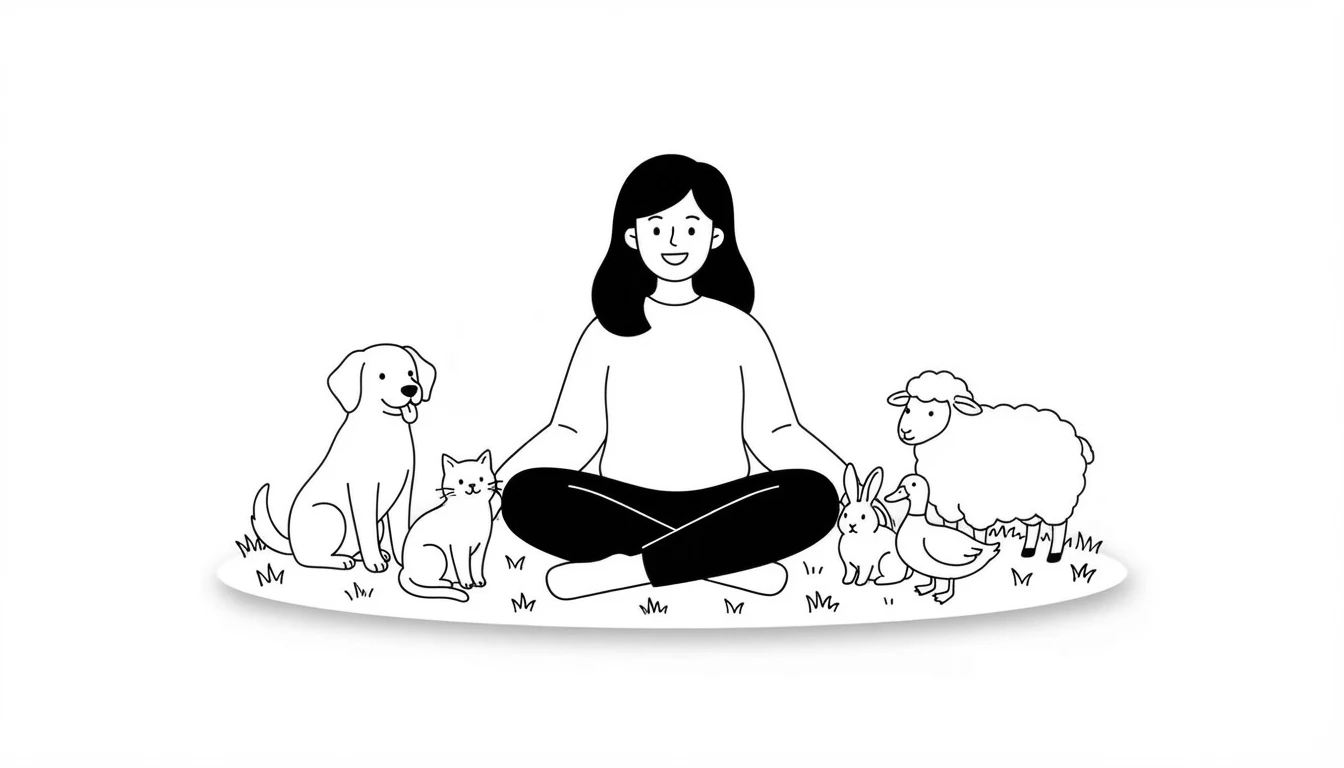
Empezamos por las mascotas (pets), porque son las que más vas a usar para hablar de ti:
| 🇬🇧 English | Pronunciation | 🇪🇸 Español |
|---|---|---|
| dog | /dɒɡ/ | perro |
| cat | /kæt/ | gato |
| rabbit | /ˈræbɪt/ | conejo |
| hamster | /ˈhæmstə/ | hámster |
| guinea pig | /ˈɡɪni pɪɡ/ | cobaya, conejillo de Indias |
| goldfish | /ˈɡəʊldfɪʃ/ | pez de colores |
| parrot | /ˈpærət/ | loro |
| budgie | /ˈbʌdʒi/ | periquito |
| tortoise | /ˈtɔːtəs/ | tortuga (de tierra) |
| mouse | /maʊs/ | ratón |
Frases para hablar de tu mascota
Saber el nombre del animal está bien, pero lo que de verdad te va a servir son frases como estas:
- I’ve got a dog called Toby. (Tengo un perro que se llama Toby.)
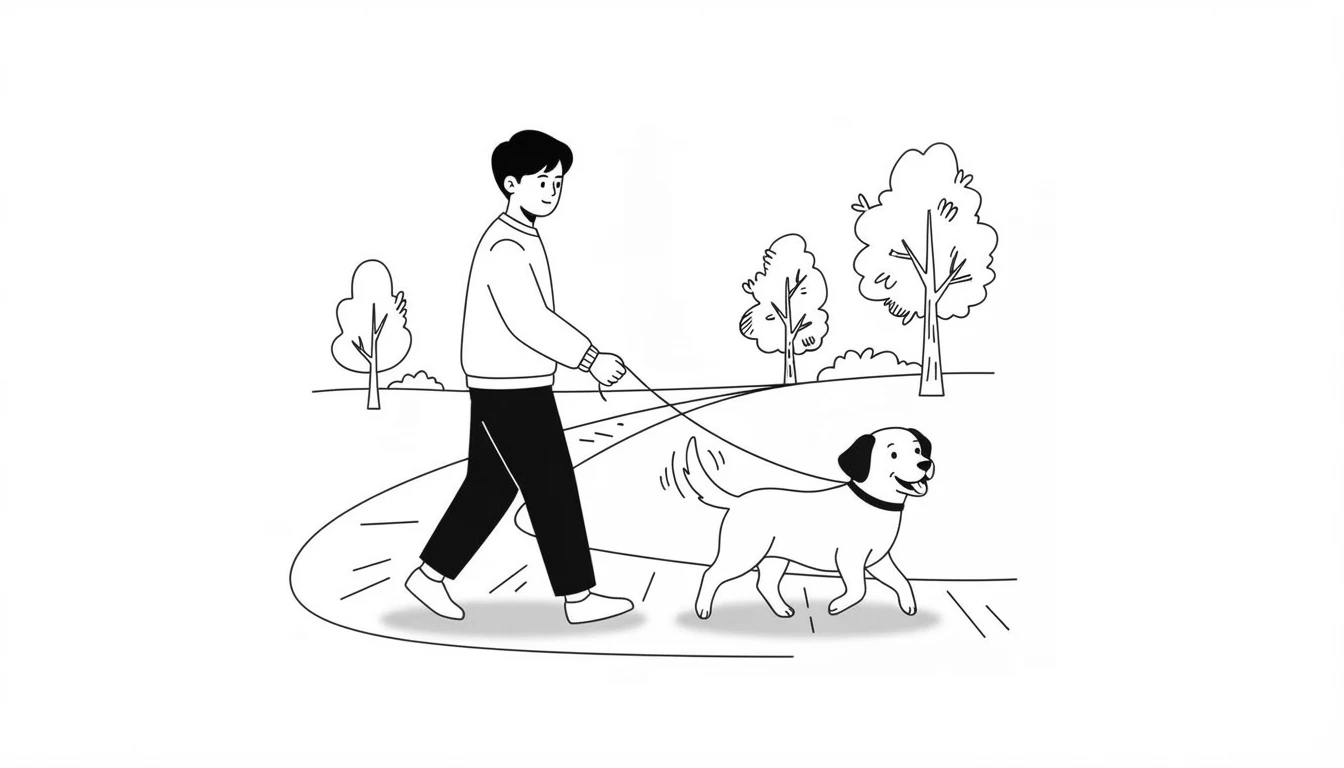
- I take him for a walk every evening. / I walk him every evening. (Lo saco a pasear todas las tardes.)
- I feed my cat twice a day. (Le doy de comer a mi gata dos veces al día.)
- My brother looks after the rabbit when we’re on holiday. (Mi hermano cuida del conejo cuando estamos de vacaciones.)
- We adopted her from an animal shelter. (La adoptamos en una protectora.)
- She loves it when I stroke her. (Le encanta que la acaricie.)
Por cierto, con las mascotas lo normal es usar he o she, no it: para nosotros son parte de la familia, y el inglés también lo refleja.
Animales de la granja en inglés
| 🇬🇧 English | Pronunciation | 🇪🇸 Español |
|---|---|---|
| cow | /kaʊ/ | vaca |
| bull | /bʊl/ | toro |
| horse | /hɔːs/ | caballo |
| donkey | /ˈdɒŋki/ | burro |
| pig | /pɪɡ/ | cerdo |
| sheep | /ʃiːp/ | oveja |
| goat | /ɡəʊt/ | cabra |
| hen | /hen/ | gallina |
| chicken | /ˈtʃɪkɪn/ | pollo, gallina |
| cockerel | /ˈkɒkərəl/ | gallo (en EE. UU., rooster) |
| duck | /dʌk/ | pato |
| goose | /ɡuːs/ | ganso, oca |
| turkey | /ˈtɜːki/ | pavo |
Chicken es tanto el animal como la carne que comemos, mientras que hen es solo la gallina viva. Lo mismo pasa con otros animales: la carne de cow es beef, la de pig es pork y la de sheep es lamb. Si te interesa este tema, échale un ojo a mi post sobre la comida en inglés.
Animales salvajes en inglés
| 🇬🇧 English | Pronunciation | 🇪🇸 Español |
|---|---|---|
| lion | /ˈlaɪən/ | león |
| tiger | /ˈtaɪɡə/ | tigre |
| elephant | /ˈelɪfənt/ | elefante |
| giraffe | /dʒəˈrɑːf/ | jirafa |
| zebra | /ˈzebrə/ | cebra |
| monkey | /ˈmʌŋki/ | mono |
| bear | /beə/ | oso |
| wolf | /wʊlf/ | lobo |
| fox | /fɒks/ | zorro |
| deer | /dɪə/ | ciervo |
| squirrel | /ˈskwɪrəl/ | ardilla |
| hippo | /ˈhɪpəʊ/ | hipopótamo |
| rhino | /ˈraɪnəʊ/ | rinoceronte |
| camel | /ˈkæml/ | camello |
| kangaroo | /ˌkæŋɡəˈruː/ | canguro |
| crocodile | /ˈkrɒkədaɪl/ | cocodrilo |
| snake | /sneɪk/ | serpiente |
Ojo con la pronunciación de bear, que suena igual que bare (desnudo), y con giraffe, que lleva el acento en la segunda sílaba.
Animales marinos en inglés
| 🇬🇧 English | Pronunciation | 🇪🇸 Español |
|---|---|---|
| fish | /fɪʃ/ | pez, pescado |
| shark | /ʃɑːk/ | tiburón |
| whale | /weɪl/ | ballena |
| dolphin | /ˈdɒlfɪn/ | delfín |
| seal | /siːl/ | foca |
| turtle | /ˈtɜːtl/ | tortuga (marina) |
| octopus | /ˈɒktəpəs/ | pulpo |
| squid | /skwɪd/ | calamar |
| jellyfish | /ˈdʒelifɪʃ/ | medusa |
| crab | /kræb/ | cangrejo |
| prawn | /prɔːn/ | gamba |
| starfish | /ˈstɑːfɪʃ/ | estrella de mar |
Fíjate en que el inglés distingue entre turtle (la tortuga de mar) y tortoise (la de tierra), mientras que nosotros usamos «tortuga» para las dos. Y en español distinguimos entre «pez» y «pescado», pero en inglés las dos cosas son fish.
Aves en inglés
| 🇬🇧 English | Pronunciation | 🇪🇸 Español |
|---|---|---|
| eagle | /ˈiːɡl/ | águila |
| owl | /aʊl/ | búho, lechuza |
| pigeon | /ˈpɪdʒɪn/ | paloma |
| sparrow | /ˈspærəʊ/ | gorrión |
| seagull | /ˈsiːɡʌl/ | gaviota |
| swan | /swɒn/ | cisne |
| stork | /stɔːk/ | cigüeña |
| penguin | /ˈpeŋɡwɪn/ | pingüino |
| flamingo | /fləˈmɪŋɡəʊ/ | flamenco |
| parrot | /ˈpærət/ | loro |
Si vives en una ciudad española, pigeon, sparrow y stork te van a venir genial para describir lo que ves cada día. Y un dato curioso: el flamenco (el baile) y el flamenco (el pájaro) en inglés no tienen nada que ver: el baile es flamenco y el pájaro, flamingo.
Insectos y otros bichos en inglés
| 🇬🇧 English | Pronunciation | 🇪🇸 Español |
|---|---|---|
| fly | /flaɪ/ | mosca |
| mosquito | /məˈskiːtəʊ/ | mosquito |
| bee | /biː/ | abeja |
| wasp | /wɒsp/ | avispa |
| ant | /ænt/ | hormiga |
| butterfly | /ˈbʌtəflaɪ/ | mariposa |
| ladybird | /ˈleɪdibɜːd/ | mariquita (en EE. UU., ladybug) |
| cockroach | /ˈkɒkrəʊtʃ/ | cucaracha |
| grasshopper | /ˈɡrɑːshɒpə/ | saltamontes |
| spider | /ˈspaɪdə/ | araña |
| snail | /sneɪl/ | caracol |
| worm | /wɜːm/ | gusano, lombriz |
Técnicamente, la araña, el caracol y el gusano no son insectos, así que si quieres una palabra para todos los «bichos», en el inglés del día a día se usa mucho bug (sobre todo en EE. UU.) o creepy-crawlies (en el Reino Unido, para los que dan un poco de repelús). Y un verbo que conviene saber: las abejas y las avispas no «muerden», sting (pican); los mosquitos, en cambio, bite.
Las crías de los animales en inglés
Aquí el inglés es más rico que el español: en lugar de decir «el bebé del perro», muchas crías tienen su propio nombre.
| 🇬🇧 Animal | 🇬🇧 Cría | Pronunciation | 🇪🇸 Español |
|---|---|---|---|
| dog | puppy | /ˈpʌpi/ | cachorro |
| cat | kitten | /ˈkɪtn/ | gatito |
| cow | calf | /kɑːf/ | ternero |
| sheep | lamb | /læm/ | cordero |
| horse | foal | /fəʊl/ | potro |
| pig | piglet | /ˈpɪɡlət/ | cerdito, lechón |
| hen | chick | /tʃɪk/ | pollito |
| duck | duckling | /ˈdʌklɪŋ/ | patito |
| lion, bear, tiger | cub | /kʌb/ | cachorro |
Fíjate en que la b de lamb no se pronuncia, igual que en climb o thumb. Y sí, el famoso cuento es The Ugly Duckling, «El patito feo». 🙂
Los sonidos de los animales en inglés
Esto es lo más divertido del post: los animales ingleses «hablan» distinto que los españoles. Un perro español hace «guau» y uno inglés hace woof. En inglés hay un verbo para cada sonido:
| 🇬🇧 Animal | 🇬🇧 Verbo | 🇬🇧 Sonido | 🇪🇸 Español |
|---|---|---|---|
| dog | bark /bɑːk/ | woof! | ladrar (guau) |
| cat | miaow /miˈaʊ/, purr /pɜː/ | miaow! | maullar, ronronear |
| cow | moo /muː/ | moo! | mugir (mu) |
| sheep | baa /bɑː/ | baa! | balar (bee) |
| horse | neigh /neɪ/ | neigh! | relinchar |
| pig | oink /ɔɪŋk/ | oink! | gruñir (oinc) |
| duck | quack /kwæk/ | quack! | graznar (cuac) |
| cockerel | crow /krəʊ/ | cock-a-doodle-doo! | cantar (quiquiriquí) |
| lion | roar /rɔː/ | roar! | rugir |
| wolf | howl /haʊl/ | awoo! | aullar |
| snake | hiss /hɪs/ | hiss! | sisear |
| bee | buzz /bʌz/ | buzz! | zumbar |
| bird | tweet /twiːt/, sing | tweet tweet! | piar, cantar |
El de cock-a-doodle-doo me hace gracia siempre: compáralo con nuestro «quiquiriquí» y dime si no parece que los gallos ingleses tienen otro acento.
Las partes del cuerpo de los animales en inglés
Muy útiles para describir un animal o una foto en el Speaking:
| 🇬🇧 English | Pronunciation | 🇪🇸 Español |
|---|---|---|
| tail | /teɪl/ | cola, rabo |
| paw | /pɔː/ | pata (de perro, gato, oso) |
| hoof (plural hooves) | /huːf/ | pezuña, casco |
| claw | /klɔː/ | garra, uña |
| fur | /fɜː/ | pelo, pelaje |
| whiskers | /ˈwɪskəz/ | bigotes |
| feathers | /ˈfeðəz/ | plumas |
| wing | /wɪŋ/ | ala |
| beak | /biːk/ | pico |
| horn | /hɔːn/ | cuerno |
| mane | /meɪn/ | melena (del león), crin |
| trunk | /trʌŋk/ | trompa |
| fin | /fɪn/ | aleta |
| scales | /skeɪlz/ | escamas |
| shell | /ʃel/ | caparazón, concha |
Para las partes del cuerpo de las personas, que muchas se repiten (head, eyes, ears, legs), tienes mi post sobre el cuerpo humano en inglés.
Plurales irregulares de los animales
Este es un error de los que se ven a la legua. Varios animales no forman el plural con -s:
- No cambian: one sheep, two sheep; one fish, two fish; one deer, two deer. (Fishes existe, pero solo para hablar de varias especies distintas; en el día a día, fish.)
- Cambian por dentro: mouse → mice, goose → geese.
- -f → -ves: wolf → wolves, calf → calves.
Si quieres verlos todos (no solo los de animales), te dejo mi post sobre los plurales irregulares en inglés.
Verbos y adjetivos para hablar de animales
Verbos útiles
- feed: dar de comer. Don’t feed the animals! (No des de comer a los animales.)
- walk (the dog) / take (the dog) for a walk: sacar a pasear al perro.
- look after / take care of: cuidar.
- adopt: adoptar.
- stroke: acariciar.
- bite: morder. sting: picar (abejas, avispas, medusas).
- hunt: cazar. protect: proteger.
Adjetivos útiles
- friendly (simpático, cariñoso) / aggressive (agresivo)
- loyal (fiel) / playful (juguetón)
- dangerous (peligroso) / harmless (inofensivo)
- furry (peludo) / fluffy (esponjoso, suave)
- endangered (en peligro de extinción): Pandas are an endangered species.
- extinct (extinguido): Dinosaurs are extinct.
Si quieres hablar de la protección de los animales y la naturaleza, en mi post sobre el medio ambiente en inglés tienes mucho más vocabulario.
Idioms con animales en inglés
El inglés está lleno de expresiones con animales, y muchas no se parecen nada a las nuestras. Estas son las que más vas a oír:
| 🇬🇧 Idiom | 🇪🇸 Significado | Ejemplo |
|---|---|---|
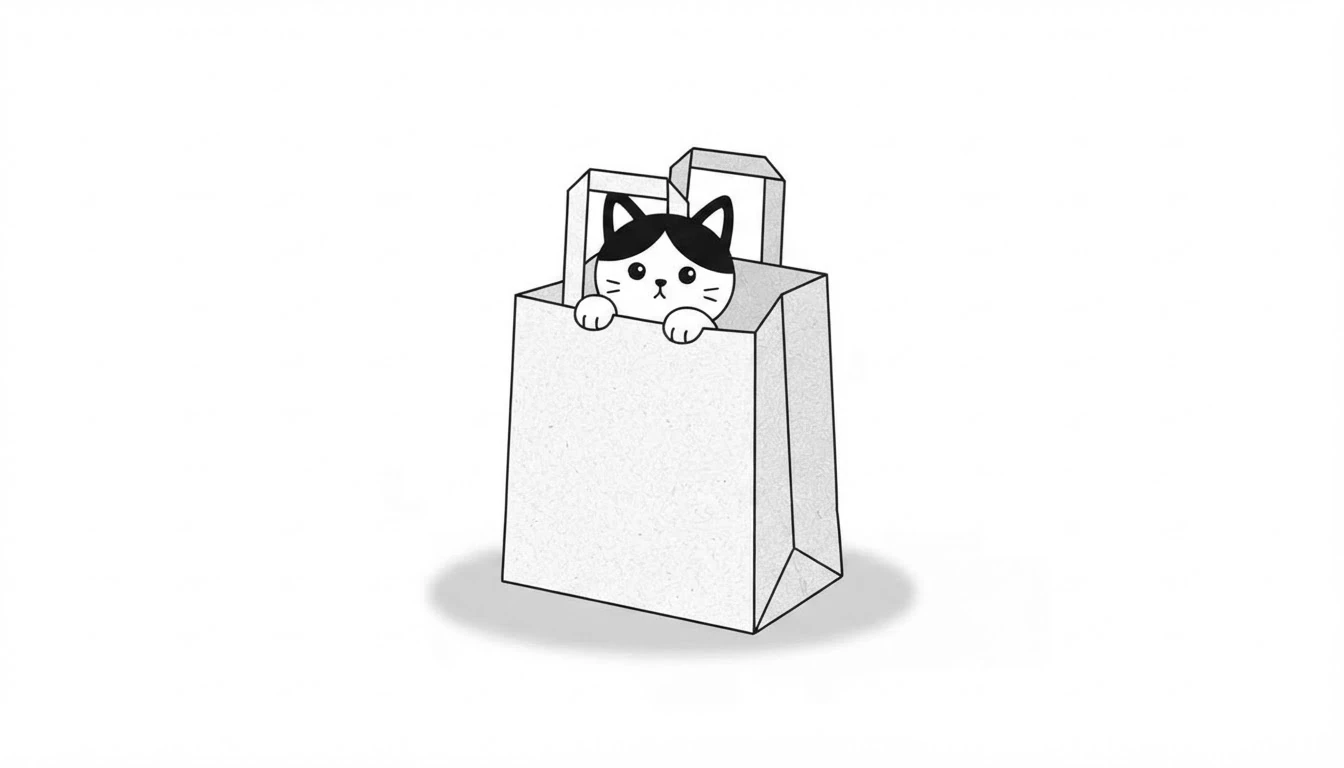
| let the cat out of the bag | irse de la lengua, desvelar un secreto | It was a surprise party, but my brother let the cat out of the bag. |
| kill two birds with one stone | matar dos pájaros de un tiro | I’ll visit my aunt and do some shopping in town: two birds with one stone. |
| the elephant in the room | el tema del que nadie quiere hablar | Nobody mentioned the money problems. It was the elephant in the room. |
| have butterflies in your stomach | tener mariposas en el estómago, estar nervioso | I always have butterflies in my stomach before an exam. |
| as busy as a bee | muy ocupado, sin parar | My mum is as busy as a bee before Christmas. |
| like a fish out of water | como pez fuera del agua | I felt like a fish out of water at my new school. |
| when pigs fly | cuando las ranas críen pelo | He’ll tidy his room when pigs fly! |
| the black sheep of the family | la oveja negra de la familia | My uncle is the black sheep of the family. |
| hold your horses | para el carro, espera un momento | Hold your horses! We haven’t decided yet. |
| a little bird told me | me lo ha dicho un pajarito | A little bird told me it’s your birthday today. |
Y no me olvido del más famoso, it’s raining cats and dogs (llueve a cántaros), que tienes con otros muchos en mi post de idioms sobre el tiempo. Si te quedas con ganas de más, aquí tienes mis idioms más comunes en inglés.
Errores típicos de los hispanohablantes
| ❌ Incorrecto | ✅ Correcto | Por qué |
|---|---|---|
| I have two fishes. | I have two fish. | Fish no cambia en plural. |
| There are a lot of sheeps. | There are a lot of sheep. | Sheep tampoco cambia. |
| We saw two mouses. | We saw two mice. | Plural irregular. |
| I’d love to have a mascot. | I’d love to have a pet. | Mascot es la mascota de un equipo o un evento. |
| I’m afraid to spiders. | I’m afraid of spiders. | Afraid va con of. |
| The dog of my neighbour barks. | My neighbour’s dog barks. | Posesión de personas: ‘s. |
| A bee bit me. | A bee stung me. | Las abejas pican: sting. |
| The animals are important for the planet. (en general) | Animals are important for the planet. | En general, sin the. |
El último merece un comentario: en español decimos «los animales» cuando hablamos en general, pero en inglés el artículo sobra. Si este tipo de errores te suena, te lo explico todo en mi post sobre los artículos en inglés.
Los animales en los exámenes de Cambridge
En mi experiencia como preparador de exámenes, los animales son un tema que sale muchísimo en los niveles más básicos, sobre todo en A2 Key y B1 Preliminary:
- Speaking: en la Part 1 del Speaking del A2 Key y del B1 Preliminary te pueden preguntar por tus mascotas o tu animal favorito. Y en las fotos de la Part 2 o la Part 3 aparecen muchas veces animales, zoos, granjas o personas paseando a su perro.
- Writing: en el B1 es un tema genial para la story (a story about a lost dog es casi un clásico), y en el A2 Key, para el email o la historia a partir de imágenes.
- Reading y Listening: textos sobre zoos, protectoras, especies en peligro o una visita a una granja.
Preguntas típicas en el Speaking
- Have you got a pet? Tell me about it.
- What’s your favourite animal? Why?
- Do you like going to the zoo?
- Would you like to live on a farm? Why? / Why not?
Ejemplo de respuesta en el Speaking
Aquí tienes una respuesta a Have you got a pet? Tell me about it escrita para simular un nivel A2, sin llegar a B1:
Yes, I’ve got a dog. His name is Max and he’s four years old. He’s small and brown, and he has got very long ears. He’s very friendly and playful. Every evening I take him for a walk in the park near my house, and at the weekend we go to the beach. I love him because he’s always happy when I come home.
Fíjate en por qué funciona: responde a la pregunta desde la primera palabra (Yes, I’ve got a dog), describe al animal con vocabulario sencillo y correcto (small, brown, long ears, friendly, playful), cuenta su rutina con el present simple (I take him for a walk) y da una razón con because. Para un A2 es perfecto: frases cortas, claras y sin errores. Un B1 añadiría algo más de detalle y algún tiempo verbal distinto, por ejemplo We adopted him when he was a puppy.
Consejos para aprender el vocabulario de animales
- Agrupa las palabras como en este post (granja, mar, aves…) en lugar de estudiar una lista larga en orden alfabético. Tu memoria lo agradece.
- Aprende el animal con su sonido y su cría: dog, puppy, bark. Así cada palabra te ayuda a recordar las otras.
- Ve documentales en inglés. Los de la BBC con David Attenborough son una maravilla, y el vocabulario se repite muchísimo.
- Describe a tu mascota (o la de un amigo) en voz alta, como en el ejemplo del Speaking. Es la mejor preparación para el examen.
- Repasa los plurales irregulares de vez en cuando: son pocos, pero salen mucho.
Preguntas frecuentes sobre los animales en inglés
¿Cómo se dice «mascota» en inglés?
Pet. Cuidado con mascot, que es la mascota de un equipo, una marca o un evento (como Cobi en las Olimpiadas de Barcelona).
¿Se dice fish o fishes?
Lo normal es fish, también en plural: I’ve got three fish. Fishes solo se usa en contextos científicos, para hablar de varias especies diferentes.
¿Cómo se dice «cachorro» en inglés?
Depende del animal: el de perro es puppy, y el de león, oso o tigre es cub. El de gato tiene su propia palabra: kitten.
¿Cuál es la diferencia entre turtle y tortoise?
Turtle es la tortuga que vive en el mar y tortoise, la de tierra. En inglés americano se usa turtle para casi todas.
¿La araña es un insecto?
No: los insectos tienen seis patas y las arañas, ocho. Por eso spider no es un insect, aunque en el día a día todos los llamemos bugs.
Ejercicios de animales en inglés
Ha llegado el momento de practicar. Aquí abajo tienes tres ejercicios interactivos que se corrigen solos, así que sabrás al momento qué tal lo has hecho. Intenta hacerlos sin mirar el post.
Y si quieres estos ejercicios en texto para copiarlos, pegarlos o adaptarlos a tus clases, aquí abajo los tienes con sus soluciones 👇
Exercise 1: choose the correct option
Choose the correct option to complete each sentence.
- My grandparents have a farm with cows, pigs and (sheep / sheeps).
- A baby dog is called a (kitten / puppy).
- Be careful! That (bee / bear) can sting you.
- Cats have long (whiskers / feathers) on their face.
- I’m afraid (of / to) spiders.
- Our neighbour’s dog (barks / roars) all night.
- A (whale / shark) isn’t a fish. It’s a mammal.
- The football team’s (mascot / pet) is a big yellow lion.
- We saw two (mice / mouses) in the kitchen.
- I take my dog for a (walk / ride) every evening.
Ver respuestas
- sheep
- puppy
- bee
- whiskers
- of
- barks
- whale
- mascot
- mice
- walk
Exercise 2: complete the sentences
Complete each sentence with one of these words. Use each word only once: endangered, feed, hooves, kittens, lamb, octopus, paws, pigeons, tortoise, wings.
- A baby sheep is called a _______________.
- Horses have _______________ instead of feet.
- Penguins have _______________, but they can’t fly.
- Our cat had five beautiful _______________ last week.
- Can you _______________ the fish while I’m on holiday?
- An _______________ has eight legs and lives in the sea.
- There are lots of _______________ in the main square. They eat bread from the tourists.
- Tigers are an _______________ species: there are very few left in the wild.
- A _______________ is a slow animal with a hard shell that lives on land.
- The dog came in from the garden with dirty _______________.
Ver respuestas
- lamb
- hooves
- wings
- kittens
- feed
- octopus
- pigeons
- endangered
- tortoise
- paws
Exercise 3: correct or incorrect?
Decide whether each sentence is correct. If it is incorrect, rewrite it correctly.
- I have two fishes in my bedroom.
- My sister’s dog is very friendly.
- I’d love to have a mascot, but my flat is too small.
- There are a lot of sheeps on my uncle’s farm.
- A spider isn’t an insect.
- My brother is afraid to dogs.
- The dog of my neighbour barks every night.
- We saw a lot of monkeys at the zoo.
- Yesterday a bee bit me on the arm.
- We have three hamsters and two rabbit.
Ver respuestas
- I have two fish in my bedroom.
- Correct
- I’d love to have a pet, but my flat is too small.
- There are a lot of sheep on my uncle’s farm.
- Correct
- My brother is afraid of dogs.
- My neighbour’s dog barks every night.
- Correct
- Yesterday a bee stung me on the arm.
- We have three hamsters and two rabbits.
Conclusión
Como ves, el vocabulario de los animales va mucho más allá de dog y cat. Si te quedas con lo más importante: aprende los animales por grupos, con su cría y su sonido; recuerda que sheep, fish y deer no cambian en plural; y que tu perro es un pet, nunca un mascot. Con eso y un par de idioms bien colocados, vas a sorprender a más de un examinador.
¿Te ha parecido útil este post? Compártelo con otros estudiantes y profesores de inglés. Y si quieres más contenido como este, suscríbete a mi newsletter y sígueme en Facebook, Twitter, Pinterest, Instagram y YouTube.
Nos vemos en el próximo post. Hasta entonces, don’t forget to keep smiling! 🙂
