

Tabla de contenidos
El medio ambiente es uno de los temas más importantes —y más recurrentes— de nuestro tiempo. Aparece en las noticias, en conversaciones del día a día, en el trabajo y, por supuesto, en los exámenes de inglés como los de Cambridge. Dominar el vocabulario del medio ambiente en inglés no solo te ayudará a desenvolverte mejor en estas situaciones, sino que también te permitirá expresarte con precisión y confianza. En este artículo encontrarás vocabulario organizado por categorías, expresiones avanzadas, collocations, idioms, phrasal verbs y consejos específicos para los exámenes de Cambridge. ¡Vamos allá!
Vocabulario básico sobre el medio ambiente
Empezamos por los cimientos. Antes de pasar a expresiones más complejas, es fundamental que tengas bien asentadas las palabras esenciales sobre el entorno natural. Las hemos dividido en tres bloques para que sea más fácil estudiarlas.
La naturaleza y los ecosistemas
| 🇬🇧 Inglés | 🇪🇸 Español | Ejemplo |
|---|---|---|
| Environment | Medio ambiente | We must protect the environment for future generations. |
| Ecosystem | Ecosistema | The coral reef is one of the most diverse ecosystems on Earth. |
| Biodiversity | Biodiversidad | The Amazon rainforest is home to extraordinary biodiversity. |
| Habitat | Hábitat | Urban expansion is destroying the natural habitat of many species. |
| Rainforest | Selva tropical / bosque tropical | Rainforests produce a large proportion of the world’s oxygen. |
| Forest | Bosque | Ancient forests are disappearing at an alarming rate. |
| Jungle | Selva | The jungle is teeming with insects, birds and reptiles. |
| Desert | Desierto | Deserts are expanding due to climate change and human activity. |
| Grassland | Pradera | Grasslands support a wide variety of grazing animals. |
| Meadow | Prado | The meadow was full of wildflowers in spring. |
| Coral reef | Arrecife de coral | Rising sea temperatures are bleaching coral reefs around the world. |
| Wildlife | Fauna y flora silvestres / vida salvaje | The national park protects a rich variety of wildlife. |
| Species | Especie(s) | Thousands of species are at risk of extinction. |
| Endangered species | Especies en peligro de extinción | The snow leopard is one of the most endangered species in the world. |
| Protected species | Especies protegidas | It is illegal to hunt protected species in this region. |
| Natural resources | Recursos naturales | We are consuming natural resources faster than the planet can replenish them. |
El clima y fenómenos meteorológicos
| 🇬🇧 Inglés | 🇪🇸 Español | Ejemplo |
|---|---|---|
| Climate | Clima | The Mediterranean climate is ideal for growing olives and grapes. |
| Weather | Tiempo meteorológico | Extreme weather events are becoming more frequent. |
| Atmosphere | Atmósfera | Greenhouse gases are accumulating in the atmosphere. |
| Hurricane | Huracán | The hurricane caused widespread destruction along the coast. |
| Thunderstorm | Tormenta eléctrica | A violent thunderstorm hit the city last night. |
| Blizzard | Ventisca / tormenta de nieve | The blizzard left the roads completely impassable. |
| Drought | Sequía | Southern Europe is suffering from increasingly severe droughts. |
| Flood | Inundación | Heavy rainfall caused flooding in several towns. |
| Heat wave | Ola de calor | The heat wave killed thousands of people across Europe. |
| Hail | Granizo | The hail damaged the crops and broke several windows. |
| Ozone layer | Capa de ozono | The ozone layer protects us from harmful ultraviolet radiation. |
Geografía y accidentes naturales
| 🇬🇧 Inglés | 🇪🇸 Español | Ejemplo |
|---|---|---|
| Earthquake | Terremoto | The earthquake destroyed hundreds of buildings in the city centre. |
| Volcano | Volcán | The erupting volcano released enormous amounts of ash into the atmosphere. |
| Tsunami | Tsunami | The tsunami devastated entire coastal communities within minutes. |
| Glacier | Glaciar | Glaciers around the world are retreating at an unprecedented rate. |
| Iceberg | Iceberg | Only a small fraction of an iceberg is visible above water. |
| Sea level | Nivel del mar | Sea levels are rising as polar ice continues to melt. |
| Waterfall | Cascada / catarata | The waterfall is one of the most visited natural attractions in the area. |
| Cliff | Acantilado | Coastal erosion is causing cliffs to collapse into the sea. |
| Shore | Costa / orilla | Plastic waste washes up on shores all over the world. |
Problemas medioambientales en inglés
Este es el bloque que más aparece en los exámenes de Cambridge y en los debates de actualidad. Es imprescindible que conozcas bien este vocabulario, no solo para reconocerlo, sino para usarlo de forma activa en el Speaking y el Writing.
Cambio climático y calentamiento global
| 🇬🇧 Inglés | 🇪🇸 Español | Ejemplo |
|---|---|---|
| Climate change | Cambio climático | Climate change is one of the greatest threats facing humanity. |
| Global warming | Calentamiento global | Global warming is causing extreme weather events to become more frequent. |
| Greenhouse effect | Efecto invernadero | The greenhouse effect is a natural process that has been intensified by human activity. |
| Greenhouse gases | Gases de efecto invernadero | Reducing greenhouse gas emissions is a global priority. |
| Carbon footprint | Huella de carbono | Flying frequently has a significant impact on your carbon footprint. |
| Carbon dioxide (CO₂) | Dióxido de carbono | Carbon dioxide levels in the atmosphere have reached record highs. |
| Ozone depletion | Agotamiento de la capa de ozono | Ozone depletion increases the risk of skin cancer and other health problems. |
| Desertification | Desertificación | Desertification is threatening agricultural land across Africa and southern Europe. |
Contaminación
| 🇬🇧 Inglés | 🇪🇸 Español | Ejemplo |
|---|---|---|
| Pollution | Contaminación | Air pollution in major cities is a serious public health issue. |
| Air pollution | Contaminación atmosférica | Air pollution is responsible for millions of premature deaths every year. |
| Water pollution | Contaminación del agua | Water pollution from factories is making rivers unfit for wildlife. |
| Noise pollution | Contaminación acústica | Noise pollution from traffic affects the health and wellbeing of city residents. |
| Smog | Niebla contaminante / esmog | A thick layer of smog covered the city for several days. |
| Acid rain | Lluvia ácida | Acid rain damages forests, lakes and even buildings. |
| Oil slick | Marea negra | The oil slick devastated marine life along hundreds of kilometres of coastline. |
| Water shortage | Escasez de agua | Water shortages are becoming a growing problem in many parts of the world. |
| Fumes | Humos / emanaciones | The factory releases toxic fumes into the surrounding area. |
Deforestación y pérdida de biodiversidad
| 🇬🇧 Inglés | 🇪🇸 Español | Ejemplo |
|---|---|---|
| Deforestation | Deforestación | Deforestation is one of the main drivers of biodiversity loss. |
| Logging | Explotación forestal / tala | Illegal logging is destroying vast areas of protected rainforest. |
| Extinction | Extinción | Scientists warn that we are witnessing a sixth mass extinction. |
| Illegal hunting | Caza ilegal / furtivismo | Illegal hunting has pushed several elephant populations to the brink of extinction. |
| Overpopulation | Superpoblación | Overpopulation puts enormous pressure on natural resources. |
| Overdevelopment | Sobredesarrollo / urbanización excesiva | Overdevelopment along the coast has destroyed important nesting areas for sea turtles. |
| Erosion | Erosión | Soil erosion is reducing the productivity of agricultural land. |
Desastres naturales
| 🇬🇧 Inglés | 🇪🇸 Español | Ejemplo |
|---|---|---|
| Wildfire | Incendio forestal | Wildfires are becoming more intense and harder to control due to rising temperatures. |
| Landslide | Corrimiento de tierra / desprendimiento | Heavy rainfall triggered a landslide that blocked the main road. |
| Natural disaster | Desastre natural | Natural disasters are causing billions of pounds of damage every year. |
| Avalanche | Alud / avalancha | The avalanche buried the mountain village under several metres of snow. |
| Aftermath | Consecuencias / secuelas (de un desastre) | In the aftermath of the hurricane, thousands of people were left without shelter. |
Elementos contaminantes
En este bloque nos centramos en los agentes que causan el daño medioambiental: combustibles, residuos y sustancias tóxicas. Este vocabulario es especialmente útil para tareas de Writing argumentativo.
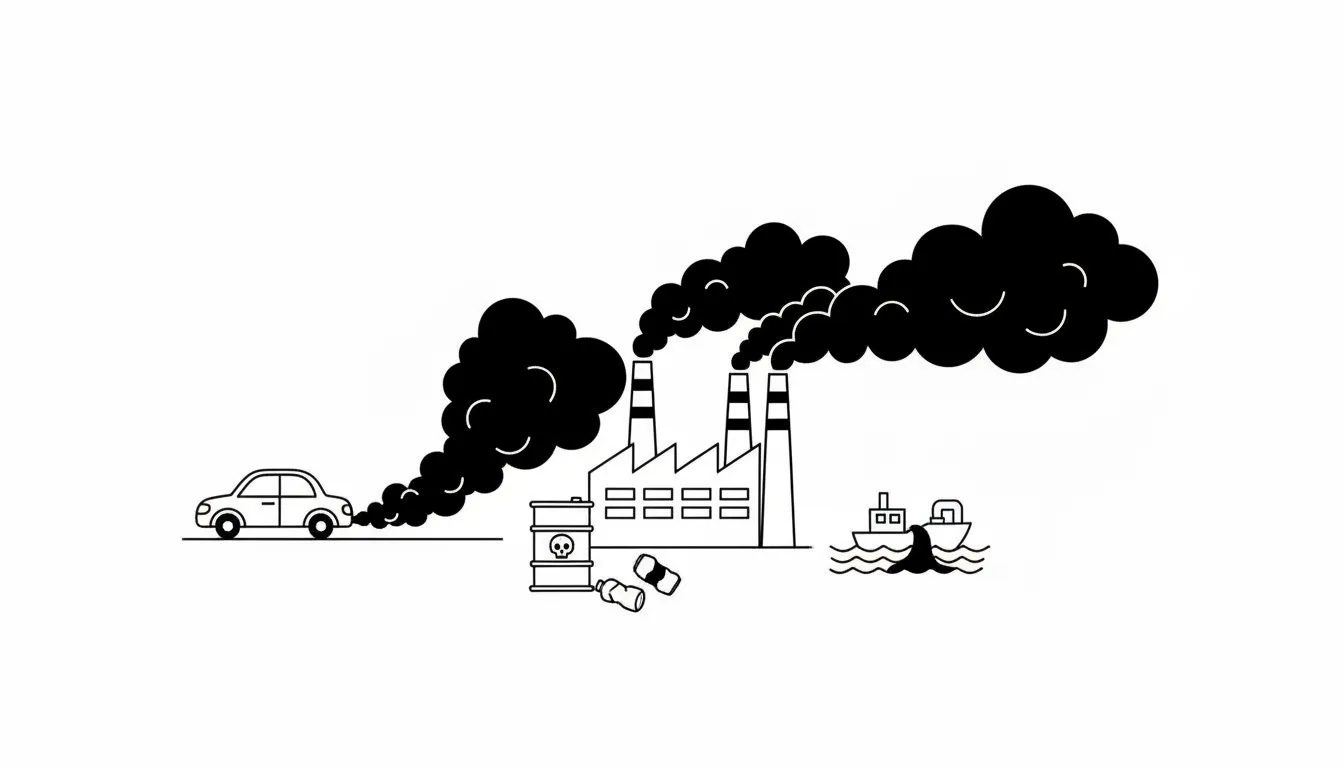
Combustibles fósiles y emisiones
| 🇬🇧 Inglés | 🇪🇸 Español | Ejemplo |
|---|---|---|
| Fossil fuels | Combustibles fósiles | The world needs to move away from fossil fuels as quickly as possible. |
| Carbon monoxide | Monóxido de carbono | Carbon monoxide is a colourless, odourless gas that is extremely toxic. |
| Carbon emissions | Emisiones de carbono | Many governments have committed to reducing carbon emissions by 2050. |
| Exhaust fumes | Gases de escape | Exhaust fumes from vehicles are a major source of urban air pollution. |
| Power station | Central eléctrica | Coal power stations are being phased out across Europe. |
| Pesticides | Pesticidas | The widespread use of pesticides is harming bee populations. |
Residuos y vertidos
| 🇬🇧 Inglés | 🇪🇸 Español | Ejemplo |
|---|---|---|
| Waste | Residuos / desechos | Reducing household waste is one of the simplest things we can do for the environment. |
| Household waste | Residuos domésticos / basura doméstica | Household waste has increased significantly over the past decade. |
| Hazardous waste | Residuos peligrosos | Hazardous waste must be disposed of through specialist facilities. |
| Landfill | Vertedero | Millions of tonnes of rubbish end up in landfill sites every year. |
| Dumping | Vertido (ilegal) | Illegal dumping of chemicals is causing serious damage to local rivers. |
| Sewage | Aguas residuales | Untreated sewage is being released into rivers and coastal waters. |
| Plastics | Plásticos | Single-use plastics are one of the biggest threats to ocean ecosystems. |
Sustancias tóxicas
| 🇬🇧 Inglés | 🇪🇸 Español | Ejemplo |
|---|---|---|
| Toxic chemicals | Productos químicos tóxicos | Toxic chemicals from industrial sites have contaminated the groundwater. |
| Radioactive waste | Residuos radiactivos | The safe storage of radioactive waste remains a major challenge for the nuclear industry. |
| Pollutant | Agente contaminante / contaminante | Heavy metals are among the most dangerous pollutants found in freshwater systems. |
| Microplastics | Microplásticos | Microplastics have been found in human blood and breast milk. |
| Tar | Alquitrán | Tar from oil spills can coat the feathers of seabirds, preventing them from flying. |
Soluciones y acciones ecológicas
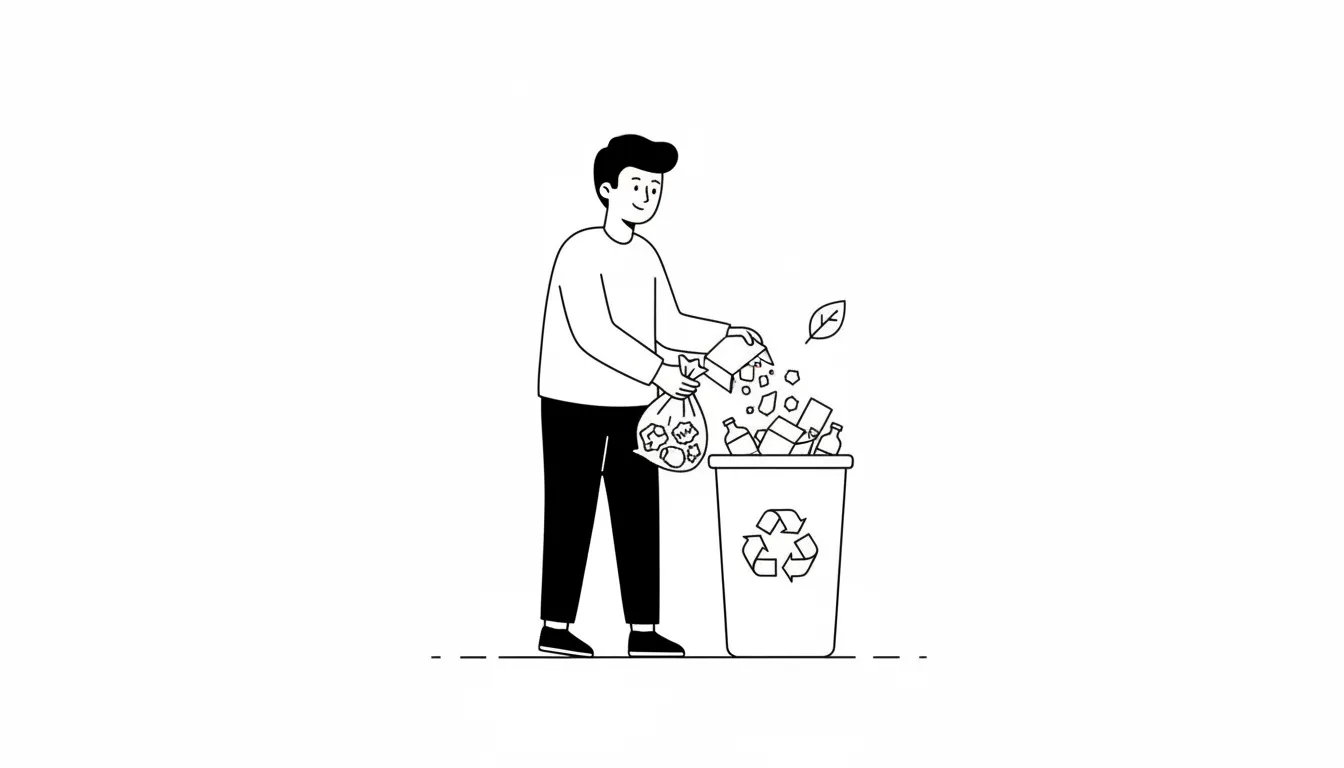
No todo son malas noticias. Este vocabulario es fundamental para hablar de soluciones, algo que los examinadores de Cambridge valoran enormemente. Saber argumentar a favor de acciones concretas te dará una gran ventaja en el Speaking y en el Writing.
Las tres erres: reduce, reuse, recycle
| 🇬🇧 Inglés | 🇪🇸 Español | Ejemplo |
|---|---|---|
| To reduce | Reducir | We need to reduce our energy consumption significantly. |
| To reuse | Reutilizar | Reusing glass bottles instead of throwing them away is a simple but effective habit. |
| To recycle | Reciclar | More people are recycling than ever before, but it is still not enough. |
| Recycling | Reciclaje | Recycling reduces the amount of waste sent to landfill. |
| Biodegradable | Biodegradable | Choosing biodegradable packaging helps reduce the amount of plastic waste. |
| Composting | Compostaje | Composting food scraps is an easy way to reduce household waste. |
Energías renovables
| 🇬🇧 Inglés | 🇪🇸 Español | Ejemplo |
|---|---|---|
| Renewable energy | Energía renovable | Investing in renewable energy is essential to combat climate change. |
| Solar energy / solar power | Energía solar | Solar panels are now affordable enough for most households. |
| Wind power | Energía eólica | Wind power has become one of the cheapest sources of electricity in the world. |
| Hydroelectric power | Energía hidroeléctrica | Norway generates most of its electricity from hydroelectric power. |
| Wave power | Energía undimotriz / energía de las olas | Wave power is still an emerging technology, but it has great potential. |
| Electric car | Coche eléctrico | Sales of electric cars have grown dramatically in recent years. |
| Energy efficiency | Eficiencia energética | Improving the energy efficiency of buildings could dramatically cut emissions. |
Conservación y protección
| 🇬🇧 Inglés | 🇪🇸 Español | Ejemplo |
|---|---|---|
| Conservation | Conservación | Conservation efforts have helped to bring certain species back from the brink. |
| Preservation | Preservación | The preservation of old-growth forests is a key environmental priority. |
| Sustainable development | Desarrollo sostenible | Sustainable development aims to meet today’s needs without compromising future generations. |
| Sustainability | Sostenibilidad | Many companies are investing in sustainability as a core part of their strategy. |
| Reforestation | Reforestación | Large-scale reforestation projects are being carried out across Europe and Africa. |
| Eco-friendly | Respetuoso con el medio ambiente / ecológico | More and more consumers are choosing eco-friendly products. |
| Carbon neutral | Neutralidad de carbono / cero emisiones netas | Several airlines have pledged to become carbon neutral by 2050. |
| Green policy | Política medioambiental / política verde | The government has introduced a new green policy to reduce plastic waste. |
Expresiones y frases útiles sobre el medio ambiente
Las listas de vocabulario son un buen comienzo, pero para alcanzar un nivel B2, C1 o C2 en los exámenes de Cambridge necesitas ir un paso más allá. Dominar las collocations, los idioms y los phrasal verbs te permitirá expresarte de forma natural y sofisticada, algo que los examinadores valoran enormemente.
Collocations importantes
Una collocation es una combinación de palabras que los hablantes nativos usan de forma natural y habitual. Aprender estas combinaciones te ayudará a sonar mucho más auténtico. Aquí tienes las más importantes sobre el medio ambiente:
| 🇬🇧 Collocation | 🇪🇸 Español | Ejemplo |
|---|---|---|
| To reduce carbon emissions | Reducir las emisiones de carbono | World leaders met to discuss ways to reduce carbon emissions. |
| To tackle climate change | Hacer frente / combatir el cambio climático | No single country can tackle climate change alone. |
| To raise awareness | Concienciar / sensibilizar | Schools play a vital role in raising awareness about environmental issues. |
| To pose a threat to | Suponer una amenaza para | Plastic pollution poses a serious threat to marine biodiversity. |
| To take urgent action | Tomar medidas urgentes | Governments must take urgent action to address the climate crisis. |
| To have a significant impact on | Tener un impacto significativo en | Intensive farming has a significant impact on soil quality. |
| To protect the environment | Proteger el medio ambiente | We all have a responsibility to protect the environment. |
| To leave a carbon footprint | Dejar una huella de carbono | Every product we buy leaves a carbon footprint. |
| To conserve energy | Conservar energía / ahorrar energía | Simple steps like turning off lights help to conserve energy. |
Idioms sobre el medio ambiente
Los idioms son expresiones fijas cuyo significado no puede deducirse literalmente. Usarlos en tu Speaking o Writing es una señal clara de un nivel avanzado. Aquí tienes una selección de los más útiles relacionados con el medio ambiente:
| 🇬🇧 Idiom | 🇪🇸 Significado | Ejemplo |
|---|---|---|
| To go green | Adoptar hábitos o prácticas respetuosas con el medio ambiente | More and more companies are going green to appeal to environmentally conscious consumers. |
| To be on thin ice | Estar en una situación peligrosa o arriesgada (literalmente: estar sobre hielo fino) | Countries that refuse to cut emissions are on thin ice when it comes to international agreements. |
| Greenwashing | Aparentar ser ecológico sin serlo realmente (táctica de marketing engañosa) | Many consumers are starting to see through greenwashing and demanding real change. |
| A drop in the ocean | Una gota en el océano (algo insignificante en comparación con el problema) | Individual actions are important, but without government policy they are just a drop in the ocean. |
| To weather the storm | Capear el temporal / superar una situación difícil | Coastal communities will struggle to weather the storm of rising sea levels. |
| Every cloud has a silver lining | No hay mal que por bien no venga | Every cloud has a silver lining — the pandemic reduced carbon emissions worldwide, at least temporarily. |
| To be in hot water | Estar en un aprieto / metido en problemas | The chemical company found itself in hot water after the river contamination scandal. |
Phrasal verbs sobre el medio ambiente
Los phrasal verbs son uno de los aspectos más característicos del inglés y uno de los que más se valoran en los exámenes de Cambridge. Dominar estos te permitirá hablar y escribir sobre el medio ambiente con un inglés verdaderamente natural:
| 🇬🇧 Phrasal verb | 🇪🇸 Significado | Ejemplo |
|---|---|---|
| To cut down (on) | Reducir / talar (árboles) | We need to cut down on the amount of plastic we use. / Thousands of trees are cut down every day. |
| To die out | Extinguirse / desaparecer | Many species could die out within the next few decades if we do nothing. |
| To heat up | Calentarse | The planet is heating up at an alarming rate. |
| To melt away | Derretirse / desaparecer poco a poco | Arctic ice is melting away faster than scientists predicted. |
| To phase out | Eliminar progresivamente | The government plans to phase out petrol cars by 2035. |
| To run out of | Quedarse sin / agotarse | If we continue at this rate, we will run out of fossil fuels within this century. |
| To use up | Agotar / consumir por completo | Humanity is using up natural resources far too quickly. |
| To wipe out | Exterminar / eliminar por completo | Pollution and habitat loss have wiped out entire species in a matter of decades. |
| To clean up | Limpiar / descontaminar | Volunteers gathered on the beach to clean up the plastic waste washed ashore. |
Cómo hablar del medio ambiente en los exámenes de Cambridge
El medio ambiente es uno de los temas más frecuentes en los exámenes de Cambridge, desde el B2 First hasta el C2 Proficiency. Prepararlo bien te puede suponer una diferencia enorme en tu nota. A continuación, te doy consejos concretos para el Speaking y el Writing.
Preguntas típicas en el Speaking
En la parte oral de los exámenes de Cambridge es muy habitual que aparezcan preguntas sobre el medio ambiente, tanto en el formato de discusión (Part 3 del B2 First o C1 Advanced) como en las preguntas directas (Part 4). Aquí tienes una selección de las más frecuentes para que puedas preparar tus respuestas:
- How do you feel about the current state of the environment?
- What can individuals do to reduce their impact on the environment?
- Do you think governments are doing enough to tackle climate change?
- Should companies be fined for damaging the environment?
- Is it possible to achieve economic growth and environmental sustainability at the same time?
- How has your attitude towards the environment changed over the years?
💡 Consejo: En el Speaking no basta con dar una respuesta corta. Justifica siempre tu opinión, pon ejemplos concretos y usa el vocabulario de este artículo de forma natural. Expresiones como «I strongly believe that…», «It seems to me that…» o «On the one hand… on the other hand…» te ayudarán a estructurar tus respuestas.
Vocabulario avanzado para Writing
En las tareas de Writing de Cambridge — especialmente ensayos (essays) e informes (reports) — el vocabulario sobre el medio ambiente suele aparecer con frecuencia. Aquí tienes términos y expresiones más avanzados, propios de un nivel C1-C2, que marcarán la diferencia en tu redacción:
| 🇬🇧 Expresión avanzada | 🇪🇸 Español | Ejemplo |
|---|---|---|
| Anthropogenic | Antropogénico (causado por la actividad humana) | Anthropogenic greenhouse gas emissions are the primary cause of current climate change. |
| Environmental degradation | Degradación medioambiental | Environmental degradation is closely linked to poverty in many developing regions. |
| Irreversible damage | Daño irreversible | Without immediate action, we risk causing irreversible damage to the planet’s ecosystems. |
| Throwaway culture | Cultura de usar y tirar | Our throwaway culture is generating unprecedented levels of waste. |
| Net-zero emissions | Emisiones netas cero | Achieving net-zero emissions by 2050 is the central goal of the Paris Agreement. |
| Ecological footprint | Huella ecológica | Wealthy nations tend to have a much larger ecological footprint than developing countries. |
| Tipping point | Punto de no retorno / punto crítico | Scientists warn that we may be approaching a tipping point beyond which climate change becomes unstoppable. |
| Circular economy | Economía circular | A circular economy aims to eliminate waste by keeping resources in use for as long as possible. |
Consejos para aprender y practicar este vocabulario
Tener el vocabulario delante está muy bien, pero lo que realmente importa es que lo interiorices y puedas usarlo de forma espontánea. Aquí te dejo mis recomendaciones favoritas para conseguirlo:
- Aprende el vocabulario en contexto, no de forma aislada. En lugar de memorizar palabras sueltas, aprende las frases y ejemplos de este artículo. Tu cerebro retiene mucho mejor la información cuando va acompañada de contexto.
- Lee noticias en inglés sobre el medio ambiente. Medios como The Guardian o la BBC publican constantemente artículos sobre cambio climático, sostenibilidad y ecología. Es una forma natural de ver el vocabulario en uso real.
- Escucha podcasts o ve documentales en inglés sobre naturaleza y medio ambiente. Series de la BBC o documentales de National Geographic son recursos excelentes para afianzar este vocabulario de forma auditiva.
- Practica escribiendo. Coge una de las preguntas de Speaking de la sección anterior y escribe un párrafo de respuesta usando al menos cinco palabras o expresiones nuevas de este artículo.
- Usa el vocabulario en voz alta. Hablar solo puede parecer extraño, pero es una de las técnicas más efectivas. Explícate a ti mismo qué es el greenhouse effect, qué significa carbon footprint o cómo usar el phrasal verb to phase out.
- Crea tarjetas de vocabulario (flashcards). Herramientas como Anki o Quizlet te permiten crear tarjetas digitales con las palabras de este artículo y repasar con el sistema de repetición espaciada, que es científicamente el más eficaz para la memorización a largo plazo.
Ejercicios del vocabulario del medio ambiente en inglés
A continuación, tienes tres ejercicios para practicar parte del vocabulario del medio ambiente en inglés que hemos visto en este artículo.
Y si prefieres poder copiar y transformar los ejercicios de arriba, te dejo aquí abajo los mismos ejercicios en formato texto. 👇
Environment Vocabulary Exercises
Exercise 1: Fill in the following sentences with the words from the box.
climate change · drought · flood · habitat · landfill · smog · wildlife · avalanche · sewage · recycling
- The long period without rain caused a severe __________ in the region.
- Many animals are losing their natural __________ because of urban expansion.
- Rubbish that cannot be reused or recycled often ends up in __________ sites.
- A thick layer of __________ hung over the city because of traffic and industrial pollution.
- Untreated __________ was released into the river, creating a serious health risk.
- Heavy rain caused a __________ that forced hundreds of residents to leave their homes.
- One simple way to reduce household waste is through __________.
- Scientists agree that __________ is making extreme weather events more frequent.
- The national park was created to protect local __________.
- The skier was rescued after being trapped by an __________ in the mountains.
Exercise 2: Fill in the following sentences with the words from the box.
deforestation · fumes · glacier · pesticides · rainforest · renewable energy · sustainability · toxic chemicals · wave power · carbon footprint
- Driving less and flying less can help reduce your __________.
- The factory workers had to wear masks to avoid breathing in harmful __________.
- Large areas of the Amazon __________ are under threat from illegal logging.
- Solar and wind are two of the most common forms of __________.
- Farmers are being encouraged to reduce their use of __________ to protect bees and other insects.
- The company’s environmental plan focuses on long-term __________ rather than short-term profit.
- The melting __________ is a clear sign of rising global temperatures.
- The accident polluted the soil with __________ from the industrial plant.
- Building hotels along the coast led to severe __________ in the area.
- Some coastal countries are investing in __________ generated by the movement of the sea.
Exercise 3: Fill in the following sentences with the words from the box.
cut down on · die out · heat up · melt away · phase out · run out of · use up · wipe out · clean up · raise awareness
- We should all __________ plastic packaging if we want to reduce waste.
- Several species may __________ unless urgent action is taken to protect them.
- As the oceans __________, marine ecosystems are changing dramatically.
- In summer, these small snow patches usually __________ completely.
- Many countries plan to __________ petrol and diesel cars over the next few decades.
- If we continue wasting water, some areas could __________ fresh supplies.
- We must stop trying to __________ the planet’s natural resources so quickly.
- A single disease could __________ an entire population of rare plants.
- Volunteers stayed behind after the festival to __________ the beach.
- The campaign aims to __________ about the dangers of air pollution.
Answer key
Exercise 1
Key 1: 1. drought, 2. habitat, 3. landfill, 4. smog, 5. sewage, 6. flood, 7. recycling, 8. climate change, 9. wildlife, 10. avalanche
Exercise 2
Key 2: 1. carbon footprint, 2. fumes, 3. rainforest, 4. renewable energy, 5. pesticides, 6. sustainability, 7. glacier, 8. toxic chemicals, 9. deforestation, 10. wave power
Exercise 3
Key 3: 1. cut down on, 2. die out, 3. heat up, 4. melt away, 5. phase out, 6. run out of, 7. use up, 8. wipe out, 9. clean up, 10. raise awareness
Conclusión
Como has podido comprobar, el vocabulario del medio ambiente en inglés es mucho más rico y variado de lo que puede parecer a simple vista. No se trata solo de saber decir climate change o recycling: se trata de poder argumentar, debatir y escribir sobre uno de los temas más importantes de nuestro tiempo con precisión y naturalidad. Tanto si te estás preparando para un examen de Cambridge como si simplemente quieres mejorar tu inglés, dominar este vocabulario te abrirá muchas puertas. ¡Ahora ya tienes todas las herramientas, solo queda practicar!
Y hasta el próximo artículo, don’t forget to keep smiling!
