
Table of contents
Animals are among the first words we learn in English: at school, we’ve all sung a song with dog, cat, cow and duck in it. The problem comes later, when you want to talk about your pet in an exam, describe what you saw on a safari or follow a nature documentary, and you realise you don’t know the plural of «sheep», the word for a horse’s foot, what a baby dog is called or whether a bee «bites». And then there are the traps: in English, a mascot isn’t your dog, and having two goldfish doesn’t make them fishes.
Don’t worry, because in this post I’ll make it easy for you. You’ll find the names of animals in English grouped into pets, farm animals, wild animals, sea animals, birds and insects, all with their pronunciation, plus baby animals, animal sounds, animal body parts, irregular plurals, useful verbs and adjectives, the most fun idioms, the typical mistakes Spanish speakers make, how all this comes up in the Cambridge exams and, at the end, exercises with answers.
Let’s get started! 🙂
Basic animal vocabulary in English
Before we get to the lists, here are a few general words you’ll need all the time:
| 🇬🇧 English | Pronunciation | 🇪🇸 Spanish |
|---|---|---|
| animal | /ˈænɪml/ | animal |
| pet | /pet/ | mascota |
| farm animal | /fɑːm ˈænɪml/ | animal de granja |
| wild animal | /waɪld ˈænɪml/ | animal salvaje |
| mammal | /ˈmæml/ | mamífero |
| bird | /bɜːd/ | pájaro, ave |
| insect | /ˈɪnsekt/ | insecto |
| reptile | /ˈreptaɪl/ | reptil |
| species | /ˈspiːʃiːz/ | especie (same in singular and plural) |
| zoo | /zuː/ | zoo, zoológico |
| vet | /vet/ | veterinario/a |
One detail: Spanish has two words, «pájaro» and «ave», but English uses bird for both.
Pets in English
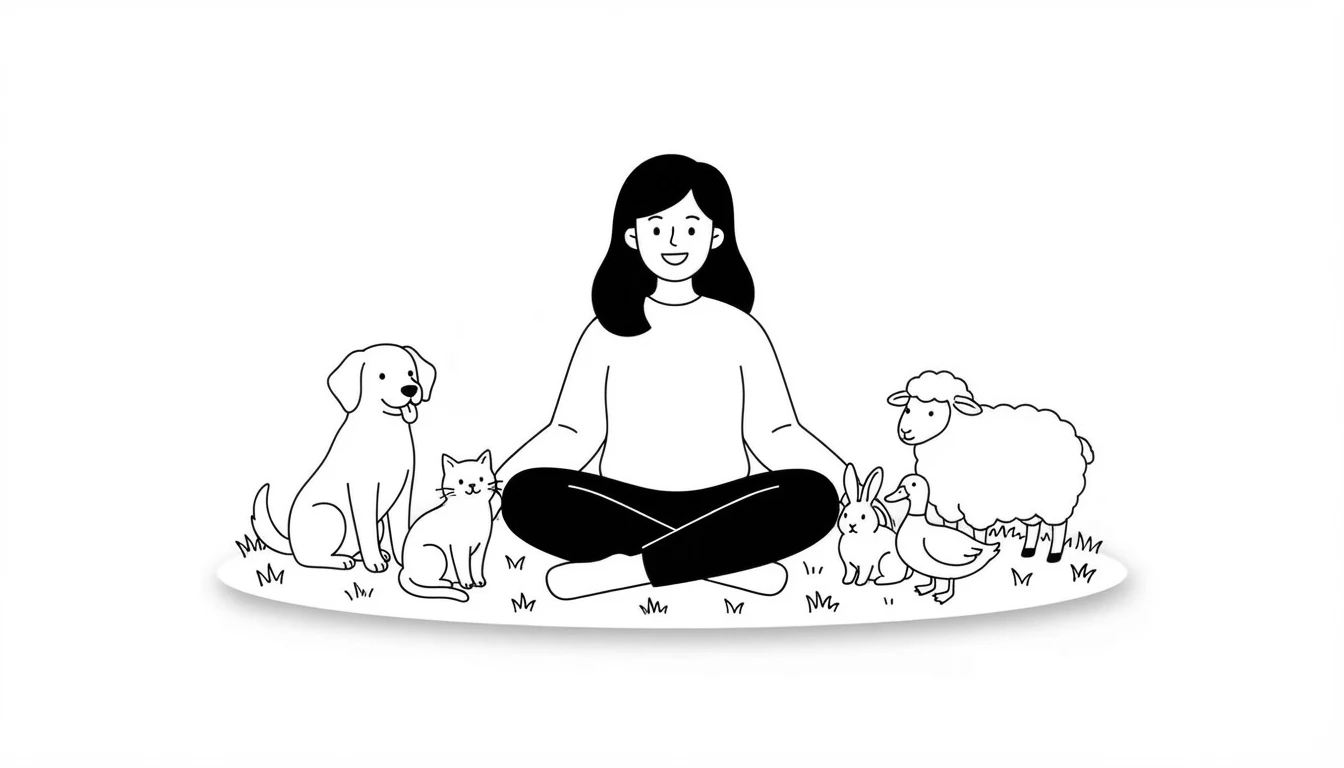
Let’s start with pets, because they’re the animals you’ll talk about most when you talk about yourself:
| 🇬🇧 English | Pronunciation | 🇪🇸 Spanish |
|---|---|---|
| dog | /dɒɡ/ | perro |
| cat | /kæt/ | gato |
| rabbit | /ˈræbɪt/ | conejo |
| hamster | /ˈhæmstə/ | hámster |
| guinea pig | /ˈɡɪni pɪɡ/ | cobaya, conejillo de Indias |
| goldfish | /ˈɡəʊldfɪʃ/ | pez de colores |
| parrot | /ˈpærət/ | loro |
| budgie | /ˈbʌdʒi/ | periquito |
| tortoise | /ˈtɔːtəs/ | tortuga (de tierra) |
| mouse | /maʊs/ | ratón |
Phrases for talking about your pet
Knowing the animal’s name is a good start, but these are the phrases that will really help you:
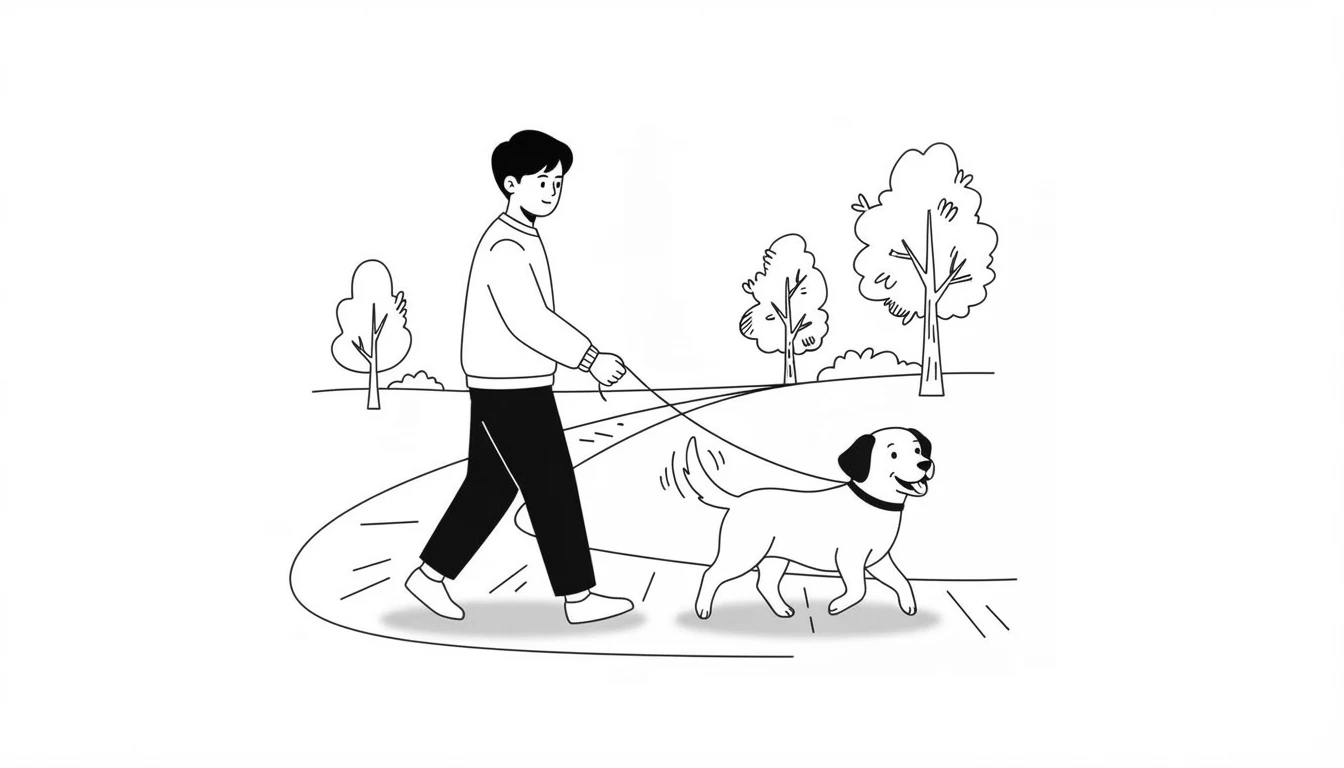
- I’ve got a dog called Toby.
- I take him for a walk every evening. / I walk him every evening.
- I feed my cat twice a day.
- My brother looks after the rabbit when we’re on holiday.
- We adopted her from an animal shelter.
- She loves it when I stroke her.
By the way, with pets we normally use he or she, not it: they’re part of the family, and English reflects that.
Farm animals in English
| 🇬🇧 English | Pronunciation | 🇪🇸 Spanish |
|---|---|---|
| cow | /kaʊ/ | vaca |
| bull | /bʊl/ | toro |
| horse | /hɔːs/ | caballo |
| donkey | /ˈdɒŋki/ | burro |
| pig | /pɪɡ/ | cerdo |
| sheep | /ʃiːp/ | oveja |
| goat | /ɡəʊt/ | cabra |
| hen | /hen/ | gallina |
| chicken | /ˈtʃɪkɪn/ | pollo, gallina |
| cockerel | /ˈkɒkərəl/ | gallo (rooster in the US) |
| duck | /dʌk/ | pato |
| goose | /ɡuːs/ | ganso, oca |
| turkey | /ˈtɜːki/ | pavo |
Chicken is both the animal and the meat we eat, whereas hen is only the live bird. The same thing happens with other animals: the meat from a cow is beef, from a pig it’s pork and from a sheep it’s lamb. If you’re interested, have a look at my post on food in English.
Wild animals in English
| 🇬🇧 English | Pronunciation | 🇪🇸 Spanish |
|---|---|---|
| lion | /ˈlaɪən/ | león |
| tiger | /ˈtaɪɡə/ | tigre |
| elephant | /ˈelɪfənt/ | elefante |
| giraffe | /dʒəˈrɑːf/ | jirafa |
| zebra | /ˈzebrə/ | cebra |
| monkey | /ˈmʌŋki/ | mono |
| bear | /beə/ | oso |
| wolf | /wʊlf/ | lobo |
| fox | /fɒks/ | zorro |
| deer | /dɪə/ | ciervo |
| squirrel | /ˈskwɪrəl/ | ardilla |
| hippo | /ˈhɪpəʊ/ | hipopótamo |
| rhino | /ˈraɪnəʊ/ | rinoceronte |
| camel | /ˈkæml/ | camello |
| kangaroo | /ˌkæŋɡəˈruː/ | canguro |
| crocodile | /ˈkrɒkədaɪl/ | cocodrilo |
| snake | /sneɪk/ | serpiente |
Watch the pronunciation of bear, which sounds exactly like bare, and of giraffe, which is stressed on the second syllable.
Sea animals in English
| 🇬🇧 English | Pronunciation | 🇪🇸 Spanish |
|---|---|---|
| fish | /fɪʃ/ | pez, pescado |
| shark | /ʃɑːk/ | tiburón |
| whale | /weɪl/ | ballena |
| dolphin | /ˈdɒlfɪn/ | delfín |
| seal | /siːl/ | foca |
| turtle | /ˈtɜːtl/ | tortuga (marina) |
| octopus | /ˈɒktəpəs/ | pulpo |
| squid | /skwɪd/ | calamar |
| jellyfish | /ˈdʒelifɪʃ/ | medusa |
| crab | /kræb/ | cangrejo |
| prawn | /prɔːn/ | gamba |
| starfish | /ˈstɑːfɪʃ/ | estrella de mar |
Notice that English distinguishes between a turtle (which lives in the sea) and a tortoise (which lives on land), while Spanish uses «tortuga» for both. And the other way round: Spanish has «pez» for the live animal and «pescado» for the food, but in English both are fish.
Birds in English
| 🇬🇧 English | Pronunciation | 🇪🇸 Spanish |
|---|---|---|
| eagle | /ˈiːɡl/ | águila |
| owl | /aʊl/ | búho, lechuza |
| pigeon | /ˈpɪdʒɪn/ | paloma |
| sparrow | /ˈspærəʊ/ | gorrión |
| seagull | /ˈsiːɡʌl/ | gaviota |
| swan | /swɒn/ | cisne |
| stork | /stɔːk/ | cigüeña |
| penguin | /ˈpeŋɡwɪn/ | pingüino |
| flamingo | /fləˈmɪŋɡəʊ/ | flamenco |
| parrot | /ˈpærət/ | loro |
If you live in a Spanish city, pigeon, sparrow and stork will be perfect for describing what you see every day. And a fun fact for Spanish speakers: in Spanish, «flamenco» is both the dance and the bird, but in English the dance is flamenco and the bird is a flamingo.
Insects and other creepy-crawlies in English
| 🇬🇧 English | Pronunciation | 🇪🇸 Spanish |
|---|---|---|
| fly | /flaɪ/ | mosca |
| mosquito | /məˈskiːtəʊ/ | mosquito |
| bee | /biː/ | abeja |
| wasp | /wɒsp/ | avispa |
| ant | /ænt/ | hormiga |
| butterfly | /ˈbʌtəflaɪ/ | mariposa |
| ladybird | /ˈleɪdibɜːd/ | mariquita (ladybug in the US) |
| cockroach | /ˈkɒkrəʊtʃ/ | cucaracha |
| grasshopper | /ˈɡrɑːshɒpə/ | saltamontes |
| spider | /ˈspaɪdə/ | araña |
| snail | /sneɪl/ | caracol |
| worm | /wɜːm/ | gusano, lombriz |
Strictly speaking, spiders, snails and worms aren’t insects, so if you want one word for all of them, everyday English uses bugs (especially in the US) or creepy-crawlies (in the UK, for the ones that give you the shivers). And one verb worth knowing: bees and wasps don’t bite, they sting; mosquitoes, on the other hand, bite.
Baby animals in English
Here English is richer than Spanish: instead of saying «the dog’s baby», many young animals have a name of their own.
| 🇬🇧 Animal | 🇬🇧 Baby | Pronunciation | 🇪🇸 Spanish |
|---|---|---|---|
| dog | puppy | /ˈpʌpi/ | cachorro |
| cat | kitten | /ˈkɪtn/ | gatito |
| cow | calf | /kɑːf/ | ternero |
| sheep | lamb | /læm/ | cordero |
| horse | foal | /fəʊl/ | potro |
| pig | piglet | /ˈpɪɡlət/ | cerdito, lechón |
| hen | chick | /tʃɪk/ | pollito |
| duck | duckling | /ˈdʌklɪŋ/ | patito |
| lion, bear, tiger | cub | /kʌb/ | cachorro |
Notice that the b in lamb is silent, just like in climb or thumb. And yes, the famous fairy tale is The Ugly Duckling. 🙂
Animal sounds in English
This is the most fun part of the post: English animals «speak» differently from Spanish ones. A Spanish dog says «guau», but an English dog says woof. In English, each sound has its own verb:
| 🇬🇧 Animal | 🇬🇧 Verb | 🇬🇧 Sound | 🇪🇸 Spanish |
|---|---|---|---|
| dog | bark /bɑːk/ | woof! | ladrar (guau) |
| cat | miaow /miˈaʊ/, purr /pɜː/ | miaow! | maullar, ronronear |
| cow | moo /muː/ | moo! | mugir (mu) |
| sheep | baa /bɑː/ | baa! | balar (bee) |
| horse | neigh /neɪ/ | neigh! | relinchar |
| pig | oink /ɔɪŋk/ | oink! | gruñir (oinc) |
| duck | quack /kwæk/ | quack! | graznar (cuac) |
| cockerel | crow /krəʊ/ | cock-a-doodle-doo! | cantar (quiquiriquí) |
| lion | roar /rɔː/ | roar! | rugir |
| wolf | howl /haʊl/ | awoo! | aullar |
| snake | hiss /hɪs/ | hiss! | sisear |
| bee | buzz /bʌz/ | buzz! | zumbar |
| bird | tweet /twiːt/, sing | tweet tweet! | piar, cantar |
Cock-a-doodle-doo always makes me smile: compare it with the Spanish «quiquiriquí» and tell me English cockerels don’t have a different accent.
Animal body parts in English
These are really useful for describing an animal or a photo in the Speaking test:
| 🇬🇧 English | Pronunciation | 🇪🇸 Spanish |
|---|---|---|
| tail | /teɪl/ | cola, rabo |
| paw | /pɔː/ | pata (de perro, gato, oso) |
| hoof (plural hooves) | /huːf/ | pezuña, casco |
| claw | /klɔː/ | garra, uña |
| fur | /fɜː/ | pelo, pelaje |
| whiskers | /ˈwɪskəz/ | bigotes |
| feathers | /ˈfeðəz/ | plumas |
| wing | /wɪŋ/ | ala |
| beak | /biːk/ | pico |
| horn | /hɔːn/ | cuerno |
| mane | /meɪn/ | melena (del león), crin |
| trunk | /trʌŋk/ | trompa |
| fin | /fɪn/ | aleta |
| scales | /skeɪlz/ | escamas |
| shell | /ʃel/ | caparazón, concha |
For human body parts, many of which are the same (head, eyes, ears, legs), have a look at my post on body parts in English.
Irregular plurals of animals
This is a mistake that stands out a mile. Several animals don’t form their plural with -s:
- No change: one sheep, two sheep; one fish, two fish; one deer, two deer. (Fishes does exist, but only for several different species; in everyday English, it’s fish.)
- A vowel change: mouse → mice, goose → geese.
- -f → -ves: wolf → wolves, calf → calves.
If you want to see them all (not just the animal ones), here’s my post on irregular plurals in English.
Verbs and adjectives for talking about animals
Useful verbs
- feed: Don’t feed the animals!
- walk (the dog) / take (the dog) for a walk
- look after / take care of
- adopt
- stroke
- bite (dogs, mosquitoes) and sting (bees, wasps, jellyfish)
- hunt and protect
Useful adjectives
- friendly / aggressive
- loyal / playful
- dangerous / harmless
- furry / fluffy
- endangered: Pandas are an endangered species.
- extinct: Dinosaurs are extinct.
If you want to talk about protecting animals and nature, you’ll find much more vocabulary in my post on the environment in English.
Animal idioms in English
English is full of expressions with animals, and many of them are nothing like their Spanish equivalents. These are the ones you’ll hear most:
| 🇬🇧 Idiom | 🇪🇸 Spanish | Example |
|---|---|---|
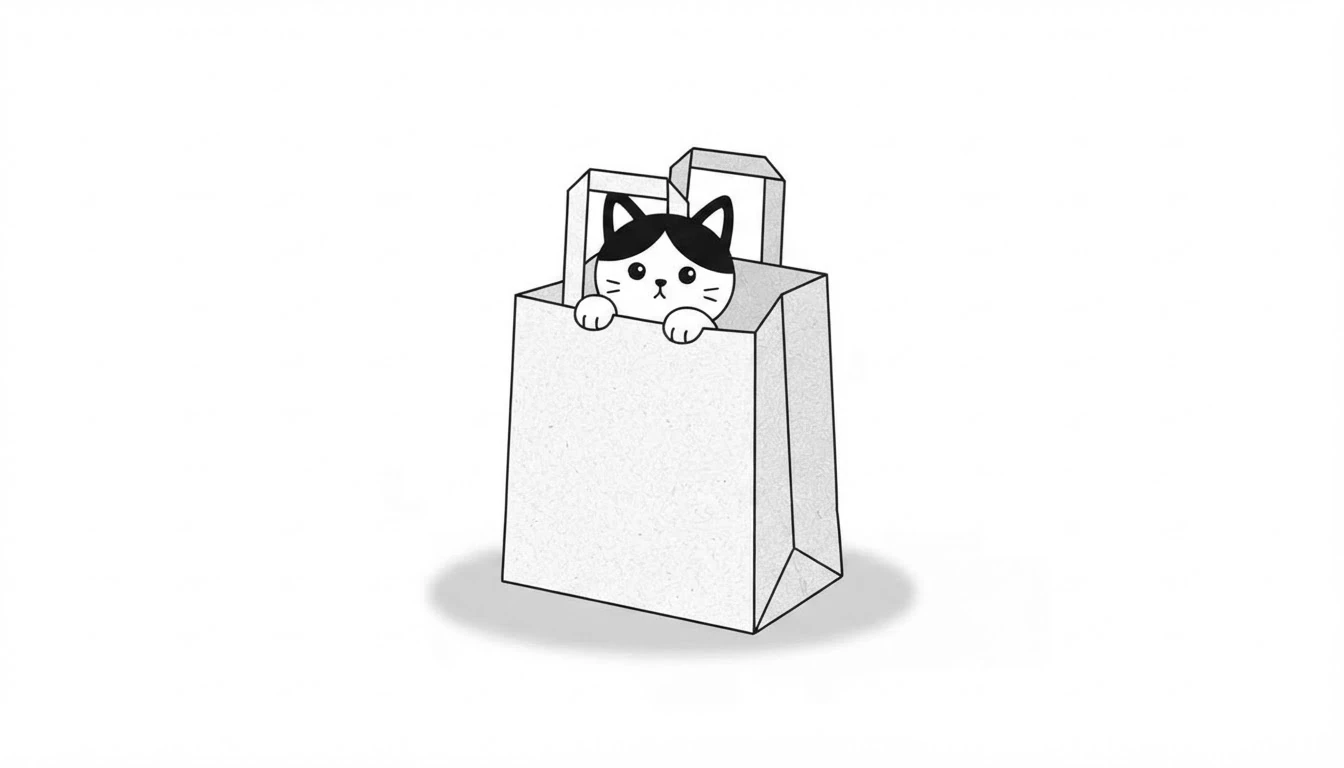
| let the cat out of the bag | irse de la lengua | It was a surprise party, but my brother let the cat out of the bag. |
| kill two birds with one stone | matar dos pájaros de un tiro | I’ll visit my aunt and do some shopping in town: two birds with one stone. |
| the elephant in the room | el tema del que nadie quiere hablar | Nobody mentioned the money problems. It was the elephant in the room. |
| have butterflies in your stomach | tener mariposas en el estómago | I always have butterflies in my stomach before an exam. |
| as busy as a bee | muy ocupado, sin parar | My mum is as busy as a bee before Christmas. |
| like a fish out of water | como pez fuera del agua | I felt like a fish out of water at my new school. |
| when pigs fly | cuando las ranas críen pelo | He’ll tidy his room when pigs fly! |
| the black sheep of the family | la oveja negra de la familia | My uncle is the black sheep of the family. |
| hold your horses | para el carro | Hold your horses! We haven’t decided yet. |
| a little bird told me | me lo ha dicho un pajarito | A little bird told me it’s your birthday today. |
And I haven’t forgotten the most famous one, it’s raining cats and dogs, which you’ll find with many others in my post on weather idioms. If you’d like more, here are my most common idioms in English.
Typical mistakes Spanish speakers make
| ❌ Incorrect | ✅ Correct | Why |
|---|---|---|
| I have two fishes. | I have two fish. | Fish doesn’t change in the plural. |
| There are a lot of sheeps. | There are a lot of sheep. | Neither does sheep. |
| We saw two mouses. | We saw two mice. | Irregular plural. |
| I’d love to have a mascot. | I’d love to have a pet. | A mascot represents a team or an event. |
| I’m afraid to spiders. | I’m afraid of spiders. | Afraid takes of. |
| The dog of my neighbour barks. | My neighbour’s dog barks. | For people, use ‘s. |
| A bee bit me. | A bee stung me. | Bees sting. |
| The animals are important for the planet. (in general) | Animals are important for the planet. | In general, no the. |
The last one deserves a comment: in Spanish we say «los animales» when we talk in general, but in English the article isn’t needed. If this kind of mistake sounds familiar, I explain it all in my post on articles in English.
Animals in the Cambridge exams
In my experience as an exam trainer, animals are a topic that comes up a lot at the lower levels, especially at A2 Key and B1 Preliminary:
- Speaking: in Part 1 of the A2 Key Speaking test and the B1 Preliminary Speaking test, you may be asked about your pets or your favourite animal. And the pictures in Part 2 or Part 3 often show animals, zoos, farms or people walking their dogs.
- Writing: at B1 it’s a great topic for the story (a story about a lost dog is almost a classic), and at A2 Key, for the email or the picture story.
- Reading and Listening: texts about zoos, animal shelters, endangered species or a visit to a farm.
Typical Speaking questions
- Have you got a pet? Tell me about it.
- What’s your favourite animal? Why?
- Do you like going to the zoo?
- Would you like to live on a farm? Why? / Why not?
Sample Speaking answer
Here’s an answer to Have you got a pet? Tell me about it, written to simulate an A2 level, without reaching B1:
Yes, I’ve got a dog. His name is Max and he’s four years old. He’s small and brown, and he has got very long ears. He’s very friendly and playful. Every evening I take him for a walk in the park near my house, and at the weekend we go to the beach. I love him because he’s always happy when I come home.
Look at why it works: it answers the question from the very first words (Yes, I’ve got a dog), describes the animal with simple, correct vocabulary (small, brown, long ears, friendly, playful), talks about its routine in the present simple (I take him for a walk) and gives a reason with because. For A2, that’s perfect: short, clear sentences without mistakes. A B1 candidate would add a bit more detail and a different tense, for example We adopted him when he was a puppy.
Tips for learning animal vocabulary
- Group the words as in this post (farm, sea, birds…) instead of studying a long alphabetical list. Your memory will thank you.
- Learn each animal with its sound and its baby: dog, puppy, bark. That way each word helps you remember the others.
- Watch nature documentaries in English. The BBC ones with David Attenborough are wonderful, and the vocabulary is repeated again and again.
- Describe your pet (or a friend’s) out loud, as in the Speaking example. It’s the best preparation for the exam.
- Review the irregular plurals from time to time: there aren’t many, but they come up a lot.
Frequently asked questions about animals in English
What’s the difference between a pet and a mascot?
A pet is an animal you keep at home, like a dog or a cat. A mascot is a character or animal that represents a team, a brand or an event. Spanish uses «mascota» for both, which is why so many learners mix them up.
Is it fish or fishes?
It’s normally fish, in the plural too: I’ve got three fish. Fishes is only used in scientific contexts, to talk about several different species.
What’s a baby dog called?
A puppy. A baby cat is a kitten, and a baby lion, bear or tiger is a cub.
What’s the difference between a turtle and a tortoise?
A turtle lives in the sea and a tortoise lives on land. In American English, turtle is used for almost all of them.
Is a spider an insect?
No: insects have six legs and spiders have eight. That’s why a spider isn’t an insect, even though in everyday English we call them all bugs.
Animal vocabulary exercises
Time to practise. Below you have three interactive exercises that mark themselves, so you’ll know straight away how you’ve done. Try to do them without looking back at the post.
And if you’d like these exercises as text to copy, paste or adapt for your classes, here they are below with the answers 👇
Exercise 1: choose the correct option
Choose the correct option to complete each sentence.
- My grandparents have a farm with cows, pigs and (sheep / sheeps).
- A baby dog is called a (kitten / puppy).
- Be careful! That (bee / bear) can sting you.
- Cats have long (whiskers / feathers) on their face.
- I’m afraid (of / to) spiders.
- Our neighbour’s dog (barks / roars) all night.
- A (whale / shark) isn’t a fish. It’s a mammal.
- The football team’s (mascot / pet) is a big yellow lion.
- We saw two (mice / mouses) in the kitchen.
- I take my dog for a (walk / ride) every evening.
Show answers
- sheep
- puppy
- bee
- whiskers
- of
- barks
- whale
- mascot
- mice
- walk
Exercise 2: complete the sentences
Complete each sentence with one of these words. Use each word only once: endangered, feed, hooves, kittens, lamb, octopus, paws, pigeons, tortoise, wings.
- A baby sheep is called a _______________.
- Horses have _______________ instead of feet.
- Penguins have _______________, but they can’t fly.
- Our cat had five beautiful _______________ last week.
- Can you _______________ the fish while I’m on holiday?
- An _______________ has eight legs and lives in the sea.
- There are lots of _______________ in the main square. They eat bread from the tourists.
- Tigers are an _______________ species: there are very few left in the wild.
- A _______________ is a slow animal with a hard shell that lives on land.
- The dog came in from the garden with dirty _______________.
Show answers
- lamb
- hooves
- wings
- kittens
- feed
- octopus
- pigeons
- endangered
- tortoise
- paws
Exercise 3: correct or incorrect?
Decide whether each sentence is correct. If it is incorrect, rewrite it correctly.
- I have two fishes in my bedroom.
- My sister’s dog is very friendly.
- I’d love to have a mascot, but my flat is too small.
- There are a lot of sheeps on my uncle’s farm.
- A spider isn’t an insect.
- My brother is afraid to dogs.
- The dog of my neighbour barks every night.
- We saw a lot of monkeys at the zoo.
- Yesterday a bee bit me on the arm.
- We have three hamsters and two rabbit.
Show answers
- I have two fish in my bedroom.
- Correct
- I’d love to have a pet, but my flat is too small.
- There are a lot of sheep on my uncle’s farm.
- Correct
- My brother is afraid of dogs.
- My neighbour’s dog barks every night.
- Correct
- Yesterday a bee stung me on the arm.
- We have three hamsters and two rabbits.
Conclusion
As you can see, animal vocabulary goes far beyond dog and cat. If you remember just the key points: learn animals in groups, with their baby and their sound; remember that sheep, fish and deer don’t change in the plural; and your dog is a pet, never a mascot. With that and a couple of well-placed idioms, you’ll impress more than one examiner.
Did you find this post useful? Share it with other English students and teachers. And if you want more content like this, subscribe to my newsletter and follow me on Facebook, Twitter, Pinterest, Instagram and YouTube.
See you in the next post. Until then, don’t forget to keep smiling! 🙂
