
Tabla de contenidos
«Excuse me! What’s the difference between what and which?». ¿No estás cansado de preguntarlo (si eres estudiante) o de que te lo pregunten (si eres profesor)? Yo, desde luego, sí. Pero es perfectamente comprensible que muchos alumnos tengan problemas con estas dos palabras, porque en realidad se parecen bastante. Y en español no ayuda: what se traduce como «qué» o «cuál», y which se traduce como «cuál» o «qué» según la frase. Es decir, las dos pueden querer decir lo mismo, y el español no te da ninguna pista.
Por eso este post está organizado en similitudes y diferencias de uso y de significado. Te explico cuándo usar cada una en preguntas, en preguntas indirectas y como pronombres relativos, te doy tablas con ejemplos, los errores más típicos, cómo te ayuda en los exámenes de Cambridge y treinta frases de ejercicios con soluciones. ¡Vamos allá! 🙂
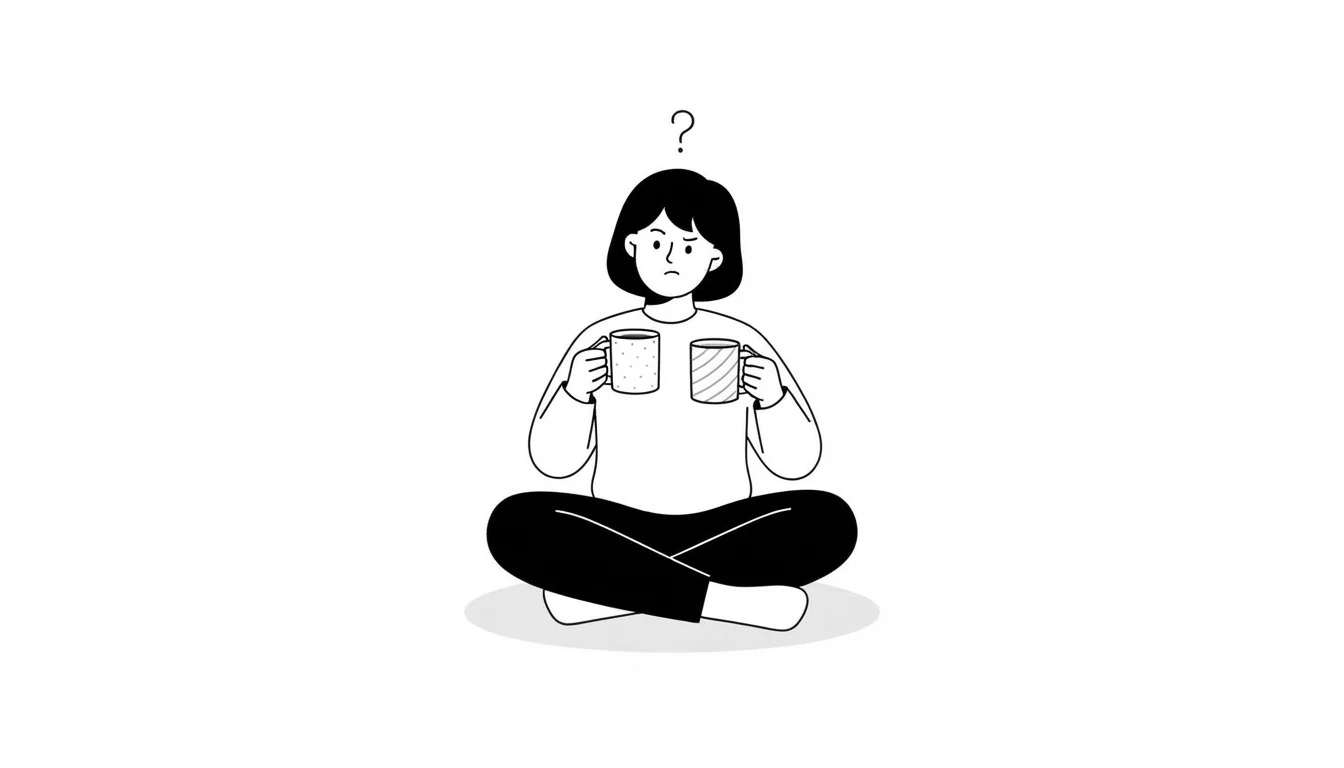
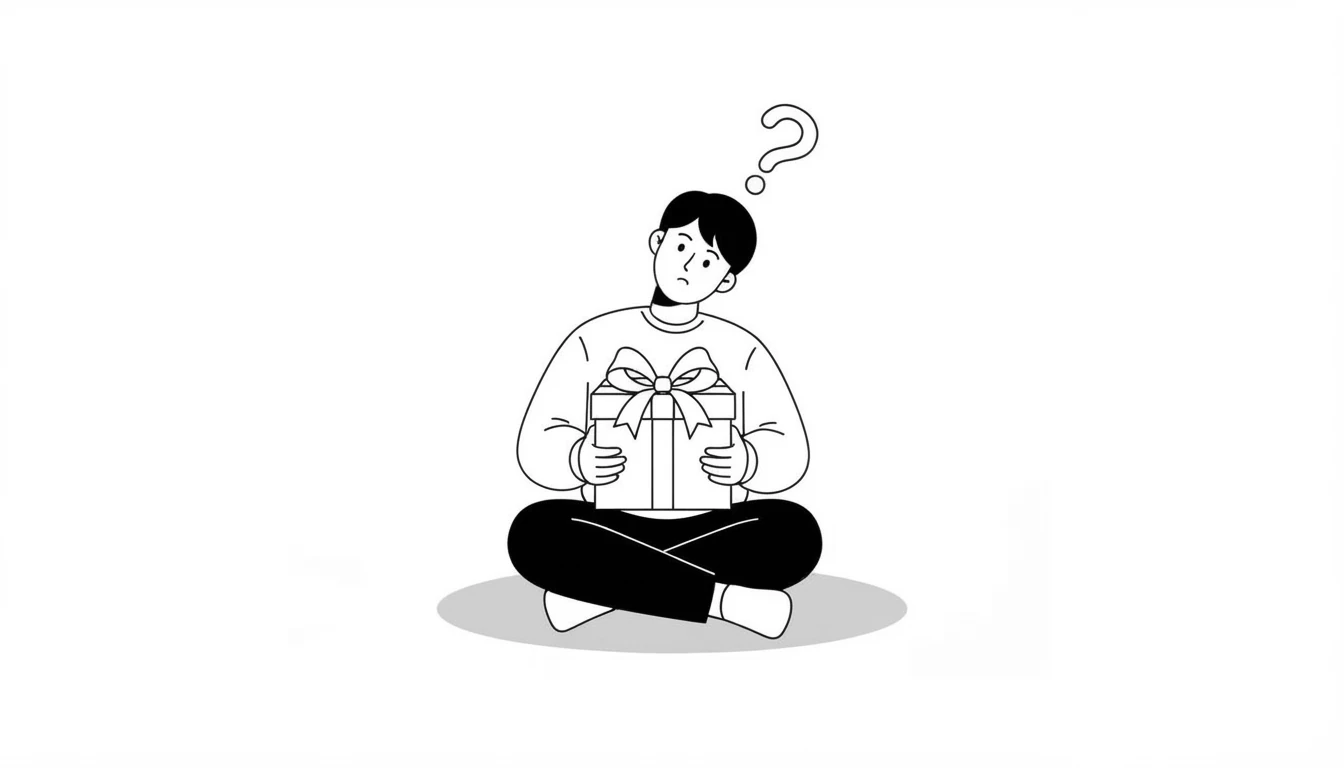
La regla en una frase: what es abierta, which es limitada
La diferencia más importante, y la que más te va a servir, es esta:
- Usa what cuando no hay un conjunto concreto de opciones: la respuesta puede ser casi cualquier cosa.
- Usa which cuando hay un número limitado de opciones (aunque sean tres o cuatro, o un grupo que ya conocéis los dos).
Fíjate en el ejemplo:
What would you like in your sandwich? I’ve got cheese or tuna. Which would you prefer?
En la primera pregunta no sabemos qué hay, así que usamos what. En la segunda, la elección está limitada a cheese y tuna, así que es obligatorio usar which, y no what.
| 🇬🇧 WHAT | 🇬🇧 WHICH | |
|---|---|---|
| Opciones | abiertas, sin límite | limitadas, un grupo concreto |
| 🇪🇸 Se traduce | qué, cuál | cuál, qué |
| Ejemplo | What music do you like? | Which of these songs do you like? |
What y which en preguntas
Cuando funcionan como pronombres interrogativos, pueden ir solos o delante de un sustantivo:
| Estructura | 🇬🇧 WHAT (abierto) | 🇬🇧 WHICH (limitado) |
|---|---|---|
| Solo | What’s your name? | Which is your car? The red one? |
| + sustantivo | What kind of music do you like? | Which book did you read? The first one? |
| + of + pronombre/determinante | (no se usa) | Which of these two bags is yours? |

Hay un detalle muy práctico: detrás de of usamos which, nunca what: Which of your friends lives in Paris?, y no What of your friends…?.
Y hay preguntas que siempre se hacen con what, porque no hay una lista de opciones: What’s your phone number?, What time is it?, What’s the capital of France?, What do you do on Sundays?
Cuando se pueden intercambiar
A veces las dos funcionan y la diferencia es solo de matiz: con what pides la opinión sin límite, y con which la pides sobre un grupo que ya está en la cabeza de los dos:
- Which / What would you say is the most beautiful city in the world?
- I’ve no idea which / what road to take to Jimmy’s place.
Si quieres repasar todas las palabras para preguntar (who, where, when, why, whose…), tienes mi guía de preguntas yes/no y wh- en inglés.
What y which en preguntas indirectas
Las dos pueden ir al principio de una pregunta directa y también de una pregunta indirecta (incrustada en otra frase). La regla de «abierto» frente a «limitado» sigue siendo la misma:
- I’m not sure what you mean.
- I don’t know which one to pick.
- Tell me what you want for your birthday.
What y which como pronombres relativos
Las dos también funcionan como pronombres relativos, es decir, unen dos oraciones. Pero aquí no son intercambiables:
- Which se refiere a algo que ya has nombrado antes (un antecedente): She went to a conference in Vienna which ended on Friday. / It was a crisis for which he was totally unprepared.
- What significa «lo que» y no necesita antecedente: What they needed was someone to clean their house. / «The Lord of the Rings» is what I am reading at the moment.
La diferencia, por decirlo de alguna manera, es que what es menos específico que which. Esto se debe a que what se puede sustituir normalmente por the thing which, donde «the thing» puede ser cualquier cosa. Compara:
- «The Lord of the Rings» is the book which I am reading at the moment. (el libro que…)
- «The Lord of the Rings» is what I am reading at the moment. (lo que…)
Por eso suelo decir a mis alumnos que no puedes usar what si ya has especificado de qué estás hablando:
- ✅ Ronda is the Spanish city which Hemingway fell in love with.
- ✅ This is the hammer which was used to kill the victim.
Dos detalles más sobre which:
- Detrás de everything, all, something, nothing y anything se usa that (o nada), no what ni which: Everything that he said was true.
- Which puede referirse a toda la oración anterior, separado por una coma: He passed the exam, which surprised everyone.
Errores comunes con what y which
| ❌ Incorrecto | ✅ Correcto | Por qué |
|---|---|---|
| Which’s your name? | What’s your name? | No hay un conjunto limitado de nombres. |
| What of these two shirts do you prefer? | Which of these two shirts do you prefer? | Con of y un grupo, which. |
| Which time is it? | What time is it? | La hora no es una elección limitada. |
| Everything what he said was true. | Everything that he said was true. | Tras everything, that. |
| The book what I’m reading is great. | The book which I’m reading is great. | Hay antecedente (the book): which o that. |
| He was late, what annoyed me. | He was late, which annoyed me. | Para referirse a toda la oración: which. |
What y which en los exámenes de Cambridge
Estas dos palabras son muy habituales en el Use of English de B2 First y C1 Advanced, sobre todo en la Part 2 (open cloze), donde tienes que rellenar un hueco con una sola palabra, y a menudo ese hueco es un pronombre relativo. Por ejemplo:
- He passed the exam, ______ surprised everyone. → which
- I’m afraid I don’t know ______ to say. → what
Usar which para referirte a toda la oración anterior (…, which surprised everyone) es, además, un recurso que ayuda en el Writing de B2 y C1 para conectar ideas con naturalidad.
Tabla resumen
| 🇬🇧 WHAT | 🇬🇧 WHICH | |
|---|---|---|
| En preguntas | opciones abiertas | opciones limitadas |
| Con of | no se usa | which of… |
| Como relativo | «lo que», sin antecedente | «el/la que», con antecedente |
| Toda la oración | no | sí, tras coma |
| Ejemplo | What time is it? | Which of these is yours? |
¿«Cuál» es what o which?
Depende. Si la respuesta es una elección entre opciones limitadas, which; si no hay un grupo de opciones, what. Por ejemplo, «¿cuál es tu número de teléfono?» es What’s your phone number?, y «¿cuál de estos dos prefieres?» es Which of these two do you prefer?.
¿Se dice «what time» o «which time»?
Se dice what time para preguntar la hora (What time is it?). Solo usarías which time si eliges entre horas concretas: Which time suits you better, five or six?
¿Puedo usar «which» para referirme a personas?
En preguntas con una elección entre personas, sí (Which of your teachers do you prefer?). Como pronombre relativo para personas, se usa who (o that), no which.
Ejercicios de what y which
Treinta frases para comprobar que lo tienes claro. Aquí abajo tienes tres ejercicios interactivos que se corrigen solos, así que sabrás al momento qué tal lo has hecho.
Y si prefieres una versión en texto que puedas copiar y pegar, la tienes aquí abajo 👇
Exercise 1: what or which?
Choose the correct word to complete each sentence.
- (What / Which) is your name?
- I’ve got tea and coffee. (What / Which) would you like?
- (What / Which) kind of music do you like?
- (What / Which) of these two bags is yours?
- I’m not sure (what / which) you mean.
- There are three trains to Madrid. I don’t know (what / which) one to take.
- (What / Which) is the capital of France?
- (What / Which) time is it?
- Of all the cities you’ve visited, (what / which) is your favourite?
- He told me (what / which) he wanted for his birthday.
Ver respuestas
- What
- Which
- What
- Which
- what
- which
- What
- What
- which
- what
Exercise 2: complete the sentences
Write what or which in each gap.
- _______________ is your phone number?
- _______________ of your brothers lives in London?
- _______________ they needed was a rest.
- He passed the exam, _______________ surprised everyone.
- It was a crisis for _______________ he was totally unprepared.
- I don’t know _______________ to say.
- _______________ colour do you prefer, red or blue?
- _______________ do you do on Sundays?
- She went to a conference in Vienna _______________ ended on Friday.
- I’ll show you _______________ I bought yesterday.
Ver respuestas
- What
- Which
- What
- which
- which
- what
- Which
- What
- which
- what
Exercise 3: correct or incorrect?
Decide whether each sentence is correct. If it is incorrect, rewrite it correctly.
- Which’s your name?
- What of these two shirts do you prefer?
- Everything what he said was true.
- I don’t know what road to take.
- What is the best way to learn English?
- The book what I’m reading is great.
- She told me what she wanted.
- Which time is it?
- This is the hammer which was used in the crime.
- He was late, what annoyed me.
Ver respuestas
- What’s your name?
- Which of these two shirts do you prefer?
- Everything that he said was true.
- Correct
- Correct
- The book which I’m reading is great.
- Correct
- What time is it?
- Correct
- He was late, which annoyed me.
Conclusión
Resumiendo en tres ideas: what es para opciones abiertas y which para opciones limitadas; detrás de of, siempre which; y como pronombres relativos no se intercambian: what es «lo que» y which necesita un antecedente (o toda la oración anterior).
Si te gustan estos pares de palabras que se confunden, mira también mis posts sobre too y enough, say y tell y win y beat.
¿Te ha parecido útil este post? Compártelo con otros estudiantes y profesores de inglés. Y si quieres más contenido como este, suscríbete a mi newsletter y sígueme en Facebook, Twitter, Pinterest, Instagram y YouTube.
Nos vemos en el próximo post. Hasta entonces, don’t forget to keep smiling! 🙂
