
Table of contents
You’ve probably heard it a thousand times without noticing: English is spoken here, The Mona Lisa was painted by Leonardo, I was born in 2008… It’s the passive voice, and it’s everywhere: in the news, in scientific texts, in instructions and, of course, in exams.
If it feels a little intimidating, don’t worry: the passive is actually one of the most logical parts of English grammar. It’s always formed in the same way, with two pieces, and once you see the trick you can use it in any tense. What usually causes trouble are the special cases, such as the impersonal passive (it is said that…), and verbs that are passive in English but not in other languages, like be born.
In this post I explain what the passive is and when to use it, how to form it in every tense, how to turn an active sentence into a passive one step by step, the passive with two objects, the impersonal passive, the typical mistakes, how it comes up in the Cambridge exams and Spain’s PAU and, at the end, exercises with answers. Let’s get started! 🙂
What is the passive voice?
The same idea can be expressed in two ways:
- In the active voice, the subject is who does the action: Leonardo da Vinci painted the Mona Lisa.
- In the passive voice, the subject is what receives the action: The Mona Lisa was painted by Leonardo da Vinci.
Both sentences say the same thing, but they focus on different things. The active one is about who did it; the passive one is about what happened and what or who it happened to. The person who does the action, if it’s mentioned at all, goes at the end with by.
When to use the passive
The passive is very common in English, especially in these cases:
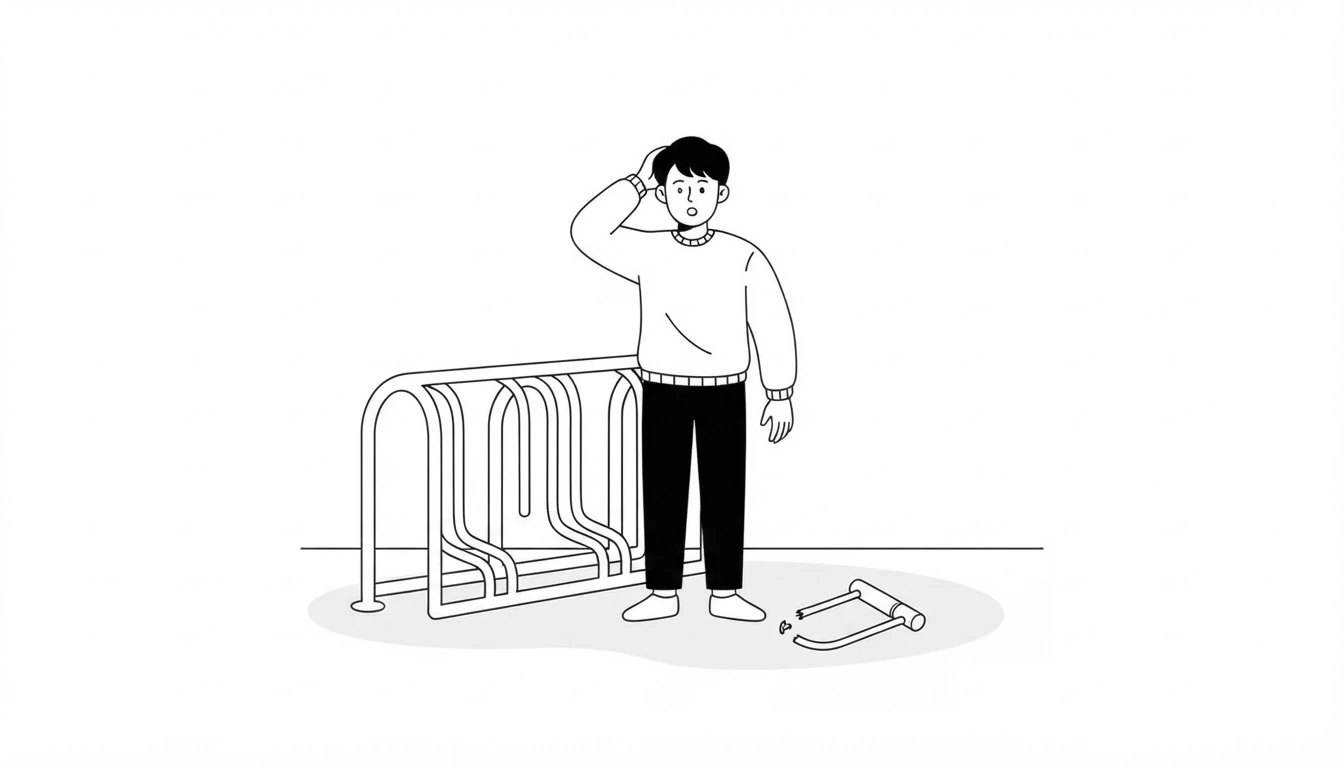
- When we don’t know who did the action: My bike was stolen last night.
- When it’s obvious or doesn’t matter: The thief was arrested. (Clearly it was the police.)
- When the action or the result is what matters: The new hospital will be opened next year.
- In formal, scientific and news texts: The samples were analysed in the laboratory. / Two people have been injured in the accident.
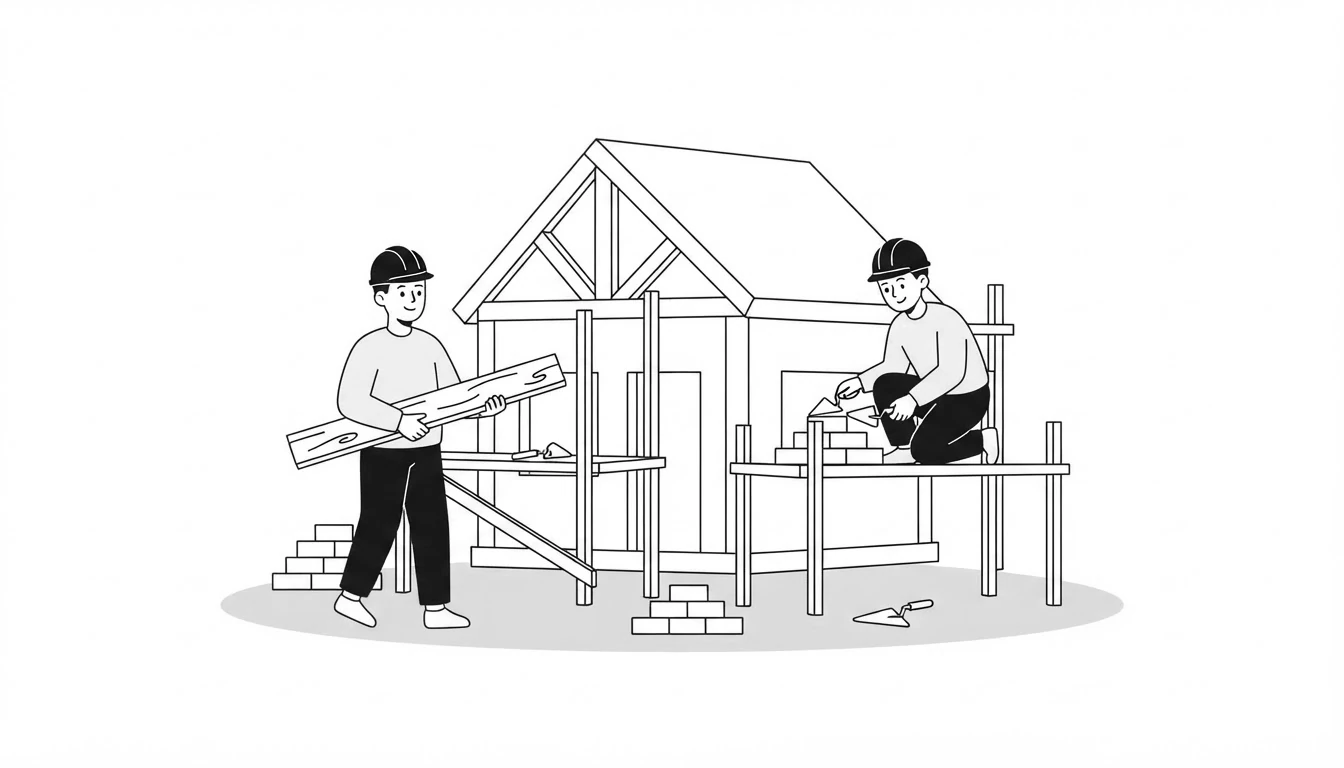
- To describe processes: The grapes are picked, crushed and left to ferment.
That’s why the passive is so frequent in the news: it’s the natural way to report what has happened without always having to say who did it.
How to form the passive: be + past participle
Here’s the trick I mentioned. The passive always has two pieces:
the verb be in whatever tense you need + the past participle of the main verb
The past participle is the form in the third column of irregular verbs (written, made, built, stolen…) or the -ed form of regular verbs (painted, opened, cleaned). If you’re not sure about one, check my list of irregular verbs in English.
The key point is that the participle never changes. The only thing that changes from one tense to another is the verb be. Look at how it works with the verb build:
| Tense | 🇬🇧 Active | 🇬🇧 Passive |
|---|---|---|
| Present simple | They build houses. | Houses are built. |
| Present continuous | They are building a house. | A house is being built. |
| Past simple | They built a house. | A house was built. |
| Past continuous | They were building a house. | A house was being built. |
| Present perfect | They have built a house. | A house has been built. |
| Past perfect | They had built a house. | A house had been built. |
| Future (will) | They will build a house. | A house will be built. |
| Going to | They are going to build a house. | A house is going to be built. |
| Modal verbs | They can build a house. | A house can be built. |
| Modal perfects | They should have built a house. | A house should have been built. |
If you’re comfortable with the tenses in the active, the passive is a piece of cake: put be in the same tense and add the participle. If you need a refresher, here are the 12 English verb tenses in one table.
Negatives and questions
They work as usual with the verb be (or with the first auxiliary):
- Negative: The report wasn’t finished on time. / The tickets haven’t been sold yet.
- Question: Was the window broken? / When will the results be published?
What about «by»?
The phrase with by (the agent) only goes in when it adds information. The Mona Lisa was painted by Leonardo makes sense, because the painter matters. But My bike was stolen by someone ❌ is redundant: if you don’t know who did it, don’t say it. In fact, most passive sentences have no agent at all.
How to turn an active sentence into the passive, step by step
Let’s take an example: The police have arrested two men.
- Find the object of the active sentence (what receives the action): two men. That will be the new subject.
- Check the tense of the verb: have arrested is the present perfect.
- Put be in that same tense, agreeing with the new subject: have been.
- Add the past participle of the main verb: arrested.
- Decide whether you need the agent with by. Here it’s obvious it was the police, so leave it out.
Result: Two men have been arrested.
Watch the agreement: be agrees with the new subject, not the old one. Someone has stolen my keys → My keys have been stolen (not has, because keys is plural).
Special cases of the passive
The passive with two objects
Some verbs, such as give, send, show, offer, tell and teach, have two objects: a person and a thing. They gave Emma a prize. Here you can make two passives:
- Emma was given a prize. (the most natural one in English)
- A prize was given to Emma. (also correct)
Pay attention to the first one, because many languages can’t do this, so learners rarely think of it. In English, though, it’s the most common option: I was told that the shop was closed, She was offered a job in London.
It doesn’t work with every verb, though. With explain, describe, suggest or say, the person can’t be the subject: I was explained the rule ❌, The rule was explained to me ✅.
The impersonal passive: it is said that…
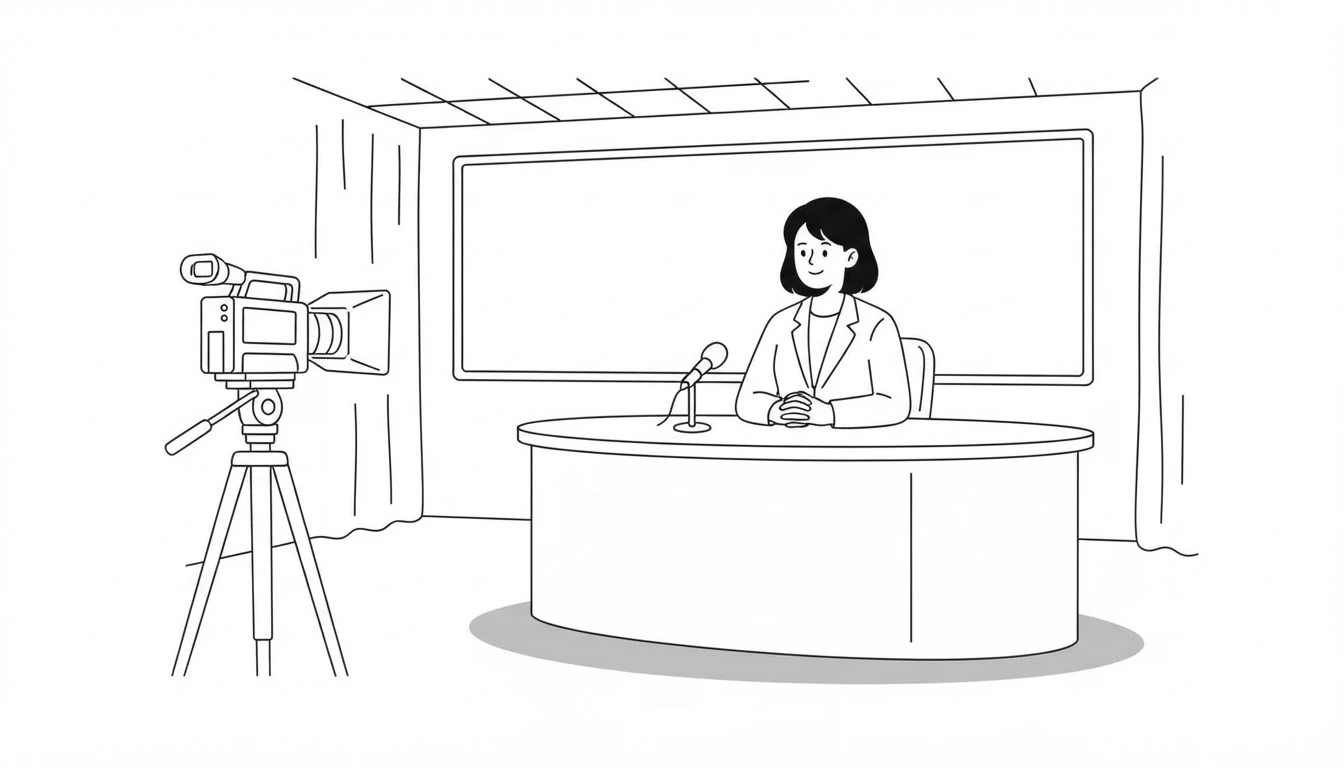
This is the B2 and C1 passive, and the one exams test most. It’s used to report what people in general say or think, without saying who. It goes with verbs such as say, believe, think, know, report, expect, consider and claim, and it has two structures:
- It + is said / believed… + that + clause: People say that the castle is haunted. → It is said that the castle is haunted.
- Subject + is said / believed… + to + infinitive: → The castle is said to be haunted.
Both mean the same. The second one is more elegant, and it’s the one exam transformations usually ask for.
And if what people say happened earlier, use the perfect infinitive (to have + past participle):
- People believe that he left the country. → He is believed to have left the country.
It’s very typical of the news: The President is expected to arrive tomorrow.
The passive with gerunds and infinitives
When a verb is followed by a gerund or an infinitive, the passive can be formed there too:
- being + past participle: I hate being told what to do.
- to be + past participle: She wants to be invited to the party.
If you’re not sure which one goes where, have a look at my post on gerund or infinitive in English.
The passive with get
In informal English, get is often used instead of be, especially for things that happen unexpectedly or are negative: He got fired. / Our car got stolen. It’s correct, but in formal writing it’s better to use be.
Verbs with no passive
Only verbs that take an object (transitive verbs) can be made passive. Verbs such as happen, arrive, die, sleep, come and go have no passive: The accident was happened ❌, The accident happened ✅.
Don’t confuse the passive with have something done
I had my hair cut (someone cut it for me at the hairdresser’s) looks like a passive, but it’s a different structure: the causative, for things that someone else does for you. I explain it in my post on causative have.
The passive in English and Spanish «se»
For Spanish speakers, the passive is the key to translating a lot of sentences with «se», which in English are passive:
| 🇪🇸 Spanish | 🇬🇧 English |
|---|---|
| Se habla inglés. | English is spoken. |
| Se venden pisos. | Flats are sold. / Flats for sale. |
| Se dice que es muy rico. | He is said to be very rich. |
| Se prohíbe fumar. | Smoking is not allowed. |
| Me robaron el móvil. | My phone was stolen. |
| Nací en 2008. | I was born in 2008. |
And be born deserves a special mention: in English it’s always passive. I born in Granada ❌ and I borned ❌ are classic mistakes; the correct form is I was born in Granada ✅.
Typical mistakes with the passive
- Leaving out be: The car repaired yesterday ❌, The car was repaired yesterday ✅.
- Using the past simple instead of the participle: The window was broke ❌, The window was broken ✅.
- Getting the agreement wrong: The letters has been sent ❌, The letters have been sent ✅.
- Forgetting being in the present continuous: The road is repaired at the moment ❌, The road is being repaired at the moment ✅.
- Making passives with verbs that take no object: What was happened? ❌, What happened? ✅.
- Making the person the subject with explain or say: I was explained the problem ❌, The problem was explained to me ✅.
- Saying «be born» in the active: I born in 2008 ❌, I was born in 2008 ✅.
- Adding an agent that tells us nothing: My bag was stolen by someone ❌, My bag was stolen ✅.
The passive in the Cambridge exams and the PAU
The passive is one of the star structures in transformations. It comes up a lot in B2 First Use of English Part 4 (key word transformations), and in C1 Advanced too. Have a look at these examples, written in the exam style:
- They are building a new hospital in my town. BEING
A new hospital ______ in my town.
Answer: A new hospital is being built in my town. - People say that the castle is haunted. SAID
The castle ______ haunted.
Answer: The castle is said to be haunted. - Nobody told me about the change of plans. WAS
I ______ about the change of plans.
Answer: I was not told about the change of plans.
If you’re preparing for Spain’s university entrance exam, the passive, including the impersonal passive, is also one of the fixed families in the PAU transformations. In Andalusia, for example, you have to rewrite the whole sentence starting as indicated. I explain it in my guide to the Andalusian PAU English exam.
In writing, the passive also raises your mark, especially in formal texts such as a report or a formal letter: It is widely believed that…, The event was attended by over 200 people, Several measures should be taken. Just don’t overdo it: a whole text in the passive is very heavy to read.
Summary table of the passive
| Structure | 🇬🇧 Example | 🇪🇸 Spanish |
|---|---|---|
| be + past participle | English is spoken here. | Aquí se habla inglés. |
| be being + past participle (continuous) | The road is being repaired. | Están arreglando la carretera. |
| have been + past participle (perfect) | Two men have been arrested. | Han detenido a dos hombres. |
| modal + be + past participle | This must be done today. | Esto hay que hacerlo hoy. |
| Passive with two objects | Emma was given a prize. | Le dieron un premio a Emma. |
| Impersonal passive (it) | It is said that he is rich. | Se dice que es rico. |
| Impersonal passive (subject + to) | He is said to be rich. | Se dice que es rico. |
| Impersonal passive (past) | He is believed to have left. | Se cree que se fue. |
| being / to be + past participle | I hate being told what to do. | Odio que me digan qué hacer. |
| get + past participle (informal) | He got fired. | Le despidieron. |
Frequently asked questions about the passive
When do you use «by» in the passive?
Only when the person who does the action is important or new information: The novel was written by a 16-year-old girl. If it’s unknown, obvious or unimportant, leave it out.
Do all tenses have a passive?
Almost all of them. The ones that are hardly ever used in the passive are the perfect continuous tenses (has been being built), which sound very forced. The perfect simple is used instead: has been built.
Is the passive more formal than the active?
Generally, yes. That’s why it’s so common in news, reports and scientific texts. In informal conversation, the active is normal (Someone stole my bike), or the passive with get (My bike got stolen).
Passive voice exercises
Time to practise. Below you have three interactive exercises that mark themselves, so you’ll know straight away how you’ve done. Try to do them without looking back at the post.
And if you prefer a version in text that you can copy and paste, you have it down here 👇
Exercise 1. Choose the correct option
Choose the correct form in each sentence.
- The Mona Lisa (was painted / painted) by Leonardo da Vinci.
- English (is spoken / speaks) all over the world.
- My car (is being repaired / is repairing) at the moment, so I’m taking the bus.
- The letters (have been sent / have sent) already.
- I (was born / born) in 2008.
- The thief (was seen / was saw) leaving the bank.
- The results (will be published / will published) next week.
- What (happened / was happened) to your phone?
- This room (must be cleaned / must clean) before the guests arrive.
- The bridge (was being built / was building) when the storm started.
Show answers
- was painted
- is spoken
- is being repaired
- have been sent
- was born
- was seen
- will be published
- happened
- must be cleaned
- was being built
Exercise 2. Complete with the passive
Complete each sentence with the correct passive form of the verb in brackets.
- Thousands of emails _______________ (send) every second.
- The new stadium _______________ (open) last year.
- Our kitchen _______________ (paint) right now, so we’re eating out.
- Two people _______________ (arrest) since the start of the investigation.
- The concert _______________ (cancel) yesterday because of the rain.
- By the time we arrived, all the tickets _______________ (sell).
- The winners _______________ (announce) tomorrow morning.
- This medicine should _______________ (take) after meals.
- The castle is said _______________ (build) in the 12th century.
- I hate _______________ (tell) what to do.
Show answers
- are sent
- was opened
- is being painted
- have been arrested
- was cancelled
- had been sold
- will be announced
- be taken
- to have been built
- being told
Exercise 3. Rewrite the sentences in the passive
Rewrite each sentence in the passive. If there are words in brackets, start the sentence with them. Don’t use by unless it’s necessary.
- Someone stole my bike last night.
- They are repairing the road.
- People say that the hotel is haunted. (The hotel…)
- The company has hired three new teachers.
- They will deliver the furniture on Monday.
- Somebody gave Emma a beautiful present. (Emma…)
- You must wear a helmet. (A helmet…)
- People believe that he left the country. (He…)
- They hadn’t finished the report when I called. (The report…)
- Did they invite you to the wedding? (Were…)
Show answers
- My bike was stolen last night.
- The road is being repaired.
- The hotel is said to be haunted.
- Three new teachers have been hired.
- The furniture will be delivered on Monday.
- Emma was given a beautiful present.
- A helmet must be worn.
- He is believed to have left the country.
- The report hadn’t been finished when I called.
- Were you invited to the wedding?
Conclusion
To sum up: the passive is always formed with be + past participle, and the only thing that changes from one tense to another is the verb be. Use it when you don’t know who did the action, when it doesn’t matter or when what you want to highlight is what happened. And don’t forget its special cases: the passive with two objects (I was given…), the impersonal passive (He is said to be…) and the famous I was born. With all this, you’ve got the passive ready for everyday English and for your exam.
If you’d like to keep working on structures that transform sentences, have a look at my posts on reported speech and conditional sentences.
Did you find this post useful? Share it with other English learners and teachers. And if you’d like more content like this, subscribe to my newsletter and follow me on Facebook, Twitter, Pinterest, Instagram and YouTube.
See you in the next post. Until then, don’t forget to keep smiling! 🙂
