
Table of contents
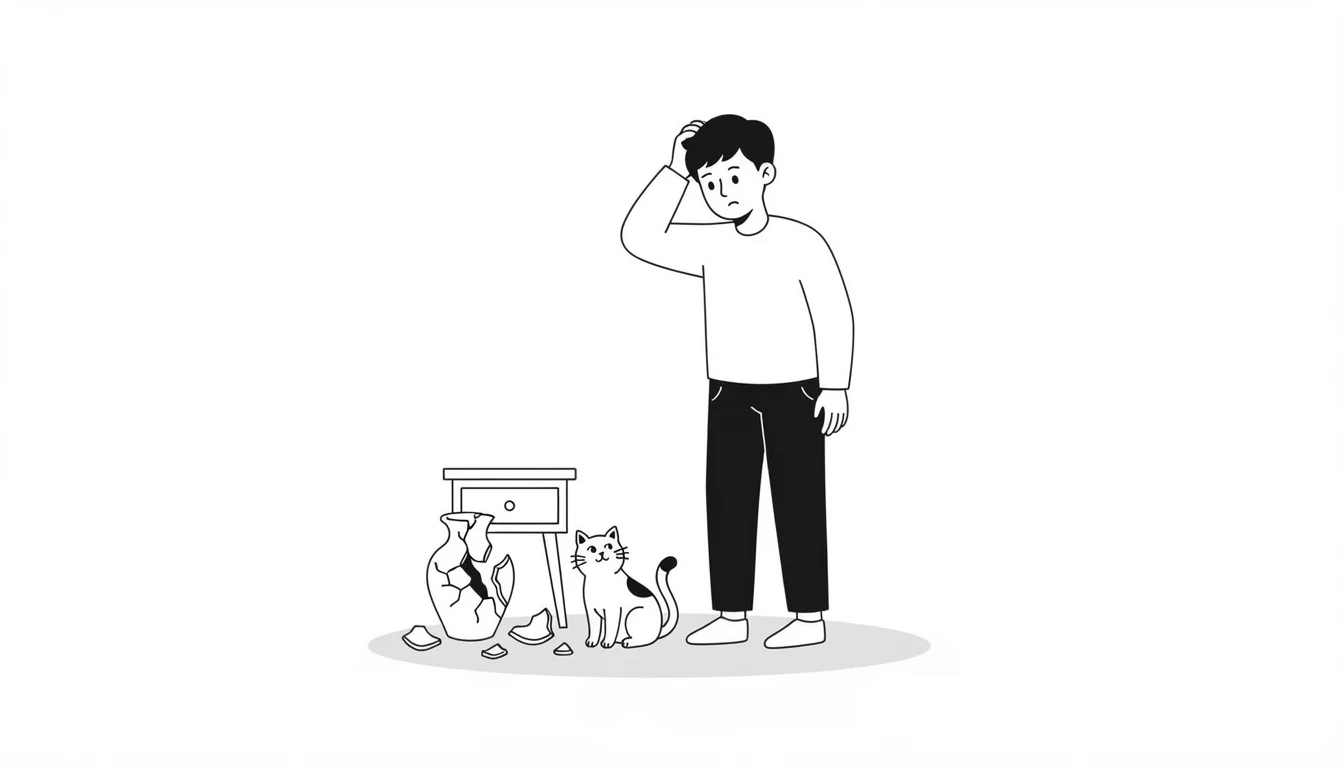
You get home, find a vase smashed on the floor and the cat sitting next to it looking completely innocent. What’s your first thought? The cat must have knocked it over. And if the vase was right on the edge of the table, you might also think: I should have put it somewhere safer. Both of those sentences are modal perfects, and we use them all the time to talk about the past: to make guesses, to express regret and to criticise what someone did (or didn’t do).
If they sound like advanced grammar, don’t worry. Modal perfects are always built the same way, with a three-part formula, and all you really have to learn is what each modal means. In my experience as an exam teacher, the hard part isn’t the form. It’s choosing correctly between must have, can’t have and might have, and knowing when needn’t have is the right choice instead of didn’t need to.
In this post I’ll show you how modal perfects are formed, how to use them to make deductions about the past, how to express regret and criticism with should have, what could have means, the difference between needn’t have and didn’t need to, the continuous and passive forms, the most common mistakes, how they come up in Cambridge exams and the PAU and, at the end, exercises with answers. Let’s get started! 🙂
What are modal perfects?
Modal perfects (also called perfect modals or past modals) are how modal verbs talk about the past. A modal such as must, should or could doesn’t have a «normal» past form, so to look back in time we add have and the past participle.
modal + have + past participle
- She must have left early.
- You should have told me.
- They might have got lost.
Three things never change:
- The modal never takes -s in the third person: he must have, never he musts have.
- Have always stays as have, even with he, she or it: she should have, never she should has.
- It’s followed by the past participle (the third column of irregular verbs): gone, seen, taken, written.
In speech, have is pronounced very weakly, almost /əv/: must’ve, should’ve, could’ve. That’s where the famous native-speaker mistake should of comes from, and it’s wrong. Always write have (or the contraction ‘ve).
Modal perfects have two main jobs: deducing what happened (how sure you are) and judging what happened (whether it was right, wrong or necessary). Let’s look at each one.
Deductions about the past: must have, can’t have, might have
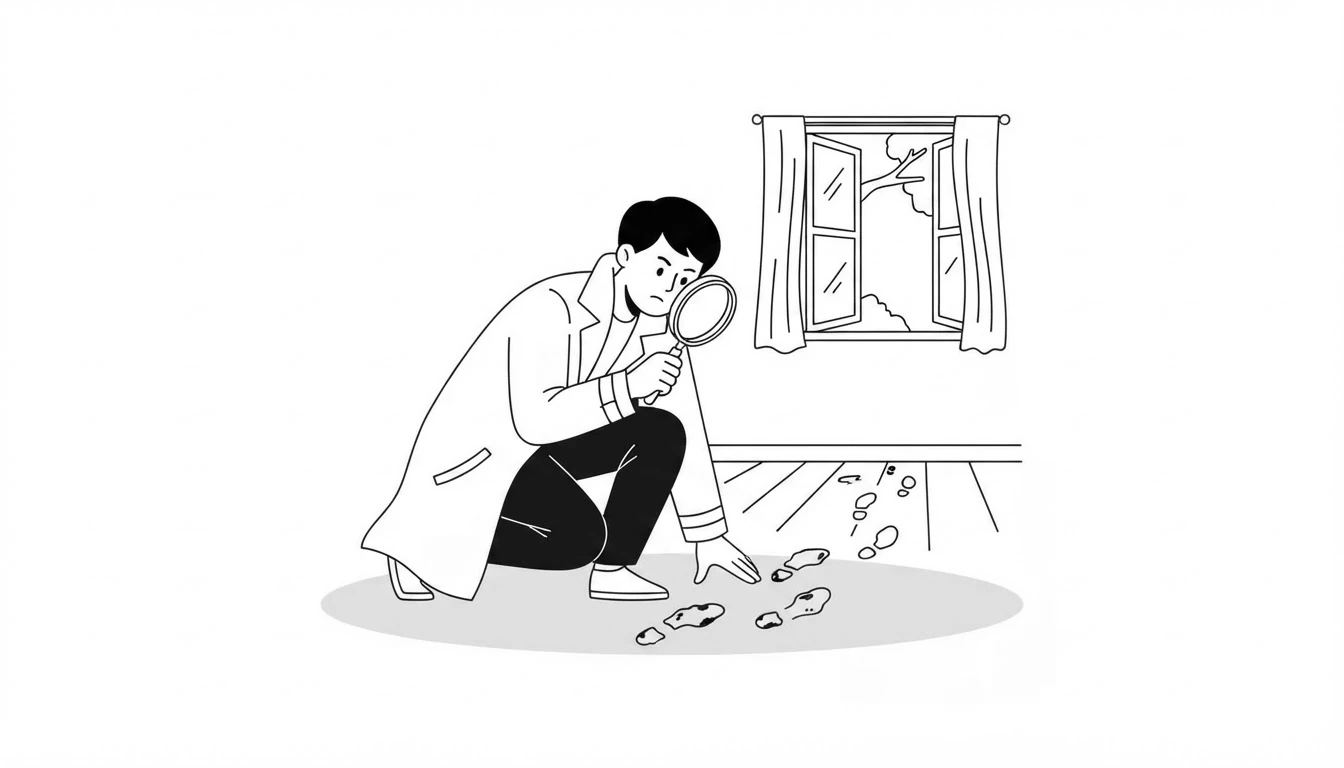
When you don’t know for certain what happened but you have some clues, you use a modal perfect to say how sure you are. It’s exactly what a detective does.
Must have: I’m almost sure it happened
Must have + past participle is a logical deduction: you have evidence and you conclude that something almost certainly happened.
- There are muddy footprints by the window. The burglar must have come in this way.
- The streets are wet. It must have rained last night.
- You must have been exhausted after the marathon.
Be careful not to mix it up with should have. He must have left means «I’m sure he left»; he should have left means «leaving was the right thing to do, but he didn’t».
Can’t have / couldn’t have: I’m almost sure it didn’t happen
The opposite of must have isn’t mustn’t have, but can’t have or couldn’t have. You use them when something seems impossible:
- Tom can’t have stolen the money. He was with me all evening.
- She couldn’t have seen you. She wasn’t wearing her glasses.
This is one of the points examiners love to test, because many learners instinctively reach for mustn’t have. But mustn’t expresses prohibition, not deduction. If you’d like to revise that difference, it’s all in my post on must and have to.
Might have / may have / could have: perhaps
When you’re not sure and you only see a possibility, use might have, may have or could have. All three mean practically the same thing: «perhaps», «maybe».
- Mark is late. He might have missed the bus.
- I may have left my keys in the car.
- The parcel could have got lost in the post.
In the negative, might not have and may not have keep the idea of doubt: She might not have heard the phone. Watch out, though: couldn’t have isn’t the negative of could have in this sense. Couldn’t have means «impossible», as you’ve just seen.
The certainty scale
Think of these modals as a certainty thermometer:
| How sure? | 🇬🇧 Modal perfect | 🇬🇧 Example | 🇪🇸 Spanish |
|---|---|---|---|
| Almost sure it happened | must have | He must have forgotten. | Se le ha debido de olvidar. |
| Possible | might / may / could have | He might have forgotten. | Puede que se le haya olvidado. |
| Possibly not | might not / may not have | He might not have known. | Puede que no lo supiera. |
| Almost sure it didn’t happen | can’t / couldn’t have | He can’t have forgotten. | Es imposible que se le haya olvidado. |
Regret and criticism: should have and ought to have
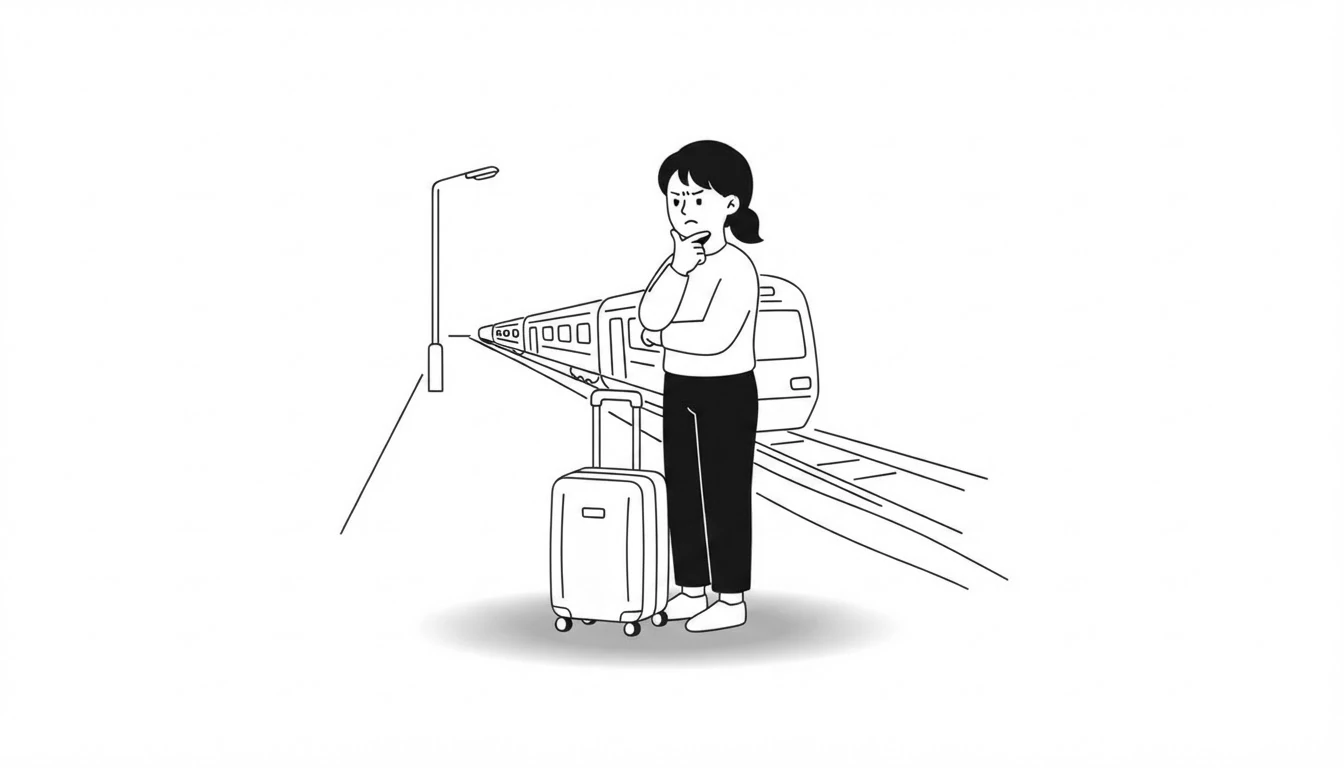
The second big use of modal perfects is judging the past. With should have + past participle you say that something would have been the right thing to do, but it didn’t happen. With shouldn’t have + past participle, that something happened and it shouldn’t have.
You use it to regret your own decisions:
- I missed the train. I should have left home earlier. (But I didn’t.)
- I shouldn’t have eaten so much. I feel terrible. (But I did.)
And to criticise what other people did:
- You should have told me you were ill.
- Emma shouldn’t have spoken to her boss like that.
Ought to have + past participle means the same as should have, but it’s more formal and much less common: We ought to have booked a table. In the negative, not goes after ought: You ought not to have said that.
A quick way to keep them apart: should have = it was the right thing to do (and it didn’t happen); must have = I’m almost sure it happened. One is criticism, the other is deduction.
Could have: what might have happened but didn’t
Could have + past participle has three uses, and it’s worth being clear about them:
- A possibility that didn’t happen: You were lucky. You could have fallen off that ladder. We could have won the match if we had tried harder.
- Mild criticism: You could have called me! I was waiting for hours. It’s similar to should have, but with a reproachful tone.
- A deduction («perhaps»), as you saw earlier: She could have taken the earlier train.
In the negative, couldn’t have can also mean that something would have been impossible: I couldn’t have done it without your help.
Don’t confuse it with plain could. I could swim when I was five is about an ability in the past; I could have swum is about something I was able to do but didn’t. If you want to revise the present modals, here’s my post on modal verbs in English.
And speaking of what might have happened: would have + past participle is also a modal perfect, the one used in third conditionals (If I had known, I would have helped you). I explain it step by step in my post on conditional sentences.
Needn’t have vs didn’t need to
This is a B2 and C1 classic. Both talk about something that wasn’t necessary, but they don’t mean the same thing:
- Needn’t have + past participle: you did it, and it turned out to be unnecessary. You needn’t have brought a present! (You brought one, and it wasn’t necessary.) I needn’t have cooked so much food. Only three people came.
- Didn’t need to + infinitive: it wasn’t necessary and, normally, you didn’t do it. My sister gave me a lift, so I didn’t need to take a taxi. (I didn’t take one.)
The key question is: did the action happen? If it did (and it was a waste of effort), use needn’t have. If it didn’t, use didn’t need to. To be fair, didn’t need to is sometimes used when the action did happen too, but needn’t have is never used when it didn’t, and that’s the distinction exams test.
Continuous and passive forms
At upper B2 and C1, modal perfects also have continuous and passive forms. The logic is the same as always:
- Continuous: modal + have been + -ing. For actions in progress in the past: Your eyes are red. You must have been crying. He can’t have been listening.
- Passive: modal + have been + past participle. When the focus is on what received the action: This letter can’t have been written by a child. The tickets should have been booked weeks ago.
If the passive still makes you nervous, you’ll find every tense in my post on the passive voice in English.
Modal perfects summary table
| Modal perfect | Meaning | 🇬🇧 Example | 🇪🇸 Spanish |
|---|---|---|---|
| must have + past participle | Deduction: almost sure it happened | She must have left. | Debe de haberse ido. |
| can’t / couldn’t have + past participle | Deduction: almost sure it didn’t happen | He can’t have seen us. | Es imposible que nos viera. |
| might / may have + past participle | Deduction: possible | They might have got lost. | Puede que se hayan perdido. |
| could have + past participle | A possibility that didn’t happen | You could have fallen. | Te podrías haber caído. |
| could have + past participle | Mild criticism | You could have called me. | Podrías haberme llamado. |
| couldn’t have + past participle | Something impossible | I couldn’t have done it alone. | No lo habría podido hacer solo. |
| should have + past participle | Criticism or regret (it didn’t happen) | I should have studied more. | Debería haber estudiado más. |
| shouldn’t have + past participle | Criticism or regret (it happened) | You shouldn’t have said that. | No deberías haber dicho eso. |
| ought to have + past participle | Like should have, more formal | We ought to have booked. | Tendríamos que haber reservado. |
| needn’t have + past participle | It happened, but it wasn’t necessary | You needn’t have waited. | No hacía falta que esperaras. |
| would have + past participle | Past conditional | I would have helped you. | Te habría ayudado. |
Common mistakes with modal perfects
- Using mustn’t have for negative deductions: He mustn’t have heard me ❌, He can’t have heard me ✅.
- Mixing up must have and should have: to express regret, say I should have studied ✅, not I must have studied ❌ (that means «I’m sure I studied»).
- Changing have: She should has called ❌, She should have called ✅.
- Using the past simple instead of the participle: You should have went ❌, You should have gone ✅. I must have forgot ❌, I must have forgotten ✅.
- Using can have in the affirmative for a possibility: He can have missed the bus ❌, He might have missed the bus ✅.
- Writing of instead of have: I should of known ❌, I should have known ✅.
- Using had to have for criticism: You had to have told me ❌, You should have told me ✅.
- Using needn’t have when the action didn’t happen: It was sunny, so I needn’t have taken an umbrella (only if you took one). If you didn’t: I didn’t need to take an umbrella ✅.
If any participles are still shaky, revise the past perfect too: it uses exactly the same participles and helps them stick.
Modal perfects in Cambridge exams and the PAU
Modal perfects are a staple of transformations. In B2 First Use of English Part 4 (key word transformations) you have to complete a sentence with two to five words, including the key word unchanged, and prompts like «I’m sure that…» or «It was a mistake…» are crying out for a modal perfect. Here are some examples written in exam style:
- I’m sure Peter didn’t break the window. HAVE
Peter ______ the window.
Answer: Peter can’t have broken the window. (Cannot have broken or couldn’t have broken are also correct.) - It was wrong of you not to tell me the truth. SHOULD
You ______ the truth.
Answer: You should have told me the truth. - It wasn’t necessary for you to bring a present, but thank you! NEED
You ______ a present, but thank you!
Answer: You need not have brought a present, but thank you!
Notice that in the third one the key word is NEED, so you can’t contract it to needn’t: the key word must be used exactly as it is. In C1 Advanced the transformations are even more demanding, with forms like must have been or can’t have been told.
If you’re preparing for the Spanish university entrance exam, modal perfects and modals of deduction also come up in the PAU transformations. I explain how in my guide to the PAU English exam in Andalusia.
They also earn you marks in Writing and Speaking. In B2 Speaking Part 2, when you speculate about the photos, sentences like They might have just finished a race or She must have been waiting for a long time show exactly the kind of grammatical control the level expects. And in a story or an informal email, I should have listened to my friends sounds perfectly natural.
Frequently asked questions about modal perfects
What’s the difference between must have and should have?
Must have is a deduction: you’re almost sure something happened (He must have left). Should have is criticism or regret: something was the right thing to do and it didn’t happen (He should have left).
Can you say mustn’t have?
In British English it isn’t used for negative deductions: the correct forms are can’t have or couldn’t have. Mustn’t is kept for prohibition in the present (You mustn’t smoke here).
Do may have and might have mean the same?
Yes, in practice they’re interchangeable for possibility in the past. Might have sounds slightly less certain and is more common in speech, but in the exam you can use either.
At what level are modal perfects studied?
They’re introduced at B1 (especially should have) and consolidated at B2, where all the deduction uses appear. The continuous and passive forms, and subtleties like needn’t have versus didn’t need to, belong to upper B2 and C1.
Modal perfects exercises
Now it’s time to practise. Below you have three interactive exercises that mark themselves, so you’ll know straight away how you’ve done. Try to do them without looking back at the post.
And if you prefer a version in text that you can copy and paste, you have it down here 👇
Exercise 1. Choose the correct option
Choose the correct modal perfect in each sentence.
- Lucy isn’t answering her phone. She (must have left / should have left) it at home.
- You (can’t have seen / mustn’t have seen) Tom at the party. He’s in Paris this week.
- I failed the exam. I (must have studied / should have studied) harder.
- Thanks for the flowers, but you (needn’t have bought / mustn’t have bought) them!
- Mark is late. He (can have missed / might have missed) the bus.
- You were lucky. You (could have fallen / should have fallen) off that ladder.
- The streets are wet. It (must have rained / can’t have rained) during the night.
- Emma (mustn’t have said / shouldn’t have said) that to her boss. Now he’s really angry.
- I’m not completely sure, but I (must have left / may have left) my keys in the car.
- My sister gave me a lift, so I (didn’t need to take / needn’t have taken) a taxi.
Show answers
- must have left
- can’t have seen
- should have studied
- needn’t have bought
- might have missed
- could have fallen
- must have rained
- shouldn’t have said
- may have left
- didn’t need to take
Exercise 2. Complete with the modal perfect
Complete each sentence with the modal perfect of the modal and verb in brackets.
- Sarah hasn’t replied to my message. She _______________ (must / forget) to check her phone.
- We got completely lost. We _______________ (should / bring) a map.
- Jack _______________ (can’t / steal) the money. He was with me all evening.
- You _______________ (shouldn’t / eat) so much cake. No wonder you feel sick!
- I don’t know why Anna didn’t come. She _______________ (might / be) ill.
- You _______________ (needn’t / clean) the kitchen. I was going to do it later.
- Why did you walk home alone at night? You _______________ (could / call) me.
- All the lights are off. They _______________ (must / go) to bed already.
- I _______________ (ought to / listen) to my parents’ advice.
- This letter _______________ (can’t / write) by a child. The handwriting is too neat.
Show answers
- must have forgotten
- should have brought
- can’t have stolen
- shouldn’t have eaten
- might have been
- needn’t have cleaned
- could have called
- must have gone
- ought to have listened
- can’t have been written
Exercise 3. Rewrite the sentences
Rewrite each sentence with a modal perfect, starting with the words in brackets, so that it means the same.
- I’m sure Sarah forgot about the meeting. (Sarah must…)
- It was a mistake to sell my old car. (I shouldn’t…)
- I’m sure they didn’t see us. (They can’t…)
- Perhaps Tom took the wrong road. (Tom might…)
- We took a lot of food, but it wasn’t necessary. (We needn’t…)
- Why didn’t you tell me about the problem? (You should…)
- We were able to win the match, but we didn’t. (We could…)
- I’m sure the burglar came in through the window. (The burglar must…)
- Maybe Emma didn’t get my message. (Emma may not…)
- It was wrong of me not to apologise. (I ought to…)
Show answers
- Sarah must have forgotten about the meeting.
- I shouldn’t have sold my old car.
- They can’t have seen us.
- Tom might have taken the wrong road.
- We needn’t have taken a lot of food.
- You should have told me about the problem.
- We could have won the match.
- The burglar must have come in through the window.
- Emma may not have got my message.
- I ought to have apologised.
Conclusion
To sum up: modal perfects are always formed with modal + have + past participle, and they do two jobs. They help you deduce what happened, from most to least certain: must have, might / may / could have and can’t have. And they help you judge what happened: should have for what ought to have been done, could have for what might have happened but didn’t, and needn’t have for what was done without being necessary. With that, you’ve got one of the key B2 structures ready for the exam.
If you want to keep working on modals, have a look at my post on modal verbs in English and, to master would have, the one on conditional sentences.
Did you find this post useful? Share it with other English students and teachers. And if you’d like more content like this, subscribe to my newsletter and follow me on Facebook, Twitter, Pinterest, Instagram and YouTube.
See you in the next post. Until then, don’t forget to keep smiling! 🙂
