
Table of contents
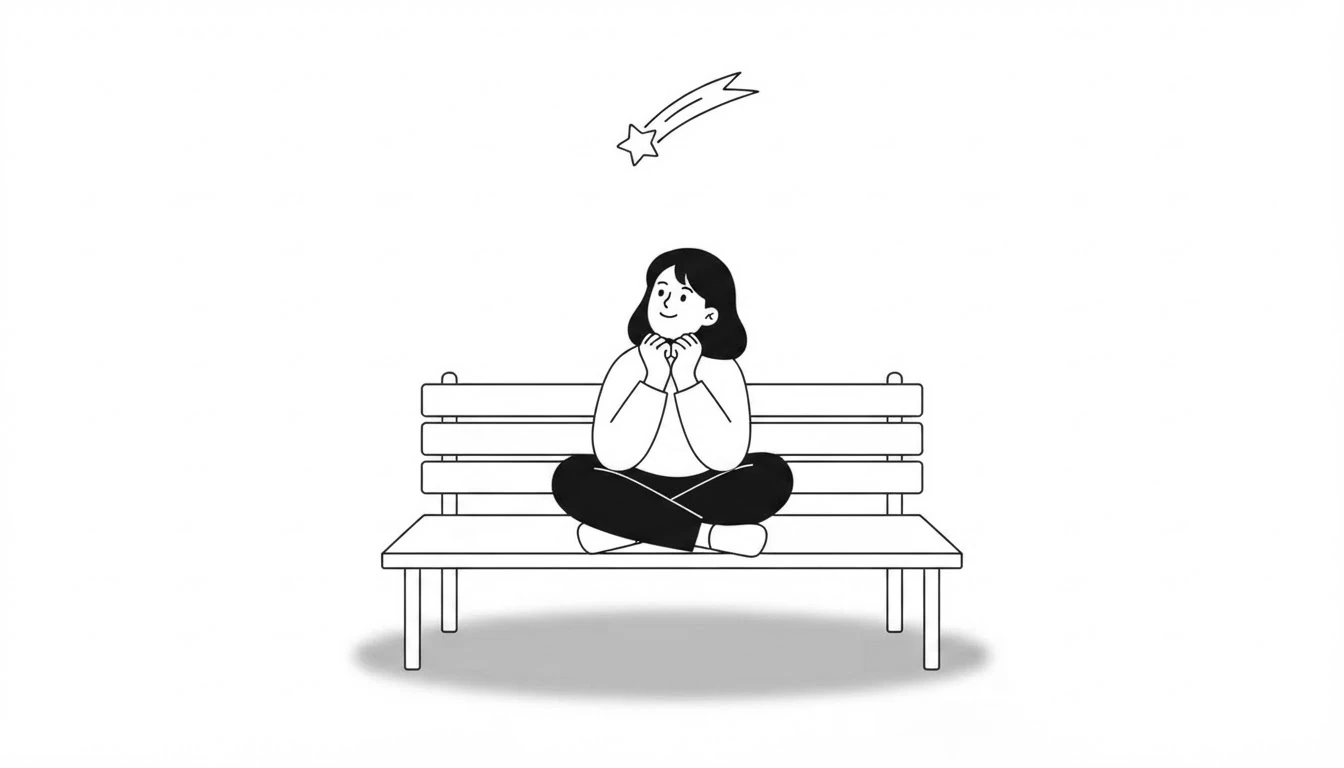
How many times have you thought «I wish I had more time» or «if only I hadn’t said that»? Probably quite a few. In English, those wishes and regrets are expressed with wish and if only, and they turn up all the time: in series, in songs, in everyday conversation and, of course, in exams.
If you find them confusing, don’t worry: almost every learner does at first. The tricky part is that wish works with a tense that moves «one step back»: to talk about the present you use the past, and to talk about the past you use the past perfect. It looks strange at first, but once you see the logic it’s very systematic.
In this post I explain how to use wish for wishes about the present, for regrets about the past and for complaining about what other people do, the difference with if only, two related structures that work in the same way (it’s time and would rather), the difference between wish and hope, the typical mistakes, how they come up in the Cambridge exams and Spain’s PAU and, at the end, exercises with answers. Let’s get started! 🙂
What do wish and if only express?
Both are used to talk about unreal situations: things we’d like to be different, but which aren’t (or weren’t). They’re how we say that we’d like the present to be different, or that we’re sorry about something in the past.
The key to understanding them is this: the verb that follows moves one step back in time. It’s the same idea as in the second and third conditionals, which is why they’re usually studied together. If you’d like to revise them, have a look at my post on conditional sentences in English.
- A wish about the present → wish + past simple: I wish I had a car.
- A regret about the past → wish + past perfect: I wish I had bought that car.
- A complaint about what someone else does → wish + would: I wish you would drive more slowly.
Let’s look at them one by one.
Wish + past simple: wishes about the present
We use it when we’re not happy with the present situation and would like it to be different. Be careful: even though the verb is in the past, we’re talking about the present:
- I wish I lived near the beach. (Reality: I don’t live near the beach.)
- I wish I knew the answer. (Reality: I don’t know it.)
- I wish my sister didn’t work so far away. (Reality: she works far away.)
- I wish it wasn’t so cold today. (Reality: it’s very cold.)
A trick that works really well: think of the reality and «turn it around». I don’t have time → I wish I had time. I’m not tall → I wish I were taller. Positive becomes negative and vice versa, and the verb moves one tense back.
I wish I was or I wish I were?
With the verb be, formal English uses were for every person: I wish I were rich, I wish she were here. In spoken English you’ll also hear was (I wish I was rich), and it’s perfectly acceptable. For an exam or a formal piece of writing, I always recommend were, which never lets you down.
Wish + could: things you can’t do
When the wish is about an ability or a possibility, we use could, the past of can:
- I wish I could play the guitar.
- I wish we could stay a bit longer.
- I wish I could have helped you. Here, with could have + past participle, we’re talking about the past.
Wish + past perfect: regrets about the past
This is the wish of regrets. We use it when something has already happened and we’d like it to have been different. The structure is wish + had + past participle:
- I wish I had studied harder for the exam.
- I wish I hadn’t eaten so much cake.
- She wishes she had taken the job in Dublin.
- I wish you had told me earlier.
In other words, it’s the grammar of «I’m sorry that…» or «I regret…». And if the past perfect still gives you trouble, here’s my post on the past perfect in English.
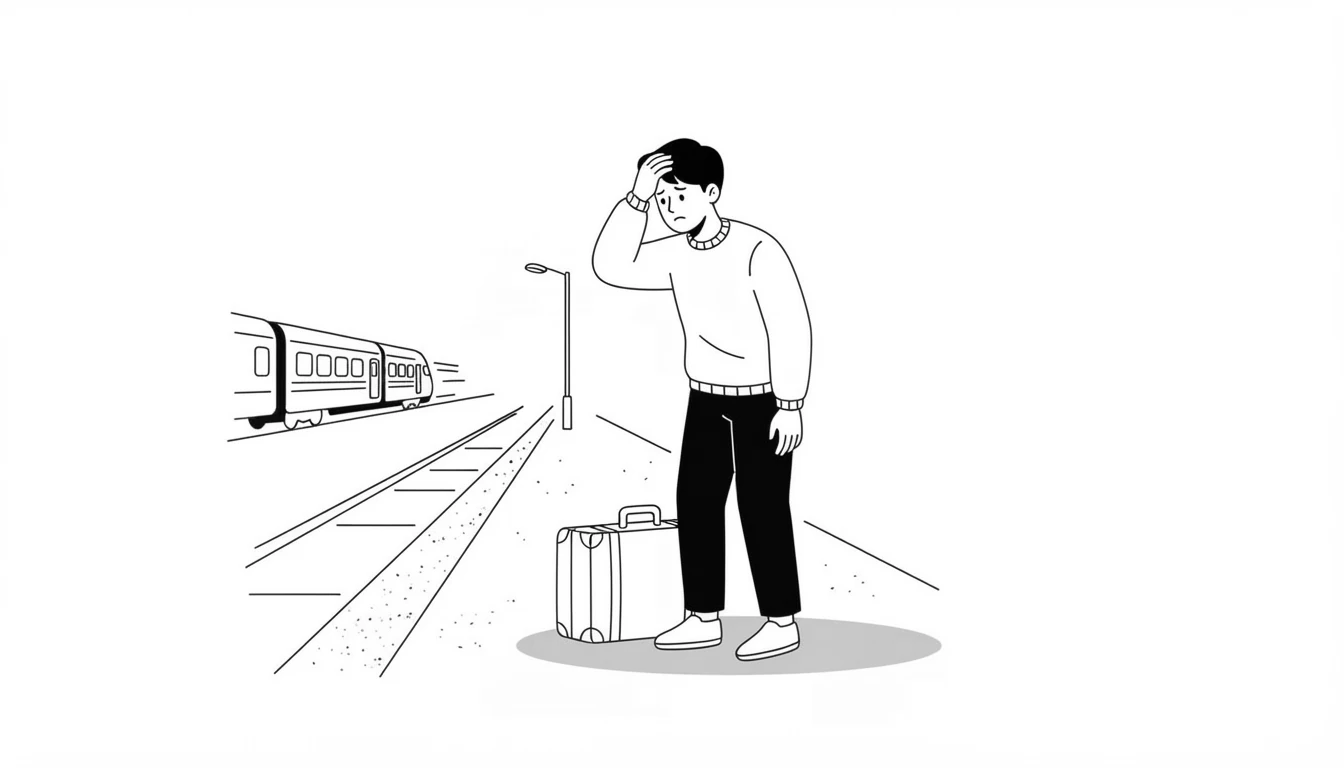
Look at the difference with a very clear example. If you’ve just missed your train, you’ll say I wish I had left home earlier (a regret about the past). But if you’re waiting for the next one on a freezing platform, you’ll say I wish I had a coat (a wish about the present).
Wish + would: complaints and annoying habits
Here wish changes its meaning slightly. With would we’re not really expressing a wish but a complaint: something another person (or thing) does that annoys us, and that we’d like to change:
- I wish you would stop tapping your pen!
- I wish my neighbours wouldn’t play loud music at night.
- I wish it would stop raining.
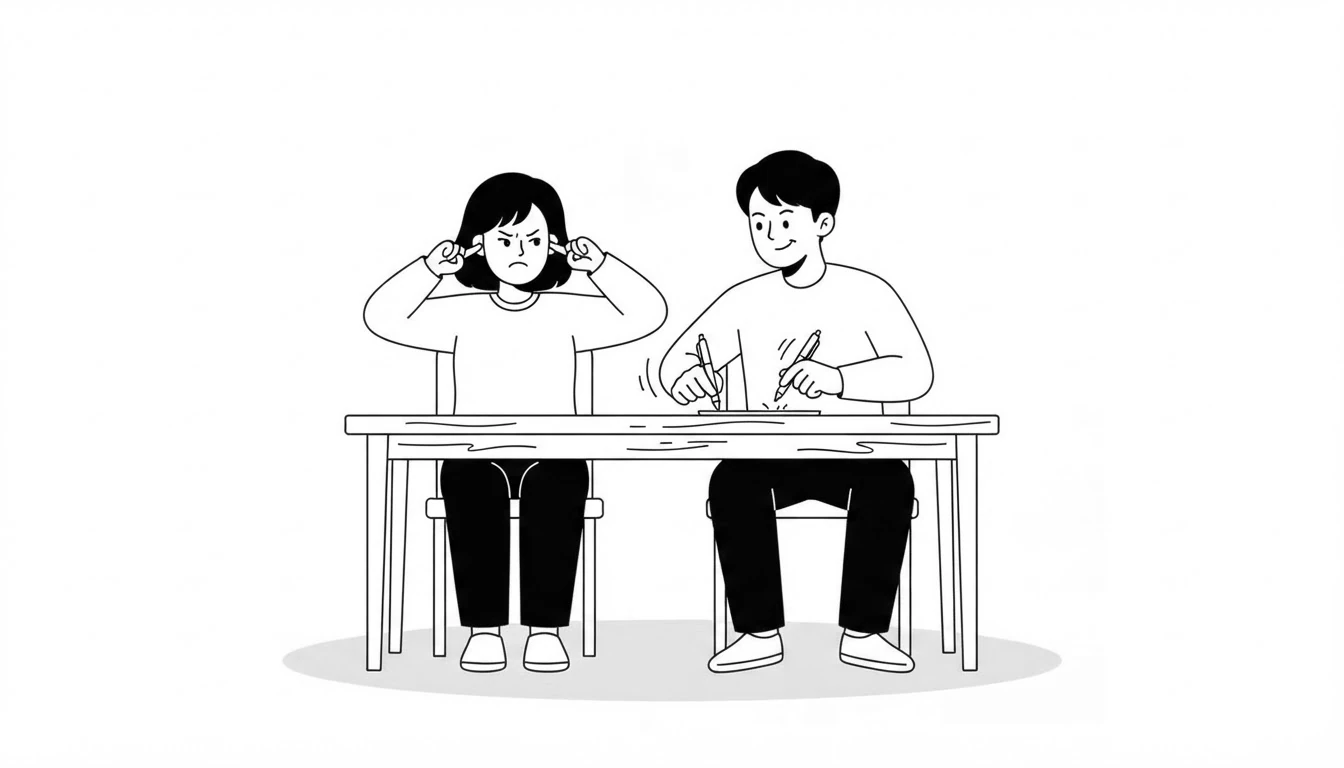
The limits of wish + would
This is the part that causes the most mistakes, so pay attention to two rules:
- It isn’t used with the same subject. I wish I would… ❌ makes no sense, because if it depends on you, you simply do it. For your own wishes, use the past or could: I wish I would speak French ❌, I wish I could speak French ✅. The same goes for we wish we would ❌.
- It only works with actions someone could change, not with states. I wish my flat would be bigger ❌, I wish my flat was / were bigger ✅. A flat can’t «decide» to be bigger, so a complaint with would doesn’t fit.
A good trick: if you could add «come on!» or «just stop…!» in your head, you probably need would.
If only: the stronger version
If only works exactly like wish (same tenses), but it sounds more emotional and dramatic:
- If only I had more money! → present
- If only I hadn’t sent that message! → past
- If only he would listen to me! → complaint
- If only I could see her again. → possibility
Two details: if only has no subject in front of it (don’t say I if only… ❌), and it isn’t followed by that. With wish, on the other hand, that is optional: I wish (that) I had more time.
And don’t confuse it with only if, which is something else: a condition. I’ll go only if you come with me.
It’s time and it’s high time + past simple
This structure is a close relative of wish, because it also uses the past to talk about the present. It’s used to say that it’s time someone did something (and, usually, that they’re already late):
- It’s time we went home.
- It’s high time you found a job.
- It’s about time they fixed that road.
High time and about time add a touch of criticism or impatience. And if you don’t want to point at anyone, you can use the infinitive: It’s time to go. The difference is that with It’s time you went you’re making it clear who has to do it.
Would rather + past: what you’d prefer someone else to do
When would rather is about your own preferences, it’s followed by the bare infinitive: I’d rather stay at home. But when you want to say what you’d prefer another person to do, the subject changes and the verb goes into the past, just like with wish:
- I’d rather you stayed at home tonight.
- I’d rather you didn’t tell anyone.
- She’d rather we had called her first. → past
You’ll find all the details, and the difference with had better, in my post on would rather and had better.
Wish or hope: they’re not the same
This is one of the most common mistakes, because in many languages the same word covers both. The difference is clear:
- Hope is for possible things, which could really happen, and it goes with the present or future: I hope you pass the exam.
- Wish is for unreal or impossible things, and it goes with the past: I wish I had more time. (But I don’t.)
That’s why we say I hope it doesn’t rain tomorrow (it may or may not rain) and I wish it wasn’t raining (it’s raining, and it’s annoying). If you’d like to look at hope in depth, have a look at my post on the difference between hope and expect.
That said, wish has two uses with nothing unreal about them:
- wish + person + thing, to wish someone something: I wish you a happy birthday. / We wish you good luck.
- wish + to + infinitive, as a very formal way of saying want: I wish to speak to the manager.
Summary table of wish, if only, it’s time and would rather
| Structure | Time | Meaning | 🇬🇧 Example |
|---|---|---|---|
| wish / if only + past simple | Present | A wish about a present situation | I wish I lived in London. |
| wish / if only + were | Present | A wish with the verb be | I wish I were taller. |
| wish / if only + could | Present | A wish about an ability or possibility | I wish I could swim. |
| wish / if only + past perfect | Past | A regret | I wish I had studied more. |
| wish / if only + could have + past participle | Past | A regret about something you couldn’t do | I wish I could have come. |
| wish / if only + would | Present or future | A complaint about what another person or thing does | I wish you would stop shouting. |
| it’s (high / about) time + past simple | Present | It’s time someone did something | It’s high time you went to bed. |
| would rather + subject + past simple | Present or future | What you’d prefer another person to do | I’d rather you didn’t smoke here. |
| would rather + subject + past perfect | Past | What you’d have preferred another person to do | I’d rather you had asked me first. |
Typical mistakes with wish and if only
- Using the present after wish: I wish I have more time ❌, I wish I had more time ✅.
- Using would with the same subject: I wish I would be rich ❌, I wish I were rich ✅. I wish I would speak Italian ❌, I wish I could speak Italian ✅.
- Using would for states: I wish the weather would be warmer ❌, I wish the weather were / was warmer ✅.
- Using the past simple for a regret about the past: I wish I went to the party last night ❌, I wish I had gone to the party last night ✅.
- Putting would have after wish: I wish I would have known ❌, I wish I had known ✅.
- Confusing wish and hope: I wish you pass your exam ❌, I hope you pass your exam ✅.
- Using the present after it’s time: It’s time we go ❌, It’s time we went ✅.
- Using the present with would rather and another person: I’d rather you don’t come ❌, I’d rather you didn’t come ✅.
Wish and if only in the Cambridge exams and the PAU
Wish, if only and it’s time are absolute classics of transformations. In B2 First Use of English Part 4 (key word transformations) they come up a lot, and in C1 Advanced too, often combined with other structures. Typically you’re given a sentence with regret, it’s a pity or should and you have to rewrite it with the key word. Look at these examples, written in the style of the exam (remember: between two and five words, and don’t change the key word):
- I’m sorry I didn’t tell you the truth. WISH
I ______ you the truth.
Answer: I wish I had told you the truth. (wish I’d told is also correct.) - It’s a pity my brother doesn’t live closer. ONLY
If ______ closer.
Answer: If only my brother lived closer. - We really ought to leave now. TIME
It’s ______ left.
Answer: It’s high time we left. (about time we is also correct.)
If you’re preparing for Spain’s university entrance exam, wishes and regrets (wish, if only, it’s time) are also one of the fixed families in the PAU transformations, as I explain in my guide to the PAU English exam in Andalusia.
In speaking and writing they also help you score higher, because they show you can handle unreal structures. An If only I had known… in a story or an I wish the council would… in a formal letter work brilliantly.
Frequently asked questions about wish and if only
Why is the past used with wish if we’re talking about the present?
Because in English the past is also used to show that something is unreal or hypothetical, not only that it has already happened. The same thing happens in the second conditional: If I had more money… isn’t about the past, but about an imaginary situation now.
Is there any difference in meaning between wish and if only?
Not in the grammar, which is identical. The difference is in the tone: if only is stronger and more emotional, and it often comes with an exclamation mark. I wish I could help sounds calm; If only I could help! sounds genuinely frustrated.
Can I say I wish you would…?
Yes, and it’s very common, as long as it’s a complaint or a slightly impatient request: I wish you would listen to me. What you can’t say is I wish I would…, with the same subject.
Can wish be used with the future?
Not with will. For wishes about the future that could come true, use hope (I hope it’s sunny tomorrow), and for complaints about something you want to change, wish + would (I wish you would call more often).
Wish and if only exercises
Time to practise. Below you have three interactive exercises that mark themselves, so you’ll know straight away how you’ve done. Try to do them without looking back at the post.
And if you prefer a version in text that you can copy and paste, you have it down here 👇
Exercise 1. Choose the correct option
Choose the correct form in each sentence.
- I wish I (had / have) more free time.
- I wish I (didn’t eat / hadn’t eaten) so much at dinner last night.
- I wish you (would stop / will stop) leaving your socks on the floor!
- If only I (can / could) speak Japanese.
- It’s time we (went / go) home. It’s nearly midnight.
- I’d rather you (don’t tell / didn’t tell) anyone about this.
- I (hope / wish) you have a great time in London next week.
- I wish I (were / am) a bit taller.
- If only she (had listened / listened) to my advice yesterday.
- I wish I (would / could) drive. I hate taking the bus.
Show answers
- had
- hadn’t eaten
- would stop
- could
- went
- didn’t tell
- hope
- were
- had listened
- could
Exercise 2. Complete with the correct form
Complete each sentence with the correct form of the verb in brackets.
- I don’t know the answer. I wish I _______________ (know) it.
- We missed the concert. I wish we _______________ (go).
- My neighbour plays loud music every night. I wish he _______________ (turn) it down.
- I can’t swim. I wish I _______________ (can) swim.
- It’s late. It’s high time you _______________ (go) to bed.
- I’m so tired. If only I _______________ (not stay) up so late last night.
- I’d rather you _______________ (not smoke) in the car.
- It’s been raining all week. I wish it _______________ (stop)!
- I live in a tiny flat. I wish I _______________ (live) somewhere bigger.
- She failed the exam. She wishes she _______________ (study) harder.
Show answers
- knew
- had gone / ‘d gone
- would turn / ‘d turn
- could
- went
- hadn’t stayed / had not stayed
- didn’t smoke / did not smoke
- would stop / ‘d stop
- lived
- had studied / ‘d studied
Exercise 3. Key word transformations
Complete the second sentence so that it means the same as the first. Use the word in capitals without changing it, and write between two and five words, including the key word.
- I regret not taking the job. WISH
I _______________ the job. - It’s a pity I can’t come to your party. ONLY
If _______________ come to your party. - You should start revising now. TIME
It’s _______________ revising. - I’m sorry I said that to her. WISH
I _______________ that to her. - Please stop interrupting me all the time! WISH
I _______________ interrupting me all the time. - I would prefer you not to call me after ten. RATHER
I’d _______________ me after ten. - Unfortunately, I don’t have a car. WISH
I _______________ a car. - It’s a shame we didn’t book the hotel earlier. ONLY
If _______________ the hotel earlier. - Unfortunately, I’m not good at maths. WERE
I wish _______________ good at maths. - Why don’t they ever listen to me? WOULD
I _______________ to me.
Show answers
- wish I had taken / wish I’d taken
- only I could
- time you started / high time you started / about time you started / time you began / high time you began / about time you began / time for you to start
- wish I hadn’t said / wish I had not said
- wish you would stop / wish you’d stop
- rather you didn’t call / rather you did not call
- wish I had
- only we had booked / only we’d booked
- I were
- wish they would listen
Conclusion
To sum up: with wish and if only the verb moves one step back in time. Use the past simple (or could) for wishes about the present, the past perfect for regrets about the past and would to complain about what other people do, never about what you do. If only is the same thing with more drama, and it’s time and would rather follow the same past-tense logic. And remember: if something is possible, it isn’t wish, it’s hope.
If you’d like to keep practising unreal structures, have a look at my posts on conditional sentences and would rather and had better.
Did you find this post useful? Share it with other English learners and teachers. And if you’d like more content like this, subscribe to my newsletter and follow me on Facebook, Twitter, Pinterest, Instagram and YouTube.
See you in the next post. Until then, don’t forget to keep smiling! 🙂
