
Tabla de contenidos
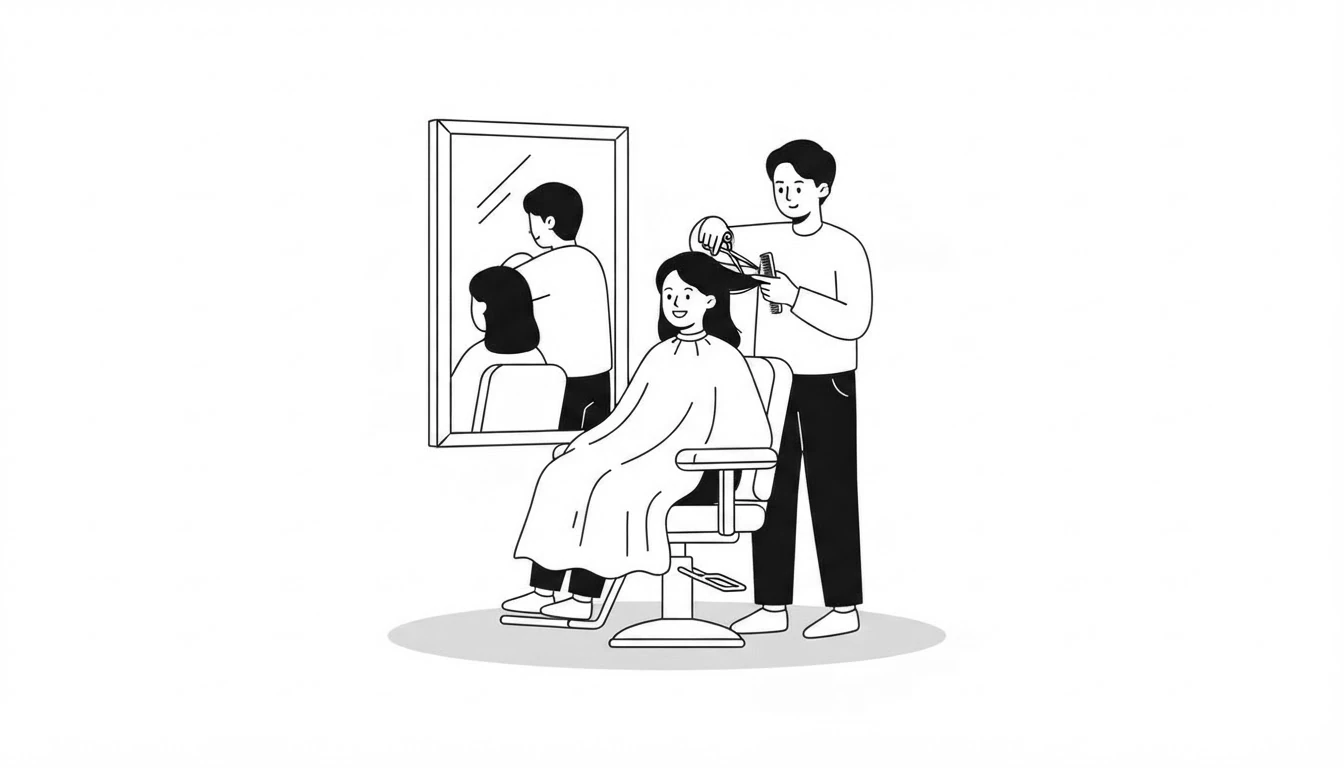
Hace poco fui a la peluquería y, al día siguiente, unos alumnos me dijeron: «Hey! You cut your hair!». Y yo les respondí: «No, I had my hair cut». Yo no me corté el pelo, me lo cortó el peluquero. Esa pequeña diferencia es exactamente lo que explica una estructura que a muchos estudiantes se les atraganta: el causative have, o have something done.
En español lo resolvemos con un «me he cortado el pelo» o «me han robado la cartera», sin darnos cuenta de que en la frase no se dice quién lo hace. En inglés, sin embargo, necesitas una estructura concreta, y si dices I cut my hair estás diciendo que lo hiciste tú. En esta guía te explico cómo se forma, los tres contextos en los que se usa, la diferencia con get, los errores más comunes, cómo te ayuda en los exámenes de Cambridge, un vídeo mío sobre el tema y treinta frases de ejercicios con soluciones. ¡Vamos allá! 🙂
Qué es el causative have
Usamos el causative have para hablar de algo que otra persona hace por nosotros (normalmente porque se lo hemos pedido o le hemos pagado), o de algo que nos ocurre y que hace otra persona. La estructura es siempre la misma:
have + algo + participio pasado (have something done)
Donde done es el participio pasado de un verbo transitivo. Fíjate en la diferencia con la frase normal:
| Lo hago yo | Lo hace otra persona | 🇪🇸 Significado |
|---|---|---|
| I cut my hair. | I had my hair cut. | Me corté el pelo (en la peluquería). |
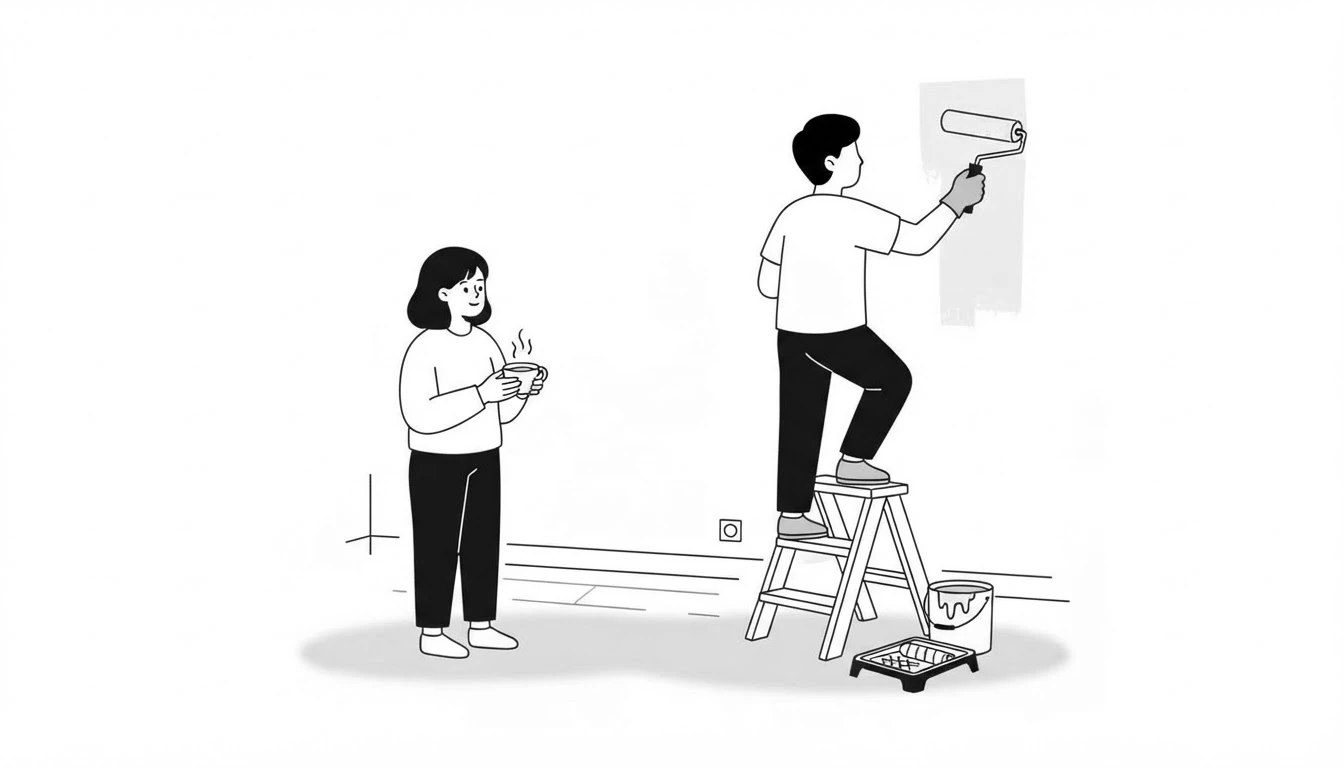
| She painted the house. | She had the house painted. | Hizo pintar la casa. |
| We clean the windows. | We have the windows cleaned. | Nos limpian las ventanas. |
Cómo se forma el causative have
El verbo have es el que cambia de tiempo y de forma; el participio pasado no cambia. Esta tabla te muestra la estructura en los tiempos más habituales:
| Tiempo | Ejemplo |
|---|---|
| Present simple | I have my car washed every month. |
| Present continuous | We’re having the kitchen redone. |
| Past simple | I had my house painted last month. |
| Present perfect | I’ve had my hair cut. |
| Futuro | I’m going to have my eyes tested. / I’ll have it repaired. |
| Con modales | You should have that checked by a doctor. |
| Infinitivo y -ing | I need to have it fixed. / Having your teeth cleaned is important. |
Para las negaciones y las preguntas, en este caso have no es un auxiliar, así que necesitas do o did:
- I didn’t have my windows cleaned.
- Did you have your house painted?
- Where do you have your car serviced?
Si quieres repasar cómo se forman los tiempos que aparecen en la tabla, tienes mi guía del present perfect simple. Y para no confundir este have con el have de posesión, mira mi post sobre have got y have.
Los 3 contextos del causative have
1. Cuando pedimos a alguien que haga algo por nosotros
Es el uso más habitual: contratamos un servicio o pedimos un favor.
- I had my house painted last month.
- I should go to the hairdresser’s to have my hair cut.
- I will probably get my passport renewed before the summer.
2. Cuando nos ocurre algo malo y lo hace otra persona
Aquí la estructura expresa algo desagradable que nos pasa, y no lo hemos pedido. El significado es pasivo: no hemos sido nosotros los que lo hemos hecho.
- She had her wallet stolen in the train station. (le robaron la cartera)
- I had my car destroyed by some punks the other night. (me destrozaron el coche)
3. Cuando tenemos un accidente del que somos responsables
En este caso solemos usar get, no have:
- I got my fingers trapped in the car door. (me pillé los dedos con la puerta del coche)
- He always gets his T-shirts stained with tomato sauce. (siempre se mancha las camisetas con tomate)
Have o get: ¿cuál uso?
Con el causative, have y get se pueden usar casi siempre indistintamente: I had my hair cut = I got my hair cut. La diferencia está en el registro y en el matiz:
| 🇬🇧 HAVE | 🇬🇧 GET | |
|---|---|---|
| Registro | más neutro y formal | más informal, muy habitual al hablar |
| Accidentes | posible, pero menos natural | preferido: I got my fingers trapped. |
| Tareas pendientes | I need to have my eyes tested. | I need to get my eyes tested. (sensación de que hay que hacerlo ya) |
Mi consejo: en un texto formal y en el examen, have es siempre seguro; en una conversación, get suena muy natural.
Have something done frente a have someone do something
Hay otra estructura parecida, pero con una diferencia: aquí sí se dice quién lo hace, y detrás del objeto va el infinitivo sin to:
| Estructura | Ejemplo |
|---|---|
| have + algo + participio | I had my brakes checked. |
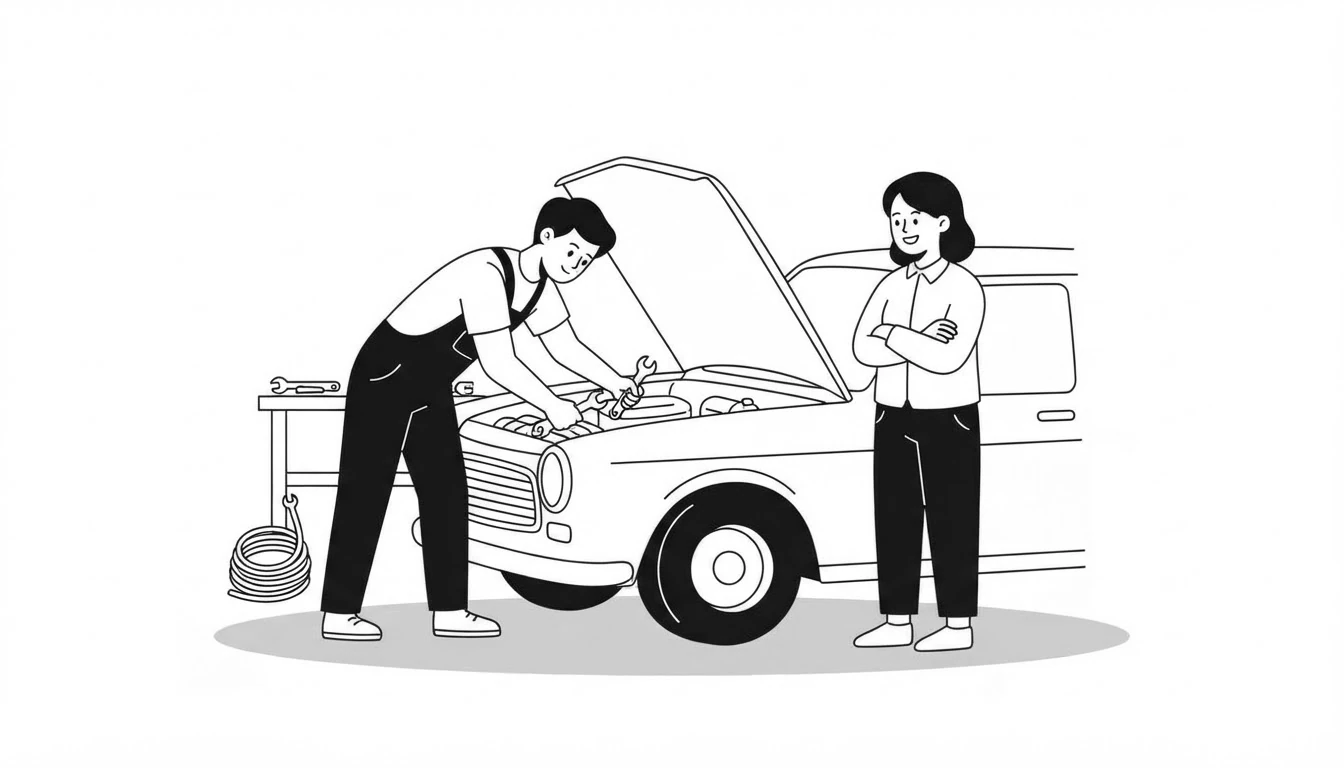
| have + alguien + infinitivo | I had the mechanic check my brakes. |
| get + alguien + to + infinitivo | I got the mechanic to check my brakes. |
Fíjate en que con get el infinitivo sí lleva to. Si quieres saber por qué have y make llevan el infinitivo sin to, lo tienes explicado en mi guía de gerundio o infinitivo en inglés. Y cuando quieres decir quién lo hizo con el participio, se añade con by: I had my car repaired by a specialist.
Errores comunes con el causative have
| ❌ Incorrecto | ✅ Correcto | Por qué |
|---|---|---|
| I cut my hair at the hairdresser’s. | I had my hair cut at the hairdresser’s. | Si lo hace el peluquero, necesitas have + participio. |
| I have repaired my phone at the shop. | I’ve had my phone repaired at the shop. | Es have + objeto + participio, no un present perfect normal. |
| She had stolen her wallet. | She had her wallet stolen. | El objeto va entre have y el participio. |
| I had my hair to cut. | I had my hair cut. | Detrás del objeto va el participio, no to + infinitivo. |
| Did you had your car washed? | Did you have your car washed? | Detrás de did, el verbo va en infinitivo. |
El causative have en los exámenes de Cambridge
Esta estructura es un clásico del Use of English de B2 First y C1 Advanced, sobre todo en la Part 4 (key word transformation), donde te piden reescribir una frase con la palabra clave HAD o GET. Por ejemplo:
- A mechanic repaired Tom’s car yesterday. HAD
Tom ______ yesterday. → had his car repaired - Someone stole my bike last week. HAD
I ______ last week. → had my bike stolen
En las dos hay que acordarse de dos cosas: que el objeto va entre have y el participio, y que el verbo principal pasa a participio pasado. También te sirve en Writing y Speaking: usarlo con naturalidad (I’m having my kitchen redone) es un rasgo de un nivel más avanzado.
Tabla resumen
| Uso | Ejemplo |
|---|---|
| Servicio o favor que pedimos | I had my house painted. |
| Algo malo que nos ocurre | She had her wallet stolen. |
| Accidente por nuestra culpa (get) | I got my fingers trapped. |
| Con get (informal) | I need to get my passport renewed. |
| Quién lo hace (have + alguien + infinitivo) | I had the mechanic check my brakes. |
¿Se puede omitir quién hace la acción?
Sí, y es lo habitual: I had my hair cut no dice quién, porque no importa. Solo lo mencionamos con by cuando es importante o sorprendente.
¿«I cut my hair» también vale?
Solo si de verdad te lo cortaste tú mismo. Si fuiste a la peluquería, es I had my hair cut.
¿Se puede usar en pasado, futuro y con modales?
Sí, en cualquier tiempo: lo que cambia es la forma de have. Mira la tabla de tiempos de más arriba.
Mira el vídeo: causative have y get
Esta explicación la grabé en vídeo hace muchos años, así que la calidad de la grabación y el estilo visual no se parecen a lo que hago ahora, pero lo que explica sigue siendo igual de válido. Si prefieres verlo y escucharlo, aquí lo tienes:
Vídeo: «Causative «have/get»», de KSE Academy.
Ejercicios de causative have
Treinta frases para comprobar que lo tienes claro. Aquí abajo tienes tres ejercicios interactivos que se corrigen solos, así que sabrás al momento qué tal lo has hecho.
Y si prefieres una versión en texto que puedas copiar y pegar, la tienes aquí abajo 👇
Exercise 1: choose the correct form
Choose the correct option to complete each sentence.
- I need to have my passport (renew / renewed) before the summer.
- She had her house (painting / painted) last month.
- We’re having a new kitchen (install / installed).
- Did you (have / had) your car serviced?
- I’m not good with computers, so I always (have / do) my laptop repaired at the shop.
- I got my fingers (trap / trapped) in the door.
- They (have had / had have) their windows cleaned twice this year.
- I didn’t (have / had) my phone repaired.
- She has just had her hair (dyed / dyeing).
- You should have your eyes (test / tested).
Ver respuestas
- renewed
- painted
- installed
- have
- have
- trapped
- have had
- have
- dyed
- tested
Exercise 2: complete the second sentence
Complete the second sentence so that it means the same as the first. Use have or get + something done, and write only the missing words.
- A hairdresser cut my hair yesterday.
I _______________ yesterday. - A decorator painted our house last year.
We _______________ last year. - A thief stole her bag on the train.
She _______________ on the train. - An optician is going to test my eyes tomorrow.
I’m going to _______________ tomorrow. - A mechanic repairs his car every year.
He _______________ every year. - Someone has cleaned our windows today.
We _______________ today. - A dentist took out his tooth last week.
He _______________ last week. - A plumber is fixing our sink at the moment.
We _______________ at the moment. - Someone broke into Tom’s car last night.
Tom _______________ last night. - Did a specialist check your laptop?
Did you _______________?
Ver respuestas
- had my hair cut / got my hair cut
- had our house painted / got our house painted
- had her bag stolen / got her bag stolen
- have my eyes tested / get my eyes tested
- has his car repaired / gets his car repaired
- have had our windows cleaned / ‘ve had our windows cleaned
- had his tooth taken out / got his tooth taken out
- are having our sink fixed / are getting our sink fixed
- had his car broken into / got his car broken into
- have your laptop checked / get your laptop checked
Exercise 3: correct or incorrect?
Decide whether each sentence is correct. If it is incorrect, rewrite it correctly.
- I had my car repaired yesterday.
- She has cut her hair at the hairdresser’s.
- We had the kitchen painted last month.
- Did you had your teeth checked?
- He had his wallet stolen on holiday.
- I’m going to have cut my hair tomorrow.
- They had their house to be painted.
- She got her fingers trapped in the door.
- I have repaired my phone at the shop.
- We need to get our boiler checked.
Ver respuestas
- Correct
- She has had her hair cut at the hairdresser’s.
- Correct
- Did you have your teeth checked?
- Correct
- I’m going to have my hair cut tomorrow.
- They had their house painted.
- Correct
- I have had my phone repaired at the shop.
- Correct
Conclusión
Resumiendo en tres ideas: el causative se forma con have + algo + participio pasado; se usa cuando otra persona hace algo por nosotros o cuando nos ocurre algo desagradable; y con get suena más informal y es el preferido en los accidentes. Si dudas, hazte esta pregunta: ¿lo he hecho yo o me lo han hecho? Si te lo han hecho, ya sabes qué estructura necesitas.
Si quieres seguir con estructuras de este tipo, mira mi guía de reporting verbs y la de verbos modales.
¿Te ha parecido útil este post? Compártelo con otros estudiantes y profesores de inglés. Y si quieres más contenido como este, suscríbete a mi newsletter y sígueme en Facebook, Twitter, Pinterest, Instagram y YouTube.
Nos vemos en el próximo post. Hasta entonces, don’t forget to keep smiling! 🙂
