
Table of contents
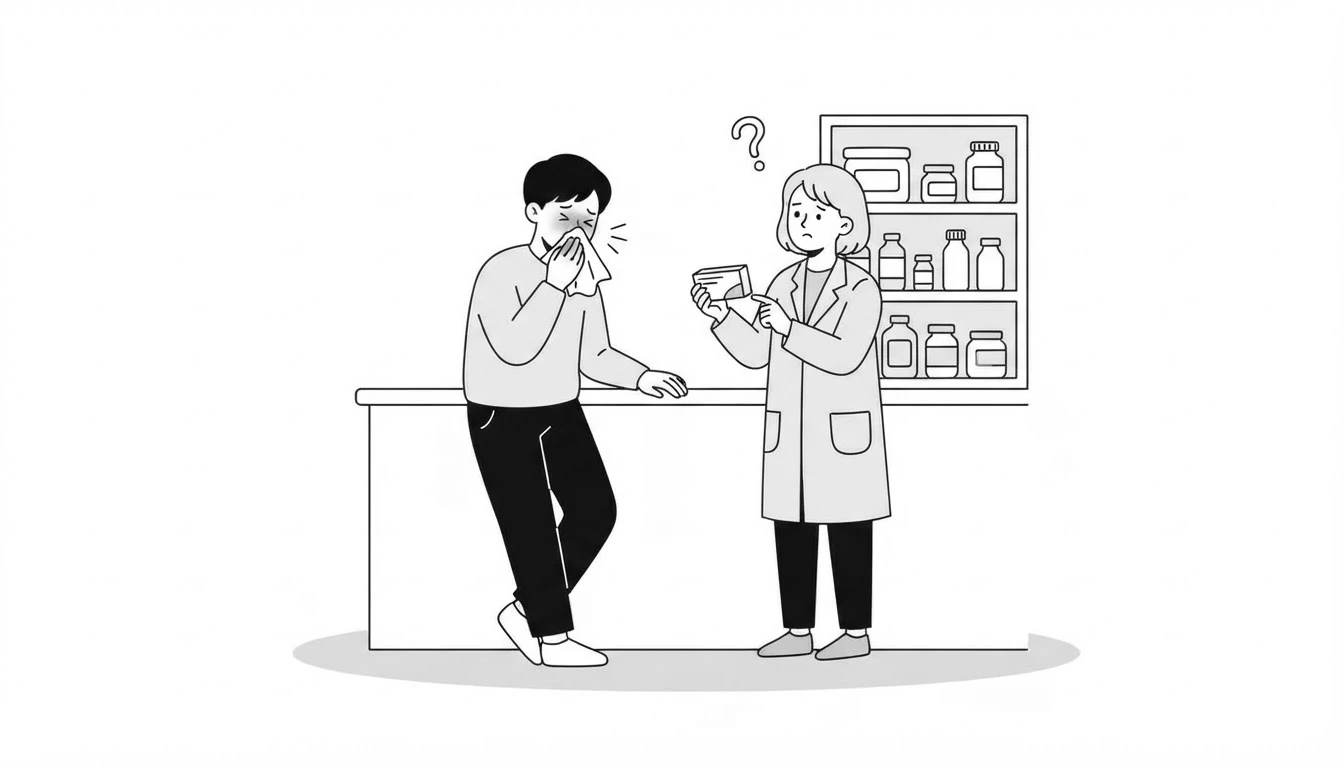
Imagine you are in London, you have a cold and you tell the pharmacist: «I’m constipated». You mean «estoy constipado» (you have a cold), but he understands that you are unable to go to the toilet, and he will give you something quite different. Or imagine you tell an English friend you are embarrassed meaning «estoy embarazada»: she will only understand that you feel ashamed. That is what false friends do: they are words that look so much like words in your own language that you trust them, and then they mean something completely different.
In this guide I explain what false friends are, give you a list of more than 60 grouped by topic with pronunciation and examples, a reverse table for when you know what you want to say in Spanish and don’t want to get it wrong in English, the true cognates that do help you, how to learn them without forgetting, how they affect the Cambridge exams and thirty sentences of exercises with answers. Let’s get started! 🙂
What are false friends?
For a word to be a false friend it has to meet two conditions: it must look the same as (or very similar to) a word in your language, and it must have a different meaning. For example, library looks like Spanish «librería», but it means «biblioteca».
There are two types you should tell apart:
- Total false friends: the meaning has nothing to do with it. Embarrassed = avergonzado, not «embarazada».
- Partial false friends: they share some meanings, but not all. Argument can be «argumento» (a line of reasoning), but it usually means «discusión» (a quarrel). Introduce can be «introducir» in some senses, but with people it means «presentar».
And a technical note: although they are sometimes used as synonyms, false friends and false cognates are not the same thing. False friends are words that look similar but have different meanings, and often share the same Latin origin (actual and «actual»). False cognates look related but do not actually have a common origin.
The 12 most famous false friends
If you are only going to learn a few, make it these. They are the ones that most often slip into conversations, written texts and exams:
| 🇬🇧 Word | Pronunciation | Meaning | 🇪🇸 Spanish look-alike |
|---|---|---|---|
| embarrassed | /ɪmˈbærəst/ | feeling ashamed or awkward | embarazada means «pregnant» |
| actually | /ˈæktʃuəli/ | in fact, really | actualmente means «currently, at the moment» |
| library | /ˈlaɪbrəri/ | a place where you borrow books | librería means «bookshop» |
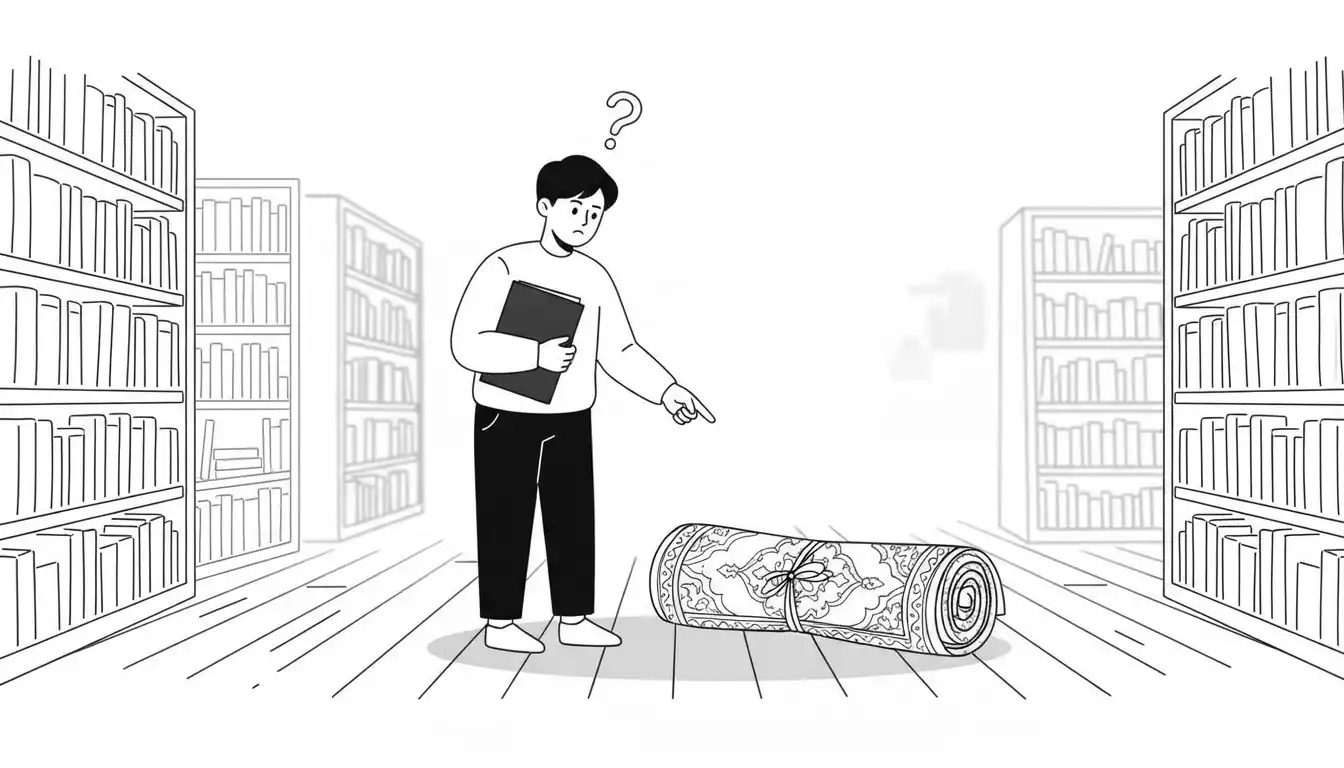
| carpet | /ˈkɑːpɪt/ | floor covering | carpeta means «folder» |
| constipated | /ˈkɒnstɪpeɪtɪd/ | unable to empty your bowels | constipado means «having a cold» |
| sensible | /ˈsensəbl/ | showing good judgement | sensible means «sensitive» |
| sympathetic | /ˌsɪmpəˈθetɪk/ | understanding of other people’s feelings | simpático means «nice, friendly» |
| eventually | /ɪˈventʃuəli/ | in the end | eventualmente means «possibly, occasionally» |
| assist | /əˈsɪst/ | to help | asistir means «attend» |
| realize | /ˈrɪəlaɪz/ | to understand suddenly | realizar means «carry out, do» |
| support | /səˈpɔːt/ | to help or back someone | soportar means «put up with, bear» |
| success | /səkˈses/ | achieving what you wanted | suceso means «event, incident» |
Full list of false friends by topic
Here are more than 60, grouped by topic so you can learn them in sets (grouping by semantic field helps memory, as I explain in my guide to how to memorise English vocabulary). Pronunciation is in British English IPA.
Feelings and people
| 🇬🇧 Word | Meaning | 🇪🇸 Spanish look-alike | Example |
|---|---|---|---|
| embarrassed /ɪmˈbærəst/ | feeling ashamed or awkward (in Spanish: avergonzado/a) | embarazada means «pregnant» in English | I was so embarrassed when I forgot her name. |
| sensible /ˈsensəbl/ | showing good judgement (in Spanish: sensato/a) | sensible means «sensitive» in English | It’s a sensible decision. |
| sympathetic /ˌsɪmpəˈθetɪk/ | understanding of other people’s feelings (in Spanish: comprensivo/a, compasivo/a) | simpático means «nice, friendly» in English | She was very sympathetic when I lost my job. |
| excited /ɪkˈsaɪtɪd/ | happy and full of anticipation (in Spanish: emocionado/a, ilusionado/a) | excitado means «agitated, worked up» in English | We’re excited about the trip. |
| disgust /dɪsˈɡʌst/ | a strong feeling of dislike (in Spanish: asco) | disgusto means «displeasure, upset» in English | The smell filled me with disgust. |
| deception /dɪˈsepʃn/ | tricking someone (in Spanish: engaño) | decepción means «disappointment» in English | The deception lasted for years. |
| stranger /ˈstreɪndʒə/ | someone you don’t know (in Spanish: desconocido/a) | extranjero means «foreigner» in English | Don’t talk to strangers. |
| mayor /meə/ | head of a city council (in Spanish: alcalde/sa) | mayor means «older, bigger» in English | The mayor opened the new library. |
| ordinary /ˈɔːdnri/ | normal, not special (in Spanish: normal, corriente) | ordinario means «vulgar, rude» in English | It was just an ordinary day. |
| rude /ruːd/ | impolite (in Spanish: grosero/a, maleducado/a) | rudo means «rough, harsh» in English | It’s rude to interrupt people. |
| ancient /ˈeɪnʃənt/ | from a very long time ago (in Spanish: antiguo/a) | anciano means «old man or woman» in English | We visited the ancient ruins. |
| conductor /kənˈdʌktə/ | person who directs an orchestra (in Spanish: director/a de orquesta; cobrador/a) | conductor means «driver» in English | The conductor raised his baton. |
| quiet /ˈkwaɪət/ | making little noise (in Spanish: tranquilo/a, callado/a) | quieto means «still, motionless» in English | Please be quiet in the library. |
Daily life and objects
| 🇬🇧 Word | Meaning | 🇪🇸 Spanish look-alike | Example |
|---|---|---|---|
| library /ˈlaɪbrəri/ | a place where you borrow books (in Spanish: biblioteca) | librería means «bookshop» in English | I borrowed three novels from the library. |
| carpet /ˈkɑːpɪt/ | floor covering (in Spanish: alfombra, moqueta) | carpeta means «folder» in English | We need a new carpet for the living room. |
| rope /rəʊp/ | thick cord (in Spanish: cuerda) | ropa means «clothes» in English | He tied the boat with a rope. |
| fabric /ˈfæbrɪk/ | cloth used to make clothes (in Spanish: tela) | fábrica means «factory» in English | This fabric is soft and light. |
| soap /səʊp/ | for washing (in Spanish: jabón) | sopa means «soup» in English | Wash your hands with soap. |
| jam /dʒæm/ | fruit spread (in Spanish: mermelada) | jamón means «ham» in English | I love bread with strawberry jam. |
| collar /ˈkɒlə/ | part of a shirt around the neck (in Spanish: cuello (de camisa); collar (de animal)) | collar means «necklace» in English | His shirt had a white collar. |
| vest /vest/ | underwear for the top half of the body (UK) (in Spanish: camiseta interior (UK); chaleco (US)) | vestido means «dress» in English | He wore a vest under his shirt. |
| exit /ˈeksɪt/ | the way out (in Spanish: salida) | éxito means «success» in English | The emergency exit is on the left. |
| parade /pəˈreɪd/ | a public procession (in Spanish: desfile) | parada means «stop» in English | Children watched the parade. |
| preservative /prɪˈzɜːvətɪv/ | a substance that keeps food fresh (in Spanish: conservante) | preservativo means «condom» in English | This juice has no preservatives. |
| parents /ˈpeərənts/ | mother and father (in Spanish: padres) | parientes means «relatives» in English | My parents live in Granada. |
| success /səkˈses/ | achieving what you wanted (in Spanish: éxito) | suceso means «event, incident» in English | The concert was a great success. |
Study and work
| 🇬🇧 Word | Meaning | 🇪🇸 Spanish look-alike | Example |
|---|---|---|---|
| lecture /ˈlektʃə/ | a talk given to a group (in Spanish: conferencia, clase magistral) | lectura means «reading» in English | The professor gave a lecture on history. |
| scholar /ˈskɒlə/ | an academic expert (in Spanish: erudito/a, becario/a) | escolar means «school (adj.)» in English | She is a well-known scholar. |
| resume /rɪˈzjuːm/ | to start again (in Spanish: reanudar) | resumir means «summarise» in English | The meeting will resume at 3 pm. |
| career /kəˈrɪə/ | your working life (in Spanish: trayectoria profesional) | carrera means «university degree» in English | She had a long career in journalism. |
| contest /ˈkɒntest/ | a competition (in Spanish: concurso, competición) | contestar means «answer» in English | He won a singing contest. |
| evidence /ˈevɪdəns/ | facts that show something is true (in Spanish: pruebas) | evidencia means «obvious fact» in English | There is no evidence against him. |
| argument /ˈɑːɡjumənt/ | an angry discussion; a reason (in Spanish: discusión; argumento (razonamiento)) | argumento means «plot (of a story)» in English | They had an argument about money. |
| assist /əˈsɪst/ | to help (in Spanish: ayudar) | asistir means «attend» in English | Can I assist you? |
| attend /əˈtend/ | to be present at (in Spanish: asistir a) | atender means «serve, look after» in English | Over 200 people attended the conference. |
| notice /ˈnəʊtɪs/ | to see; a written announcement (in Spanish: darse cuenta, fijarse; aviso) | noticia means «news» in English | I didn’t notice the mistake. |
| idiom /ˈɪdiəm/ | a fixed expression (in Spanish: modismo, expresión idiomática) | idioma means «language» in English | «Break a leg» is an idiom. |
| advertisement /ədˈvɜːtɪsmənt/ | a public announcement to sell something (in Spanish: anuncio) | advertencia means «warning» in English | I saw an advertisement for the job. |
Travel and leisure
| 🇬🇧 Word | Meaning | 🇪🇸 Spanish look-alike | Example |
|---|---|---|---|
| camp /kæmp/ | a place with tents (in Spanish: campamento; acampar) | campo means «countryside, field» in English | The kids went to a summer camp. |
| date /deɪt/ | a romantic meeting; a day (in Spanish: cita; fecha) | dato means «data, fact» in English | They have a date on Friday. |
| casualty /ˈkæʒuəlti/ | a person hurt in an accident (in Spanish: víctima; urgencias) | casualidad means «chance, coincidence» in English | There were no casualties in the fire. |
| introduce /ˌɪntrəˈdjuːs/ | to present people to each other (in Spanish: presentar (a alguien)) | introducir means «insert» in English | Let me introduce my sister. |
Verbs
| 🇬🇧 Word | Meaning | 🇪🇸 Spanish look-alike | Example |
|---|---|---|---|
| realize /ˈrɪəlaɪz/ | to understand suddenly (in Spanish: darse cuenta) | realizar means «carry out, do» in English | I realized I had forgotten my keys. |
| pretend /prɪˈtend/ | to act as if something is true (in Spanish: fingir) | pretender means «intend, want to» in English | He pretended to be asleep. |
| support /səˈpɔːt/ | to help or back someone (in Spanish: apoyar; mantener) | soportar means «put up with, bear» in English | My family always supports me. |
| remove /rɪˈmuːv/ | to take something away (in Spanish: quitar, retirar) | remover means «stir» in English | Please remove your shoes. |
| record /rɪˈkɔːd/ | to save sound or images (in Spanish: grabar) | recordar means «remember» in English | We recorded the interview. |
| assume /əˈsjuːm/ | to think something is true (in Spanish: suponer) | asumir means «take on, accept» in English | I assume you’ve already eaten. |
| demand /dɪˈmɑːnd/ | to ask for something firmly (in Spanish: exigir) | demandar means «sue» in English | They demanded an apology. |
| envy /ˈenvi/ | to want what someone else has (in Spanish: envidiar; envidia) | enviar means «send» in English | I envy your confidence. |
Adjectives and adverbs
| 🇬🇧 Word | Meaning | 🇪🇸 Spanish look-alike | Example |
|---|---|---|---|
| actually /ˈæktʃuəli/ | in fact, really (in Spanish: en realidad, de hecho) | actualmente means «currently, at the moment» in English | Actually, I don’t like pizza. |
| eventually /ɪˈventʃuəli/ | in the end (in Spanish: finalmente, al final) | eventualmente means «possibly, occasionally» in English | Eventually, we found the restaurant. |
| large /lɑːdʒ/ | big (in Spanish: grande) | largo means «long» in English | They live in a large house. |
| bland /blænd/ | with little taste (in Spanish: soso/a, insípido/a) | blando means «soft» in English | The soup was a bit bland. |
| terrific /təˈrɪfɪk/ | excellent (in Spanish: fantástico/a, estupendo/a) | terrorífico means «terrifying» in English | You did a terrific job! |
| bigoted /ˈbɪɡətɪd/ | having narrow and intolerant views (in Spanish: intolerante, fanático/a) | bigotudo means «with a big moustache» in English | He’s a bigoted man. |
| casual /ˈkæʒuəl/ | relaxed, not formal (in Spanish: informal) | casual means «accidental, by chance» in English | He wore casual clothes. |
| constipated /ˈkɒnstɪpeɪtɪd/ | unable to empty your bowels (in Spanish: estreñido/a) | constipado means «having a cold» in English | I feel constipated. |
| intoxicated /ɪnˈtɒksɪkeɪtɪd/ | drunk (in Spanish: ebrio/a) | intoxicado means «poisoned» in English | He was arrested for driving while intoxicated. |
| injury /ˈɪndʒəri/ | physical harm (in Spanish: lesión, herida) | injuria means «insult» in English | He missed the match with an injury. |
| complexion /kəmˈplekʃn/ | the natural colour of your face (in Spanish: tez, cutis) | complexión means «build, physique» in English | She has a very fair complexion. |
| billion /ˈbɪljən/ | 1,000,000,000 (in Spanish: mil millones) | billón means «a million million (a trillion)» in English | A billion is a thousand million. |
From Spanish to English: how to say what you meant to say
Most lists tell you what the English word means, but when you are speaking the opposite happens: you know what you want to say in Spanish and don’t know which word to use. This table is made for that:
| If you mean… (Spanish) | 🇬🇧 Say… (English) | And don’t say… |
|---|---|---|
| actualmente | currently, at the moment, nowadays | actually (it means something else) |
| asistir (a una clase o reunión) | attend | assist (it means something else) |
| atender (a un cliente) | serve, look after | attend (it means something else) |
| carpeta | folder | carpet (it means something else) |
| librería | bookshop (UK), bookstore (US) | library (it means something else) |
| embarazada | pregnant | embarrassed (it means something else) |
| sensible | sensitive | sensible (it means something else) |
| suceso | event, incident | success (it means something else) |
| realizar | carry out, do, make | realize (it means something else) |
| pretender | intend, want to, try to | pretend (it means something else) |
| soportar | put up with, stand | support (it means something else) |
| constipado | to have a cold | constipated (it means something else) |
| éxito | success | exit (it means something else) |
| lectura | reading | lecture (it means something else) |
| carrera (universitaria) | degree | career (it means something else) |
| noticia | news | notice (it means something else) |
| recordar | remember | record (it means something else) |
| remover | stir | remove (it means something else) |
| contestar | answer | contest (it means something else) |
| enviar | send | envy (it means something else) |
| parientes | relatives | parents (it means something else) |
| sopa | soup | soap (it means something else) |
| jamón | ham | jam (it means something else) |
| preservativo | condom | preservative (it means something else) |
Notice that sometimes there is more than one option: currently, at the moment and nowadays all work for «actualmente», with slight differences. If you want to know how to ask for help when you don’t know the word, see my guide to how to ask about new words in English.
The good news: true cognates
It isn’t all traps. English and Spanish share thousands of words that do mean the same (hotel, restaurant, important, family, music), called true cognates. And there are patterns in word endings that let you «invent» English words with a fair chance of success:
| Spanish | 🇬🇧 English | Examples |
|---|---|---|
| -ción | -tion | información → information, nación → nation |
| -sión | -sion | decisión → decision, televisión → television |
| -dad | -ty | universidad → university, ciudad → city |
| -oso / -osa | -ous | famoso → famous, curioso → curious |
| -ico / -ica | -ic / -ical | fantástico → fantastic, histórico → historical |
| -ismo | -ism | turismo → tourism, optimismo → optimism |
| -ista | -ist | artista → artist, turista → tourist |
| -mente | -ly | probablemente → probably, finalmente → finally |
| -ar (verbos) | -ate / -ize | celebrar → celebrate, organizar → organize |
| -able / -ible | -able / -ible | posible → possible, responsable → responsible |
Of course, there are always exceptions: the pronunciation changes (look at important /ɪmˈpɔːtnt/), and sometimes the pattern leads you to a false friend, such as Spanish «actual» → actual (real, genuine). My advice is to use the patterns to guess, but to check the word if it matters.
Embarrassing situations that can happen to you
False friends are an endless source of anecdotes. These are six classic examples, always from the point of view of someone thinking in Spanish:
- Wanting to say «estoy embarazada» and saying I’m embarrassed: what you have said is that you feel ashamed. The correct phrase is I’m pregnant.
- Wanting to say «estoy constipado» and saying I’m constipated at the pharmacy: you will be given something for your stomach, not your nose. The correct phrase is I’ve got a cold.
- Wanting to say «te voy a enviar una postal cada mes» and saying I’ll envy you a postcard every month: what you have said is that you will envy them every month. The correct word is send.
- Wanting to say that a film is scary («terrorífica») and saying it is terrific: you have said it is wonderful. The correct word is terrifying.
- Wanting to say that someone has a nice moustache («bigotudo») and saying they are bigoted: you have just called them intolerant. The correct phrase is He has a big moustache.
- Wanting to say «por casualidad» and saying by casualty: a casualty is a victim. The correct phrase is by chance.
How to learn false friends and avoid the trap
- Learn the word inside a sentence, not on its own. Actually, I don’t like pizza sticks much better than «actually = en realidad».
- Note down each false friend with its contrast. Write both sides: library = biblioteca / librería = bookshop.
- Use spaced repetition flashcards for the ones that slip away most, following the schedule in my guide to memorising vocabulary.
- Be wary of words that look too similar. If an English word looks identical to a Spanish one and you have never seen what it means, check it in a dictionary before using it.
- Read and listen to authentic English. Seeing real context is what best teaches you when a word does not mean what you think.
- When in doubt, ask. A question like «Does «actually» mean «currently»?» saves you a misunderstanding.
False friends in the Cambridge exams
False friends are one of the most common causes of vocabulary mistakes for Spanish speakers in the B2 First and C1 Advanced exams. They show up in two ways:
- In Use of English (Part 1, multiple-choice cloze): the options are often words with close meanings, and choosing the one that «sounds Spanish» (assist instead of attend, for example) is a typical trap.
- In Writing and Speaking: a wrongly chosen word reduces the precision of your vocabulary, even if the sentence is grammatically correct. These are very typical mistakes and their corrections:
| ❌ Typical mistake | ✅ Correction |
|---|---|
| Actually, I work in a bank. (you mean «currently») | Currently, I work in a bank. |
| I assisted the conference. | I attended the conference. |
| We realized a survey. | We carried out a survey. |
| I can’t support the noise. | I can’t stand the noise. |
| I put the papers in a blue carpet. | I put the papers in a blue folder. |
Frequently asked questions
What is the most dangerous false friend?
It depends on who you ask, but actually and embarrassed are the ones you hear most. Actually is the most common in everyday life, because you use it without noticing every time you want to say «actualmente».
What is the difference between «false friends» and «false cognates»?
False friends look alike and have different meanings (although they often share an origin); false cognates look related but are not. In practice, for learning English they are used as synonyms.
Are all false friends equally serious?
No. Some just sound odd (large instead of «largo») and others change the meaning completely and can be embarrassing (preservative, embarrassed, constipated).
Is there a list of false friends as a PDF?
Yes: you can download this post as a PDF to take the list with you.
False friends exercises
Thirty sentences to check that you’ve got it. Below you have three interactive exercises that mark themselves, so you will know straight away how you did.
And if you prefer a version in text that you can copy and paste, you have it down here 👇
Exercise 1: choose the correct word
Choose the correct word to complete each sentence.
- She felt (embarrassed / pregnant) when she tripped in front of everyone.
- I want to buy a novel. Is there a (library / bookshop) near here?
- (Actually / Currently), I’m living in Granada, but I’m moving next year.
- «Do you like football?» «(Actually / Currently), I don’t. I prefer basketball.»
- I’m going to (attend / assist) a conference on Friday.
- Put the documents in this blue (folder / carpet).
- He cries at every film. He’s very (sensitive / sensible).
- My son is very (sensible / sensitive): he never takes risks and always thinks before acting.
- The company has had great (success / exit) this year.
- We need some (rope / clothes) to tie the boat.
Show answers
- embarrassed
- bookshop
- Currently
- Actually
- attend
- folder
- sensitive
- sensible
- success
- rope
Exercise 2: find the word
Write the English word that matches each definition. It is not the Spanish look-alike!
- A place where you can borrow books: a _______________.
- To suddenly understand something: to _______________.
- A soft covering for the floor of a room: a _______________.
- To act as if something is true when it isn’t: to _______________.
- The way out of a building: the _______________.
- To be present at a meeting or a class: to _______________.
- Your mother and father: your _______________.
- Material used to make clothes: _______________.
- Something you use to wash your hands: _______________.
- To save sound or video: to _______________.
Show answers
- library
- realize
- carpet
- pretend
- exit
- attend
- parents
- fabric
- soap
- record
Exercise 3: correct or incorrect?
Decide whether each sentence is correct. If it is incorrect, rewrite it correctly.
- Actually, I work in a bank, but I’m looking for a new job.
- I’m going to assist the meeting tomorrow.
- She is very sympathetic: she always listens to her friends.
- We need to realize a survey about this topic.
- He pretended to be asleep when his mother came in.
- I put the documents in a blue carpet.
- Eventually, we found the restaurant after an hour of walking.
- All my parents came to my wedding: uncles, aunts and cousins.
- I bought this novel in the library on the corner.
- The concert was a great success.
Show answers
- Currently, I work in a bank, but I’m looking for a new job.
- I’m going to attend the meeting tomorrow.
- Correct
- We need to carry out a survey about this topic.
- Correct
- I put the documents in a blue folder.
- Correct
- All my relatives came to my wedding: uncles, aunts and cousins.
- I bought this novel in the bookshop on the corner.
- Correct
Conclusion
To sum up in three ideas: a false friend looks like a Spanish word but means something else, and it is learnt inside a sentence and with its contrast; the reverse table (if you want to say «actualmente», say currently) is your best ally when speaking; and true cognates (-tion, -ty, -ous…) are a great help, as long as you check the exceptions.
If you want to carry on with vocabulary, have a look at my posts on school vocabulary and social media and the internet, and also my posts on win and beat and say and tell, other pairs that get confused.
Did you find this post useful? Share it with other students and English teachers. And if you want more content like this, subscribe to my newsletter and follow me on Facebook, Twitter, Pinterest, Instagram and YouTube.
See you in the next post. Until then, don’t forget to keep smiling! 🙂
