
Table of contents
If someone has ever asked you How are you? in English and you’ve answered fine, thanks on autopilot, even though you were exhausted, nervous or over the moon, you’re not alone. Almost all my students do the same: they know happy, sad and angry, and that’s where the list ends. Which is fine until the Speaking exam comes along and you have to explain how you felt on your first day at secondary school, or what really gets on your nerves.
On top of that, talking about emotions in English has a few traps. If you speak Spanish, embarrassed looks like «embarazada» (which means pregnant), a sensible person isn’t a «sensible» person, and being bored is not the same as being boring (you might want to avoid the second one on a first date 😅).
Don’t worry, because in this post I’ll make it easy for you. You’ll find emotions and feelings in English grouped into families (happiness, sadness, anger, fear, surprise, love and others) with their pronunciation, how to get from the noun to the adjective, -ed and -ing adjectives, extreme adjectives like furious and terrified, the prepositions they take, the most dangerous false friends, how to use the verb feel properly, the most useful idioms, the typical mistakes Spanish speakers make, how to make the most of all this in the Cambridge exams and, at the end, exercises with answers.
Let’s get started! 🙂
Emotions and feelings in English: basic vocabulary
Before we get to the lists, here are a few general words you’ll need all the time:
| 🇬🇧 English | Pronunciation | 🇪🇸 Spanish |
|---|---|---|
| emotion | /ɪˈməʊʃn/ | emoción |
| feeling | /ˈfiːlɪŋ/ | sentimiento, sensación |
| mood | /muːd/ | estado de ánimo, humor |
| to feel | /fiːl/ | sentir, sentirse |
| to express | /ɪkˈspres/ | expresar |
| to hide | /haɪd/ | ocultar, esconder |
| to cry | /kraɪ/ | llorar |
| to laugh | /lɑːf/ | reír |
| to smile | /smaɪl/ | sonreír |
Is there a difference between an emotion and a feeling? In everyday English they’re used almost as synonyms, but if you want to be precise, an emotion is a strong and often short reaction (the fear you feel when you see a spider), whereas a feeling is more general and can last longer (your affection for a friend). And keep an eye on mood: it comes up all the time in phrases like I’m in a good mood or She’s in a bad mood today.
How to ask and say how you feel
To ask, the most natural options are How are you feeling? or How do you feel?, and for something more specific, What’s wrong? or Are you OK?. To answer, you have two basic structures:
- be + adjective: I’m happy. / She’s really nervous.
- feel + adjective: I feel tired. / We felt disappointed.
And if you’re tired of always saying fine, thanks, I’ve got a whole post on alternatives to How are you? and how to answer naturally.
The basic emotions in English
Psychologists usually talk about six basic emotions. If you’ve ever seen Inside Out, most of them will ring a bell:
| 🇬🇧 English | Pronunciation | 🇪🇸 Spanish |
|---|---|---|
| happy | /ˈhæpi/ | feliz, contento |
| sad | /sæd/ | triste |
| angry | /ˈæŋɡri/ | enfadado |
| scared / afraid | /skeəd/ /əˈfreɪd/ | asustado, con miedo |
| surprised | /səˈpraɪzd/ | sorprendido |
| disgusted | /dɪsˈɡʌstɪd/ | asqueado |
A quick note on afraid: it hardly ever goes before a noun. We say The child is afraid, but not an afraid child; for that we use a frightened child or a scared child.
Emotions and feelings vocabulary by family
Six words won’t get you very far, so let’s build on them. I’ve grouped them into families, because that makes them much easier to memorise (and trust me, I’ve seen plenty of alphabetical lists that nobody ever learns).
Happiness and joy
| 🇬🇧 English | Pronunciation | 🇪🇸 Spanish |
|---|---|---|
| glad | /ɡlæd/ | contento, que se alegra de algo |
| pleased | /pliːzd/ | contento, satisfecho |
| cheerful | /ˈtʃɪəfl/ | alegre, animado |
| excited | /ɪkˈsaɪtɪd/ | ilusionado, emocionado |
| delighted | /dɪˈlaɪtɪd/ | encantado |
| thrilled | /θrɪld/ | entusiasmado, emocionadísimo |
| relaxed | /rɪˈlækst/ | relajado |
| grateful | /ˈɡreɪtfl/ | agradecido |
| hopeful | /ˈhəʊpfl/ | esperanzado |
Glad almost always comes after the verb and usually refers to something specific: I’m glad you came. And excited is the word you need when you’re looking forward to something: I’m so excited about the holidays!
Sadness
| 🇬🇧 English | Pronunciation | 🇪🇸 Spanish |
|---|---|---|
| unhappy | /ʌnˈhæpi/ | infeliz, descontento |
| upset | /ʌpˈset/ | disgustado, afectado, alterado |
| down | /daʊn/ | de bajón, decaído |
| disappointed | /ˌdɪsəˈpɔɪntɪd/ | decepcionado |
| miserable | /ˈmɪzrəbl/ | muy triste, hecho polvo |
| depressed | /dɪˈprest/ | deprimido |
| heartbroken | /ˈhɑːtbrəʊkən/ | con el corazón roto, destrozado |
| lonely | /ˈləʊnli/ | solo (que se siente solo) |
| homesick | /ˈhəʊmsɪk/ | que echa de menos su casa |
Two things to watch out for. Upset is very British and very useful: it’s that mix of sadness and hurt when something has got to you (She was upset because nobody remembered her birthday). And lonely isn’t the same as alone: alone means there’s nobody with you, whereas lonely means you feel alone, even if you’re surrounded by people.
Anger
| 🇬🇧 English | Pronunciation | 🇪🇸 Spanish |
|---|---|---|
| annoyed | /əˈnɔɪd/ | molesto, mosqueado |
| irritated | /ˈɪrɪteɪtɪd/ | irritado |
| cross | /krɒs/ | enfadado (informal, British) |
| frustrated | /frʌˈstreɪtɪd/ | frustrado |
| fed up | /ˌfed ˈʌp/ | harto |
| furious | /ˈfjʊəriəs/ | furioso |
Notice the scale: annoyed is mild (someone chewing gum next to you at the cinema), angry is your standard anger and furious is the scary kind. Choosing the right word for the right intensity is exactly what separates a B1 candidate from an A2 one.
Fear and nerves
| 🇬🇧 English | Pronunciation | 🇪🇸 Spanish |
|---|---|---|
| frightened | /ˈfraɪtnd/ | asustado |
| terrified | /ˈterɪfaɪd/ | aterrorizado |
| nervous | /ˈnɜːvəs/ | nervioso |
| worried | /ˈwʌrid/ | preocupado |
| anxious | /ˈæŋkʃəs/ | inquieto, con ansiedad |
| stressed | /strest/ | estresado |
| tense | /tens/ | tenso |
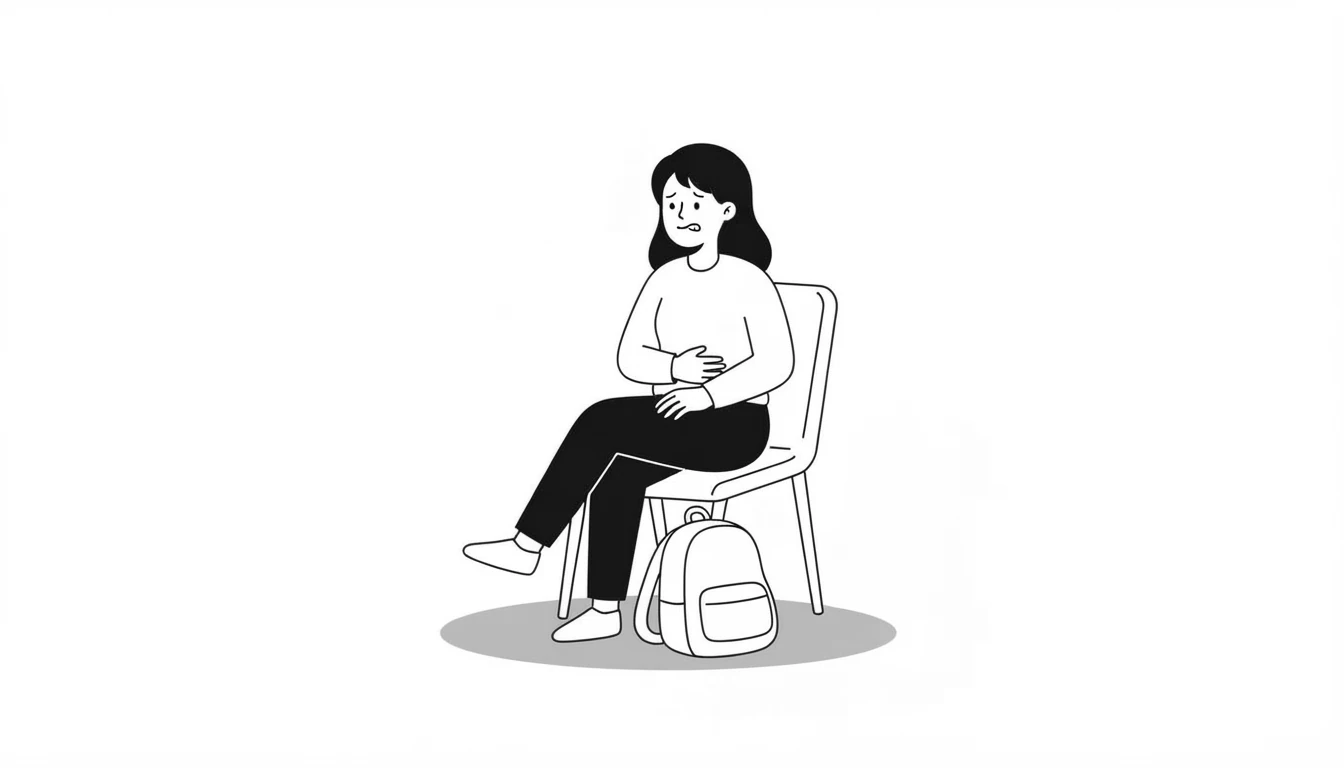
A classic in exams: you’re nervous about something that’s going to happen (I’m nervous about my driving test), but worried because something might go wrong (I’m worried about my grandmother; she’s ill). And the pronunciation of worried is tricky: it rhymes with hurried, /ˈwʌrid/.
Surprise
| 🇬🇧 English | Pronunciation | 🇪🇸 Spanish |
|---|---|---|
| amazed | /əˈmeɪzd/ | asombrado, alucinado |
| astonished | /əˈstɒnɪʃt/ | atónito, pasmado |
| shocked | /ʃɒkt/ | conmocionado, en shock |
| confused | /kənˈfjuːzd/ | confundido, desconcertado |
| curious | /ˈkjʊəriəs/ | curioso, con curiosidad |
Amazed is usually a positive surprise (I was amazed by the view), and shocked a negative one (We were shocked by the news).
Love and affection
| 🇬🇧 English | Pronunciation | 🇪🇸 Spanish |
|---|---|---|
| in love (with) | /ɪn ˈlʌv/ | enamorado (de) |
| fond of | /ˈfɒnd əv/ | que le tiene cariño a |
| attracted to | /əˈtræktɪd tə/ | atraído por |
| moved | /muːvd/ | conmovido, emocionado |
| touched | /tʌtʃt/ | conmovido (por un detalle) |
| caring | /ˈkeərɪŋ/ | cariñoso, atento |
Careful with in love: the preposition is with, not of. She’s in love with her best friend.
Other feelings
| 🇬🇧 English | Pronunciation | 🇪🇸 Spanish |
|---|---|---|
| proud | /praʊd/ | orgulloso |
| embarrassed | /ɪmˈbærəst/ | avergonzado, con vergüenza |
| ashamed | /əˈʃeɪmd/ | avergonzado (por algo malo que has hecho) |
| guilty | /ˈɡɪlti/ | culpable |
| jealous | /ˈdʒeləs/ | celoso |
| envious | /ˈenviəs/ | envidioso |
| relieved | /rɪˈliːvd/ | aliviado |
| bored | /bɔːd/ | aburrido |
| shy | /ʃaɪ/ | tímido |
| confident | /ˈkɒnfɪdənt/ | seguro de ti mismo |
The difference between embarrassed and ashamed matters: you’re embarrassed after an awkward moment (you trip over in front of everyone), but ashamed when you’ve done something wrong (you’ve lied to your best friend). And if you want to describe what someone is like all the time (shy, confident, generous…), that’s really personality, which you’ll find in my post on personality adjectives in English.
From noun to adjective
You often know the adjective but not the noun, or the other way round. This table will help, especially for Writing and for word formation in Use of English:
| 🇬🇧 Noun | 🇬🇧 Adjective | 🇪🇸 Spanish |
|---|---|---|
| happiness | happy | felicidad, feliz |
| sadness | sad | tristeza, triste |
| anger | angry | enfado, enfadado |
| fear | afraid, frightened | miedo, asustado |
| joy | joyful | alegría, alegre |
| pride | proud | orgullo, orgulloso |
| jealousy | jealous | celos, celoso |
| loneliness | lonely | soledad, solo |
| boredom | bored | aburrimiento, aburrido |
| anxiety | anxious | ansiedad, inquieto |
| relief | relieved | alivio, aliviado |
| embarrassment | embarrassed | vergüenza, avergonzado |
Watch out for the ones that change more than you’d expect: pride and proud, anger and angry and, above all, fear and afraid, which look nothing alike.
-ed and -ing adjectives: bored or boring
This is probably the most common mistake when talking about emotions. The quick rule:
- -ed describes how you feel: I’m bored.
- -ing describes what causes the feeling: The film is boring.
So if you say I’m boring, you’re telling everyone you’re a boring person, not that you’re bored. The same goes for excited/exciting, interested/interesting, tired/tiring, frightened/frightening and embarrassed/embarrassing. You’ll find all the pairs, with tips and exercises, in my post on -ed and -ing adjectives.
Extreme adjectives: very angry or absolutely furious
Extreme adjectives are the turbocharged version of normal ones. And they have a rule that examiners notice straight away: they don’t go with very, but with absolutely, totally or really.
| 🇬🇧 Normal (very…) | 🇬🇧 Extreme (absolutely…) | 🇪🇸 Spanish |
|---|---|---|
| very angry | absolutely furious | furioso |
| very scared | absolutely terrified | aterrorizado |
| very happy, very pleased | absolutely delighted, thrilled | encantado |
| very surprised | absolutely amazed, astonished | alucinado, atónito |
| very sad | absolutely heartbroken, devastated | destrozado |
| very tired | absolutely exhausted | agotado |
So no very furious and no very terrified. And it works the other way too: absolutely angry sounds odd. Your safe bet is really, which works with both: really angry and really furious are both fine.
Emotions with prepositions
Lots of emotion adjectives take a fixed preposition, and it’s rarely the one a Spanish speaker would guess. These are the ones you’ll use most:
- afraid / scared / frightened of: I’m afraid of the dark.
- proud of: My parents are proud of me.
- angry / annoyed with (a person) and angry / annoyed about (a situation): She’s angry with her brother about the mess.
- worried / excited / nervous about: I’m worried about the exam.
- disappointed with or in (a person) and disappointed with or by (something): I was disappointed with the hotel.
- fed up with: I’m fed up with this weather.
- jealous of: He’s jealous of his sister.
- keen on / fond of: I’m not very keen on horror films.
You’ll also hear angry at someone, especially in American English, but in a Cambridge exam angry with is the safest choice. You’ll find the full list in my post on adjectives with prepositions.
False friends for Spanish speakers
This is where many Spanish speakers come unstuck, sometimes with hilarious results:
- embarrassed means «avergonzado», not «embarazada» (which is pregnant). More than one student has announced I’m embarrassed in class when what they actually meant was that they were expecting a baby, which leads to some very confused faces.
- sensible means «sensato». The Spanish word «sensible» is sensitive in English: She’s very sensitive; she cries at every film.
- excited in everyday English means «ilusionado» or «emocionado», not «excitado» in the sense you might be thinking of 😉.
- «emocionado» in Spanish has two meanings: if it’s anticipation, it’s excited; if something has touched your heart, it’s moved or touched. And an emotional person is someone who gets emotional easily; something «emocionante» is exciting.
- molest doesn’t mean «molestar» (which is bother or annoy). It means something very serious: to abuse someone sexually. Never use it to say something bothers you.
There are plenty more, and you’ll find them all in my post on Spanish and English false friends.
How to use the verb feel
Feel is the star verb for talking about emotions, but there are a few details worth getting clear:
- feel + adjective, with no reflexive pronoun: I feel tired, never I feel me tired. Spanish says «me siento», but English doesn’t need the «me».
- feel like + noun or -ing verb, to say you fancy something: I feel like a pizza / I don’t feel like going out tonight. Never feel like to go.
- feel like + clause, to say how something seems to you: I feel like nobody listens to me.
- I feel good or I feel well: good is about your mood and well is about your health (I don’t feel well; I think I’ve got a cold).
One more thing: feel is a stative verb when it means «think» or «believe» (I feel that you’re right), but when we talk about how we feel, the continuous is perfectly fine: How are you feeling today? If that sounds like double Dutch, I explain it in my post on stative verbs.
Idioms for talking about emotions
Idioms are the icing on the cake. Use one or two in the right place in the Speaking and watch the examiner’s face:
| 🇬🇧 Idiom | 🇪🇸 Spanish meaning |
|---|---|
| over the moon | loco de contento |
| on cloud nine | en una nube, feliz |
| down in the dumps | de bajón, depre |
| feel blue | estar triste |
| fed up (with) | harto (de) |
| see red | ponerse hecho una furia |
| drive someone mad | volver loco a alguien, sacarle de quicio |
| green with envy | muerto de envidia |
| have butterflies in your stomach | tener un nudo en el estómago, estar nervioso |
| scared stiff | muerto de miedo |
| at the end of your tether | al límite, sin paciencia |
| a lump in your throat | un nudo en la garganta (de emoción) |

Some of these use colours, like feel blue and green with envy; if you like them, I’ve got a whole post on colour idioms. And if you want more, have a look at the most common idioms in English.
Typical mistakes Spanish speakers make
| ❌ Incorrect | ✅ Correct | Why |
|---|---|---|
| I’m boring today. | I’m bored today. | How you feel takes -ed. |
| I feel me nervous. | I feel nervous. | Feel has no reflexive pronoun. |
| I’m very furious. | I’m absolutely furious. | Extreme adjectives don’t go with very. |
| She’s afraid to spiders. | She’s afraid of spiders. | Afraid takes of. |
| I’m worried for the exam. | I’m worried about the exam. | Worried takes about. |
| I don’t feel like to go out. | I don’t feel like going out. | Feel like takes -ing. |
| He’s very sensible, he cries a lot. | He’s very sensitive; he cries a lot. | «Sensible» in Spanish is sensitive. |
| She’s in love of him. | She’s in love with him. | In love takes with. |
Emotions in the Cambridge exams
In my experience as an exam trainer, being able to express emotions precisely is one of the things that most boosts your vocabulary marks at B1 Preliminary and B2 First. These are the moments you’ll need it:
- Speaking: in Part 1 of the B1 Preliminary Speaking you might be asked what makes you happy or how you feel before an exam. And when you describe photos, saying how the people seem to feel (She looks a bit nervous, They seem really relaxed) is pure gold.
- Writing: in the B1 story (see the B1 Writing guide), the characters’ feelings are what bring the text to life. In the B2 Writing, in emails, articles and reviews, an I was absolutely delighted or an I was rather disappointed with makes all the difference compared with a plain good or bad.
- Use of English: in B2 word formation, noun and adjective pairs come up all the time (anxiety, embarrassment, disappointed), and in the open cloze, the prepositions do (proud of, worried about).
Typical Speaking questions
- What makes you happy?
- How do you feel before an exam?
- What do you do when you feel stressed?
- Tell me about a time when you felt really proud.
Sample Speaking answer
Here’s an answer to How do you feel before an exam? written to simulate a B1 level, without reaching B2:
To be honest, I usually feel quite nervous before an exam, especially if it’s an important one. The night before, I’m often worried that I’m going to forget everything, so I can’t sleep very well. But when the exam starts, I feel more relaxed because I’m concentrating on the questions. And when it finishes, I feel really relieved! I think a little bit of stress is good, because it helps me to study more.
Here’s why it works: it uses several different emotion adjectives instead of repeating nervous (worried, relaxed, relieved), grades them with quite and really, gives reasons with because and so, and finishes with a personal opinion (I think…). For B1, that’s spot on. A B2 answer would go a step further with an idiom (I get butterflies in my stomach) or a more complex structure, for example If I’ve prepared well, I don’t feel as anxious.
Tips for learning emotions vocabulary
- Learn them by intensity: annoyed, angry, furious; pleased, happy, delighted. That way you’ll pick exactly the right word every time.
- Learn them with their preposition from day one: don’t memorise proud, memorise proud of.
- Keep a diary in English for a week and write two lines a day about how you’ve felt. It’s the quickest way to make the vocabulary stick.
- Pay attention to TV series: characters talk about how they feel all the time. When you hear a new adjective, write it down with the whole sentence.
- Describe photos of people, saying how you think they feel. It’s exactly what you’ll be asked to do in the Speaking.
Frequently asked questions about emotions in English
What’s the difference between nervous and worried?
Nervous is the feeling before something that’s going to happen (an exam, an interview), and worried is the concern that something might go wrong (someone’s health, money).
What’s the difference between jealous and envious?
Envious means wanting what someone else has. Jealous is used for that too, but it’s also the fear of losing someone: He gets jealous when his girlfriend talks to other boys.
What’s the difference between embarrassed and ashamed?
You feel embarrassed in an awkward or silly situation, and ashamed when you’ve done something morally wrong.
Is it angry with or angry at?
Both are used, but angry with a person is the most common choice in British English and the safest one in a Cambridge exam. For a situation, use angry about.
Do you say I feel good or I feel well?
Both are correct, but they don’t mean the same thing. I feel good is about your mood (I’m happy, I feel good about myself) and I feel well is about your health (I’m not ill).
Can I say very delighted?
It’s best not to. Delighted is already an extreme adjective, so use absolutely delighted or really delighted instead.
Emotions and feelings exercises
Time to practise. Below you have three interactive exercises that mark themselves, so you’ll know straight away how you’ve done. Try to do them without looking back at the post.
And if you’d like these exercises as text to copy, paste or adapt for your classes, here they are below with the answers 👇
Exercise 1: choose the correct option
Choose the correct option to complete each sentence.
- The film was so (bored / boring) that I fell asleep halfway through.
- I’m really (excited / exciting) about my trip to London next week.
- My parents are very proud (of / for) me.
- She’s afraid (of / from) the dark.
- I was absolutely (delighted / happy) with my exam results.
- Tom is (worried / worrying) about his grandmother. She’s in hospital.
- I don’t feel (like / as) going to the cinema tonight.
- Don’t be (angry / anger) with me. It wasn’t my fault!
- Lucy is very (sensible / sensitive). She cries at every sad film.
- What a (relief / relieved)! I thought I’d lost my passport.
Show answers
- boring
- excited
- of
- of
- delighted
- worried
- like
- angry
- sensitive
- relief
Exercise 2: complete the sentences
Complete each sentence with one of these words. Use each word only once: butterflies, cloud, delighted, dumps, exhausted, fed, furious, moon, terrified, tether.
- When Ana passed her driving test, she was over the _______________.
- I always get _______________ in my stomach before an exam.
- I’m _______________ up with this rain! I want some sunshine.
- After running the marathon, I was absolutely _______________.
- My dad was _______________ when he saw the broken window.
- I’m _______________ of spiders. I can’t even look at them.
- He’s been a bit down in the _______________ since his girlfriend left him.
- Since she got her new job, she’s been on _______________ nine.
- With three kids and a full-time job, I’m at the end of my _______________.
- Thank you so much for the present! I’m absolutely _______________ with it.
Show answers
- moon
- butterflies
- fed
- exhausted
- furious
- terrified
- dumps
- cloud
- tether
- delighted
Exercise 3: correct or incorrect?
Decide whether each sentence is correct. If it is incorrect, rewrite it correctly.
- I’m always boring at the weekend because I have nothing to do.
- I was really embarrassed when I forgot her name.
- I feel me very tired today.
- We were very exciting about the concert.
- She’s angry with her brother because he broke her phone.
- My mum is worried for my exams.
- I was very furious when I saw the mess in the kitchen.
- He’s afraid of flying, so he always travels by train.
- I don’t feel like to go out tonight.
- Don’t worry, I’m not angry to you.
Show answers
- I’m always bored at the weekend because I have nothing to do.
- Correct
- I feel very tired today.
- We were very excited about the concert.
- Correct
- My mum is worried about my exams.
- I was absolutely furious when I saw the mess in the kitchen.
- Correct
- I don’t feel like going out tonight.
- Don’t worry, I’m not angry with you.
Conclusion
As you can see, talking about emotions in English goes far beyond happy and sad. If you remember just the key points: learn the vocabulary by family and by intensity; remember that how you feel takes -ed (I’m bored, not I’m boring); that extreme adjectives go with absolutely, not very; and that every adjective has its own preposition. With that, a couple of idioms and a lot of care with embarrassed, you’ll be expressing your feelings like a native.
Did you find this post useful? Share it with other students and teachers of English. And if you’d like more content like this, subscribe to my newsletter and follow me on Facebook, Twitter, Pinterest, Instagram and YouTube.
See you in the next post. Until then, don’t forget to keep smiling! 🙂
