
Table of contents
The days of the week, the months and the seasons are some of the very first words we learn in English. And yet every week I see students of all levels writing monday with a small letter, saying in Monday or pronouncing every single letter of Wednesday. Don’t worry: these are very common mistakes and they’re quick to fix.
In this guide you’ll find all the calendar vocabulary in one place: the seven days, the twelve months and the four seasons, with their pronunciation and abbreviations. I’ll also explain the rules people get wrong most often (capital letters, prepositions, autumn or fall), the phrases you’ll use all the time and how all this comes up in the Cambridge exams. At the end there are exercises with answers so you can check you’ve got it.
Let’s get started! 🙂
The days of the week in English
Let’s start with the days of the week. I’ve included the pronunciation in IPA (British English) and the most common abbreviation for each one.
| 🇬🇧 English | Pronunciation | 🇪🇸 Spanish | Abbreviation |
|---|---|---|---|
| Monday | /ˈmʌndeɪ/ | lunes | Mon |
| Tuesday | /ˈtjuːzdeɪ/ | martes | Tue / Tues |
| Wednesday | /ˈwenzdeɪ/ | miércoles | Wed |
| Thursday | /ˈθɜːzdeɪ/ | jueves | Thu / Thurs |
| Friday | /ˈfraɪdeɪ/ | viernes | Fri |
| Saturday | /ˈsætədeɪ/ | sábado | Sat |
| Sunday | /ˈsʌndeɪ/ | domingo | Sun |
How to pronounce them (and the three that cause trouble)
They all end in -day, pronounced /deɪ/. In fast speech many native speakers reduce it to something closer to /di/ (Mondi, Fridi), so don’t be surprised if you hear it that way. These are the three days that cause the most problems:
- Wednesday /ˈwenzdeɪ/: it looks like three syllables, but it’s pronounced with two. The first «d» and the second «e» are silent: «WENZ-day».
- Tuesday /ˈtjuːzdeɪ/ and Thursday /ˈθɜːzdeɪ/: these two are the easiest to mix up. Tuesday starts with a normal «t» and a long «u»; Thursday starts with the /θ/ sound of think, followed by the vowel in bird. If that sound is tricky for you, I have a whole post on TH pronunciation.
- Saturday /ˈsætədeɪ/: the middle syllable is very weak. It isn’t «sa-TUR-day» but «SAT-uh-day».
Abbreviations of the days
You’ll see them in diaries, timetables and apps. The three-letter ones (Mon, Tue, Wed, Thu, Fri, Sat, Sun) are the most common. On small calendars you’ll often see just two letters: Mo, Tu, We, Th, Fr, Sa, Su.
A point of style: in British English the abbreviation usually has no full stop (Mon), whereas American English tends to use a period (Mon.). Both are correct; just be consistent.
Weekday, weekend and other words about the week
- weekday /ˈwiːkdeɪ/: any day from Monday to Friday. The shop is open on weekdays.
- weekend /ˌwiːkˈend/: Saturday and Sunday. British English says at the weekend; American English says on the weekend.
- fortnight /ˈfɔːtnaɪt/: two weeks. Very British and very useful: I’m going on holiday for a fortnight.
And a practical detail: in the UK the week starts on Monday, but on many American calendars the first column is Sunday. If you’ve ever booked something on a US website and got the day wrong, now you know why. 😅
The months of the year in English
The months of the year are easy to recognise, especially if your language also comes from Latin. The catch is the pronunciation, which is often quite different from the spelling.
| 🇬🇧 English | Pronunciation | 🇪🇸 Spanish | Abbreviation |
|---|---|---|---|
| January | /ˈdʒænjuəri/ | enero | Jan |
| February | /ˈfebruəri/ | febrero | Feb |
| March | /mɑːtʃ/ | marzo | Mar |
| April | /ˈeɪprəl/ | abril | Apr |
| May | /meɪ/ | mayo | May |
| June | /dʒuːn/ | junio | Jun |
| July | /dʒuˈlaɪ/ | julio | Jul |
| August | /ˈɔːɡəst/ | agosto | Aug |
| September | /sepˈtembə/ | septiembre | Sep / Sept |
| October | /ɒkˈtəʊbə/ | octubre | Oct |
| November | /nəʊˈvembə/ | noviembre | Nov |
| December | /dɪˈsembə/ | diciembre | Dec |
Pronunciation: where the traps are
- January and February: the «j» in January is /dʒ/, as in jeans. In February, many native speakers drop the first «r» and say /ˈfebjuəri/. Both pronunciations are accepted.
- July is stressed on the second syllable (/dʒuˈlaɪ/), unlike June, which has just one syllable.
- April starts with /eɪ/, like the name of the letter A: «AY-pril».
- August starts with a long /ɔː/: «AW-gust».
- September, October, November, December: the stress falls on the middle syllable, and in British English the ending -ber is /bə/, with no «r».
If you’ve ever wondered why September means «seventh» when it’s the ninth month, I explain it in my post on the origin of the months of the year in English.
The seasons in English
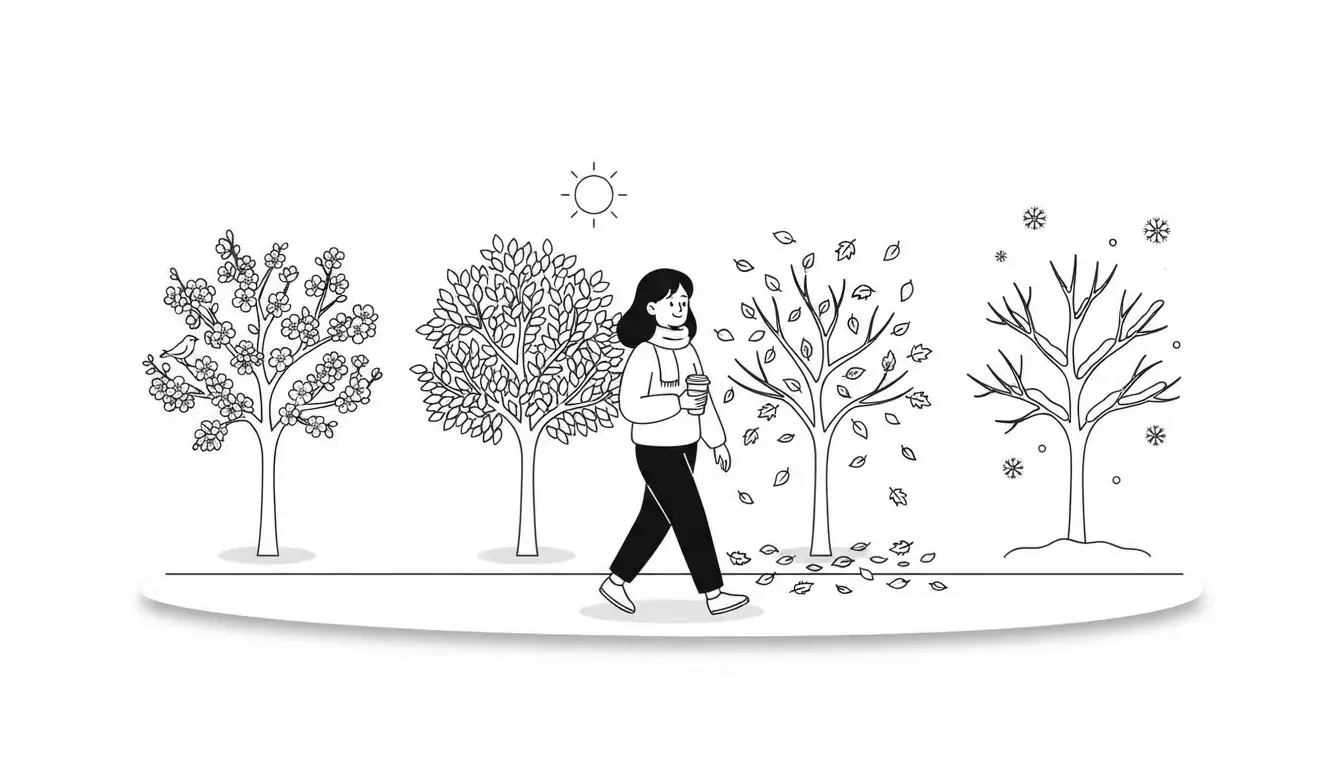
Now for the seasons /ˈsiːznz/. There are only four, but one of them has two names.
| 🇬🇧 English | Pronunciation | 🇪🇸 Spanish | Months (northern hemisphere) |
|---|---|---|---|
| spring | /sprɪŋ/ | primavera | March, April, May |
| summer | /ˈsʌmə/ | verano | June, July, August |
| autumn (UK) / fall (US) | /ˈɔːtəm/ · /fɔːl/ | otoño | September, October, November |
| winter | /ˈwɪntə/ | invierno | December, January, February |
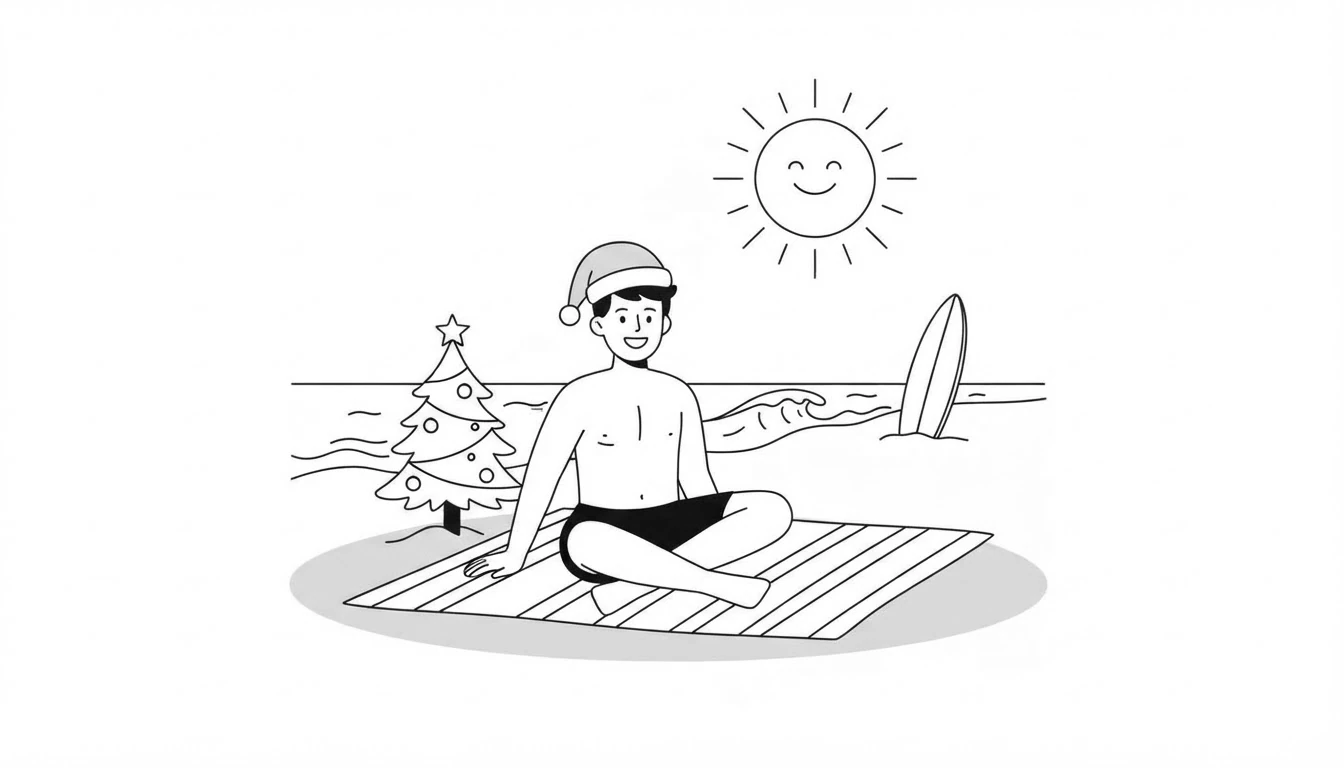
I’ve used the division the UK uses for weather records (whole months). The astronomical seasons, which start at the equinoxes and solstices around 21 March, 21 June and so on, are just as valid. And remember that in the southern hemisphere it’s the other way round: in Australia, Christmas falls in the middle of summer.
Autumn or fall: which one should I use?
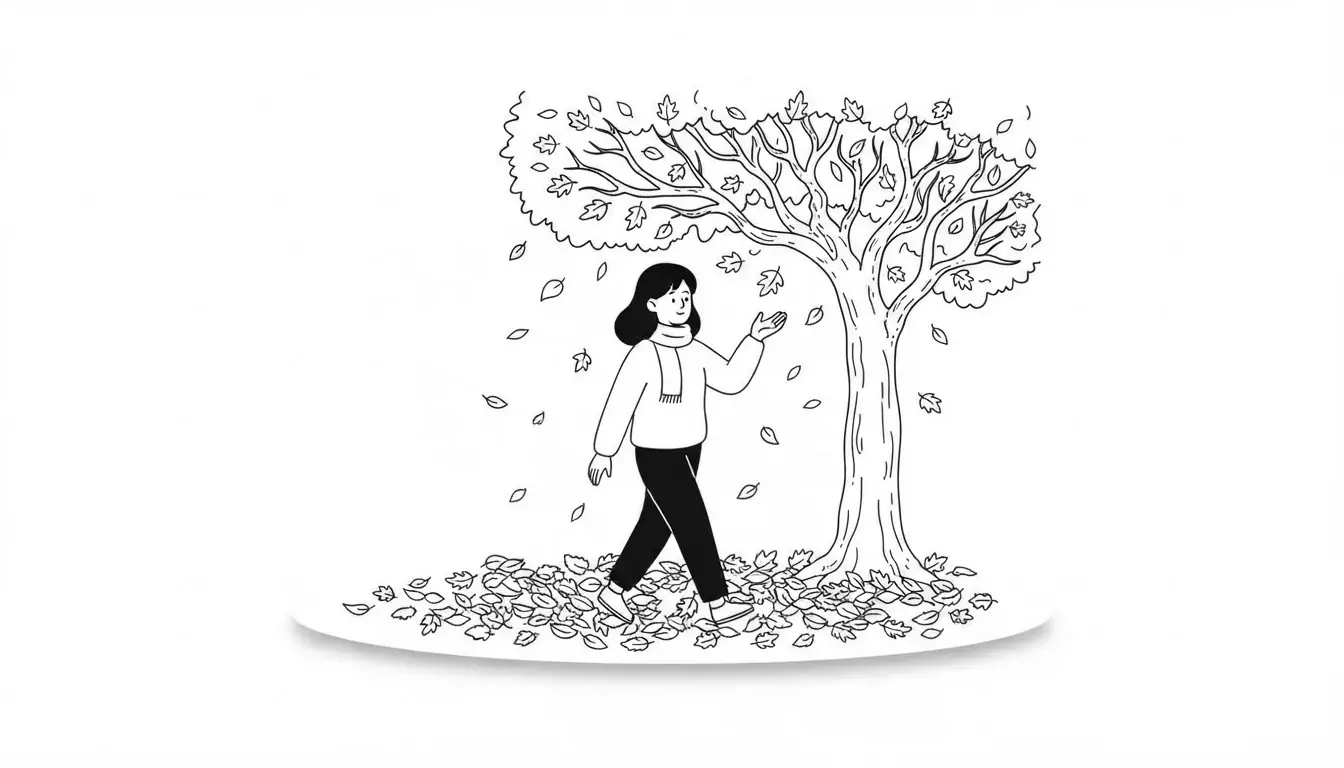
Both mean the same season. Autumn is the British English word and fall is the American English one (from the leaves that fall from the trees). Americans also understand autumn, but it sounds a bit more formal to them.
My advice: pick one variety and stick to it. In a Cambridge exam either word is correct; what looks odd is mixing them in the same text. And watch the pronunciation of autumn: the final «n» is silent, just like in column. It’s «AW-tum».
Seasons as adjectives
In English you can put the name of a season in front of another noun and it works like an adjective, without changing its form. It’s a very natural way of speaking:
- the summer holidays
- winter clothes
- autumn leaves
- a spring morning
There are also the words springtime, summertime and wintertime, which mean the same as the season itself but sound a little more poetic or informal.
Rules for using them correctly
This is where most marks are lost, so pay attention: there are only a few rules, but they pay off.
Capital letters: days and months yes, seasons no
In English, days of the week and months always start with a capital letter, wherever they appear in the sentence. Seasons, on the other hand, are written in lower case (unless they start the sentence, of course).
- ✅ My birthday is on a Tuesday this year, in June.
- ❌ My birthday is on a tuesday this year, in june.
- ✅ I love going to the beach in summer.
- ❌ I love going to the beach in Summer.
Prepositions: on, in and at
This is the rule that comes up again and again in exams:
- ON with days and dates: on Monday, on Friday night, on 14 February, on my birthday.
- IN with months, seasons and years: in March, in (the) winter, in 2026.
- AT with the weekend (in British English) and holidays: at the weekend, at Christmas, at Easter.
With seasons you can say in winter or in the winter; both are correct. For the full picture, have a look at my post on prepositions of time IN, ON and AT.
No preposition: this, next, last and every
When the day, month or season comes after this, next, last or every, the preposition disappears. Adding it is a very common mistake:
- ✅ See you next Monday. ❌ See you on next Monday.
- ✅ We went to Scotland last summer. ❌ We went to Scotland in last summer.
- ✅ I play tennis every Thursday. ❌ I play tennis on every Thursday.
Plural for things you do regularly
To talk about something that happens every Monday, English uses the plural with no article: I go swimming on Mondays. Don’t say on the Mondays: the article is only used for one specific day that’s already been identified (on the Monday after the exam).
Calendar vocabulary
To round off the topic, here are the other words you’ll need when you talk about dates and plans.
| 🇬🇧 English | Pronunciation | 🇪🇸 Spanish |
|---|---|---|
| calendar | /ˈkælɪndə/ | calendario |
| date | /deɪt/ | fecha |
| day / week / month / year | /deɪ/ · /wiːk/ · /mʌnθ/ · /jɪə/ | día / semana / mes / año |
| today | /təˈdeɪ/ | hoy |
| tomorrow | /təˈmɒrəʊ/ | mañana |
| yesterday | /ˈjestədeɪ/ | ayer |
| the day after tomorrow | /ðə ˌdeɪ ˌɑːftə təˈmɒrəʊ/ | pasado mañana |
| the day before yesterday | /ðə ˌdeɪ bɪˌfɔː ˈjestədeɪ/ | anteayer |
| leap year | /ˈliːp jɪə/ | año bisiesto |
| bank holiday (UK) / public holiday | /ˌbæŋk ˈhɒlədeɪ/ | día festivo |
| decade | /ˈdekeɪd/ | década |
| century | /ˈsentʃəri/ | siglo |
To say a full date you need ordinal numbers (first, second, third…) and to know the order of the day and the month, which is different in British and American English. I explain it in the date in British and American English and in my post on numbers in English.
Useful phrases with days, months and seasons
These are the questions and answers you’ll use most in everyday life:
| 🇬🇧 English | 🇪🇸 Spanish |
|---|---|
| What day is it today? It’s Wednesday. | ¿Qué día es hoy? Es miércoles. |
| What’s the date today? It’s the twelfth of October. | ¿Qué fecha es hoy? Es 12 de octubre. |
| When’s your birthday? It’s in May. / It’s on the third of May. | ¿Cuándo es tu cumpleaños? Es en mayo. / Es el 3 de mayo. |
| Are you free on Thursday? | ¿Estás libre el jueves? |
| What are you doing at the weekend? | ¿Qué haces el fin de semana? |
| What’s your favourite season? Why? | ¿Cuál es tu estación favorita? ¿Por qué? |
| The days are getting shorter. | Los días son cada vez más cortos. |
| See you next week! | ¡Nos vemos la semana que viene! |
Common mistakes
Here’s a summary of the mistakes I see most often in class, so they don’t happen to you:
- Writing days and months with a small letter, because that’s how it works in many other languages: monday ❌, Monday ✅.
- Giving the seasons a capital letter to make up for it: in Winter ❌, in winter ✅.
- Using IN with days: in Monday ❌, on Monday ✅.
- Adding «the» before a day: I’ll call you the Monday ❌, I’ll call you on Monday ✅.
- Adding a preposition with next or last: on next Friday ❌, next Friday ✅.
- Mixing up Tuesday and Thursday when speaking and, above all, when listening.
- Pronouncing every letter of Wednesday: «WED-nes-day» ❌, «WENZ-day» ✅.
Days, months and seasons in the Cambridge exams
It may look like primary school vocabulary, but this topic comes up in the exams more than you’d think, especially at A2 and B1:
- A2 Key and B1 Preliminary Listening: some tasks ask you to write down a day, a date or a month (a timetable, an appointment, an event). The key is not to confuse Tuesday and Thursday, and to spell words like Wednesday and February correctly. There’s more in my A2 Key Listening guide.
- Speaking Part 1: questions like What do you usually do at the weekend? or What’s your favourite time of year? Why? are classics. Use seasons as adjectives (the summer holidays, long winter evenings) to make your answer sound more natural.
- Writing: in an email arranging to meet someone you’ll need to suggest a day and a time. Check your capital letters and prepositions before you finish: they’re easy mistakes to avoid, and the examiner spots them straight away.
Tips to remember them
- Switch your phone or calendar to English. You’ll see the days and months dozens of times a day without any effort.
- Write your diary in English, with the abbreviations: Tue: dentist, Fri: dinner with Ana.
- Link each season to something personal: In autumn I start the new school year, In summer I go to the beach. Personal sentences stick much better than lists.
- For more techniques, I have a whole post on how to memorise English vocabulary.
Exercises: days, months and seasons in English
Time to practise. Below you have three interactive exercises that mark themselves, so you’ll know straight away how you’ve done. Try to do them without looking at the tables.
And if you prefer a version in text that you can copy and paste, you have it down here 👇
Exercise 1. On, in, at or nothing
Complete each sentence with on, in or at. If no preposition is needed, write an X.
- My exam is ___ Friday.
- We always go skiing ___ winter.
- What are you doing ___ the weekend?
- I’ll see you ___ next Tuesday.
- Her birthday is ___ 5 March.
- The new school year starts ___ September.
- We open our presents ___ Christmas.
- I go to the gym ___ Mondays and Wednesdays.
- They got married ___ last spring.
- The shop is closed ___ Sunday mornings.
Show answers
- on
- in
- at
- X
- on
- in
- at
- on
- X
- on
Exercise 2. Which word is it?
Write the day, month or season that matches each definition.
- The day after Monday: _______________
- The day before Friday: _______________
- The first month of the year: _______________
- The shortest month of the year: _______________
- The season between summer and winter (British English): _______________
- The same season in American English: _______________
- The month between July and September: _______________
- The last day of the week in the UK: _______________
- The season when flowers start to grow: _______________
- The month after November: _______________
Show answers
- Tuesday
- Thursday
- January
- February
- autumn
- fall
- August
- Sunday
- spring
- December
Exercise 3. Correct the mistake
Each sentence has one mistake (a capital letter, a preposition or a vocabulary error). Write it correctly.
- I have English classes on tuesday.
- My favourite season is Summer.
- The concert is in Saturday.
- We’re going to Paris on next weekend.
- I was born on April.
- I don’t work the Sundays.
- See you in the weekend!
- It’s very cold in Winter.
- School finishes in june.
- We met last friday.
Show answers
- I have English classes on Tuesday.
- My favourite season is summer.
- The concert is on Saturday.
- We’re going to Paris next weekend.
- I was born in April.
- I don’t work on Sundays.
- See you at the weekend!
- It’s very cold in winter.
- School finishes in June.
- We met last Friday.
Conclusion
To sum up: days and months take a capital letter and seasons don’t; use on with days, in with months and seasons, and nothing after next, last, this or every; and take care with the pronunciation of Wednesday, Tuesday and Thursday. That alone gets rid of 90% of the mistakes.
If you’d like to keep going with time and dates, have a look at my posts on telling the time in English and 10 weather idioms you should be using.
Did you find this post useful? Share it with other English students and teachers. And if you’d like more content like this, subscribe to my newsletter and follow me on Facebook, Twitter, Pinterest, Instagram and YouTube.
See you in the next post. Until then, don’t forget to keep smiling! 🙂
