
Table of contents
Have you ever said, or almost said, Remember me to call my mum? It feels logical, especially if your language uses one verb for «remember» and «remind». But in English that sentence means something completely different (and rather old-fashioned), and it’s one of the most common mistakes learners make.
The problem is that English splits the idea of remembering into two verbs. Remember is for when you keep something in your own mind, and remind is for when you make someone else remember. On top of that there’s a third verb, recall, which also means «remember» but belongs to a different register.
Don’t worry: once you see the trick, you won’t mix them up again. In this post I explain when to use remember, remind and recall, the structures that go with each verb (including the famous difference between remember to do and remember doing), the typical mistakes, how they appear in the Cambridge exams and, at the end, exercises with answers. Let’s get started! 🙂
The quick answer: remember, remind or recall?
If you’re in a hurry, here’s what you need:
- Remember /rɪˈmembə/: to keep something in your mind or bring it back to your mind yourself. I remember his face.
- Remind /rɪˈmaɪnd/: to make someone else remember something. Remind me to call him.
- Recall /rɪˈkɔːl/: to remember, usually with some effort. It’s more formal than remember. I can’t recall his name.
My trick: if you can say «make someone remember«, you need remind. And notice that remind almost always has a person straight after it (remind me, remind her, remind the students), whereas remember doesn’t.
| 🇬🇧 English | 🇪🇸 Spanish | Who remembers |
|---|---|---|
| I remember the meeting. | Me acuerdo de la reunión. | Me |
| Remind me about the meeting. | Recuérdame lo de la reunión. | Me, thanks to you |
| I can’t recall the meeting. | No recuerdo la reunión. | Me (I try, but nothing comes) |
Remember: keeping something in mind
Remember is the opposite of forget. You use it when the person who remembers is the subject of the sentence. It’s a regular verb: remember, remembered, remembered.
Remember + noun or that
The simplest structure is remember + what you remember:
- Do you remember my sister?
- I don’t remember the answer.
- I remember that you liked pizza.
Careful: there’s no preposition after remember. I remember of my sister ❌ is a common mistake.
Remember to do or remember doing
This is the question I get asked most often in class, and it comes up a lot in exams. Remember can be followed by a to-infinitive or by an -ing form, but the meaning changes:
- Remember to do something: to remember something you have to do (first you remember, then you do it). Remember to lock the door. / I remembered to buy milk.
- Remember doing something: to have a memory of something you already did (first you did it, now you remember it). I remember locking the door. / I remember meeting her in Paris.
Compare: I remembered to call Tom (I didn’t forget, so I called him) and I remember calling Tom (I know I called him; I have the memory). If you’d like to see other verbs that change meaning in the same way, such as stop, try and forget, have a look at my post on gerund or infinitive in English.
Remember to or don’t forget to
When you ask someone not to forget something, Remember to… and Don’t forget to… mean practically the same: Remember to bring your passport = Don’t forget to bring your passport. This equivalence is gold in Use of English, as you’ll see below.
What about «remember me»?
Remember me means «don’t forget me«, not «remind me». That’s why Remember me to call my mum ❌ doesn’t work. In fact, Remember me to your parents does exist in British English, but it’s an old-fashioned way of saying «give my regards to your parents». 😉
Remind: making someone remember
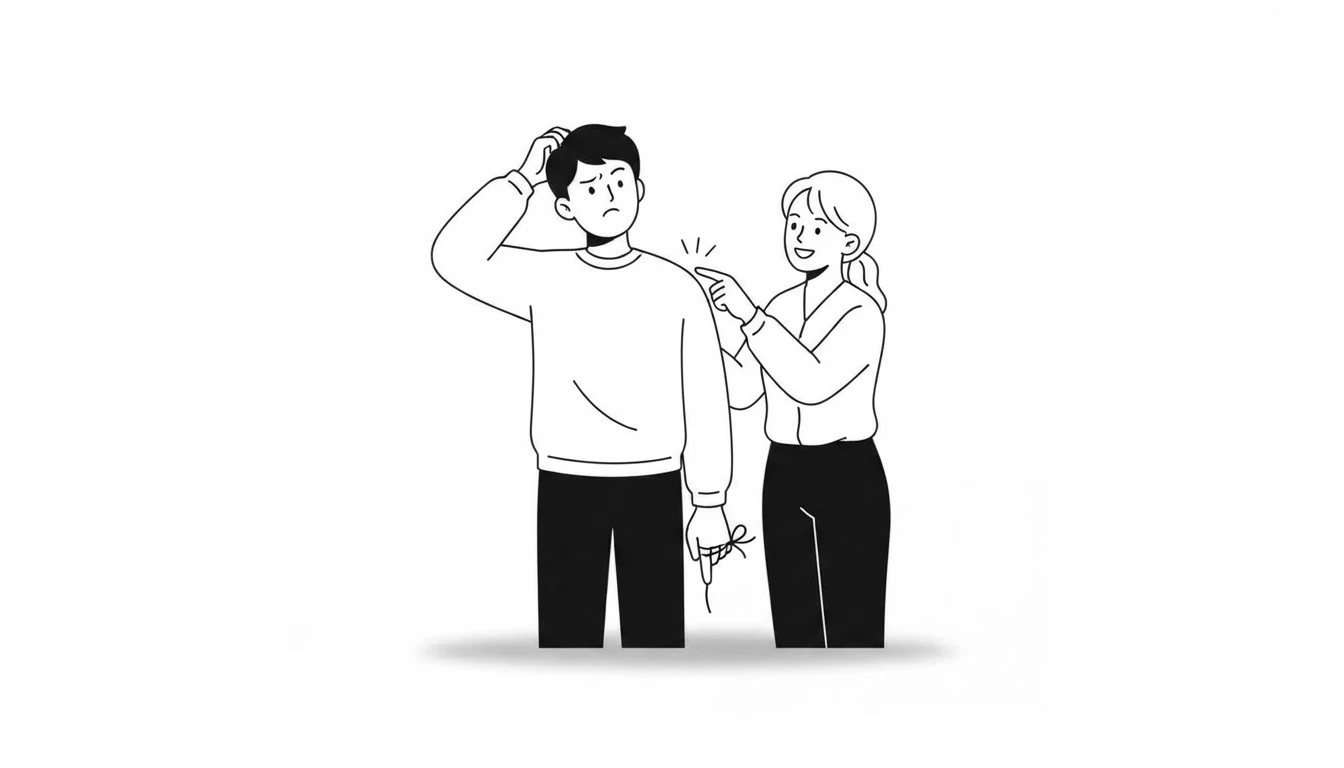
Remind means to make another person remember something. It’s regular too: remind, reminded, reminded. It almost always takes a person as its object, followed by one of these structures:
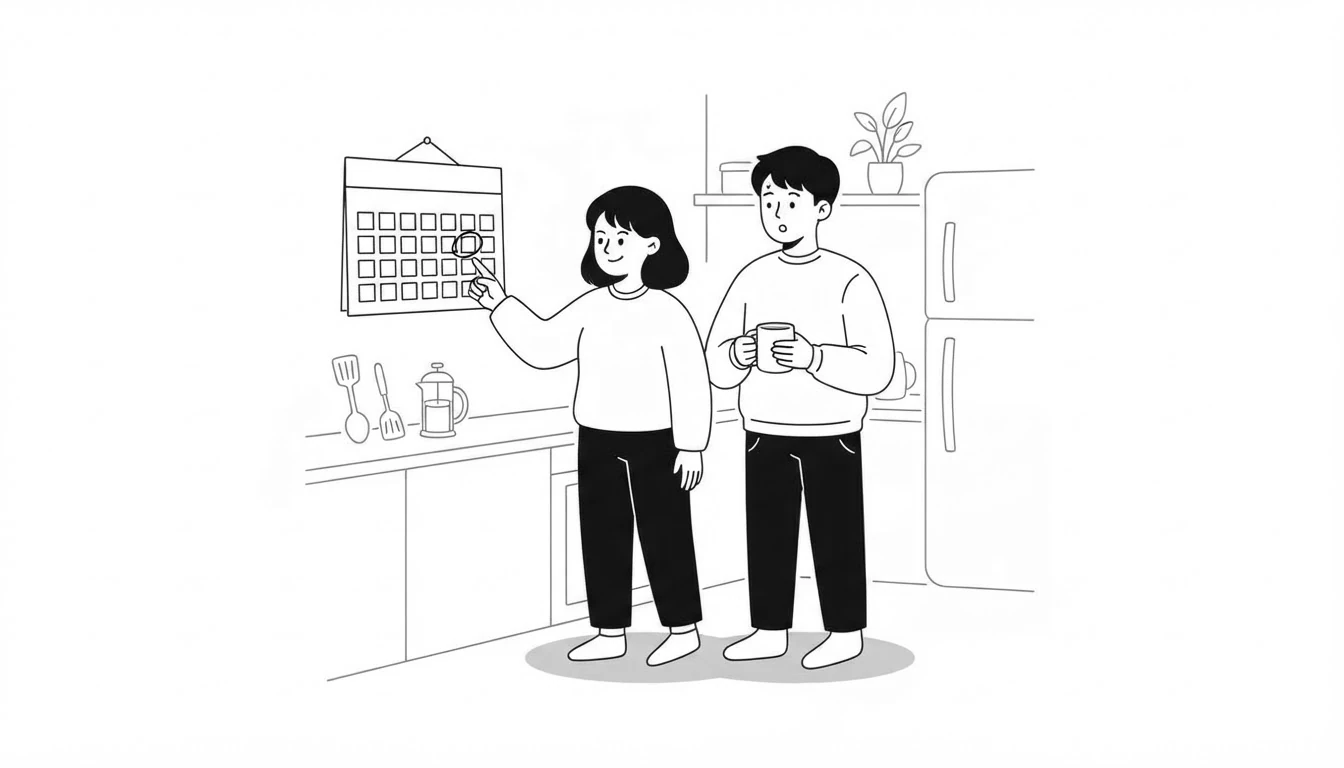
Remind somebody to do something
To tell someone not to forget something they have to do:
- Can you remind me to call my mum?
- The teacher reminded us to bring a pen.
The pattern is always person + to + infinitive. Never remind me that I call ❌ or remind me calling ❌.
Remind somebody that…
To make someone remember a fact:
- She reminded me that the shop closes at eight.
- I’d like to remind you that the deadline is on Friday.
Remind somebody about something
To make someone remember something they have to deal with, such as an appointment or an event:
- Remind me about the dentist tomorrow.
- Thanks for reminding me about the party!
Remind somebody of something
This use is really useful and often surprises learners. Remind somebody of means that something or someone makes you think of something else because they’re similar, or because they bring back a memory:
- You remind me of my brother.
- This song reminds me of that summer in Italy.
The preposition is of, not to: It reminds me to my grandmother ❌, It reminds me of my grandmother ✅. And remember never works here: This song remembers me… ❌.
A very natural expression you’ll hear a lot is That reminds me!, which people say when something suddenly makes them remember something else: Oh, that reminds me! I need to call the bank. 🙂
The noun: a reminder
The noun from remind is a reminder /rɪˈmaɪndə/: I’ve set a reminder on my phone. In emails it’s very common to start with Just a quick reminder that…
What about recall? The more formal option
Recall /rɪˈkɔːl/ means to remember, with a sense of effort: bringing something back into your mind. It’s more formal than remember, and you’ll see it a lot in writing, in the news and in legal contexts:
- I can’t recall his name.
- The witness couldn’t recall what time it was.
- I don’t recall saying that.
Three things to notice:
- Recall + -ing for something you did in the past, just like remember doing: I recall meeting him at a conference. Recall to do ❌, on the other hand, isn’t used.
- Recall doesn’t work like remind: it doesn’t take another person with the meaning of «make someone remember». Recall me to call ❌.
- As a noun, a recall is also when a company asks customers to return a faulty product: a product recall.
In everyday conversation, remember is the natural choice. If you say I can’t recall in a pub with your friends, you’ll sound a bit like you’re giving evidence in court. 😉 But in a C1 essay or report, recall works really well.
Typical mistakes
- Using remember to mean «make me remember»: Remember me to buy bread ❌, Remind me to buy bread ✅.
- Using remember for similarity: This place remembers me of my school ❌, This place reminds me of my school ✅.
- Using «to» after remind for similarity: You remind me to my uncle ❌, You remind me of my uncle ✅.
- Using remind when you remember yourself: I don’t remind his number ❌, I don’t remember his number ✅.
- Leaving out the person after remind: She reminded to call the doctor ❌, She reminded me to call the doctor ✅.
- Using -ing for something you still have to do: Remember locking the door when you leave ❌, Remember to lock the door when you leave ✅.
- Using the infinitive for a memory: I remember to visit Paris when I was ten ❌, I remember visiting Paris when I was ten ✅.
- Adding «of» after remember: I remember of that day ❌, I remember that day ✅.
Remember and remind in the Cambridge exams
These two verbs are a classic in B2 First Use of English Part 4 (key word transformations), and they come up in C1 Advanced too. That’s because they’re perfect for transforming sentences with don’t forget, direct speech or memories. Have a look at these examples, written in the exam style:
- «Don’t forget to lock the door,» Tom said to me. REMINDED
Tom ______ the door.
Answer: Tom reminded me to lock the door. - I’m sure I left my keys on the kitchen table. REMEMBER
I ______ my keys on the kitchen table.
Answer: I remember leaving my keys on the kitchen table. - This street makes me think of my childhood. REMINDS
This street ______ my childhood.
Answer: This street reminds me of my childhood. - I didn’t forget to send the email. REMEMBERED
I ______ the email.
Answer: I remembered to send the email.
In every case the key is the structure: remind + person + to, remember + -ing for the past, remind + person + of for similarity and remember + to for something you didn’t forget.
They’re also handy in Writing. In a formal email, I would like to remind you that… is a polite way of reminding someone without sounding abrupt, and in an informal email you can use Just a quick reminder…. In a review or a story, It reminded me of… is perfect for describing feelings. And if you’re interested in verbs that report what someone said (remind, warn, advise…), have a look at my post on reporting verbs in English.
Summary table: remember, remind and recall
| 🇬🇧 Structure | Meaning | 🇪🇸 Spanish | Example |
|---|---|---|---|
| remember + noun / that | keep something in mind | acordarse de algo | I remember her name. |
| remember to do | not forget a task | acordarse de hacer algo | Remember to call me. |
| remember doing | have a memory of something | recordar haber hecho algo | I remember calling you. |
| remind somebody to do | tell someone not to forget a task | recordarle a alguien que haga algo | Remind me to call you. |
| remind somebody that… | make someone remember a fact | recordarle a alguien que… | She reminded me that it was late. |
| remind somebody about | make someone remember an event or task | recordarle algo a alguien | Remind me about the party. |
| remind somebody of | seem similar to | recordar a (por parecido) | You remind me of your dad. |
| recall (+ -ing) | remember with effort (formal) | recordar, hacer memoria | I don’t recall saying that. |
Frequently asked questions
How do I ask someone to help me remember something?
Use remind: Remind me to buy bread (please make me remember). If instead you’re telling someone else not to forget something, use Remember to… or Don’t forget to…: Remember to buy bread.
Are remember and recall synonyms?
Almost. Both mean «remember», but recall is more formal and suggests making an effort to bring something back to mind. In everyday English, use remember. In formal or academic writing, recall sounds more sophisticated.
Can I use remind without a person after it?
Hardly ever. Remind needs the person you’re making remember: remind me, remind them, remind the class. If you don’t want to say who, use the passive or the noun: Students are reminded that the library closes at six or This is a reminder that the library closes at six.
Remember, remind and recall exercises
Time to practise. Below you have three interactive exercises that mark themselves, so you’ll know straight away how you’ve done. Try to do them without looking back at the post.
And if you prefer a version in text that you can copy and paste, you have it down here 👇
Exercise 1. Remember or remind?
Choose the correct option in each sentence.
- Can you (remind / remember) me to call the dentist tomorrow?
- I can’t (remember / remind) where I parked the car.
- This song always (reminds / remembers) me of my holiday in Italy.
- (Remember / Remind) to take your keys when you leave.
- Do you (remember / remind) the name of that restaurant?
- My mum (reminded / remembered) me that the shop closes at eight.
- I don’t (remember / remind) meeting her before.
- Please (remind / remember) Tom that the meeting starts at ten.
- I’m so sorry, I didn’t (remember / remind) your birthday!
- The teacher (reminded / remembered) us about the exam on Friday.
Show answers
- remind
- remember
- reminds
- Remember
- remember
- reminded
- remember
- remind
- remember
- reminded
Exercise 2. Infinitive or -ing?
Complete each sentence with the correct form of the verb in brackets: to + infinitive or -ing.
- Did you remember _______________ (lock) the door?
- I remember _______________ (see) this film when I was a child.
- Remind me _______________ (buy) some milk on the way home.
- I don’t remember _______________ (say) that. Are you sure?
- Please remember _______________ (switch off) the lights when you leave.
- She reminded her son _______________ (take) his umbrella.
- I clearly remember _______________ (put) the keys in my bag.
- Remember _______________ (send) me a message when you arrive.
- Can you remind Sarah _______________ (bring) the tickets?
- I recall _______________ (meet) him at a conference in Madrid.
Show answers
- to lock
- seeing
- to buy
- saying
- to switch off
- to take
- putting
- to send
- to bring
- meeting
Exercise 3. Correct the mistake
Each sentence has one mistake. Write it correctly.
- Remember me to call my grandmother tonight.
- This place remembers me of my old school.
- I don’t remind his phone number.
- I remember to visit Paris when I was ten.
- Can you remind me buying some stamps?
- He reminded me about bring my passport.
- You remind me to my uncle.
- Did you remember closing the window before we left?
- I can’t recall to see him at the party.
- She reminded that the shop closes at eight.
Show answers
- Remind me to call my grandmother tonight.
- This place reminds me of my old school.
- I don’t remember his phone number.
- I remember visiting Paris when I was ten.
- Can you remind me to buy some stamps?
- He reminded me to bring my passport.
- You remind me of my uncle.
- Did you remember to close the window before we left?
- I can’t recall seeing him at the party.
- She reminded me that the shop closes at eight.
Conclusion
To sum up: if you keep something in your own mind, use remember; if you make someone else remember, use remind (almost always with the person straight after it); and if you want a more formal word for making an effort to remember, use recall. Don’t forget the difference between remember to do (something still to do) and remember doing (something that already happened), or that similarity is it reminds me of. So next time you want someone to help you remember something, you know what to say: Remind me! 🙂
If you’d like to keep working on verbs that get confused, have a look at my post on the difference between suggest and recommend.
Did you find this post useful? Share it with other English learners and teachers. And if you’d like more content like this, subscribe to my newsletter and follow me on Facebook, Twitter, Pinterest, Instagram and YouTube.
See you in the next post. Until then, don’t forget to keep smiling! 🙂
