
Tabla de contenidos
Si alguna vez has dicho «sink» en vez de think, «dis» en vez de this o «boat» en vez de both, esta guía es para ti. La TH es el sonido más famoso del inglés, y también uno de los que más cuesta, porque no es una sola cosa: son dos sonidos distintos, /θ/ (think) y /ð/ (this), que se escriben igual. Y la pregunta que casi nadie contesta bien es: ¿cuándo toca uno y cuándo el otro?
No te preocupes, porque hay reglas, y son más sencillas de lo que parece. Si eres de España, además, llevas ventaja: /θ/ es la «z» de «zapato» y /ð/ la «d» de «nada». En esta guía te explico cómo se hacen los dos sonidos, te doy tablas de palabras con IPA, las reglas para saber si es sorda o sonora, los pares sustantivo y verbo (breath y breathe), los plurales que cambian de sonido, los casos difíciles, los errores más típicos y unas preguntas rápidas. Al final tienes treinta frases de ejercicios con soluciones. ¡Vamos allá! 🙂
Los dos sonidos TH: /θ/ y /ð/
La TH se pronuncia siempre con la punta de la lengua entre los dientes (o apoyada muy suavemente en los dientes superiores), dejando salir el aire por el hueco. Lo único que cambia entre los dos sonidos es si vibran las cuerdas vocales:
| Sonido | Cuerdas vocales | Cómo suena | Ejemplos |
|---|---|---|---|
| /θ/ | No vibran (sorda) | como la «z» de «zapato» en España | think, three, bath |
| /ð/ | Vibran (sonora) | como la «d» de «nada», pero con la lengua entre los dientes | this, they, mother |
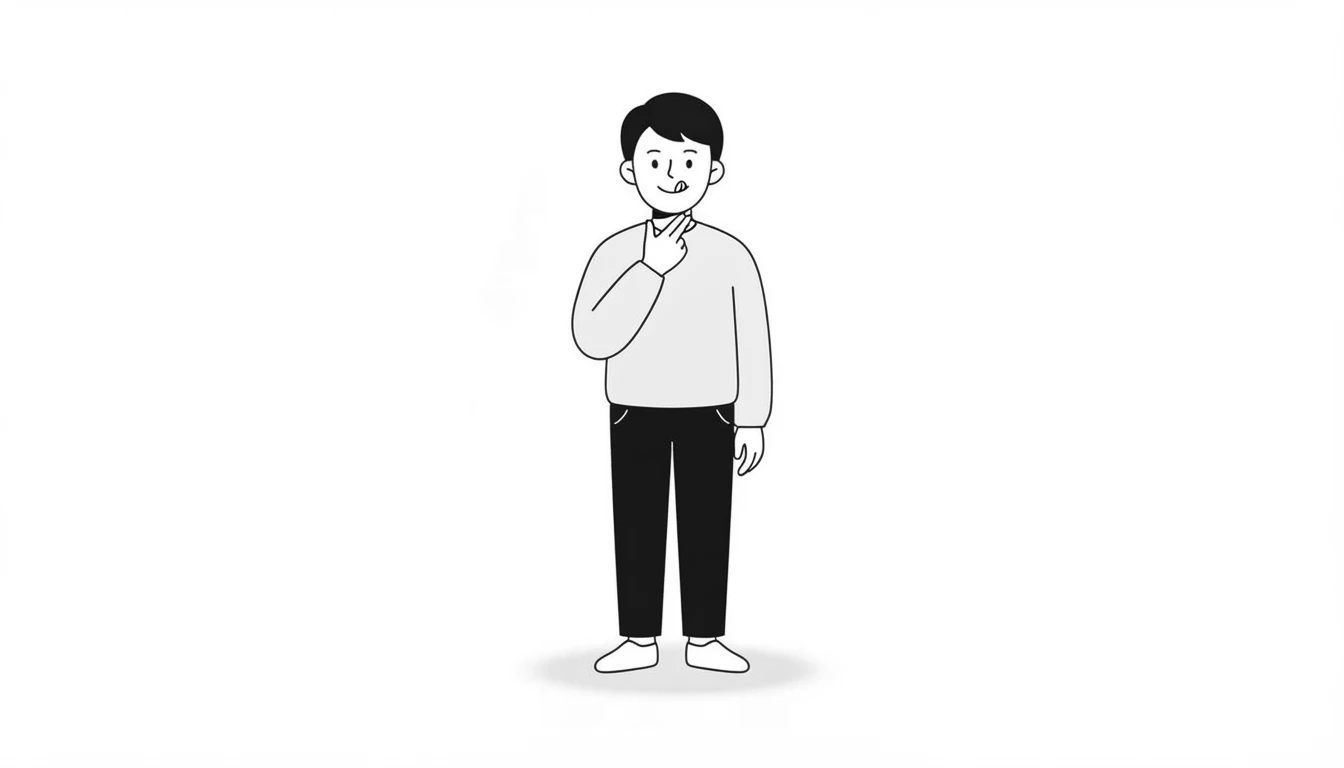
Para comprobar cuál estás haciendo, pon dos dedos en la garganta: si notas vibración, es /ð/; si no, es /θ/. Y si todavía no sabes leer estos símbolos, los tienes explicados en mi guía de fonética inglesa y alfabeto fonético (IPA).
Una nota para los hispanohablantes: si eres de España, la TH no es nada nuevo y no hay excusa. Si eres de Latinoamérica o de Canarias, puede que no pronuncies /θ/ a menudo, pero /ð/ la tienes en «nada». En los dos casos, la clave es hacer el sonido también al principio de la palabra, como en this. Tienes más sobre esto en la guía de errores de pronunciación de los hispanohablantes.
/θ/: la TH sorda (think)
Es la TH «susurrada»: solo sale aire. Aparece sobre todo al principio de sustantivos, verbos y adjetivos, y al final de muchos sustantivos:
Escucha las palabras, una tras otra:
| 🇬🇧 Palabra | Pronunciación | 🇪🇸 Significado |
|---|---|---|
| think | /θɪŋk/ | pensar |
| thing | /θɪŋ/ | cosa |
| three | /θriː/ | tres |
| thank | /θæŋk/ | agradecer |
| thick | /θɪk/ | grueso, espeso |
| thought | /θɔːt/ | pensé, pensamiento |
| thumb | /θʌm/ | pulgar |
| month | /mʌnθ/ | mes |
| bath | /bɑːθ/ | baño |
| tooth | /tuːθ/ | diente |
| mouth | /maʊθ/ | boca |
| author | /ˈɔːθə/ | autor |
/ð/: la TH sonora (this)
Es la TH «con voz»: las cuerdas vocales vibran. Es el sonido de las palabras más frecuentes del inglés (the, this, that, they) y de la familia mother, father, brother:
Escucha las palabras, una tras otra:
| 🇬🇧 Palabra | Pronunciación | 🇪🇸 Significado |
|---|---|---|
| the | /ðə/ | el, la |
| this | /ðɪs/ | esto |
| that | /ðæt/ | eso |
| they | /ðeɪ/ | ellos |
| them | /ðem/ | ellos (compl.) |
| then | /ðen/ | entonces |
| there | /ðeə/ | allí |
| those | /ðəʊz/ | esos |
| mother | /ˈmʌðə/ | madre |
| brother | /ˈbrʌðə/ | hermano |
| weather | /ˈweðə/ | tiempo (clima) |
| together | /təˈɡeðə/ | juntos |
¿Sorda o sonora? Las reglas
No hay una regla perfecta, pero estas seis pautas te hacen acertar casi siempre:
| Cuándo | Sonido |
|---|---|
| Palabras funcionales al inicio (the, this, that, they, them, then, there, these, those, though, than) | /ð/ sonora |
| Sustantivos, verbos y adjetivos al inicio (think, thing, three, thank, thick, thin, thumb) | /θ/ sorda |
| Entre vocales en palabras de la familia (mother, father, brother, other, weather, together, rather) | /ð/ sonora |
| Palabras de origen griego (theory, theatre, method, Athens, athlete, ethic, mathematics) | /θ/ sorda |
| Sustantivos que acaban en -th (bath, mouth, month, tooth, truth, birth) | /θ/ sorda |
| Verbos que acaban en -the (breathe, bathe, clothe, soothe) | /ð/ sonora |
Sustantivo y verbo: breath y breathe
Hay pares de palabras que se escriben casi igual y cambian el sonido según sean sustantivo o verbo. El sustantivo lleva /θ/ y el verbo, que termina en -the, lleva /ð/:
Escucha cada pareja, de arriba abajo:
| Sustantivo (/θ/) | Verbo (/ð/) |
|---|---|
| breath /breθ/ | breathe /briːð/ |
| bath /bɑːθ/ | bathe /beɪð/ |
| cloth /klɒθ/ | clothe /kləʊð/ |
| mouth (n.) /maʊθ/ | mouth (v.) /maʊð/ |
| teeth /tiːθ/ | teethe /tiːð/ |
Plurales que cambian de sonido
Algunos sustantivos con /θ/ cambian a /ð/ en el plural (bath y baths), pero otros no (month y months). Estos son los más frecuentes:
Escucha cada pareja, de arriba abajo:
| Singular | Plural |
|---|---|
| bath /bɑːθ/ | baths /bɑːðz/ |
| path /pɑːθ/ | paths /pɑːðz/ |
| mouth /maʊθ/ | mouths /maʊðz/ |
| youth /juːθ/ | youths /juːðz/ |
| month /mʌnθ/ | months /mʌnθs/ (no cambia) |
| myth /mɪθ/ | myths /mɪθs/ (no cambia) |
Casos difíciles
Hay palabras en las que la TH va junto a otras consonantes y cuesta encadenarlas. Practica despacio, una consonante tras otra:
Escucha las palabras, una tras otra:
| 🇬🇧 Palabra | Pronunciación | 🇪🇸 Significado |
|---|---|---|
| months | /mʌnθs/ | meses |
| sixth | /sɪksθ/ | sexto |
| width | /wɪdθ/ | ancho |
| twelfth | /twelfθ/ | duodécimo |
| strengths | /streŋθs/ | puntos fuertes |
| clothes | /kləʊðz/ | ropa |
Y una última rareza: en algunas palabras y nombres la th suena simplemente /t/:
Escucha las palabras, una tras otra:
| 🇬🇧 Palabra | Pronunciación | 🇪🇸 Significado |
|---|---|---|
| Thomas | /ˈtɒməs/ | Tomás |
| Thames | /temz/ | el Támesis |
| thyme | /taɪm/ | tomillo |
| Thailand | /ˈtaɪlænd/ | Tailandia |
| Esther | /ˈestə/ | Ester |
Pares mínimos para practicar
Los hispanohablantes sustituyen la TH por /s/, /t/, /f/ o /d/. Estas palabras te sirven para afinar el oído y la boca:
Escucha cada trío, de arriba abajo:
| /θ/ | /t/ | /s/ o /f/ |
|---|---|---|
| thin /θɪn/ | tin /tɪn/ | sin /sɪn/ |
| thick /θɪk/ | tick /tɪk/ | sick /sɪk/ |
| three /θriː/ | tree /triː/ | free /friː/ |
| thought /θɔːt/ | taught /tɔːt/ | sort /sɔːt/ |
| thank /θæŋk/ | tank /tæŋk/ | sank /sæŋk/ |
| mouth /maʊθ/ | mouse /maʊs/ | mount /maʊnt/ |
Escucha cada pareja, de arriba abajo:
| /ð/ | /d/ o /z/ |
|---|---|
| they /ðeɪ/ | day /deɪ/ |
| then /ðen/ | den /den/ |
| though /ðəʊ/ | dough /dəʊ/ |
| breathe /briːð/ | breeze /briːz/ |
| clothe /kləʊð/ | close (v.) /kləʊz/ |
Errores comunes con la TH
- ❌ Decir «sink» o «tink» por think. → ✅ /θɪŋk/, con la lengua entre los dientes.
- ❌ Decir «dis» o «zis» por this. → ✅ /ðɪs/, con vibración.
- ❌ Decir «tank you» por thank you. → ✅ /θæŋk/.
- ❌ Pronunciar mouth como «mouse». → ✅ /maʊθ/.
- ❌ Decir «boat» por both. → ✅ /bəʊθ/.
- ❌ Decir «broder» o «bro-zer» por brother. → ✅ /ˈbrʌðə/.
- ❌ Pronunciar birthday como «birs-day». → ✅ /ˈbɜːθdeɪ/.
Consejos para practicar
- Usa un espejo. Comprueba que ves la punta de la lengua entre los dientes.
- Haz el test de la garganta con dos dedos para distinguir /θ/ y /ð/.
- Exagera al principio. Saca bastante la lengua; luego la irás recogiendo hasta que suene natural.
- Practica con trabalenguas, empezando despacio: The thirty-three thieves thought that they thrilled the throne throughout Thursday.
- Aprende las reglas por grupos (palabras funcionales, -th sorda, -the sonora).
- Grábate y compara con el audio de un diccionario.
Preguntas frecuentes sobre la TH
¿Cuántos sonidos tiene la TH?
Dos: /θ/ (sorda, think) y /ð/ (sonora, this). Se escriben igual y se hacen con la lengua entre los dientes.
¿Cómo sé si la TH es sorda o sonora?
Mira la palabra: las palabras funcionales (the, this, that, they) y la familia mother, father, brother llevan /ð/; los sustantivos, verbos y adjetivos que empiezan por TH (think, three) y los sustantivos que acaban en -th llevan /θ/.
¿Puedo decir /s/ o /f/ en lugar de TH?
Te entenderán casi siempre, pero cambias palabras (thin y sin, three y free). Para los exámenes de Cambridge conviene hacer el sonido correcto.
¿Por qué muchos idiomas no tienen la TH?
Es un sonido poco frecuente en el mundo, así que muchos idiomas no lo tienen. En español de España existe /θ/ (la «z» de «zapato»), y /ð/ aparece en «nada».
¿La TH se pronuncia igual en inglés británico y americano?
En general sí. Cambia alguna vocal y algunos plurales, pero /θ/ y /ð/ son los mismos.
Ejercicios de pronunciación de TH
Treinta frases para comprobar que lo tienes claro. Aquí abajo tienes tres ejercicios interactivos que se corrigen solos, así que sabrás al momento qué tal lo has hecho.
Y si prefieres una versión en texto que puedas copiar y pegar, la tienes aquí abajo 👇
Exercise 1: voiced or voiceless?
Choose the TH sound in each word.
- The TH in think is _______________ (/θ/ / /ð/).
- The TH in this is _______________ (/θ/ / /ð/).
- The TH in mother is _______________ (/θ/ / /ð/).
- The TH in bath is _______________ (/θ/ / /ð/).
- The TH in weather is _______________ (/θ/ / /ð/).
- The TH in thank is _______________ (/θ/ / /ð/).
- The TH in together is _______________ (/θ/ / /ð/).
- The TH in month is _______________ (/θ/ / /ð/).
- The TH in breathe is _______________ (/θ/ / /ð/).
- The TH in theatre is _______________ (/θ/ / /ð/).
Ver respuestas
- /θ/
- /ð/
- /ð/
- /θ/
- /ð/
- /θ/
- /ð/
- /θ/
- /ð/
- /θ/
Exercise 2: odd one out
Choose the word whose TH sound is different.
- Odd one out:
a) thin
b) thick
c) they - Odd one out:
a) this
b) that
c) three - Odd one out:
a) mother
b) brother
c) mouth - Odd one out:
a) bath
b) breath
c) bathe - Odd one out:
a) thing
b) thanks
c) then - Odd one out:
a) father
b) other
c) thought - Odd one out:
a) teeth
b) tooth
c) those - Odd one out:
a) Thomas
b) think
c) thumb - Odd one out:
a) the
b) they
c) thumb - Odd one out:
a) clothe
b) breathe
c) cloth
Ver respuestas
- c) they
- c) three
- c) mouth
- c) bathe
- c) then
- c) thought
- c) those
- a) Thomas
- c) thumb
- c) cloth
Exercise 3: choose the transcription
Choose the correct transcription for each word.
- The word «think» is transcribed _______________ (/θɪŋk/ / /sɪŋk/).
- The word «this» is transcribed _______________ (/ðɪs/ / /dɪs/).
- The word «mouth» is transcribed _______________ (/maʊθ/ / /maʊs/).
- The word «brother» is transcribed _______________ (/ˈbrʌðə/ / /ˈbrʌdə/).
- The word «three» is transcribed _______________ (/θriː/ / /friː/).
- The word «breathe» is transcribed _______________ (/briːð/ / /briːθ/).
- The word «both» is transcribed _______________ (/bəʊθ/ / /bəʊt/).
- The word «weather» is transcribed _______________ (/ˈweðə/ / /ˈwezə/).
- The word «thumb» is transcribed _______________ (/θʌm/ / /tʌm/).
- The word «they» is transcribed _______________ (/ðeɪ/ / /zeɪ/).
Ver respuestas
- /θɪŋk/
- /ðɪs/
- /maʊθ/
- /ˈbrʌðə/
- /θriː/
- /briːð/
- /bəʊθ/
- /ˈweðə/
- /θʌm/
- /ðeɪ/
Conclusión
Resumiendo en tres ideas: la TH son dos sonidos, /θ/ sorda (think) y /ð/ sonora (this), que se hacen con la lengua entre los dientes y se distinguen por la vibración de la garganta; hay reglas para saber cuál toca (palabras funcionales y familia mother con /ð/, sustantivos y verbos con /θ/, verbos en -the con /ð/); y si eres de España, ya tienes los dos sonidos: solo hay que usarlos también al principio de la palabra.
Si quieres seguir con este tema, mi siguiente consejo es repasar los 12 errores de pronunciación más comunes de los hispanohablantes, donde la TH es solo el primero.
Esta guía forma parte de la serie de pronunciación de KSE Academy. Tienes el mapa completo, con todas las guías, en la guía completa de pronunciación en inglés.
¿Te ha parecido útil este post? Compártelo con otros estudiantes y profesores de inglés. Y si quieres más contenido como este, suscríbete a mi newsletter y sígueme en Facebook, Twitter, Pinterest, Instagram y YouTube.
Nos vemos en el próximo post. Hasta entonces, don’t forget to keep smiling! 🙂
