Reported speech: guía completa del estilo indirecto en inglés
Guía completa del reported speech en inglés: reglas, ejemplos y ejercicios. Aprende a usar el estilo indirecto correctamente y evita los errores más comunes.

Tabla de contenidos
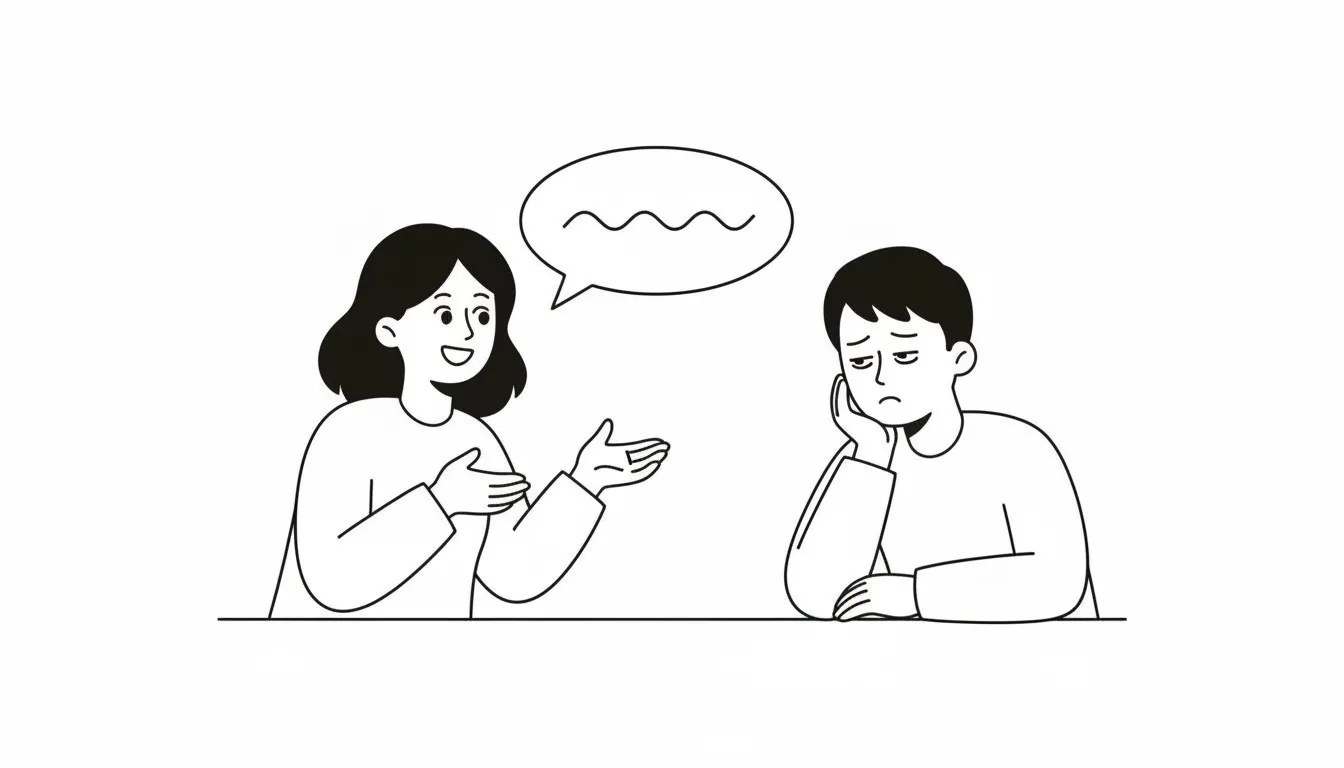
El reported speech, o estilo indirecto, es una de esas estructuras gramaticales que puede resultar un poco confusa al principio, pero que es absolutamente esencial para comunicarte con fluidez en inglés. ¿Alguna vez has necesitado contar lo que alguien te dijo sin usar sus palabras exactas? Pues eso es precisamente el reported speech.
En esta guía completa vamos a ver todo lo que necesitas saber sobre el estilo indirecto en inglés: desde las reglas básicas hasta los casos más complicados, pasando por los errores más comunes y cómo evitarlos. Además, como experto en exámenes de Cambridge, te mostraré cómo aparece esta estructura en estos exámenes y cómo dominarla para obtener la mejor puntuación posible.
¿Qué es el reported speech?
El reported speech (también conocido como indirect speech o estilo indirecto) es la estructura gramatical que utilizamos cuando queremos transmitir lo que otra persona ha dicho, sin repetir sus palabras exactas. En lugar de citar textualmente, adaptamos el mensaje a nuestro propio discurso.
Diferencia entre estilo directo e indirecto
La diferencia fundamental es bastante sencilla de entender con un ejemplo:
Direct Speech (Estilo directo):
Sarah said, «I’m going to the cinema tonight.»
(Sarah dijo: «Voy a ir al cine esta noche»)
Reported Speech (Estilo indirecto):
Sarah said that she was going to the cinema that night.
(Sarah dijo que iba a ir al cine esa noche)
Como puedes ver, en el estilo directo reproducimos las palabras exactas entre comillas, mientras que en el estilo indirecto adaptamos el mensaje cambiando tiempos verbales, pronombres y expresiones temporales.
¿Cuándo usamos el reported speech?
Utilizamos el reported speech constantemente en situaciones cotidianas:
- Para transmitir conversaciones: «My boss told me that I had to finish the report by Friday» (Mi jefe me dijo que tenía que terminar el informe para el viernes)
- Para contar chismes o noticias: «Did you hear? Emma said she’s getting married!» (¿Te has enterado? ¡Emma dijo que se va a casar!)
- En periodismo: «The Prime Minister announced that taxes would increase» (El Primer Ministro anunció que los impuestos aumentarían)
- En contextos académicos: «The author argues that climate change is accelerating» (El autor sostiene que el cambio climático se está acelerando)
- En exámenes de Cambridge: Especialmente en las partes de Use of English y Writing
Reglas fundamentales del reported speech
Ahora que ya sabemos qué es el reported speech, vamos a ver las reglas básicas que necesitas conocer para transformar correctamente una frase del estilo directo al indirecto.
Cambios en los tiempos verbales (backshifting)
Cuando el verbo introductor (said, told, etc.) está en pasado, normalmente tenemos que «retroceder» un tiempo verbal. A esto lo llamamos backshifting. Aquí tienes la tabla de transformaciones:
| Estilo directo | Reported speech |
|---|---|
| Present Simple «I work here» |
Past Simple He said he worked there |
| Present Continuous «I’m studying» |
Past Continuous She said she was studying |
| Present Perfect «I’ve finished» |
Past Perfect He said he had finished |
| Past Simple «I saw it» |
Past Perfect She said she had seen it |
| Will «I’ll call you» |
Would He said he would call me |
| Can «I can help» |
Could She said she could help |
| Must «I must go» |
Had to He said he had to go |
Veamos algunos ejemplos en contexto:
Ejemplo 1:
Direct: «I love chocolate,» she said.
Reported: She said that she loved chocolate.
Ejemplo 2:
Direct: «We’re moving to London next month,» they told me.
Reported: They told me that they were moving to London the following month.
Ejemplo 3:
Direct: «I’ve already seen that film,» John said.
Reported: John said that he had already seen that film.
Cambios en los pronombres
Los pronombres personales, posesivos y reflexivos deben adaptarse según quién esté hablando y de quién se esté hablando. Esto puede parecer complicado, pero en realidad es bastante lógico:
Regla general:
- Primera persona (I, me, my, mine): Cambia según el sujeto de la frase original
- Segunda persona (you, your, yours): Cambia según el interlocutor
- Tercera persona (he, she, they, etc.): Normalmente no cambia
Ejemplos prácticos:
Ejemplo 1:
Direct: Lucy said to me, «I’ll help you with your homework.»
Reported: Lucy told me that she would help me with my homework.
(I → she; you → me; your → my)
Ejemplo 2:
Direct: Tom said, «My sister is visiting me this weekend.»
Reported: Tom said that his sister was visiting him that weekend.
(My → his; me → him)
Cambios en las expresiones de tiempo y lugar
Las expresiones temporales y de lugar también necesitan adaptarse cuando cambiamos al estilo indirecto. Aquí tienes las transformaciones más comunes:
| Estilo directo | Reported speech |
|---|---|
| now | then / at that time |
| today | that day |
| tonight | that night |
| tomorrow | the next day / the following day |
| yesterday | the day before / the previous day |
| last week/month/year | the week/month/year before / the previous week/month/year |
| next week/month/year | the following week/month/year |
| ago | before |
| here | there |
| this/these | that/those |
| come | go |
Importante: No siempre es necesario cambiar estas expresiones. Si la situación temporal o espacial sigue siendo la misma, puedes mantener la expresión original:
Situación: Son las 10:00 de la mañana del lunes. A las 9:00, Sarah dijo: «I’ll finish this today.»
A las 10:00 del mismo lunes:
Sarah said she would finish it today. ✓
(Todavía es «today», así que no hace falta cambiar)
El martes:
Sarah said she would finish it the day before. ✓
(Ya no es «today», así que cambiamos)
Verbos introductores: say, tell, ask y otros
Los verbos introductores son los que usamos para introducir lo que alguien dijo. Los más comunes son say, tell y ask, pero es importante saber cuándo usar cada uno:
SAY
Estructura: say + (that) + clause
NO lleva objeto directo de persona
✓ She said that she was tired.
✗ She said me that she was tired.
TELL
Estructura: tell + someone + (that) + clause
SÍ lleva objeto directo de persona
✓ She told me that she was tired.
✗ She told that she was tired.
ASK
Estructura: ask + (someone) + if/whether + clause (para yes/no questions)
ask + (someone) + wh-word + clause (para wh-questions)
✓ He asked if I was ready.
✓ She asked me where I lived.
Más adelante veremos otros reporting verbs más específicos que te permitirán expresarte con mayor precisión.
Tipos de reported speech
No todas las frases que queremos reportar son iguales. Dependiendo del tipo de frase original (afirmación, pregunta, orden, petición), la estructura del reported speech varía ligeramente. Vamos a ver cada tipo en detalle.
Reported statements (afirmaciones)
Las afirmaciones son el tipo más sencillo de reported speech. Simplemente aplicamos las reglas que hemos visto anteriormente:
Estructura: Subject + said/told + (that) + reported clause
Ejemplos:
Direct: «I’m feeling much better now,» she said.
Reported: She said that she was feeling much better then.
Direct: «We’ve lived here for ten years,» they told us.
Reported: They told us that they had lived there for ten years.
Direct: Mark said, «I don’t like spicy food.»
Reported: Mark said that he didn’t like spicy food.
Consejo: El uso de «that» es opcional en inglés hablado informal, pero es recomendable en escritura formal y en exámenes de Cambridge.
Reported questions (preguntas)
Las preguntas en reported speech requieren atención especial porque dejan de ser preguntas y se convierten en afirmaciones. Por tanto, no llevan signo de interrogación y el orden de las palabras cambia.
Hay dos tipos de preguntas:
1. Yes/No questions (preguntas cerradas):
Estructura: Subject + asked + (someone) + if/whether + reported clause
Importante: El orden es sujeto + verbo (NO hay inversión)
Ejemplos:
Direct: «Do you like coffee?» he asked me.
Reported: He asked me if I liked coffee.
✗ He asked me if did I like coffee. (INCORRECTO)
Direct: «Have you finished your homework?» my mother asked.
Reported: My mother asked if I had finished my homework.
✗ My mother asked if had I finished my homework. (INCORRECTO)
Direct: «Are you coming to the party?» Sarah asked Tom.
Reported: Sarah asked Tom whether he was coming to the party.
2. Wh-questions (preguntas abiertas):
Estructura: Subject + asked + (someone) + wh-word + reported clause
Importante: La palabra interrogativa (what, where, when, why, how, etc.) se mantiene, pero el orden es sujeto + verbo
Ejemplos:
Direct: «Where do you live?» she asked me.
Reported: She asked me where I lived.
✗ She asked me where did I live. (INCORRECTO)
Direct: «What time does the train leave?» he asked.
Reported: He asked what time the train left.
✗ He asked what time did the train leave. (INCORRECTO)
Direct: «Why are you laughing?» Jenny asked.
Reported: Jenny asked why I was laughing.
Direct: «How long have you been waiting?» the doctor asked.
Reported: The doctor asked how long I had been waiting.
Reported commands (órdenes)
Cuando reportamos órdenes o instrucciones directas, la estructura cambia completamente. No usamos «that», sino un infinitivo con «to»:
Estructura: Subject + told + someone + (not) to + infinitive
Ejemplos:
Direct: «Sit down!» the teacher said to the students.
Reported: The teacher told the students to sit down.
Direct: «Don’t touch that!» she said to the child.
Reported: She told the child not to touch that.
Direct: «Be quiet!» the librarian said to us.
Reported: The librarian told us to be quiet.
Direct: My boss said, «Finish the report by Friday.»
Reported: My boss told me to finish the report by Friday.
Nota importante: Con las órdenes, siempre usamos «told», nunca «said».
Reported requests (peticiones)
Las peticiones educadas se reportan de forma similar a las órdenes, pero usamos «asked» en lugar de «told»:
Estructura: Subject + asked + someone + (not) to + infinitive
Ejemplos:
Direct: «Could you help me with this, please?» she asked.
Reported: She asked me to help her with that.
Direct: «Would you mind closing the window?» he asked.
Reported: He asked me to close the window.
Direct: «Please don’t tell anyone,» Sarah said to me.
Reported: Sarah asked me not to tell anyone.
Direct: «Can you pass me the salt?» my father asked.
Reported: My father asked me to pass him the salt.
Transformación de tiempos verbales en detalle
Ahora vamos a profundizar en las transformaciones de tiempos verbales, que es donde muchos estudiantes encuentran más dificultades.
Del presente al pasado
La regla general es que cada tiempo verbal «retrocede» un paso cuando el verbo introductor está en pasado. Veamos cada transformación con ejemplos detallados:
Present Simple → Past Simple
Direct: «I work in a bank,» she said.
Reported: She said that she worked in a bank.
Direct: «They don’t eat meat,» he told me.
Reported: He told me that they didn’t eat meat.
Present Continuous → Past Continuous
Direct: «I’m watching a great series,» Tom said.
Reported: Tom said that he was watching a great series.
Direct: «The children are playing in the garden,» she said.
Reported: She said that the children were playing in the garden.
Present Perfect → Past Perfect
Direct: «I’ve never been to Japan,» he said.
Reported: He said that he had never been to Japan.
Direct: «We’ve just arrived,» they told us.
Reported: They told us that they had just arrived.
Present Perfect Continuous → Past Perfect Continuous
Direct: «I’ve been learning English for three years,» she said.
Reported: She said that she had been learning English for three years.
Past Simple → Past Perfect
Direct: «I saw that film last week,» John said.
Reported: John said that he had seen that film the week before.
Nota: A veces el Past Simple puede mantenerse si el contexto temporal está claro:
«I met her in 2015,» he said.
He said that he met/had met her in 2015. (ambas son correctas)
Past Continuous → Past Perfect Continuous
Direct: «I was sleeping when you called,» she said.
Reported: She said that she had been sleeping when I called.
Verbos modales en reported speech
Los verbos modales tienen sus propias reglas de transformación. Algunos cambian y otros no:
Modales que CAMBIAN:
Will → Would
Direct: «I’ll call you tomorrow,» he said.
Reported: He said that he would call me the next day.
Can → Could
Direct: «I can speak three languages,» she said.
Reported: She said that she could speak three languages.
May → Might
Direct: «I may be late,» Tom said.
Reported: Tom said that he might be late.
Must → Had to
Direct: «I must finish this today,» she said.
Reported: She said that she had to finish that that day.
Nota: Must también puede mantenerse cuando expresa una deducción:
«He must be very rich,» she said.
She said that he must be very rich.
Modales que NO CAMBIAN:
Would
Direct: «I would never do that,» he said.
Reported: He said that he would never do that.
Could
Direct: «I could swim when I was five,» she said.
Reported: She said that she could swim when she was five.
Might
Direct: «It might rain tomorrow,» they said.
Reported: They said that it might rain the next day.
Should
Direct: «You should see a doctor,» she told me.
Reported: She told me that I should see a doctor.
Ought to
Direct: «We ought to leave now,» he said.
Reported: He said that they ought to leave then.
Past perfect: cuando no cambia el tiempo
El past perfect es el tiempo verbal «más pasado» que existe en inglés, así que cuando una frase ya está en past perfect en estilo directo, no puede retroceder más y se mantiene igual:
Direct: «I had already left when you arrived,» she said.
Reported: She said that she had already left when I arrived.
Direct: «They had been waiting for two hours,» he told me.
Reported: He told me that they had been waiting for two hours.
Direct: «I had never seen anything like that before,» John said.
Reported: John said that he had never seen anything like that before.
Casos especiales y excepciones
Como en casi todo en inglés, hay excepciones a las reglas generales del reported speech. Vamos a ver los casos más importantes.
Verdades universales y hechos permanentes
Cuando reportamos algo que es siempre verdad (una verdad universal, un hecho científico, o algo que sigue siendo cierto en el momento de hablar), podemos mantener el tiempo presente:
Verdades universales:
Direct: The teacher said, «The Earth orbits the Sun.»
Reported: The teacher said that the Earth orbits the Sun. ✓
(También sería correcto: «…that the Earth orbited the Sun», pero es menos natural)
Direct: «Water boils at 100 degrees Celsius,» she explained.
Reported: She explained that water boils at 100 degrees Celsius.
Hechos que siguen siendo ciertos:
Direct: «I live in Madrid,» he said.
Reported: He said that he lives in Madrid. ✓ (si todavía vive allí)
He said that he lived in Madrid. ✓ (también correcto, más formal)
Direct: «My sister is a doctor,» Tom told me.
Reported: Tom told me that his sister is a doctor. ✓ (si sigue siendo doctora)
Cuando el presente se mantiene
Hay otras situaciones en las que el tiempo presente puede mantenerse:
1. Cuando algo sigue siendo relevante ahora:
Direct: «I’m not feeling well,» she said (hace 5 minutos).
Reported: She said she’s not feeling well. ✓ (si todavía está enferma)
She said she wasn’t feeling well. ✓ (también correcto)
2. Cuando reportamos algo inmediatamente:
Direct: «I’m hungry,» Tom said.
Reported (inmediatamente): Tom says he’s hungry. ✓
Reported (más tarde): Tom said he was hungry. ✓
3. Con gustos y preferencias permanentes:
Direct: «I love chocolate,» she said.
Reported: She said she loves chocolate. ✓
She said she loved chocolate. ✓
Reported speech con el verbo introductor en presente
Cuando el verbo introductor está en presente (says, tells, asks), no hay que cambiar los tiempos verbales:
Direct: «I’m tired,» she says.
Reported: She says that she’s tired. ✓
✗ She says that she was tired. (INCORRECTO)
Direct: «I’ve finished my homework,» Tom tells his mother.
Reported: Tom tells his mother that he’s finished his homework. ✓
Direct: «Where do you live?» she asks me.
Reported: She asks me where I live. ✓
Nota: Esto también aplica cuando el verbo introductor está en present perfect:
«I’m leaving,» he has said.
He has said that he’s leaving. ✓
Reporting verbs: más allá de say, tell y ask
Aunque say, tell y ask son los verbos más comunes para reportar, existen muchos otros reporting verbs que nos permiten expresar con mayor precisión la intención del hablante original.
Estos verbos son especialmente importantes en niveles avanzados y en los exámenes de Cambridge (C1 Advanced y C2 Proficiency). Algunos ejemplos incluyen:
- Suggest (sugerir)
- Advise (aconsejar)
- Warn (advertir)
- Promise (prometer)
- Threaten (amenazar)
- Offer (ofrecer)
- Refuse (rechazar)
- Admit (admitir)
- Deny (negar)
- Apologise (disculparse)
Para una explicación completa sobre cómo usar estos verbos con sus estructuras específicas, te recomiendo leer nuestro artículo detallado sobre reporting verbs.
Errores comunes en reported speech
A lo largo de mis años como profesor y examinador de Cambridge, he visto los mismos errores una y otra vez. Vamos a repasarlos para que puedas evitarlos:
Confundir say y tell
Este es probablemente el error más frecuente:
❌ INCORRECTO:
✗ She said me that she was tired.
✗ He told that he was leaving.
✅ CORRECTO:
✓ She told me that she was tired.
✓ She said that she was tired.
✓ He told us that he was leaving.
✓ He said that he was leaving.
Recuerda:
• SAY + (that) + clause (sin objeto de persona)
• TELL + someone + (that) + clause (con objeto de persona obligatorio)
Mantener la inversión sujeto-verbo en preguntas
Cuando reportamos preguntas, muchos estudiantes mantienen el orden interrogativo, pero esto es incorrecto porque la frase reportada ya no es una pregunta:
❌ INCORRECTO:
✗ He asked where was the station.
✗ She asked if did I like coffee.
✗ They asked what time does the train leave.
✅ CORRECTO:
✓ He asked where the station was.
✓ She asked if I liked coffee.
✓ They asked what time the train left.
Regla de oro: En reported questions, el orden es siempre sujeto + verbo, como en una afirmación normal.
Olvidar cambiar pronombres y expresiones temporales
Otro error muy común es cambiar correctamente el tiempo verbal pero olvidar adaptar los pronombres y las expresiones de tiempo:
❌ INCORRECTO:
Direct: Sarah said to me, «I’ll call you tomorrow.»
✗ Sarah said that I would call you tomorrow.
✅ CORRECTO:
✓ Sarah told me that she would call me the next day.
❌ INCORRECTO:
Direct: «I saw you here yesterday,» Tom said.
✗ Tom said that I saw you here yesterday.
✅ CORRECTO:
✓ Tom said that he had seen me there the day before.
Otros errores frecuentes:
- Mantener las comillas en el reported speech
- Usar signos de interrogación en reported questions
- No cambiar this por that o these por those
- Olvidar cambiar here por there
- No adaptar come a go cuando corresponde
Ejercicios prácticos de reported speech
Reported speech en contextos reales
Entender la teoría está muy bien, pero lo realmente importante es saber usar el reported speech en situaciones reales. Vamos a ver algunos contextos donde esta estructura es fundamental.
En conversaciones cotidianas
En el día a día, usamos el reported speech constantemente, a menudo sin darnos cuenta. Aquí tienes algunos ejemplos de situaciones reales:
Situación 1: Transmitiendo un mensaje
«I saw Sarah this morning. She said she couldn’t come to the party tonight because she has to work late.»
(Vi a Sarah esta mañana. Dijo que no podía venir a la fiesta esta noche porque tiene que trabajar hasta tarde)
Situación 2: Contando una conversación
«I spoke to the landlord yesterday. He told me that the rent would increase next month, but he also said he would fix the heating before winter.»
(Hablé con el casero ayer. Me dijo que el alquiler subiría el mes que viene, pero también dijo que arreglaría la calefacción antes del invierno)
Situación 3: Explicando instrucciones
«The doctor told me to take these tablets three times a day and to avoid dairy products for a week. She also said I should come back if the symptoms don’t improve.»
(La doctora me dijo que tomara estas pastillas tres veces al día y que evitara los lácteos durante una semana. También dijo que debería volver si los síntomas no mejoran)
En exámenes de Cambridge
Como experto en exámenes de Cambridge, puedo decirte que el reported speech aparece regularmente en varios componentes de estos exámenes:
B2 First (FCE):
- Use of English – Part 3 (Word Formation): A veces hay que transformar frases a estilo indirecto
- Use of English – Part 4 (Key Word Transformations): Muy común encontrar transformaciones de directo a indirecto
- Writing – Part 2 (Report/Article): Útil para reportar opiniones o resultados de encuestas
Ejemplo típico de Key Word Transformation:
«I’ll help you with your homework,» Tom said to me.
OFFERED
Tom _________________ with my homework.
Respuesta: Tom offered to help me with my homework.
C1 Advanced (CAE):
- Use of English – Part 4: Transformaciones más complejas con reporting verbs avanzados
- Writing: Se espera un uso sofisticado de diferentes reporting verbs
- Speaking – Part 3: Útil para reportar opiniones de tu compañero
C2 Proficiency (CPE):
- Se espera dominio completo de todas las estructuras de reported speech
- Uso natural de reporting verbs sofisticados
- Capacidad para reportar ideas complejas con precisión
En escritura formal y periodismo
El reported speech es fundamental en periodismo y escritura formal, donde necesitamos citar fuentes sin usar comillas constantemente:
Ejemplo periodístico:
«The Prime Minister announced yesterday that the government would introduce new measures to tackle climate change. She explained that the measures would include a carbon tax and increased investment in renewable energy. When asked about the potential economic impact, she insisted that the long-term benefits would outweigh any short-term costs.»
(La Primera Ministra anunció ayer que el gobierno introduciría nuevas medidas para abordar el cambio climático. Explicó que las medidas incluirían un impuesto al carbono y una mayor inversión en energías renovables. Cuando se le preguntó sobre el posible impacto económico, insistió en que los beneficios a largo plazo superarían cualquier coste a corto plazo)
Ejemplo académico:
«Smith (2020) argues that social media has fundamentally changed how we communicate. He suggests that these changes are not entirely positive and warns that we may be losing important face-to-face communication skills. However, Jones (2021) disagrees, claiming that social media has actually enhanced our ability to maintain relationships across distances.»
(Smith (2020) sostiene que las redes sociales han cambiado fundamentalmente cómo nos comunicamos. Sugiere que estos cambios no son del todo positivos y advierte que podríamos estar perdiendo importantes habilidades de comunicación cara a cara. Sin embargo, Jones (2021) no está de acuerdo y afirma que las redes sociales han mejorado nuestra capacidad para mantener relaciones a distancia)
Tabla resumen de transformaciones
Para facilitarte el estudio, aquí tienes una tabla resumen con todas las transformaciones principales del reported speech:
TIEMPOS VERBALES
| Direct Speech | Reported Speech |
|---|---|
| Present Simple | Past Simple |
| Present Continuous | Past Continuous |
| Present Perfect | Past Perfect |
| Past Simple | Past Perfect |
| Past Continuous | Past Perfect Continuous |
| Past Perfect | Past Perfect (no cambia) |
MODALES
| Direct Speech | Reported Speech |
|---|---|
| will | would |
| can | could |
| may | might |
| must | had to |
| would | would (no cambia) |
| could | could (no cambia) |
| might | might (no cambia) |
| should | should (no cambia) |
EXPRESIONES DE TIEMPO
| Direct Speech | Reported Speech |
|---|---|
| now | then / at that time |
| today | that day |
| tonight | that night |
| tomorrow | the next day / the following day |
| yesterday | the day before / the previous day |
| last week/month/year | the week/month/year before |
| next week/month/year | the following week/month/year |
| ago | before |
OTROS CAMBIOS
| Direct Speech | Reported Speech |
|---|---|
| this / these | that / those |
| here | there |
| come | go |
PDF descargable: reglas del reported speech
Descarga este artículo en PDF haciendo click en DESCARGAR PDF y suscribiéndote a la newsletter. Prometo no spamearte! Así podrás consultar estas reglas offline sin necesidad de volver a buscar este artículo.
Conclusión
El reported speech puede parecer complicado al principio, pero con práctica y atención a los detalles, pronto te resultará natural. Recuerda los puntos clave:
- Backshifting: Los tiempos verbales normalmente retroceden un paso cuando el verbo introductor está en pasado
- Pronombres: Adapta los pronombres según el contexto
- Expresiones temporales: Cambia las referencias de tiempo y lugar cuando sea necesario
- Say vs Tell: Say no lleva objeto de persona; tell sí
- Questions: El orden es sujeto + verbo (sin inversión)
- Commands/Requests: Usa told/asked + someone + to + infinitive
La mejor forma de dominar el reported speech es practicar regularmente. Intenta transformar frases que escuches en tu día a día, en películas o en conversaciones. Con el tiempo, estas transformaciones se volverán automáticas.
Si estás preparando un examen de Cambridge, presta especial atención a los reporting verbs avanzados, ya que demostrar variedad en tu uso del lenguaje te ayudará a conseguir una mejor puntuación.
Y hasta el próximo artículo, don’t forget to keep smiling!