
Table of contents
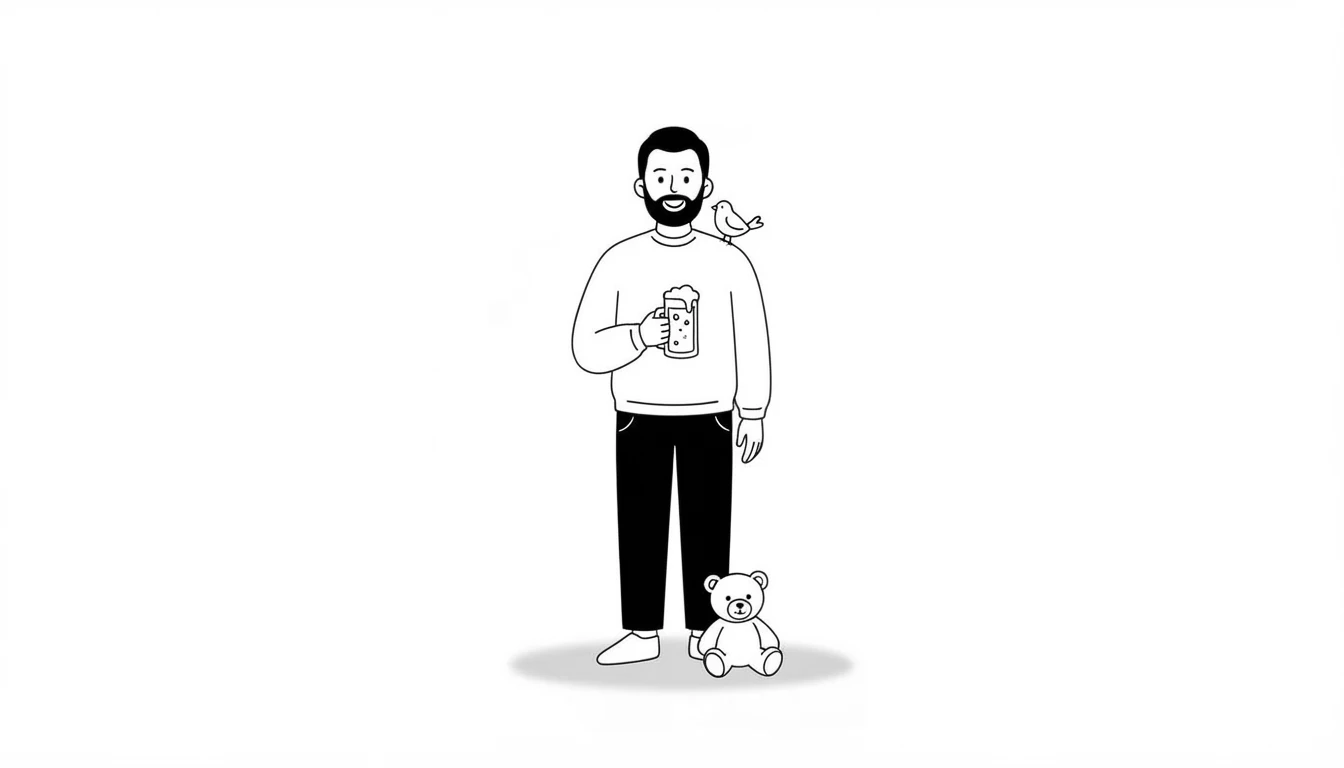
If you have ever said bear and been understood as beer, or read bird as «berd» and beard as «bird», you are not alone. These four words (bear, beer, bird, beard) are a classic of English pronunciation because they contain three sounds that Spanish does not have: the diphthongs /eə/ and /ɪə/ and the long vowel /ɜː/. And the worst part is that they are spelled in very similar ways.
Don’t worry, because with a few guidelines you will tell them apart without effort. In this guide I explain how the three sounds work and when each one applies, give you lists of words with their transcription and meaning, pairs and triplets to train your ear, the ear and ere trap (they sound three different ways), the most common mistakes and some quick questions. At the end there are thirty practice sentences with answers. Let’s get started! 🙂
The three sounds: /eə/, /ɪə/ and /ɜː/
All three are British English sounds with no equivalent in Spanish. The first two are «centring» diphthongs: they start with a vowel and end in a very short neutral vowel (the schwa /ə/). The third is a long vowel, the same /ɜː/ from my guide to short and long vowels.
| Sound | What it sounds like | Common spellings | Examples |
|---|---|---|---|
| /eə/ | an «e» followed by a very weak «a» | air, are, ear, ere, eir | bear, hair, care, there |
| /ɪə/ | a short «i» followed by a very weak «a» | ear, eer, ere, ier | beer, beard, here, pier |
| /ɜː/ | a long vowel between «e» and «o», with relaxed lips | ir, ur, er, ear, or | bird, turn, her, word |
In all three cases, the «r» is not pronounced in British English, even though it is written. If you cannot read these symbols yet, they are explained in my guide to English phonetics and the IPA chart.
The four words: bear, beer, bird and beard
| Word | Pronunciation | Sound | Meaning |
|---|---|---|---|
| bear | /beə/ | /eə/ | oso |
| beer | /bɪə/ | /ɪə/ | cerveza |
| beard | /bɪəd/ | /ɪə/ | barba |
| bird | /bɜːd/ | /ɜː/ | pájaro |
Notice two things: beer and beard have the same sound (/ɪə/) and differ only in the final /d/, and bear and beer are spelled almost the same but sound very different: /beə/ and /bɪə/. The difference is in the first part of the diphthong: /e/ versus /ɪ/.
/eə/: the sound of bear
It starts with an open «e» and glides towards a schwa. It appears in words with air, are, ear (only a few), ere and eir:
Listen to the words, one after another:
| 🇬🇧 Word | Pronunciation | 🇪🇸 Meaning |
|---|---|---|
| bear | /beə/ | oso |
| hair | /heə/ | pelo |
| chair | /tʃeə/ | silla |
| care | /keə/ | cuidado, importar |
| share | /ʃeə/ | compartir |
| wear | /weə/ | llevar puesto |
| pear | /peə/ | pera |
| there | /ðeə/ | allí, ahí |
| where | /weə/ | dónde |
| stairs | /steəz/ | escaleras |
/ɪə/: the sound of beer
It starts with a short, relaxed «i» (the /ɪ/ of ship) and ends in a schwa. It appears mostly in words with ear, eer and ere:
Listen to the words, one after another:
| 🇬🇧 Word | Pronunciation | 🇪🇸 Meaning |
|---|---|---|
| beer | /bɪə/ | cerveza |
| beard | /bɪəd/ | barba |
| here | /hɪə/ | aquí |
| near | /nɪə/ | cerca |
| year | /jɪə/ | año |
| clear | /klɪə/ | claro |
| hear | /hɪə/ | oír |
| cheer | /tʃɪə/ | animar, ovación |
| idea | /aɪˈdɪə/ | idea |
| weird | /wɪəd/ | raro |
/ɜː/: the sound of bird
It is a long vowel and not a diphthong, so the sound does not change while you say it. It is made with a relaxed mouth and unrounded lips, a bit like an «e» said with the tongue in the middle. It is the same sound as in work and learn, and it is spelled in many ways: ir, ur, er, ear and or.
Listen to the words, one after another:
| 🇬🇧 Word | Pronunciation | 🇪🇸 Meaning |
|---|---|---|
| bird | /bɜːd/ | pájaro |
| girl | /ɡɜːl/ | chica |
| first | /fɜːst/ | primero |
| shirt | /ʃɜːt/ | camisa |
| turn | /tɜːn/ | girar, turno |
| nurse | /nɜːs/ | enfermero/a |
| learn | /lɜːn/ | aprender |
| early | /ˈɜːli/ | temprano |
| world | /wɜːld/ | mundo |
| word | /wɜːd/ | palabra |
Pairs and triplets to train your ear
These words differ in just one of the three sounds. Practising them together is the best way to sharpen your ear and your pronunciation:
Listen to each triplet, from top to bottom:
| /eə/ | /ɪə/ | /ɜː/ |
|---|---|---|
| pair /peə/ | peer /pɪə/ | purr /pɜː/ |
| fair /feə/ | fear /fɪə/ | fur /fɜː/ |
| stair /steə/ | steer /stɪə/ | stir /stɜː/ |
| hair /heə/ | here /hɪə/ | her /hɜː/ |
| wear /weə/ | we’re /wɪə/ | were /wɜː/ |
The EAR and ERE trap
The ending ear is the trickiest, because the same spelling can sound three ways. The same goes for ere. There is no perfect rule, so it is best to learn them in groups:
Listen to each row, from top to bottom:
| ear spelling | Sound | Examples |
|---|---|---|
| ear | /ɪə/ | hear /hɪə/, near /nɪə/, year /jɪə/, clear /klɪə/, dear /dɪə/, fear /fɪə/ |
| ear | /eə/ | bear /beə/, pear /peə/, wear /weə/, swear /sweə/, tear (to rip) /teə/ |
| ear | /ɜː/ | learn /lɜːn/, earth /ɜːθ/, early /ˈɜːli/, heard /hɜːd/, search /sɜːtʃ/, pearl /pɜːl/ |
Listen to each row, from top to bottom:
| ere spelling | Sound | Examples |
|---|---|---|
| ere | /ɪə/ | here /hɪə/, mere /mɪə/, sphere /sfɪə/ |
| ere | /eə/ | there /ðeə/, where /weə/ |
| ere | /ɜː/ | were /wɜː/ |
A clue that helps: when ear is followed by a consonant (learn, earth, early, heard, search), it is most often /ɜː/. When it is the ending of the word (hear, near, year, clear), it is most often /ɪə/. And bear, pear and wear are so few that you simply learn them by heart. A curiosity: tear meaning «a drop from the eye» is pronounced /tɪə/, and meaning «to rip» it is /teə/.
Common mistakes with bear, beer, bird and beard
- ❌ Pronouncing bear the same as beer: «beer». → ✅ bear is /beə/, with an open «e», and beer is /bɪə/, with a short «i».
- ❌ Pronouncing a strong «r»: «berrd», «herr». → ✅ In British English it is not pronounced: bird /bɜːd/, her /hɜː/.
- ❌ Reading bird with the Spanish «i». → ✅ It is /bɜːd/: a long, neutral vowel, not an «i».
- ❌ Pronouncing beard as «bird» or «bard». → ✅ It is /bɪəd/, with a diphthong.
- ❌ Reading learn as «lern» with a short /e/. → ✅ It is /lɜːn/, with a long vowel.
- ❌ Saying there as «der» or «ser». → ✅ It is /ðeə/, with a diphthong.
- ❌ Pronouncing weird as «werd». → ✅ It is /wɪəd/: «wee-əd», with a diphthong.
Tips for practising
- Start with the triplets. Say pair, peer, purr over and over, noticing how the first part of the sound changes.
- Mind the final schwa. In /eə/ and /ɪə/ the sound ends in a weak vowel, not in an «r».
- Learn the ear words in groups: the /ɪə/ ones (hear, near, year), the /eə/ ones (bear, pear, wear) and the /ɜː/ ones (learn, earth, early).
- Use the IPA when a dictionary gives you a word with ear or ere: it is the one place with no doubts.
- Record yourself saying the four words (bear, beer, bird, beard) and compare with the audio of an online dictionary.
Frequently asked questions about /eə/, /ɪə/ and /ɜː/
How are bear, beer, bird and beard pronounced?
bear /beə/, beer /bɪə/, bird /bɜːd/ and beard /bɪəd/. The three sounds are different and none of them exists in Spanish.
Is the «r» pronounced in these words?
In British English, no: the sound ends in a weak vowel. In American English it is pronounced, and the sounds change slightly, but the differences between the words remain.
How many ways are there to pronounce ear?
Three: /ɪə/ (hear), /eə/ (bear) and /ɜː/ (learn). It is best to learn them in groups.
What is the difference between /eə/ and /ɪə/?
The first part of the diphthong: /eə/ starts with an open «e» and /ɪə/ with a short «i». Both end in a schwa.
What is the vowel /ɜː/?
A long, neutral vowel, with unrounded lips, that is spelled in many ways (ir, ur, er, ear, or): bird, turn, her, learn, word.
Exercises on bear, beer, bird and beard
Thirty sentences to check you’ve got it. Below you’ll find three interactive exercises that mark themselves, so you’ll know straight away how you did.
And if you prefer a version in text that you can copy and paste, you have it down here 👇
Exercise 1: choose the vowel sound
Choose the vowel sound of each word.
- The vowel sound in bear is _______________ (/eə/ / /ɪə/ / /ɜː/).
- The vowel sound in beer is _______________ (/eə/ / /ɪə/ / /ɜː/).
- The vowel sound in bird is _______________ (/eə/ / /ɪə/ / /ɜː/).
- The vowel sound in hair is _______________ (/eə/ / /ɪə/ / /ɜː/).
- The vowel sound in here is _______________ (/eə/ / /ɪə/ / /ɜː/).
- The vowel sound in learn is _______________ (/eə/ / /ɪə/ / /ɜː/).
- The vowel sound in wear is _______________ (/eə/ / /ɪə/ / /ɜː/).
- The vowel sound in near is _______________ (/eə/ / /ɪə/ / /ɜː/).
- The vowel sound in first is _______________ (/eə/ / /ɪə/ / /ɜː/).
- The vowel sound in there is _______________ (/eə/ / /ɪə/ / /ɜː/).
Show answers
- /eə/
- /ɪə/
- /ɜː/
- /eə/
- /ɪə/
- /ɜː/
- /eə/
- /ɪə/
- /ɜː/
- /eə/
Exercise 2: odd one out
Choose the word whose vowel sound is different.
- Odd one out:
a) bear
b) hair
c) beer - Odd one out:
a) bird
b) girl
c) beard - Odd one out:
a) here
b) near
c) pear - Odd one out:
a) word
b) there
c) her - Odd one out:
a) hear
b) year
c) wear - Odd one out:
a) learn
b) turn
c) fear - Odd one out:
a) chair
b) care
c) cheer - Odd one out:
a) early
b) first
c) deer - Odd one out:
a) stairs
b) third
c) shirt - Odd one out:
a) idea
b) weird
c) work
Show answers
- c) beer
- c) beard
- c) pear
- b) there
- c) wear
- c) fear
- c) cheer
- c) deer
- a) stairs
- c) work
Exercise 3: choose the transcription
Choose the correct transcription for each word.
- The word «bear» is transcribed _______________ (/beə/ / /bɪə/).
- The word «beer» is transcribed _______________ (/bɪə/ / /beə/).
- The word «bird» is transcribed _______________ (/bɜːd/ / /bɪəd/).
- The word «beard» is transcribed _______________ (/bɪəd/ / /bɜːd/).
- The word «hair» is transcribed _______________ (/heə/ / /hɪə/).
- The word «here» is transcribed _______________ (/hɪə/ / /heə/).
- The word «learn» is transcribed _______________ (/lɜːn/ / /lɪən/).
- The word «wear» is transcribed _______________ (/weə/ / /wɪə/).
- The word «idea» is transcribed _______________ (/aɪˈdɪə/ / /aɪˈdeə/).
- The word «first» is transcribed _______________ (/fɜːst/ / /fɪəst/).
Show answers
- /beə/
- /bɪə/
- /bɜːd/
- /bɪəd/
- /heə/
- /hɪə/
- /lɜːn/
- /weə/
- /aɪˈdɪə/
- /fɜːst/
Conclusion
To sum up in three ideas: bear, beer and bird have three different sounds (/eə/, /ɪə/ and /ɜː/) that Spanish does not have, and beer and beard share /ɪə/; the «r» is not pronounced in British English, so each sound ends in a weak vowel or is a long vowel; and the spelling ear is a trap, because it sounds three ways (hear, bear, learn), so learn the words in groups.
If you want to keep going, my next suggestion is to look at the pronunciation of CH, another letter combination that sounds three ways.
This guide is part of the KSE Academy pronunciation series. You will find the complete map, with all the guides, in the complete guide to English pronunciation.
Did you find this post useful? Share it with other students and English teachers. And if you want more content like this, subscribe to my newsletter and follow me on Facebook, Twitter, Pinterest, Instagram and YouTube.
See you in the next post. Until then, don’t forget to keep smiling! 🙂
