
Table of contents
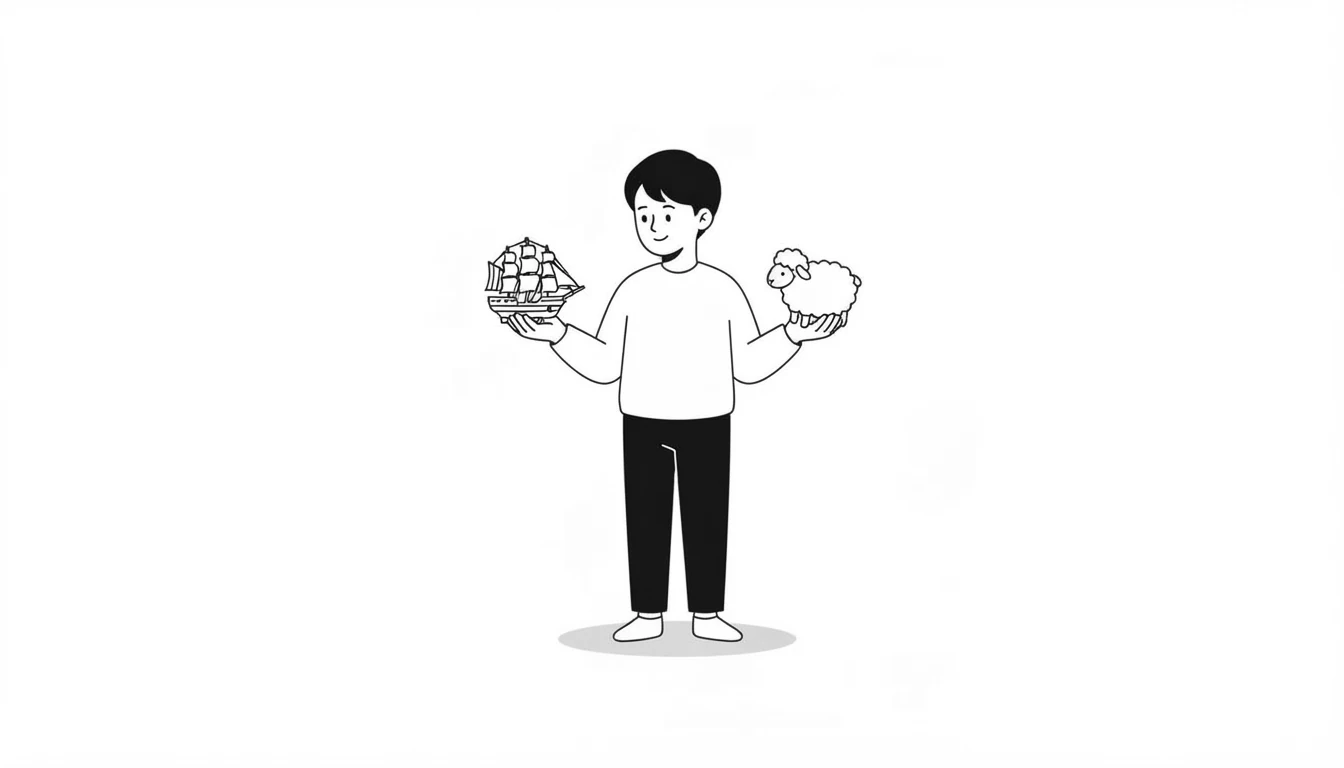
If you have ever said ship and been understood as sheep (or tried to say beach and come out with a very different word), you are in good company. It is one of the most common pronunciation mistakes among learners, especially Spanish speakers: in many languages the length of a vowel never changes the meaning, but in English it does.
Don’t worry, because it is fixable and easier than it looks. In this guide I explain what short and long vowels are in English, give you the tables with the 5 long and 6 short vowels (plus the schwa), the pairs that cause the most trouble with examples, the most common mistakes and tips for practising. At the end there are thirty practice sentences with answers. Let’s get started! 🙂
What are short and long vowels in English?
In standard British English there are 12 pure vowels (not counting diphthongs). They are grouped by length: long vowels are marked with a colon /ː/ in the IPA, and short vowels carry nothing. If you cannot read those symbols yet, start with my guide to English phonetics and the IPA chart.
The key is that length changes the word:
Listen to the pairs, from left to right and from top to bottom:
| Short | Long |
|---|---|
| ship /ʃɪp/ (barco) | sheep /ʃiːp/ (oveja) |
| full /fʊl/ (lleno) | fool /fuːl/ (tonto) |
| pot /pɒt/ (olla) | port /pɔːt/ (puerto) |
| cut /kʌt/ (cortar) | cart /kɑːt/ (carro) |
One important detail: length is not the only thing that changes. Long vowels also tend to be tenser and clearer, and short vowels more relaxed. So as well as lengthening, you need to pay attention to the quality of the sound.
The long vowels of English
There are five. They last longer, and the quality stays the same while you say them.
Listen to the five long vowels, one word after another:
| IPA | Examples | Common spellings |
|---|---|---|
| /iː/ | sheep, see, eat, key | ee, ea, ie, e |
| /ɑː/ | car, father, start, calm | ar, a, al |
| /ɔː/ | door, four, thought, port | or, oor, our, augh, ough, aw |
| /uː/ | food, blue, two, move | oo, ue, ew, o |
| /ɜː/ | bird, work, learn, turn | ir, or, ear, ur |
The short vowels of English
There are six, plus the schwa /ə/, which is short by definition and only appears in unstressed syllables.
Listen to the short vowels, one word after another:
| IPA | Examples | Common spellings |
|---|---|---|
| /ɪ/ | ship, sit, bit, women | i, y, e |
| /e/ | bed, ten, red, said | e, ea, ai |
| /æ/ | cat, man, bad, hand | a |
| /ʌ/ | cup, bus, love, blood | u, o, ou |
| /ɒ/ | hot, dog, not, want | o, a |
| /ʊ/ | book, put, good, could | oo, u, ou |
| /ə/ | about, teacher, banana | any unstressed vowel |
Notice how the same letter sounds very different: o is /ɒ/ in hot, /ʌ/ in love, /uː/ in move and /ɔː/ in port. That is why it pays to learn the sound, not the letter.
The pairs learners confuse most
Spanish has only five vowels and no length distinction, so several English sounds seem to be «the same» to Spanish speakers. These are the pairs most worth practising, with a tip for each:
/ɪ/ and /iː/ (ship and sheep)
This is the star pair. Many learners say both with a plain «ee». /iː/ is long, with the lips slightly spread, as in a smile; /ɪ/ is short, relaxed and sits somewhere between «ee» and «eh».
Listen to each pair, the short vowel first and then the long one:
| /ɪ/ | /iː/ |
|---|---|
| sit /sɪt/ | seat /siːt/ |
| bit /bɪt/ | beat /biːt/ |
| live /lɪv/ | leave /liːv/ |
| fill /fɪl/ | feel /fiːl/ |
| hill /hɪl/ | heel /hiːl/ |
| lip /lɪp/ | leap /liːp/ |
/ʊ/ and /uː/ (full and fool)
Same story with «oo». /uː/ is long, with the lips well rounded; /ʊ/ is short and relaxed.
Listen to each pair, the short vowel first and then the long one:
| /ʊ/ | /uː/ |
|---|---|
| full /fʊl/ | fool /fuːl/ |
| pull /pʊl/ | pool /puːl/ |
| look /lʊk/ | Luke /luːk/ |
| foot /fʊt/ | food /fuːd/ |
/æ/, /ʌ/ and /ɑː/ (cat, cut and cart)
Spanish has a single «a» for three English sounds. /æ/ is made with the mouth wide open, between «a» and «e»; /ʌ/ is short, with the mouth more relaxed; and /ɑː/ is long and deep, like the «aaah» you make at the doctor’s.
Listen to each row, from left to right:
| /æ/ | /ʌ/ | /ɑː/ |
|---|---|---|
| cat /kæt/ | cut /kʌt/ | cart /kɑːt/ |
| hat /hæt/ | hut /hʌt/ | heart /hɑːt/ |
| bad /bæd/ | bud /bʌd/ | bard /bɑːd/ |
| match /mætʃ/ | much /mʌtʃ/ | march /mɑːtʃ/ |
/ɒ/ and /ɔː/ (pot and port)
/ɒ/ is a short, open «o»; /ɔː/ is long and more closed, with the lips rounded.
Listen to each pair, the short vowel first and then the long one:
| /ɒ/ | /ɔː/ |
|---|---|
| pot /pɒt/ | port /pɔːt/ |
| shot /ʃɒt/ | short /ʃɔːt/ |
| cod /kɒd/ | cord /kɔːd/ |
| stock /stɒk/ | stork /stɔːk/ |
/e/ and /æ/ (bed and bad)
Both are short, but they differ in how far the mouth opens. /e/ is close to the Spanish «e» in «pelo»; /æ/ opens wider.
Listen to each pair, the short vowel first and then the long one:
| /e/ | /æ/ |
|---|---|
| bed /bed/ | bad /bæd/ |
| pen /pen/ | pan /pæn/ |
| men /men/ | man /mæn/ |
| set /set/ | sat /sæt/ |
/ɜː/ versus /ɔː/ (work and walk)
/ɜː/ is a long, neutral vowel, made without rounding the lips. Spanish speakers tend to replace it with an «o» or an «e». Compare work /wɜːk/ with walk /wɔːk/, shirt /ʃɜːt/ with short /ʃɔːt/, and fur /fɜː/ with four /fɔː/.
Vowels in the Cambridge exams
Cambridge exams do not ask for a perfect accent, but they do expect you to be understood without effort. Vowels matter in three places:
- Speaking. Examiners assess phonological control. Mixing up live and leave, or bed and bad, can change the meaning of a sentence and make the examiner ask you to repeat.
- Listening. Many audio traps rely on pairs like ship and sheep. If you can tell the sounds apart, similar-sounding options will not fool you.
- Vocabulary. Learning each new word with its transcription saves you from carrying a mistake around for years.
Common mistakes with English vowels
- ❌ Pronouncing ship and sheep the same. → ✅ Lengthen and tense the /iː/ of sheep, and relax and shorten the /ɪ/ of ship.
- ❌ Saying full with a long «oo». → ✅ full is /fʊl/, with a short, relaxed vowel.
- ❌ Using one «a» for cat, cut and cart. → ✅ They are three different sounds: /æ/, /ʌ/ and /ɑː/.
- ❌ Pronouncing work like walk. → ✅ /ɜː/ is made without rounding the lips: work /wɜːk/, walk /wɔːk/.
- ❌ Reading put like but. → ✅ put is /pʊt/ and but is /bʌt/.
- ❌ Pronouncing the final e of these or home. → ✅ It is silent: these /ðiːz/, home /həʊm/.
Tips for practising
- Work with minimal pairs. These are words that differ in just one sound (ship and sheep, pen and pan). Say them aloud one after the other, exaggerating the difference.
- Exaggerate the length at first. To lock in /iː/, make it longer than normal; later you will shorten it until it sounds natural.
- Watch your mouth. With a mirror or your phone camera, check that you smile on /iː/ and round your lips on /uː/.
- Record yourself and compare with the audio of an online dictionary.
- Learn words with their IPA. Every time you look up a new word, read the transcription and check whether it has the colon /ː/.
Frequently asked questions about English vowels
How many vowels does English have?
Standard British English has 12 pure vowels (5 long, 6 short and the schwa) and 8 diphthongs. There are only five vowel letters (a, e, i, o, u), but they stand for many more sounds.
What is the difference between a short and a long vowel?
Length and, usually, quality as well: long vowels last longer and are tenser, while short vowels are briefer and more relaxed. In the IPA, long vowels carry a colon /ː/.
How much longer is a long vowel?
It depends on the word and the context, but what matters is not measuring it, it is that the listener hears the difference. The practical approach is to exaggerate it when practising and adjust it over time.
What is the most common vowel in English?
The schwa /ə/, a neutral, short vowel that appears in unstressed syllables (about, teacher).
Short and long vowel exercises
Thirty sentences to check you’ve got it. Below you’ll find three interactive exercises that mark themselves, so you’ll know straight away how you did.
And if you prefer a version in text that you can copy and paste, you have it down here 👇
Exercise 1: short or long vowel?
Decide whether the vowel sound in each word is short or long.
- The vowel in ship is _______________ (short / long).
- The vowel in sheep is _______________ (short / long).
- The vowel in full is _______________ (short / long).
- The vowel in food is _______________ (short / long).
- The vowel in cat is _______________ (short / long).
- The vowel in car is _______________ (short / long).
- The vowel in bird is _______________ (short / long).
- The vowel in hot is _______________ (short / long).
- The vowel in cup is _______________ (short / long).
- The vowel in door is _______________ (short / long).
Show answers
- short
- long
- short
- long
- short
- long
- long
- short
- short
- long
Exercise 2: choose the word
Choose the word that matches the transcription.
- The transcription /liːv/ is the word _______________ (leave / live).
- The transcription /bɪt/ is the word _______________ (beat / bit).
- The transcription /fuːl/ is the word _______________ (full / fool).
- The transcription /pɔːt/ is the word _______________ (pot / port).
- The transcription /pæn/ is the word _______________ (pen / pan).
- The transcription /kʌt/ is the word _______________ (cart / cut).
- The transcription /wɜːk/ is the word _______________ (walk / work).
- The transcription /ʃɔːt/ is the word _______________ (short / shot).
- The transcription /hɑːt/ is the word _______________ (hut / heart).
- The transcription /sæd/ is the word _______________ (said / sad).
Show answers
- leave
- bit
- fool
- port
- pan
- cut
- work
- short
- heart
- sad
Exercise 3: odd one out
Choose the word with a different vowel sound.
- Odd one out:
a) feet
b) meat
c) hit - Odd one out:
a) food
b) book
c) blue - Odd one out:
a) cat
b) bad
c) cup - Odd one out:
a) car
b) farm
c) cat - Odd one out:
a) door
b) port
c) hot - Odd one out:
a) bird
b) work
c) born - Odd one out:
a) bed
b) pen
c) man - Odd one out:
a) put
b) good
c) too - Odd one out:
a) bus
b) fun
c) fur - Odd one out:
a) green
b) think
c) team
Show answers
- c) hit
- b) book
- c) cup
- c) cat
- c) hot
- c) born
- c) man
- c) too
- c) fur
- b) think
Conclusion
To sum up in three ideas: in English the length of a vowel changes the meaning, so /ɪ/ and /iː/ or /ʊ/ and /uː/ are not the same; there are 5 long and 6 short vowels (plus the schwa), and the pairs that cause most trouble are the ones some languages do not distinguish; and practising with minimal pairs is the quickest way to sharpen your ear and your pronunciation.
If you want to keep going, my next suggestion is to revisit the English alphabet, with a full audio to practise the name of every letter.
This guide is part of the KSE Academy pronunciation series. You will find the complete map, with all the guides, in the complete guide to English pronunciation.
Did you find this post useful? Share it with other students and English teachers. And if you want more content like this, subscribe to my newsletter and follow me on Facebook, Twitter, Pinterest, Instagram and YouTube.
See you in the next post. Until then, don’t forget to keep smiling! 🙂
