
Table of contents
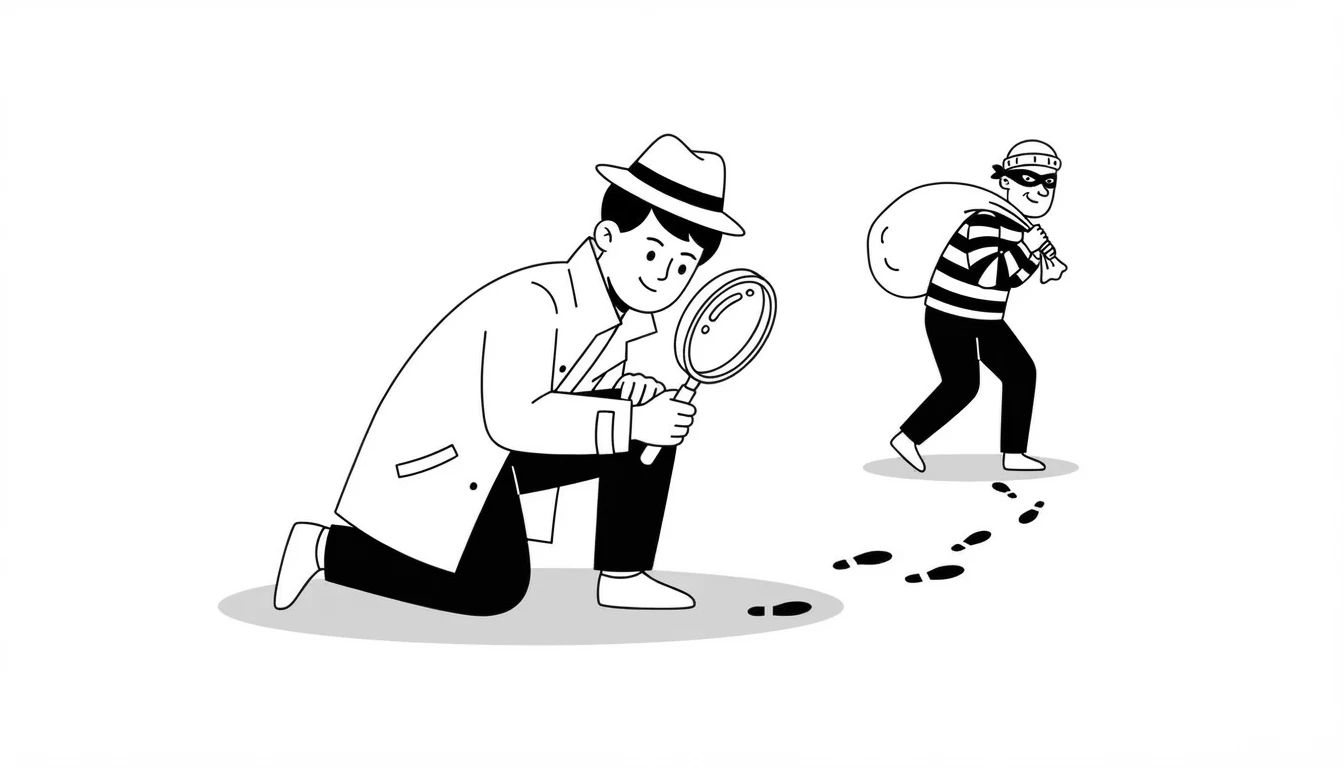
If you watch crime dramas in English, you’ve probably been there: the detective says the suspect has an alibi, the lawyer asks for bail, the judge mentions manslaughter… and suddenly you’ve lost track of the whole episode. And it isn’t just TV. Crime vocabulary comes up in the news, in everyday conversation (who hasn’t had something stolen at some point?) and, above all, in the Cambridge exams, where crime is one of the favourite topics for essays and Speaking.
This topic also hides a few traps: rob and steal don’t mean the same thing, there are three different nouns for a «theft», and in English you don’t «do» or «make» a crime, you commit one. Don’t worry, I’m going to make it all clear in this post.
You’ll find the difference between crime and offence, the main types of crime with their pronunciation and the name of the person who commits them, how to talk about stealing, thieves and scams, the vocabulary of the police and the courts, the most useful collocations and idioms, the typical mistakes, how all this appears in the Cambridge exams and, at the end, exercises with an answer key.
Let’s get started! 🙂
Crime or offence? The basic words
Let’s start with the basics. The general word is crime /kraɪm/, and it works in two ways:
- Countable, for a specific illegal act: He committed a crime when he was 18.
- Uncountable, for illegal activity in general: Crime is falling in most big cities.
Notice that crime covers anything illegal, from stealing a packet of chewing gum to robbing a bank. It doesn’t have to be something as serious as murder.
The other word worth knowing is offence /əˈfens/ (spelt offense in American English). It’s more formal, and it’s the word the police and the courts use: Drink-driving is a serious offence. A person who commits a crime is a criminal or, in official language, an offender (a young offender).
If you watch American series, you’ll also hear felony (a serious crime) and misdemeanor (a minor one). These terms belong to the US legal system.
| 🇬🇧 English | Pronunciation | 🇪🇸 Spanish |
|---|---|---|
| crime | /kraɪm/ | delito, crimen; delincuencia |
| offence (UK) / offense (US) | /əˈfens/ | delito, infracción (formal) |
| criminal | /ˈkrɪmɪnl/ | delincuente, criminal |
| offender | /əˈfendə/ | delincuente, infractor (formal) |
| petty crime | /ˈpeti kraɪm/ | delitos menores |
| serious crime | /ˈsɪəriəs kraɪm/ | delitos graves |
| the crime rate | /ðə kraɪm reɪt/ | el índice de delincuencia |
Types of crime in English
Here are the most common crimes, grouped by type. For each one I’ve also included the name of the person who commits it, because in English it’s almost always a different word (and it isn’t always formed in the same way).
Theft and crimes against property
| 🇬🇧 Crime | Pronunciation | 🇪🇸 Spanish | 🇬🇧 Who commits it |
|---|---|---|---|
| theft | /θeft/ | robo, hurto | thief |
| robbery | /ˈrɒbəri/ | robo, atraco (con violencia o amenaza) | robber |
| armed robbery | /ɑːmd ˈrɒbəri/ | atraco a mano armada | armed robber |
| burglary | /ˈbɜːɡləri/ | robo en una casa o edificio | burglar |
| shoplifting | /ˈʃɒplɪftɪŋ/ | hurto en tiendas | shoplifter |
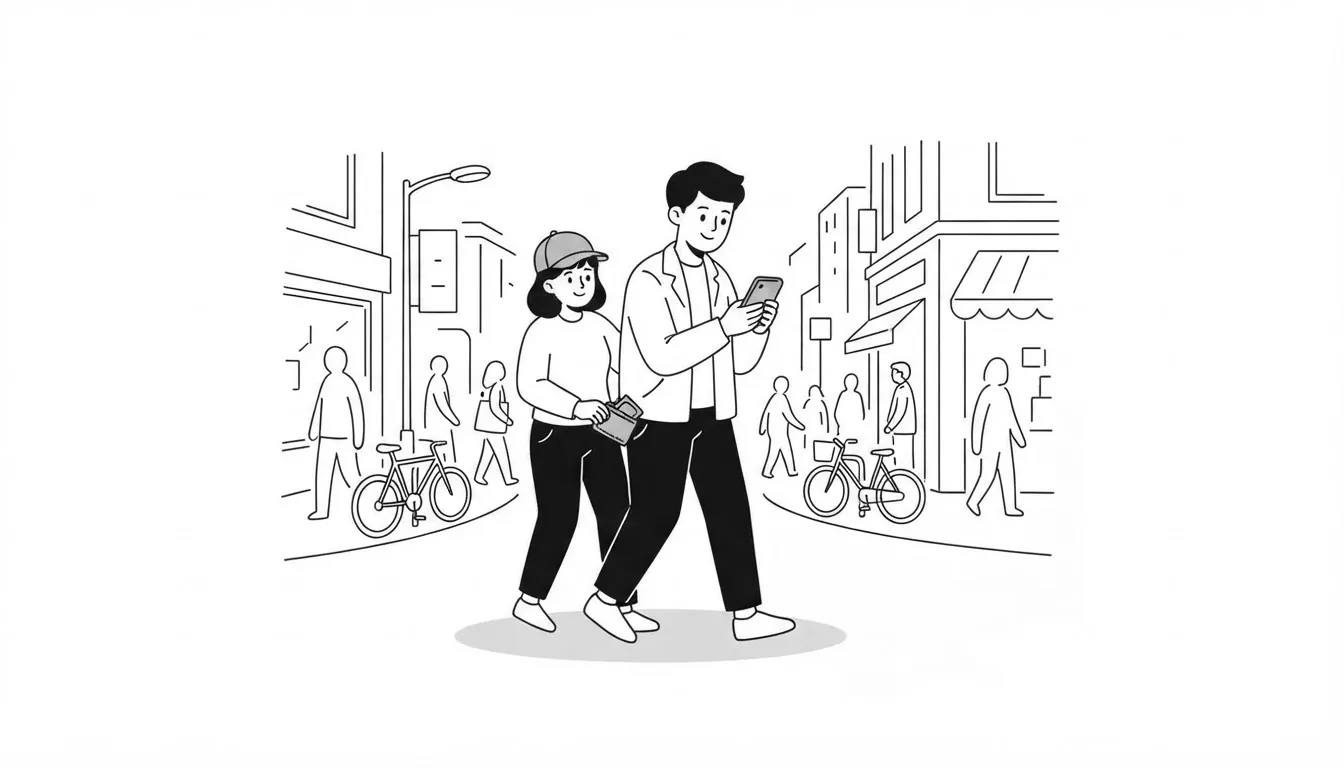
| pickpocketing | /ˈpɪkpɒkɪtɪŋ/ | robo de carteras, carterismo | pickpocket |
| mugging | /ˈmʌɡɪŋ/ | atraco por la calle | mugger |
| car theft | /kɑː θeft/ | robo de coches | car thief |
| vandalism | /ˈvændəlɪzəm/ | vandalismo | vandal |
| arson | /ˈɑːsn/ | incendio provocado | arsonist |
Crimes against people
| 🇬🇧 Crime | Pronunciation | 🇪🇸 Spanish | 🇬🇧 Who commits it |
|---|---|---|---|
| murder | /ˈmɜːdə/ | asesinato | murderer |
| manslaughter | /ˈmænslɔːtə/ | homicidio (sin intención de matar) | (no specific word) |
| assault | /əˈsɔːlt/ | agresión | attacker |
| kidnapping | /ˈkɪdnæpɪŋ/ | secuestro (de una persona) | kidnapper |
| hijacking | /ˈhaɪdʒækɪŋ/ | secuestro (de un avión o vehículo) | hijacker |
| harassment | /ˈhærəsmənt/ | acoso | harasser |
| stalking | /ˈstɔːkɪŋ/ | acoso (seguir y vigilar a alguien) | stalker |
| domestic violence | /dəˈmestɪk ˈvaɪələns/ | violencia doméstica | abuser |
Watch the pronunciation of murder: in British English the r is silent and the first syllable sounds like bird. And in assault the stress falls on the second syllable: /əˈsɔːlt/.
Fraud, scams and financial crime
| 🇬🇧 Crime | Pronunciation | 🇪🇸 Spanish | 🇬🇧 Who commits it |
|---|---|---|---|
| fraud | /frɔːd/ | fraude, estafa | fraudster |
| bribery | /ˈbraɪbəri/ | soborno | (a bribe = un soborno) |
| blackmail | /ˈblækmeɪl/ | chantaje | blackmailer |
| embezzlement | /ɪmˈbezlmənt/ | malversación, desfalco | embezzler |
| money laundering | /ˈmʌni ˈlɔːndərɪŋ/ | blanqueo de dinero | money launderer |
| tax evasion | /tæks ɪˈveɪʒn/ | evasión de impuestos | tax evader |
| forgery | /ˈfɔːdʒəri/ | falsificación (de documentos, firmas) | forger |
| counterfeiting | /ˈkaʊntəfɪtɪŋ/ | falsificación (de dinero, productos) | counterfeiter |
| identity theft | /aɪˈdentəti θeft/ | robo de identidad | identity thief |
| hacking | /ˈhækɪŋ/ | piratería informática | hacker |
Crimes committed online are grouped together as cybercrime /ˈsaɪbəkraɪm/. And financial crimes committed by people in offices, in suits and ties, are known as white-collar crime.
Other crimes
| 🇬🇧 Crime | Pronunciation | 🇪🇸 Spanish | 🇬🇧 Who commits it |
|---|---|---|---|
| drug dealing | /drʌɡ ˈdiːlɪŋ/ | venta de drogas, trapicheo | drug dealer |
| drug trafficking | /drʌɡ ˈtræfɪkɪŋ/ | narcotráfico | drug trafficker |
| smuggling | /ˈsmʌɡlɪŋ/ | contrabando | smuggler |
| trespassing | /ˈtrespəsɪŋ/ | entrar sin permiso en una propiedad | trespasser |
| drink-driving (UK) / drunk driving (US) | /drɪŋk ˈdraɪvɪŋ/ | conducir bajo los efectos del alcohol | drink-driver |
| speeding | /ˈspiːdɪŋ/ | exceso de velocidad | (a speeding driver) |
| terrorism | /ˈterərɪzəm/ | terrorismo | terrorist |
You’ve probably seen a No trespassing sign in a film: it means you’re not allowed to enter the land or building.
Stealing: rob, steal, theft, robbery and burglary
This is, by far, the area that causes the most confusion. Many languages use a single verb and a single noun for all of it, but in English it depends on what is taken, from whom and how.
Rob or steal
The rule is very simple, although it takes a while to apply it naturally:
- Steal (stole, stolen) goes with the thing that is taken: Someone stole my phone.
- Rob (robbed, robbed) goes with the person or the place: Two men robbed a bank. / I was robbed on the bus.
So you say My wallet was stolen or Someone stole my wallet, but never Someone robbed my wallet ❌ or They stole me my wallet ❌. If you want to mention the victim with steal, use from: He stole money from his boss.
My trick to remember it: you rob people and places, you steal things. 🙂
Theft, robbery and burglary
The nouns work in a similar way. All three describe taking something that isn’t yours, but they aren’t interchangeable:
| 🇬🇧 English | What kind of crime it is | Example |
|---|---|---|
| theft | Taking something in general, without violence. | Bike theft is very common in this area. |
| robbery | Taking something from a person or place using violence or threats. | There was a robbery at the bank yesterday. |
| burglary | Entering a house or building to steal (usually when nobody is in). | We had a burglary while we were on holiday. |
| mugging | Attacking someone in the street to steal from them. | He was the victim of a mugging near the station. |
The verb for burglary is burgle in British English (Our house was burgled) and burglarize in American English. The verb for mugging is mug: She was mugged on her way home. And to say how the thief got in, the key phrasal verb is break into: Someone broke into my car last night. If you’d like more, have a look at my post on phrasal verbs with BREAK.
Words for thieves
Just like the nouns for the crime, there’s one general word and several specific ones depending on how the person steals.
| 🇬🇧 English | Pronunciation | 🇪🇸 Spanish |
|---|---|---|
| thief (plural thieves) | /θiːf/, /θiːvz/ | ladrón (la palabra general) |
| robber | /ˈrɒbə/ | atracador (bank robber: atracador de bancos) |
| burglar | /ˈbɜːɡlə/ | ladrón que entra en casas |
| pickpocket | /ˈpɪkpɒkɪt/ | carterista |
| shoplifter | /ˈʃɒplɪftə/ | ladrón de tiendas, mechero |
| mugger | /ˈmʌɡə/ | atracador callejero |
| car thief | /kɑː θiːf/ | ladrón de coches |
Be careful with the plural of thief: like knife or wife, the f becomes v. It’s thieves, not thiefs ❌. By the way, the verb to thieve exists, but it’s rarely used: the normal verb is steal.
And if someone is a thief in a figurative sense, for example a shop charging ridiculous prices, you can also say They’re thieves! or, more informally, He’s a crook!
Scams and fraud
There are several options here too, and the choice depends mainly on register:
| 🇬🇧 English | Pronunciation | 🇪🇸 Spanish | When to use it |
|---|---|---|---|
| scam | /skæm/ | estafa, timo | The most common word in everyday English (an online scam, a phone scam). |
| fraud | /frɔːd/ | fraude, estafa | Legal and formal (credit card fraud). |
| con | /kɒn/ | timo, engaño | Informal. Very common as a verb: He conned me. |
| swindle | /ˈswɪndl/ | estafa, timo | A bit old-fashioned or literary. |
| rip-off | /ˈrɪp ɒf/ | robo, clavada (precio abusivo) | Informal, for something far too expensive: Ten euros for a coffee? What a rip-off! |
| phishing | /ˈfɪʃɪŋ/ | phishing, suplantación por correo o SMS | Emails or texts designed to steal your personal details. |
For the person behind the scam you have scammer (the most common), fraudster (more formal) and con artist or conman (the smooth-talking kind).
These are the most useful verbs:
- scam someone: Thousands of people were scammed by a fake website.
- con someone out of something: He conned an old lady out of her savings.
- defraud (formal): The company defrauded its customers.
- rip someone off (informal): That taxi driver ripped us off!
- fall for a scam: to be tricked by it. Don’t fall for it!
Murder, manslaughter and homicide
Another favourite of crime series. These words are not synonyms:
- Murder: killing someone on purpose. He was charged with murder.
- Manslaughter: killing someone without intending to (for example, in a fight or through carelessness).
- Homicide: a general legal term, used especially in the United States (hence the homicide detective of American TV).
- Assassination: the murder of an important person, usually a politician, for political reasons. The assassination of President Kennedy.
- Killing: the neutral word for a violent death, without saying whether it was intentional.
Two more you’ll hear a lot: a crime of passion and a serial killer.
From arrest to trial: police and court vocabulary
Knowing the names of the crimes isn’t enough. This is the vocabulary you need to explain what happens next.
The investigation
| 🇬🇧 English | Pronunciation | 🇪🇸 Spanish |
|---|---|---|
| police officer | /pəˈliːs ˈɒfɪsə/ | agente de policía |
| detective | /dɪˈtektɪv/ | detective, inspector |
| crime scene | /kraɪm siːn/ | escena del crimen |
| victim | /ˈvɪktɪm/ | víctima |
| witness | /ˈwɪtnəs/ | testigo |
| suspect | /ˈsʌspekt/ | sospechoso |
| evidence | /ˈevɪdəns/ | pruebas |
| fingerprints | /ˈfɪŋɡəprɪnts/ | huellas dactilares |
| alibi | /ˈæləbaɪ/ | coartada |
| to investigate | /ɪnˈvestɪɡeɪt/ | investigar |
| to arrest | /əˈrest/ | detener, arrestar |
| to charge (someone with) | /tʃɑːdʒ/ | acusar formalmente (de un delito) |
Notice the stress in suspect: the noun is stressed on the first syllable, /ˈsʌspekt/, and the verb on the second, /səˈspekt/. And remember that evidence is uncountable: There is no evidence, never an evidence ❌. For a single item, say a piece of evidence.
In court
| 🇬🇧 English | Pronunciation | 🇪🇸 Spanish |
|---|---|---|
| court | /kɔːt/ | tribunal, juzgado |
| trial | /ˈtraɪəl/ | juicio |
| judge | /dʒʌdʒ/ | juez, jueza |
| jury | /ˈdʒʊəri/ | jurado |
| lawyer | /ˈlɔːjə/ | abogado (la palabra general) |
| the defendant | /dɪˈfendənt/ | el acusado |
| the prosecution | /ˌprɒsɪˈkjuːʃn/ | la acusación, la fiscalía |
| the defence (UK) / defense (US) | /dɪˈfens/ | la defensa |
| to plead guilty / not guilty | /pliːd ˈɡɪlti/ | declararse culpable / inocente |
| verdict | /ˈvɜːdɪkt/ | veredicto |
| to be found guilty | /faʊnd ˈɡɪlti/ | ser declarado culpable |
| to be acquitted | /əˈkwɪtɪd/ | ser absuelto |
| to appeal | /əˈpiːl/ | recurrir, apelar |
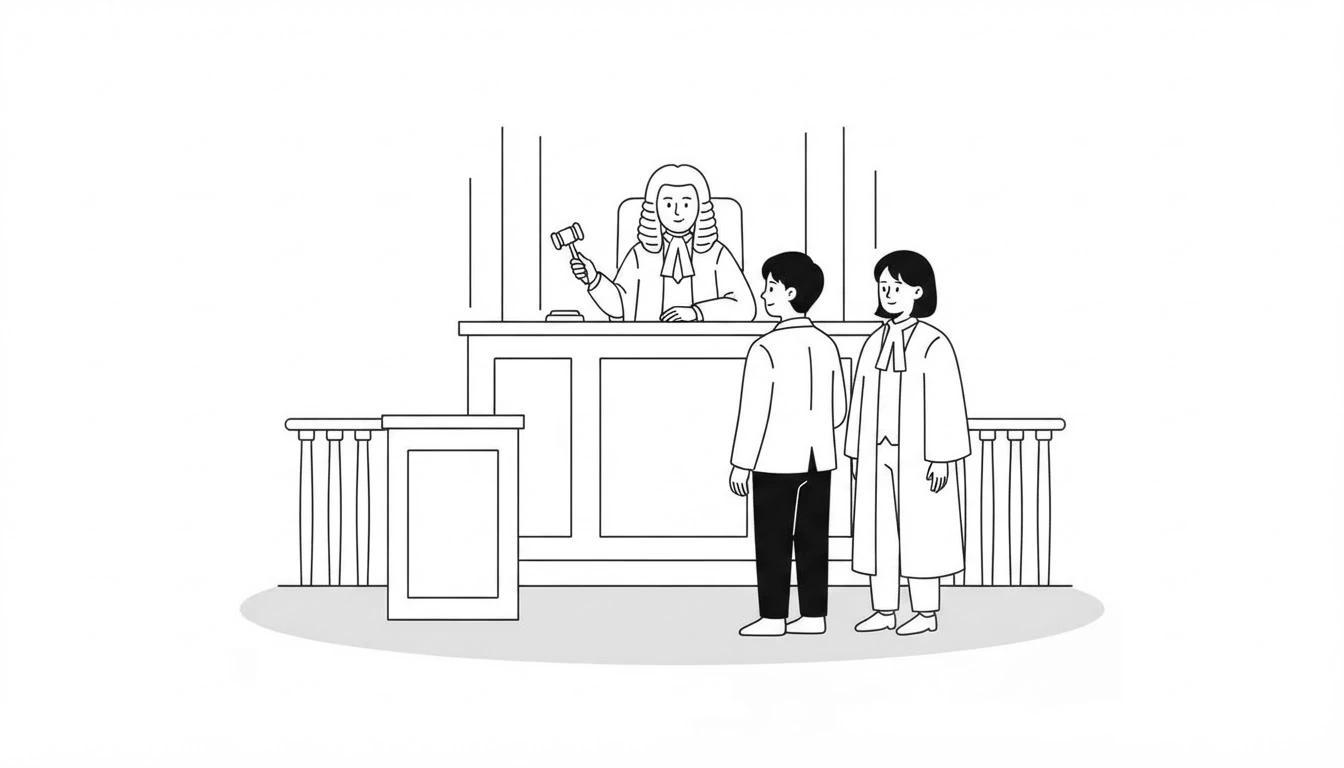
In the UK there are two kinds of lawyer: a solicitor, who gives legal advice and prepares cases, and a barrister, who argues cases in the higher courts (the one in the white wig). In the United States you’ll hear attorney a lot.
Punishments
| 🇬🇧 English | Pronunciation | 🇪🇸 Spanish |
|---|---|---|
| sentence | /ˈsentəns/ | condena, pena |
| to be sentenced to | /ˈsentənst tə/ | ser condenado a |
| a fine / to fine | /faɪn/ | una multa / multar |
| community service | /kəˈmjuːnəti ˈsɜːvɪs/ | trabajos en beneficio de la comunidad |
| a suspended sentence | /səˈspendɪd ˈsentəns/ | una condena suspendida |
| a prison sentence | /ˈprɪzn ˈsentəns/ | una pena de cárcel |
| a life sentence | /laɪf ˈsentəns/ | cadena perpetua |
| the death penalty | /deθ ˈpenəlti/ | la pena de muerte |
| bail | /beɪl/ | fianza, libertad bajo fianza |
| on parole | /ɒn pəˈrəʊl/ | en libertad condicional |
| on probation | /ɒn prəˈbeɪʃn/ | en libertad vigilada |
A quick note: sentence is a punishment, but it’s also a group of words. Out of context, The judge read the sentence could sound ambiguous, although in a courtroom nobody would be confused. 😉 And if you’re wondering about the difference between jail and prison, I explain it in my post on jail vs prison.
Collocations, idioms and phrasal verbs about crime
Key collocations
These combinations are what make you sound natural. Learn them as chunks:
| 🇬🇧 English | 🇪🇸 Spanish |
|---|---|
| commit a crime | cometer un delito |
| break the law | infringir la ley |
| solve a crime / a case | resolver un delito / un caso |
| report a crime | denunciar un delito |
| fight crime / tackle crime | combatir la delincuencia |
| a crime wave | una ola de delitos |
| organised crime | crimen organizado |
| face charges | enfrentarse a cargos |
| serve a sentence | cumplir condena |
| a law-abiding citizen | un ciudadano que cumple la ley |
The most important point in this table: in English you commit a crime. Make a crime ❌ and do a crime ❌ are very common mistakes.
Crime idioms
| 🇬🇧 Idiom | 🇪🇸 Spanish | Example |
|---|---|---|
| catch someone red-handed | pillar a alguien con las manos en la masa | The police caught him red-handed. |
| behind bars | entre rejas, en la cárcel | He spent ten years behind bars. |
| do time / serve time | cumplir condena en la cárcel | She did time for fraud. |
| on the run | a la fuga, huido | The prisoner has been on the run for a week. |
| partner in crime | compinche (a menudo en broma) | My sister is my partner in crime. |
| crime doesn’t pay | el crimen no compensa | Remember: crime doesn’t pay! |
| take the law into your own hands | tomarse la justicia por su mano | You shouldn’t take the law into your own hands. |
Crime phrasal verbs
- break into: to enter by force. Someone broke into the office.
- get away (with something): to escape; to avoid punishment. The thieves got away. / He got away with it.
- lock up: to put in prison. They should lock him up!
- turn yourself in / hand yourself in: to go to the police voluntarily. The suspect turned himself in.
- turn someone in: to report someone to the police.
- beat someone up: to hit someone repeatedly.
- rip someone off: to cheat someone, especially by charging too much (you saw it in the scams section).
Typical mistakes
- Mixing up rob and steal: Someone robbed my bike ❌, Someone stole my bike ✅.
- Putting the victim straight after steal: They stole me my phone ❌, My phone was stolen ✅.
- Making a crime: He made a crime ❌, He committed a crime ✅.
- Using «condemn» for a court sentence: He was condemned to five years ❌, He was sentenced to five years ✅. Condemn usually means to criticise strongly: The government condemned the attack.
- Saying «culpable» instead of guilty: He was declared culpable ❌, He was found guilty ✅.
- Using «delinquent» for any criminal: delinquent is used almost only in juvenile delinquent. For an adult, say criminal or offender.
- Treating police as singular: The police is coming ❌, The police are coming ✅.
- Counting evidence: an evidence ❌, some evidence or a piece of evidence ✅.
- The plural of thief: thiefs ❌, thieves ✅.
Crime in the Cambridge exams
In my experience as an exam trainer, crime is one of the topics that comes up most often from B2 First upwards:
- Writing: it’s a common essay topic, with questions such as whether longer sentences reduce crime or whether we need more police on the streets. I cover this in depth in my guides to the B2 First essay and the C1 Advanced essay.
- Speaking Part 4 (B2 and C1): opinion questions like Do you think the streets in your town are safe? or What can be done to reduce crime among young people?
- Reading and Listening: news stories, articles about cybercrime and interviews with detectives or lawyers are frequent texts.
A sample Speaking answer
Here’s an answer to Do you think longer prison sentences are the best way to reduce crime? written to simulate a B2 level, without reaching C1:
Well, I’m not completely sure. On the one hand, if criminals know they might spend many years behind bars, some of them may think twice before breaking the law. On the other hand, I don’t think prison always works. A lot of people who serve time come out and commit another crime, so perhaps it’s more important to help them find a job. In my opinion, the police should also focus on preventing crime, for example by having more officers on the streets at night.
Look at what makes it work: it presents both sides with On the one hand… On the other hand, uses topic collocations (break the law, serve time, commit a crime, prevent crime), includes a simple idiom (behind bars) and a natural expression (think twice), and finishes with a clear opinion and an example. That’s exactly what a B2 examiner is looking for: well-connected ideas and precise vocabulary, without overly complex structures.
Advanced vocabulary for Writing (C1 and C2)
If you’re taking C1 Advanced or C2 Proficiency, these words will help you raise the level of a crime essay:
- a deterrent: something that discourages people from doing something. Harsh sentences are not always an effective deterrent.
- rehabilitation: helping offenders return to normal life. Prisons should focus on rehabilitation.
- to reoffend: to commit another crime. Many prisoners reoffend within two years.
- to crack down on: to deal with something much more strictly. The government is cracking down on knife crime.
- the root causes of crime: the underlying reasons (poverty, lack of opportunities…).
- law enforcement: the police and other organisations that make people obey the law.
Tips for learning this vocabulary
- Learn the words in families: the crime, the person and the verb together (burglary, burglar, burgle; theft, thief, steal). That way you won’t get stuck halfway through a story.
- Watch crime series in English with English subtitles. The same vocabulary comes up again and again from one episode to the next. If you need ideas, have a look at my post on film vocabulary in English.
- Read crime news in English (the BBC’s crime section, for example). The stories are short and full of the collocations in this post.
- Practise telling a story: invent a robbery and tell it from beginning to end (the crime, the arrest, the trial and the sentence). It’s a great exercise for Speaking.
Crime vocabulary exercises
Time to practise. Below you have three interactive exercises that mark themselves, so you’ll know straight away how you’ve done. Try to do them without looking back at the post.
And if you prefer a version in text that you can copy and paste, you have it down here 👇
Exercise 1. Choose the correct option
Choose the correct word or expression in each sentence.
- Someone (stole / robbed) my bike last night.
- Two men (stole / robbed) a bank in the city centre.
- A (burglar / pickpocket) broke into our house while we were on holiday.
- The police caught him (shoplifting / robbing) a pair of jeans from a department store.
- The police have no (evidences / evidence) against him.
- She was (sentenced / condemned) to three years in prison.
- The jury found him (guilty / guilt) of fraud.
- They (committed / made) the crime in broad daylight.
- Ten euros for a small coffee? What a (rip-off / robbery)!
- The woman who saw the robbery is the only (witness / suspect).
Show answers
- stole
- robbed
- burglar
- shoplifting
- evidence
- sentenced
- guilty
- committed
- rip-off
- witness
Exercise 2. Who commits the crime?
Complete each sentence with the name of the person who commits the crime in brackets.
- The _______________ (burglary) got in through the kitchen window.
- A _______________ (theft) took my bag while I was having lunch.
- The police are looking for two _______________ (theft) who stole a car.
- The _______________ (murder) was sentenced to life in prison.
- The security guard stopped a _______________ (shoplifting) at the exit.
- Firefighters believe an _______________ (arson) started the fire.
- A _______________ (mugging) attacked him and took his phone.
- The _______________ (kidnapping) asked for a million pounds.
- Two bank _______________ (robbery) escaped in a stolen van.
- Some _______________ (vandalism) broke all the windows of the bus stop.
Show answers
- burglar
- thief
- thieves
- murderer
- shoplifter
- arsonist
- mugger
- kidnapper
- robbers
- vandals
Exercise 3. Correct the mistake
Each sentence has one mistake. Write it correctly.
- They stole me my phone on the bus.
- The thiefs ran away when they saw the police.
- He made a crime when he was young.
- The police is looking for the robbers.
- She was condemned to two years in prison.
- Somebody robbed my wallet.
- There is an evidence that he was there.
- The jury declared him culpable.
- The judge put him a fine of 500 euros.
- The police arrested a dangerous delinquent.
Show answers
- They stole my phone on the bus.
- The thieves ran away when they saw the police.
- He committed a crime when he was young.
- The police are looking for the robbers.
- She was sentenced to two years in prison.
- Somebody stole my wallet.
- There is evidence that he was there.
- The jury found him guilty.
- The judge fined him 500 euros.
- The police arrested a dangerous criminal.
Conclusion
To sum up: crime is the general word (and offence its formal version), crimes are committed, you steal things but rob people and places, and for thefts, thieves and scams you need to choose the word that matches the situation: theft, robbery, burglary; thief, robber, burglar; scam, fraud, rip-off. With all this, the next crime series you watch in English will be much easier to follow.
Did you find this post useful? Share it with other English learners and teachers. And if you’d like more content like this, subscribe to my newsletter and follow me on Facebook, Twitter, Pinterest, Instagram and YouTube.
See you in the next post. Until then, don’t forget to keep smiling! 🙂
