Chess Vocabulary in English: A Complete Guide
Discover chess vocabulary in English: pieces, moves, strategies, and idioms. A complete guide with examples, pronunciation, and a downloadable glossary.

Table of contents
Chess is so much more than just a board game: it’s a mental sport, an educational tool, and a universal language that transcends borders. If you’ve ever watched an international tournament or tried to follow a video about chess in English, you’ll have quickly realised that knowing the specific chess vocabulary in English is absolutely essential. A large part of modern terminology comes from English, the predominant language in tournaments, books, and online platforms. So, learning this English vocabulary will not only improve your understanding of the game but also connect you with a global community of millions of enthusiasts.
Why learn chess vocabulary in English?
Mastering chess vocabulary in English opens doors to a wealth of resources: most chess literature, from Bobby Fischer’s classics to Magnus Carlsen’s analyses, is written in English. What’s more, popular platforms like Chess.com and Lichess use English as their primary language. If you want to participate in international tournaments or simply enjoy high-quality content, this vocabulary is your best ally. It’s like having a secret weapon in your linguistic arsenal, ready to make you sound like a grandmaster – or at least a very articulate club player!
Chess pieces: names and pronunciation in English
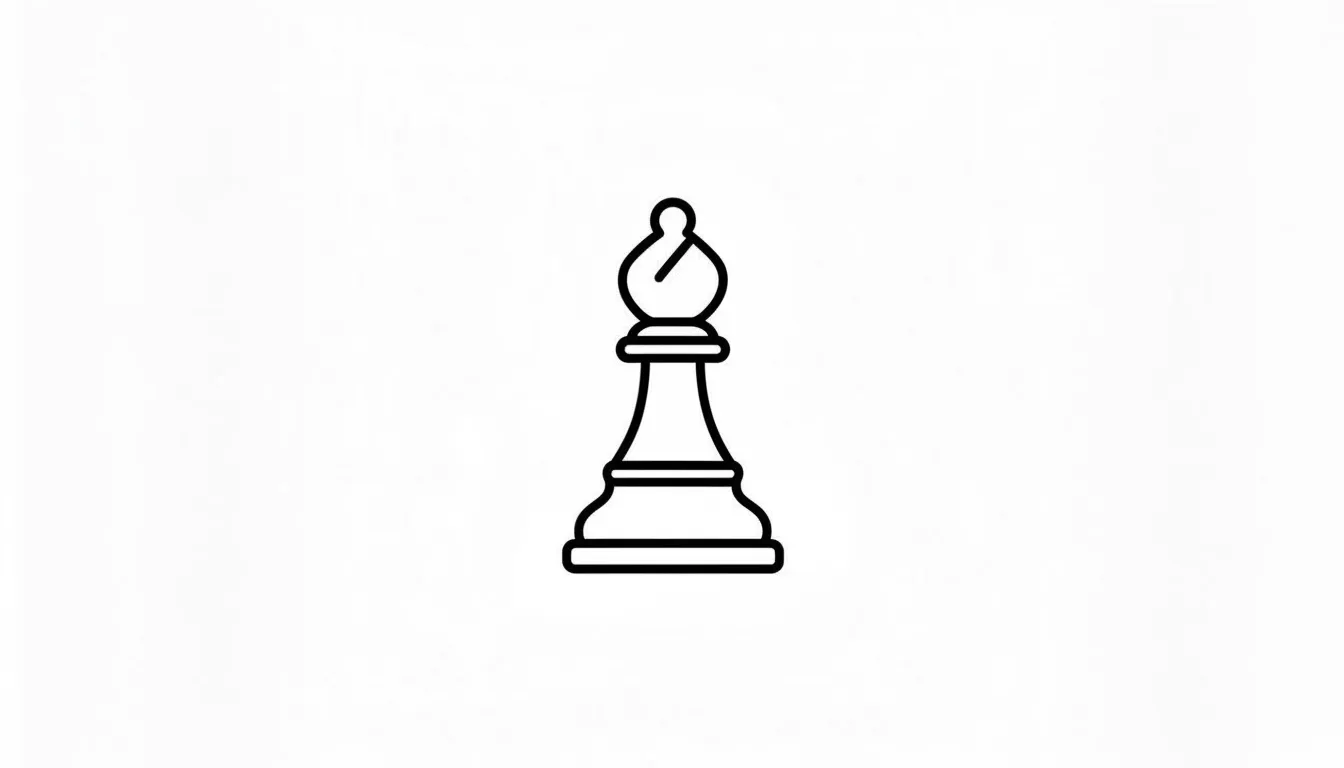
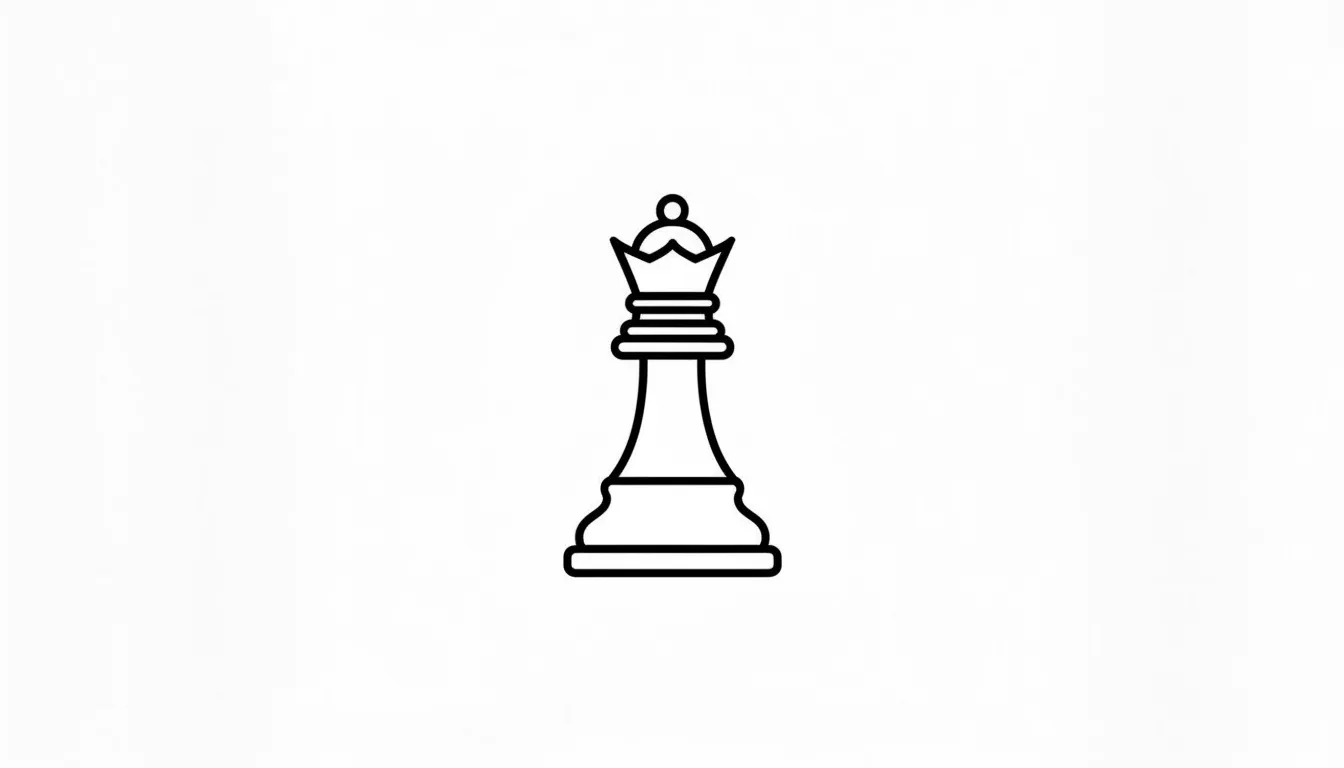
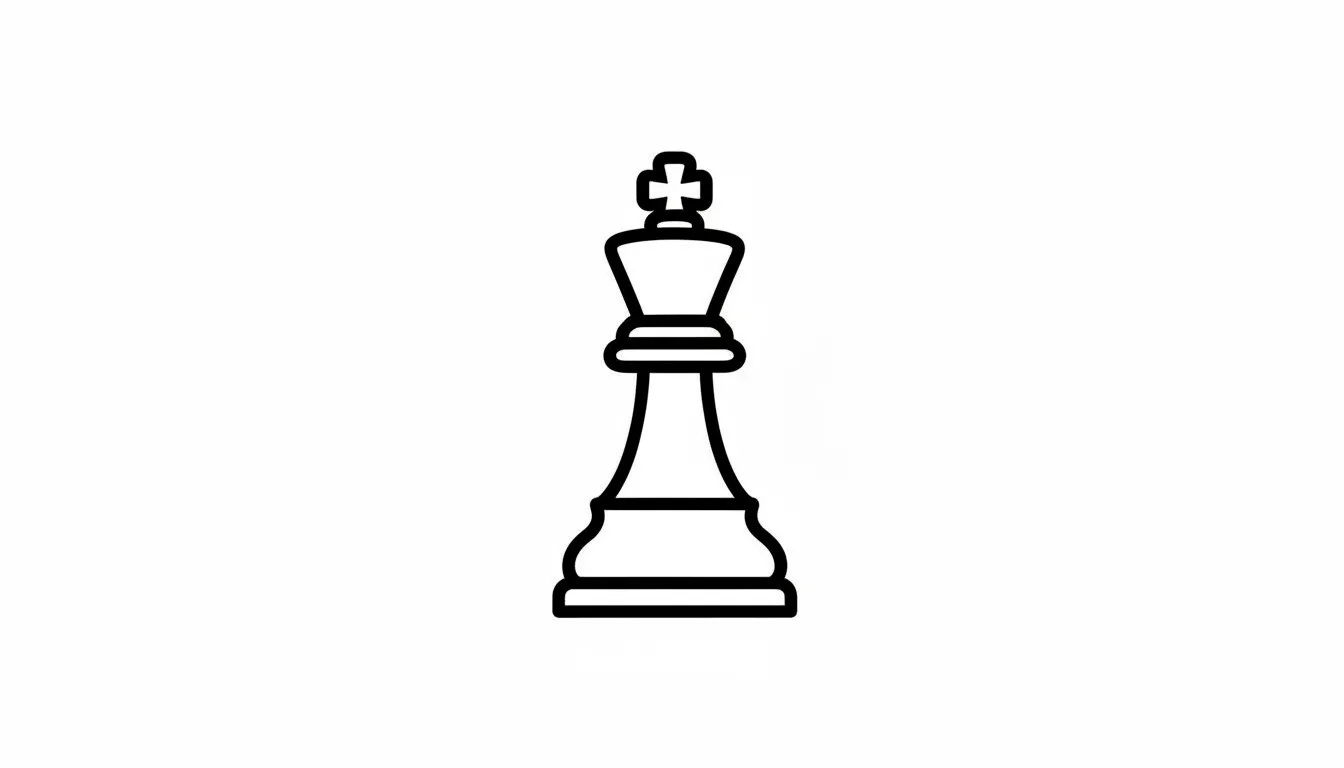
Let’s start with the basics: the chess pieces. Each one has its specific name in English, and it’s crucial to familiarise yourself with them if you want to follow any game or lesson in this language. Below, I’ve put together a comprehensive table with the names of the pieces in English and Spanish, along with their approximate pronunciation and an example of use. Don’t worry, even if you can’t pronounce «Knight» without a struggle at first, practice makes perfect!
| Spanish | English | Approximate pronunciation | Example of use |
|---|---|---|---|
| Rey | King | /kɪŋ/ | The king is in check. |
| Reina / Dama | Queen | /kwiːn/ | She moved her queen to the centre. |
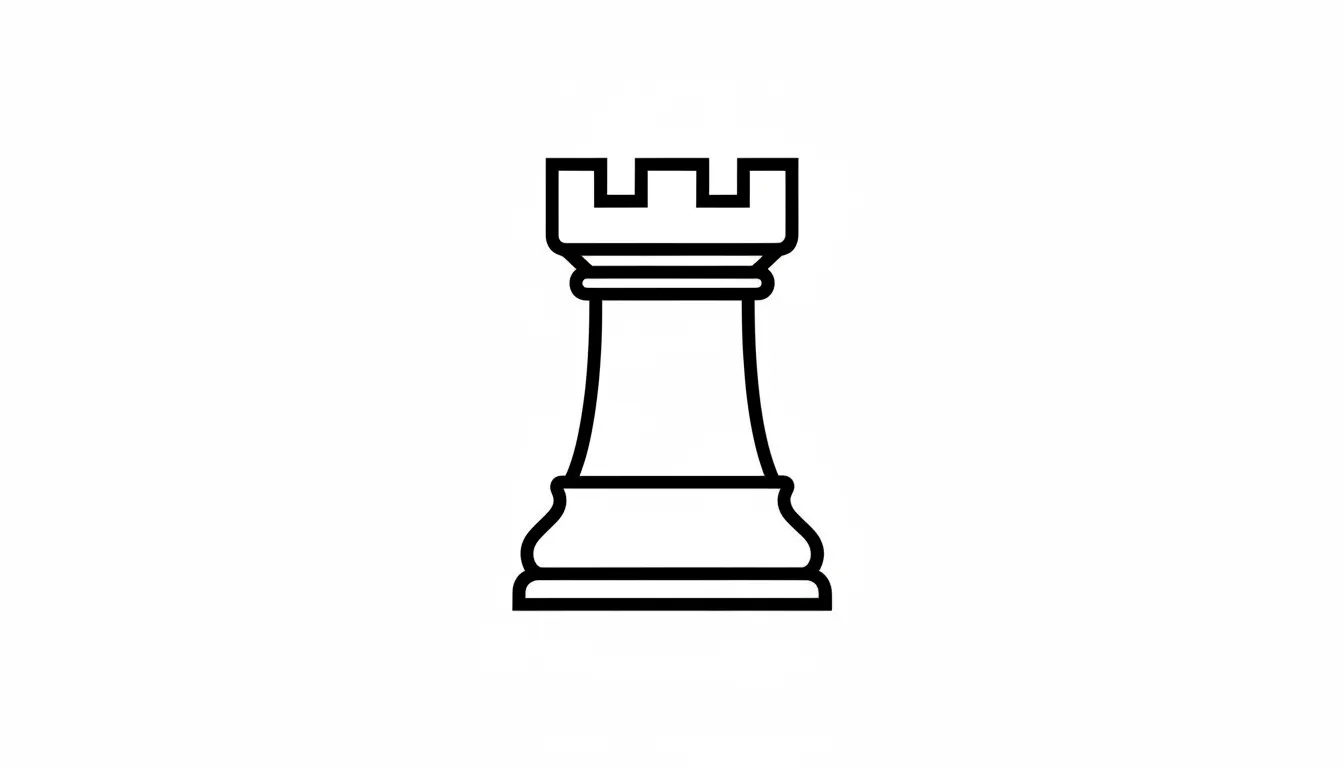
| Torre | Rook | /rʊk/ | The rook controls the open file. |
| Alfil | Bishop | /ˈbɪʃəp/ | He developed his bishop early. |
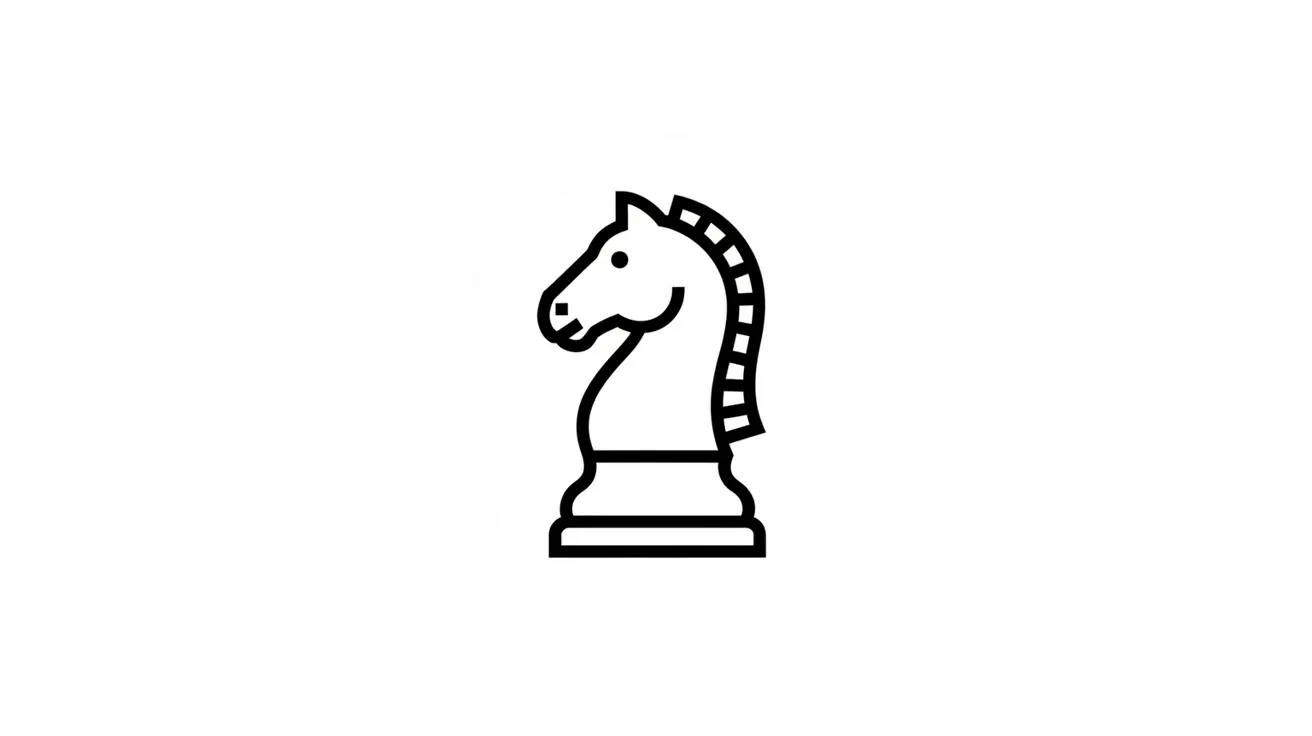
| Caballo | Knight | /naɪt/ | The knight jumped to f3. |
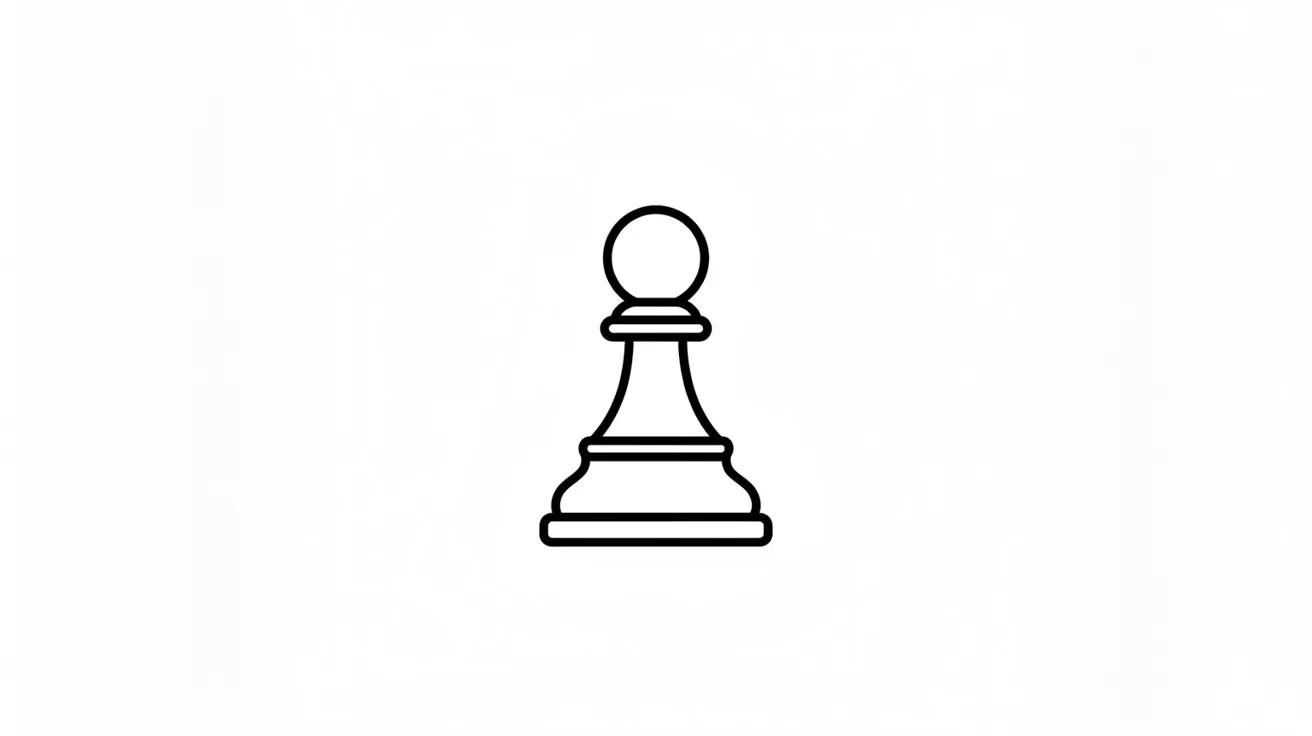
| Peón | Pawn | /pɔːn/ | I pushed the pawn forward. |
Simple phrases using each piece
Now that you know the names of the pieces, let’s look at some practical examples of how to use them in everyday phrases during a game or when commenting on moves:
- King: «Your king is vulnerable on the kingside.»
- Queen: «I’m going to sacrifice my queen for a checkmate.»
- Rook: «Double rooks on the d-file are very powerful.»
- Bishop: «The bishop pair gives me a long-term advantage.»
- Knight: «That knight fork won me the game.»
- Pawn: «Never underestimate a passed pawn.»
Basic moves and actions in chess
Once you’ve mastered the pieces, the next step is to learn the vocabulary related to the moves and actions that occur during a game. These words are essential for following any analysis or describing your own plays. Think of them as the verbs of the chess world!
Common moves and actions vocabulary
Here’s a list of the most common terms used to describe moves in chess:
- Move
- Capture / Take
- Check
- Checkmate
- Stalemate
- Castling (Kingside castling: short castling; Queenside castling: long castling)
- En passant (the French expression is retained in English too)
- Promotion (when a pawn reaches the eighth rank)
- Sacrifice
- Exchange (of pieces)
- Fork (a double attack, usually by a knight)
- Pin
- Skewer
- Discovered attack
- Double attack
- Double check
Useful phrases to describe moves (with examples)
It’s one thing to know the words and quite another to use them in context. Here are practical examples of phrases you’ll constantly hear in videos, books, and tournaments. You’ll be narrating your own games like a pro in no time!
- «White castles kingside to secure the king.»
- «Black captures the pawn with check.»
- «This is a brilliant sacrifice!»
- «The knight forks the king and queen.»
- «The bishop pins the knight to the king.»
- «After the exchange, White has a slight advantage.»
- «I promote my pawn to a queen.»
- «It’s checkmate in three moves.»
I recommend watching videos like the one below to familiarise yourself with all this vocabulary. Seeing it in action makes it much easier to grasp!
Essential vocabulary for chess games and commentary
As you progress in chess, you’ll encounter more advanced terms that describe strategic and tactical concepts. These are crucial if you want to follow professional games or read theoretical chess books. Think of it as moving from basic grammar to advanced literature!
- Opening
- Middlegame
- Endgame
- Gambit (a sacrifice of material in the opening to gain a positional advantage)
- Variation
- Main line
- Blunder (a serious mistake)
- Mistake
- Inaccuracy
- Brilliant move
- Threat
- Passed pawn
- Isolated pawn
- Doubled pawns
- Backward pawn
- Pawn structure
- Open file
- Half-open file
- Diagonal
- Centre
- Flank
- Kingside
- Queenside
- Initiative
- Tempo (a unit of time or a move in development)
- Compensation
- Material advantage
- Positional advantage
- Outpost (a well-placed piece, usually a knight, deep in enemy territory)
- Weakness
- Development
- King safety
- Space
- Draw
- Perpetual check
- Resign
Example of a conversational or commented game in English
There’s nothing better than seeing all this vocabulary in action. Imagine you’re following a commentary of a game between two players. Here’s a short example of what it might sound like:
Commentator: «White starts with 1.e4, controlling the centre immediately. Black responds with the Sicilian Defence, 1…c5. This is going to be a tactical battle!»
Commentator: «After a few moves, White castles kingside while Black hasn’t developed his kingside pieces yet. This could be a problem for Black’s king safety.»
Commentator: «Oh! White just played a brilliant sacrifice on f7! The knight forks the king and the rook. Black is in serious trouble now.»
Commentator: «Black blundered with that last move. White can now deliver checkmate in two moves. There’s no escape. And Black resigns. What a fantastic game!»
As you can see, with the right vocabulary, you can perfectly follow the development of a game, understand players’ strategic decisions, and enjoy professional analyses without missing a single detail. It truly enhances your appreciation for the game!
Chess idioms in English
Chess hasn’t just influenced the world of games; it’s also left its mark on everyday English. There are several idioms that come directly from chess and are used in daily conversations, especially in business, politics, or strategic contexts. Here are some of the most popular:
- «To be a pawn in someone’s game» – This means to be used or manipulated by someone else for their own purposes, much like a pawn is often sacrificed in chess.
Example: «I felt like a pawn in their game during the negotiations.» - «Checkmate» – Outside of chess, this term is used to describe a situation where someone has been completely defeated or has no more options. It’s the ultimate victory!
Example: «With that evidence, it’s checkmate for the defence.» - «A chess game» – This refers to a complex situation that requires strategic planning and careful thinking, much like a real game of chess.
Example: «International politics is like a chess game.» - «To make the first move» – This means to take the initiative in a situation, to be the one who starts something.
Example: «If you want to ask her out, you need to make the first move.» - «Back to square one» – This means to return to the beginning or to start over, usually because a plan or effort has failed.
Example: «The project failed, so we’re back to square one.» - «It’s your move» – Used to indicate that it’s someone’s turn to make a decision or take action. The ball’s in their court, so to speak!
Example: «I’ve made my offer. Now it’s your move.» - «A strategic move» – Describes a carefully planned action to achieve a long-term goal. All about foresight!
Example: «Hiring that manager was a strategic move for the company.»
These idioms are perfect for sounding more natural in English and demonstrating a more advanced level of the language. Plus, many native speakers use them without even thinking about their chess origins, so mastering them will make you sound much more fluent. How’s that for a clever move?
Glossary of chess vocabulary in English
To ensure you have all the vocabulary well-organised and ready for when you need it, here’s a complete table with all the terms we’ve covered throughout the article, their Spanish translation, and an example of use in context. Keep it handy, it’ll be incredibly useful!
| English | Español | Example |
|---|---|---|
| Chess | Ajedrez | I love playing chess online. |
| Board / Chessboard | Tablero / Tablero de ajedrez | Set up the chessboard, please. |
| Square | Casilla | The knight moved to the e4 square. |
| Light square | Casilla clara | The light-squared bishop is very active. |
| Dark square | Casilla oscura | Control the dark squares on the kingside. |
| Pieces | Piezas | Develop your pieces quickly. |
| King | Rey | The king is in check. |
| Queen | Reina / Dama | She moved her queen to the centre. |
| Rook | Torre | The rook controls the open file. |
| Bishop | Alfil | He developed his bishop early. |
| Knight | Caballo | The knight jumped to f3. |
| Pawn | Peón | I pushed the pawn forward. |
| White | Blancas (bando) | White has the first move. |
| Black | Negras (bando) | Black is defending well. |
| Move | Jugada / Movimiento | That was a brilliant move! |
| Capture / Take | Captura / Capturar | The bishop captures the knight. |
| Check | Jaque | Check! Your king is under attack. |
| Checkmate | Jaque mate | Checkmate in three moves! |
| Stalemate | Ahogado / Tablas por ahogado | The game ended in a stalemate. |
| Castling | Enroque | White castled kingside for safety. |
| Kingside castling | Enroque corto | Kingside castling is safer here. |
| Queenside castling | Enroque largo | He chose queenside castling. |
| En passant | Al paso | I captured the pawn en passant. |
| Promotion | Promoción / Coronación | I promote my pawn to a queen. |
| Sacrifice | Sacrificio | A brilliant sacrifice for the attack! |
| Exchange | Cambio (de piezas) / Intercambio | After the exchange, I had an advantage. |
| Fork | Horquilla / Tenedor | The knight forks the king and queen. |
| Pin / Pinned piece | Clavada / Pieza clavada | The knight is pinned to the king. |
| Skewer | Enfilada | The rook skewers the queen and king. |
| Discovered attack | Ataque descubierto / Descubierta | A discovered attack wins material. |
| Double attack | Doble ataque | The queen delivers a double attack. |
| Double check | Jaque doble | Double check forces the king to move. |
| Opening | Apertura | I study chess openings every day. |
| Middlegame | Medio juego | The middlegame is very complex. |
| Endgame / Final | Final | Endgame technique is crucial. |
| Gambit | Gambito | He played the King’s Gambit. |
| Variation | Variante | This variation is very popular. |
| Main line | Línea principal | He followed the main line of theory. |
| Blunder | Error grave / Pifia / Plancha | That blunder cost me the game. |
| Mistake | Error | A small mistake in the opening. |
| Inaccuracy | Imprecisión | An inaccuracy but not critical. |
| Brilliant move | Jugada brillante | What a brilliant move by Carlsen! |
| Threat | Amenaza | There’s a serious threat on f7. |
| Passed pawn | Peón pasado | The passed pawn is very dangerous. |
| Isolated pawn | Peón aislado | The isolated pawn is a weakness. |
| Doubled pawns | Peones doblados | Doubled pawns can be weak. |
| Backward pawn | Peón retrasado | Protect your backward pawn. |
| Pawn structure | Estructura de peones | White has a better pawn structure. |
| Open file | Columna abierta | Control the open file with your rook. |
| Half-open file | Columna semiabierta | The half-open file gives pressure. |
| Diagonal | Diagonal | The bishop controls the long diagonal. |
| Centre | Centro | Always control the centre. |
| Flank | Flanco | Attack on the flank is risky. |
| Kingside | Flanco de rey | Black is attacking on the kingside. |
| Queenside | Flanco de dama | White has more space on the queenside. |
| Initiative | Iniciativa | White seized the initiative. |
| Tempo | Tiempo (en el desarrollo) | I gained a crucial tempo. |
| Compensation | Compensación | Black has compensation for the pawn. |
| Material advantage | Ventaja material | White has a material advantage. |
| Positional advantage | Ventaja posicional | Black has a positional advantage. |
| Outpost | Puesto avanzado | The knight has a strong outpost on d5. |
| Weakness | Debilidad | The f7 square is a weakness. |
| Development | Desarrollo | Quick development is essential. |
| King safety | Seguridad del rey | King safety is paramount. |
| Space | Espacio | White has more space. |
| Draw | Tablas / Empate | The game ended in a draw. |
| Perpetual check | Jaque continuo | He saved the game with perpetual check. |
| Resign | Abandonar / Rendirse | Black resigned after 25 moves. |
| Attack | Ataque / Atacar | White is attacking the kingside. |
| Defend | Defender | Defend the weak pawn carefully. |
| Maneuver / Manoeuvre | Maniobra | A clever manoeuvre by Black. |
| Advantage | Ventaja | White has a clear advantage. |
| Disadvantage | Desventaja | Black is at a disadvantage. |
| Win | Ganar / Victoria | White won the game brilliantly. |
| Lose | Perder / Derrota | I lost due to a blunder. |
| Tactic | Táctica | That was a beautiful tactic! |
| Strategy | Estrategia | His strategy was very effective. |
| Positional play | Juego posicional | Positional play requires patience. |
| Tactical play | Juego táctico | Tactical play led to a quick win. |
| Tournament | Torneo | I’m playing in a tournament this weekend. |
| Round | Ronda | This is the third round of the tournament. |
| Opponent | Rival / Oponente | My opponent played very well. |
| Rating (Elo rating) | Rating (Elo) | My rating increased to 1800. |
| Arbiter | Árbitro | The arbiter made the final decision. |
| Chess clock | Reloj de ajedrez | Don’t forget to press the chess clock! |
| Flag | Caída de bandera | I won on time when his flag fell. |
| Touch move | Pieza tocada, pieza jugada | Touch move rule applies in tournaments. |
| Zwischenzug | Jugada intermedia | A zwischenzug changed everything! |
And that wraps up our journey through the fascinating world of chess vocabulary in English. You now have all the tools you need to follow games by grandmasters, read specialised books, enjoy content on platforms like Chess.com or Lichess, and participate in conversations with players from all over the globe. Remember that, just like in chess, mastering English requires constant practice and patience. So, get to work, practise these terms and, above all, don’t forget to keep smiling!