
How to memorise the alphabet in English easily
Still struggling with the English alphabet? 🧠 Memorise the letters of the English alphabet with these 5 tricks. 😏

Table of contents
One of the essential aspects of literacy in English is knowing the alphabet. If you think about it, in Castilian Spanish, knowing how to spell the words we write is not usually too important, beyond knowing when to use H, B/V, G/J, C/Z, and some other specific cases. However, in English, it is fundamental to know the alphabet perfectly and to be able to spell without difficulty. Imagine I tell you my second surname is /wodli/ (that’s how it’s pronounced). Even if you are a native English speaker, you won’t be certain how to write it, so you’ll have to ask How do you spell that?, and I’ll have to spell it: W – A – D – L – E – Y. Furthermore, in the B1 Preliminary of Cambridge, you will have to spell your surname in the first part of the Speaking, and in the Listening, they will probably spell out a name, a surname, a website, etc. Therefore, in today’s post, I bring you 5 tricks to easily memorise the English alphabet.
How to memorise the English alphabet
1. Learn the pronunciation of all the letters
Obviously, each letter is pronounced differently, and these, although sometimes similar to the Spanish alphabet, can be quite different and sometimes confuse us. To learn how each letter of the English alphabet is pronounced, it is always useful to visit a website where all the letters of the English alphabet are pronounced one by one and clearly.
2. Associate sounds with words and images
One of the most effective techniques I use with my students is to associate the most problematic letters with certain words that contain the sound. That is, if we have the letter “c”, it is useful to associate it with a word that is pronounced the same or that contains that sound, for example “sea”, even if it doesn’t contain the letter. For this, I have created the following images as an example that you can use for studying. Obviously, the best thing is to focus on those that are most difficult for us to remember.
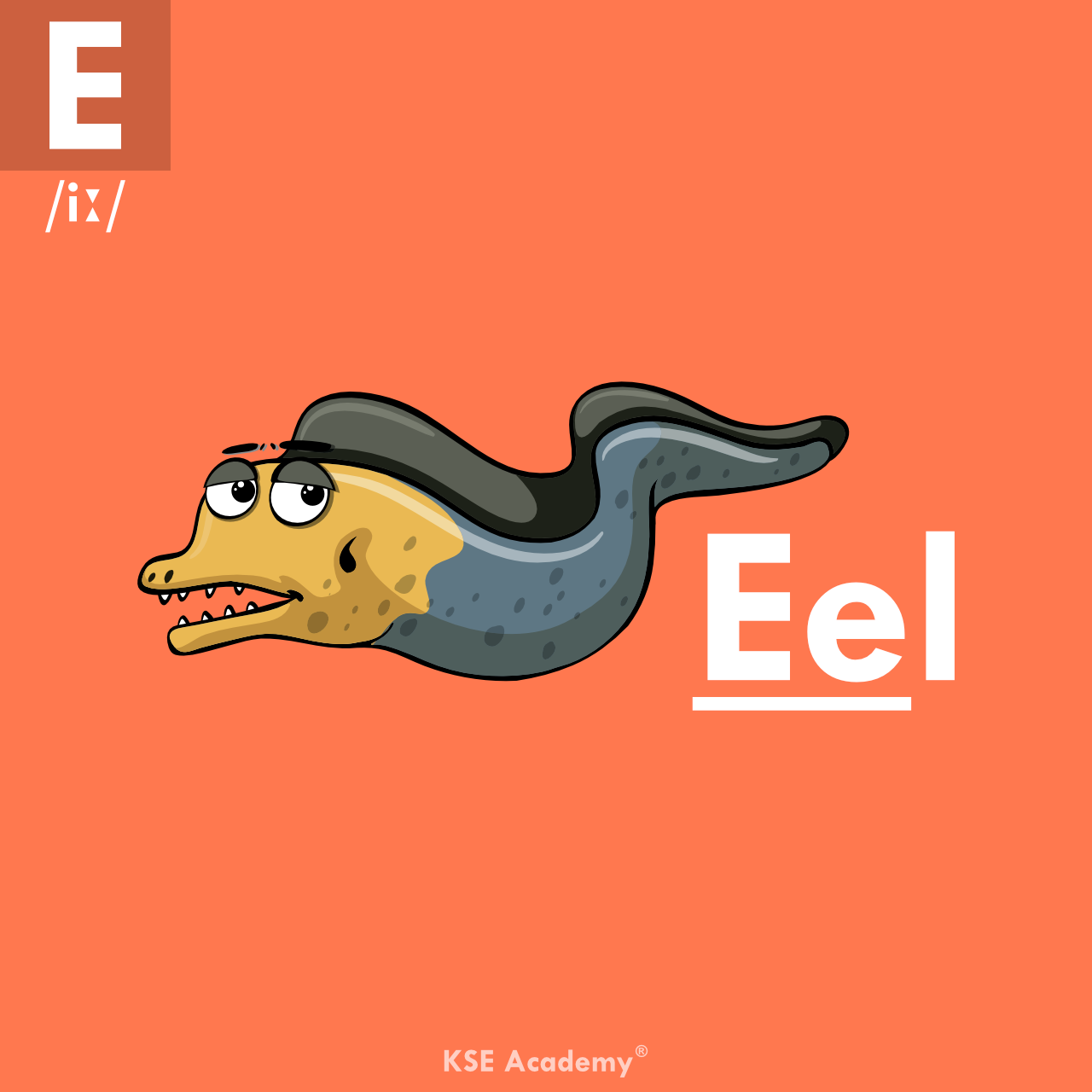
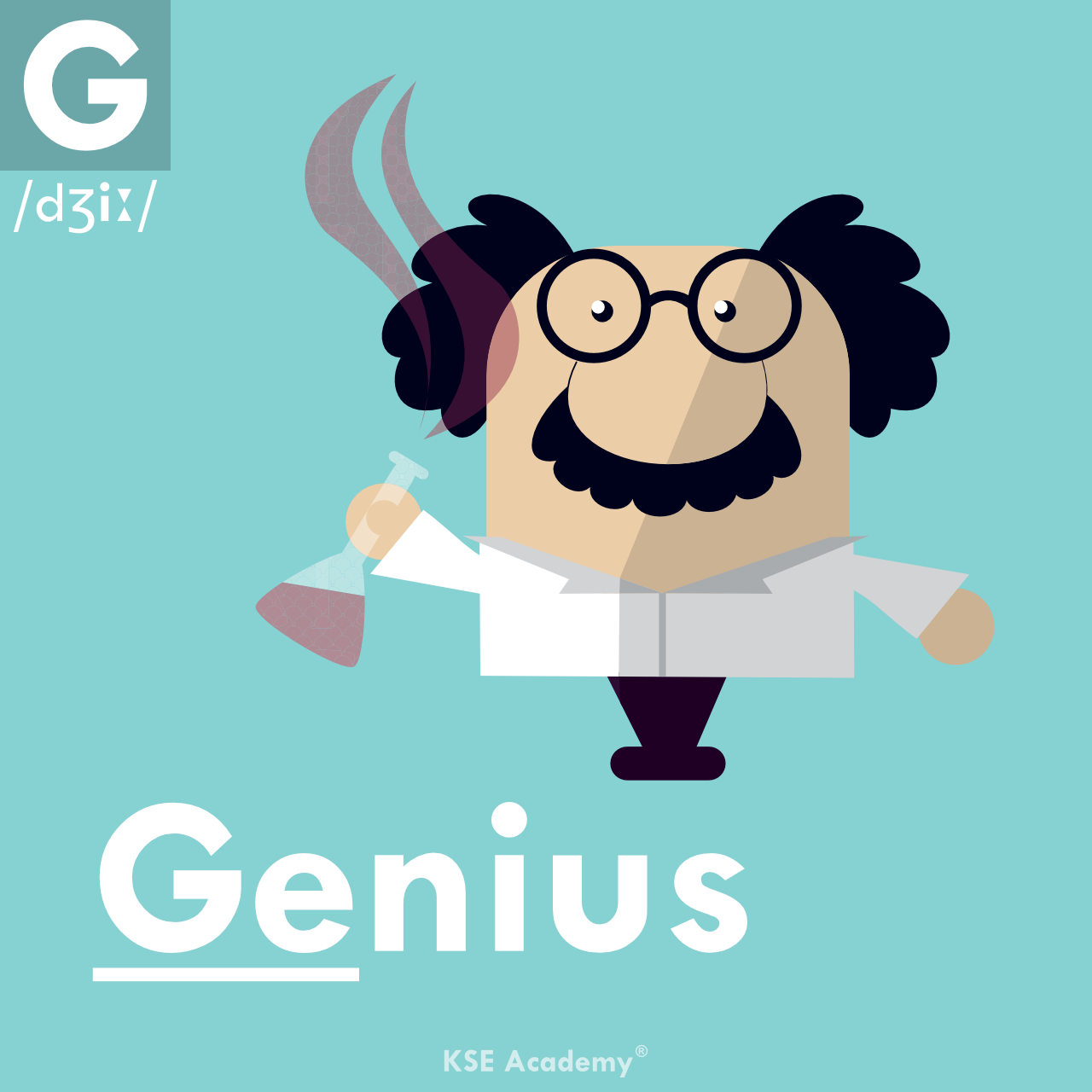


3. Focus extensively on problematic letters
Generally, most students don’t have problems with 60% of the English alphabet. And the remaining 40% of the letters tend to coincide in almost all cases. That is, almost all English learners agree that certain letters are quite difficult to remember. It is most common for the letters that cause the most problems to memorise to be the following: B/V, G/J, K, Q, R, U, W, X, Y, Z. Therefore, I recommend that you practise these words in a special way, as they are the ones that cause the most problems.
4. Repeat and practise non-stop
Like many things in life, the English alphabet is only memorised by practising and repeating a lot. Therefore, I recommend that you don’t wait for divine inspiration to memorise it. Get started from the beginning, because the sooner you do it, the sooner you can focus on other more idiomatic and fun aspects of English. To practise, I recommend activities such as the following:
- Look at the objects around you and say only the first letter of the word in English.
- The same as before, but spelling out the complete words.
- Pick up an English dictionary, open it to any page, and spell the first word your eyes land on.
- Look for pages that do spelling bees online. A spelling bee is basically a spelling competition. There are many interactive online pages where you can practise and learn to spell in English.
5. Group the letters of a word into pairs or groups
Once you are completely familiar with the pronunciation of each letter, I recommend that you start spelling things by grouping the letters in pairs or trios. For example, if you are going to spell the word “paper”, you would say something like:
P – A (pause) P – E – R
Native speakers do this instinctively, so little by little you will sound more and more natural when spelling.
And you, do you already know the English alphabet? Which letters do you find most difficult? Tell me in the comments!