
Phrasal verbs with COME
Discover the 20 most important phrasal verbs with COME. A complete guide with examples, summary table, and tips for memorising them. Improve your English!

Table of contents
Phrasal verbs with come are some of the most commonly used in everyday English. The verb come on its own means «to move or travel towards the speaker or another specified place», but when we combine it with different prepositions and adverbs, its meaning can change completely. From expressions we use to talk about ideas that occur to us (come up with) to those that describe how we encounter someone by chance (come across), these phrasal verbs are essential for communicating fluently in English. In this article, I’ll introduce you to 20 phrasal verbs with come that you should know, complete with practical examples and notes on their usage. Let’s get started!
1. Come about
- Definition: to happen, especially in a way that is not planned
- Register: neutral
- Type: intransitive
- Examples:
How did this situation come about? I thought everything was fine yesterday.
The accident came about because the driver wasn’t paying attention.
Can you explain how the misunderstanding came about?
2. Come across (something/someone)
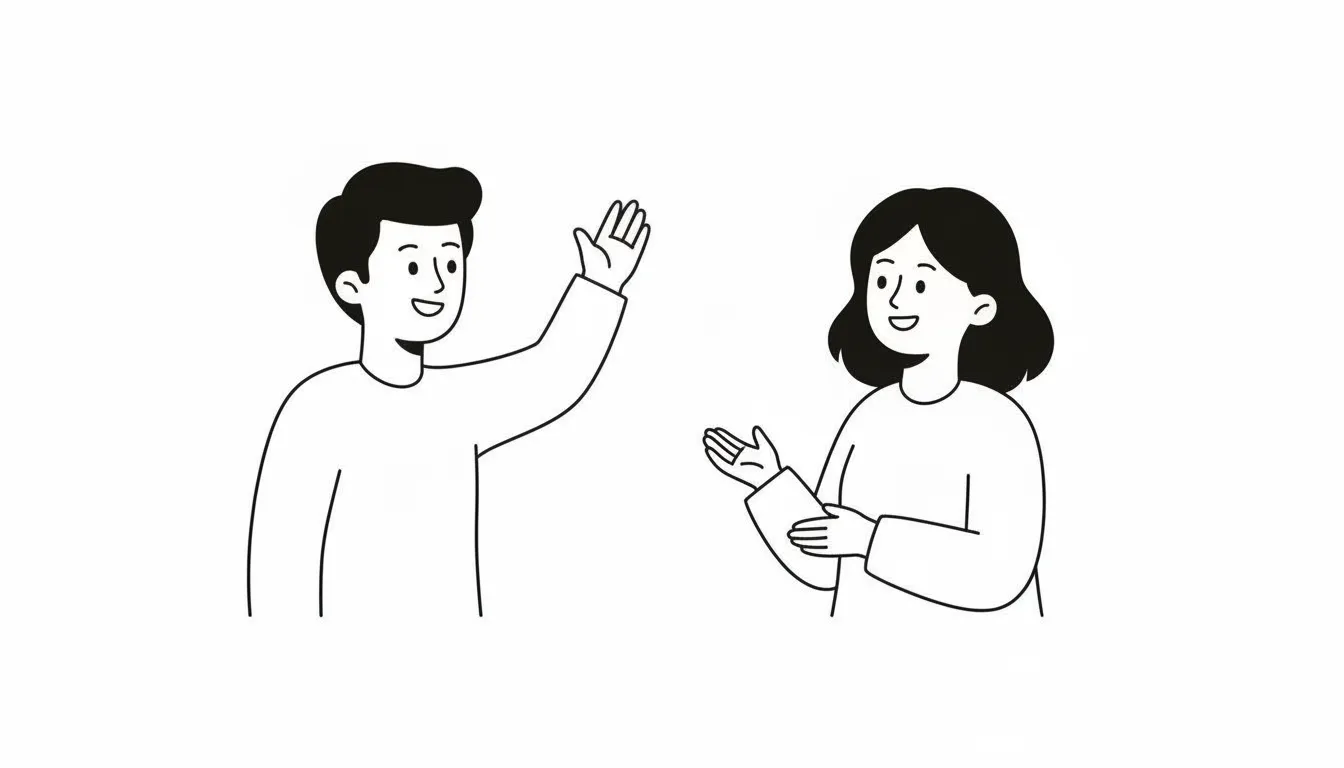
- Definition: to find something or meet someone by chance
- Register: neutral
- Type: transitive, inseparable
- Examples:
I came across an old friend at the supermarket yesterday.
While cleaning the attic, she came across some letters from her grandmother.
Have you ever come across this problem before?
3. Come along
- Definition: (1) to accompany someone; (2) to make progress or improve
- Register: informal
- Type: intransitive
- Examples:
Do you want to come along to the cinema with us tonight?
How is your English coming along? Are you finding it easier now?
The project is coming along nicely; we should finish on time.
4. Come around / come round
- Definition: (1) to visit someone’s house; (2) to change your opinion; (3) to regain consciousness
- Register: informal
- Type: intransitive
- Note: come round is more common in British English, while come around is used more in American English
- Examples:
Why don’t you come round for dinner on Saturday?
He was against the idea at first, but he eventually came around to our way of thinking.
After fainting, it took her a few minutes to come round.
5. Come back
- Definition: (1) to return; (2) to become popular again; (3) to return to one’s memory
- Register: neutral
- Type: intransitive
- Examples:
What time are you coming back from work today?
Bell-bottom jeans are coming back into fashion.
I can’t remember her name right now, but I’m sure it’ll come back to me later.
6. Come by (something)
- Definition: to get or obtain something, especially something desirable or difficult to find
- Register: neutral
- Type: transitive, inseparable
- Examples:
Good jobs are hard to come by these days.
How did you come by that beautiful antique table?
Fresh vegetables are difficult to come by in winter in this area.
7. Come down
- Definition: (1) to move from a higher to a lower position; (2) to decrease (prices, levels, etc.); (3) to be dismantled or demolished
- Register: neutral
- Type: intransitive
- Examples:
Could you come down here for a minute? I need your help.
House prices have come down significantly in the last year.
That old building is coming down next month to make way for a new shopping centre.
8. Come down to (something)
- Definition: to be the most important or essential factor; to depend fundamentally on something
- Register: neutral
- Type: transitive, inseparable
- Examples:
It all comes down to whether you’re willing to work hard or not.
The decision comes down to money, as usual.
In the end, success comes down to preparation and dedication.
9. Come down with (something)
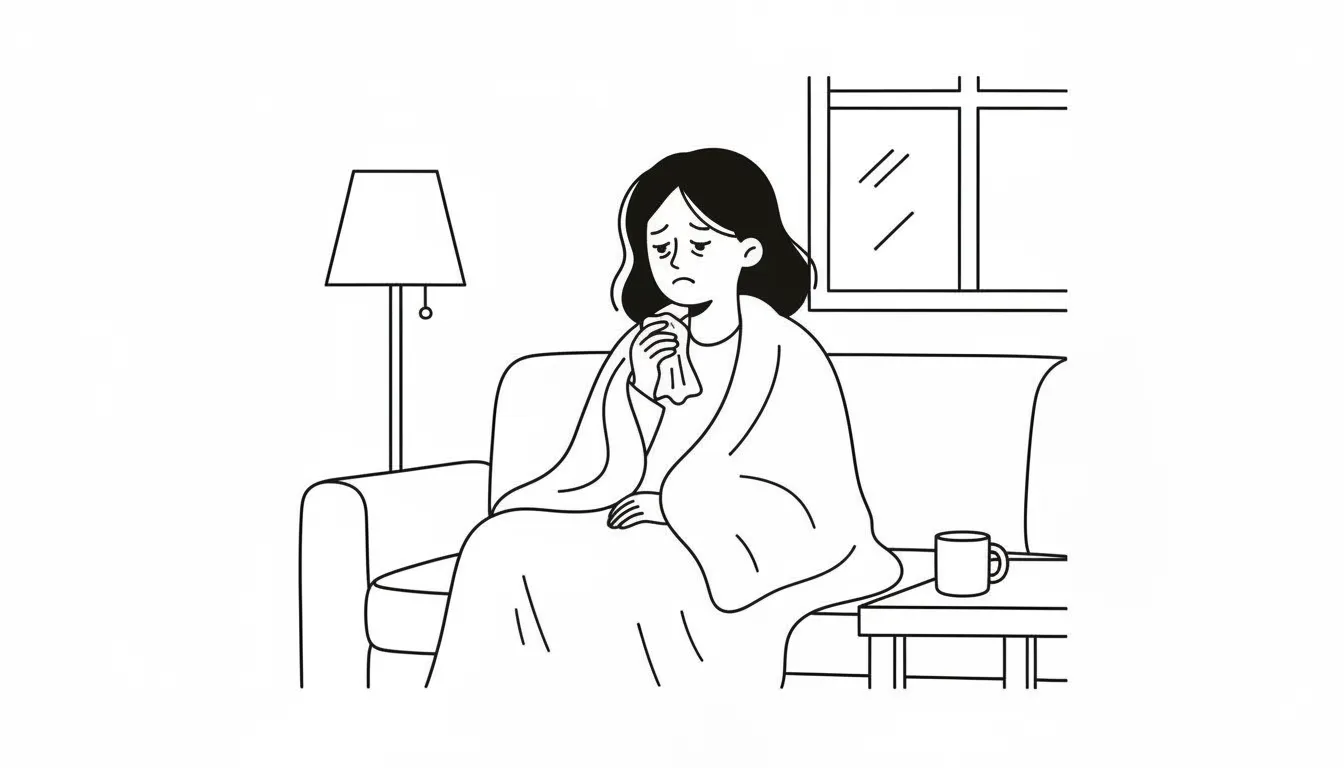
- Definition: to start to suffer from an illness
- Register: informal
- Type: transitive, inseparable
- Examples:
I think I’m coming down with a cold. I’ve been sneezing all morning.
Half the office has come down with the flu this week.
She came down with food poisoning after eating at that restaurant.
10. Come forward (with something)
- Definition: to offer help or information
- Register: formal
- Type: intransitive or transitive inseparable with «with»
- Examples:
The police are asking witnesses to come forward with any information.
Several people came forward to help organise the charity event.
Nobody came forward to claim responsibility for the mistake.
11. Come in (handy)
- Definition: (1) to enter a place; (2) to arrive (trains, planes, etc.); (3) to become fashionable; (4) to prove useful
- Register: neutral
- Type: intransitive
- Examples:
Come in and make yourself at home!
What time does your flight come in?
My knowledge of Spanish really came in handy when we visited Madrid.
12. Come off
- Definition: (1) to become detached or separated; (2) to succeed; (3) to stop taking medication
- Register: informal
- Type: intransitive
- Examples:
One of the buttons has come off my shirt.
The deal didn’t come off in the end; they couldn’t agree on the price.
He’s trying to come off antidepressants gradually.
13. Come on
- Definition: (1) used to encourage or hurry someone; (2) to begin to operate (lights, heating, etc.); (3) to make progress
- Register: informal
- Type: intransitive
- Examples:
Come on! We’re going to be late if you don’t hurry up!
The heating comes on automatically at 6 a.m.
How’s your thesis coming on? Nearly finished?
14. Come out
- Definition: (1) to appear from inside a place; (2) to be published or released; (3) to reveal one’s homosexuality; (4) to disappear (stains)
- Register: neutral
- Type: intransitive
- Examples:
The sun came out after the rain stopped.
When does the new James Bond film come out?
This stain won’t come out no matter how much I wash it.
15. Come over
- Definition: (1) to visit someone’s house; (2) to feel something suddenly
- Register: informal
- Type: intransitive
- Examples:
Would you like to come over for coffee this afternoon?
A feeling of sadness came over me when I heard the news.
I don’t know what came over me; I shouldn’t have said that.
16. Come through
- Definition: (1) to survive a difficult situation; (2) to succeed in doing something or providing something; (3) to arrive (information, results)
- Register: neutral
- Type: intransitive
- Examples:
She’s very ill, but the doctors think she’ll come through.
He promised to help us, and he really came through when we needed him.
Your exam results should come through next week.
17. Come up
- Definition: (1) to arise or appear (a topic, problem); (2) to approach someone; (3) to rise (the sun, moon)
- Register: neutral
- Type: intransitive
- Examples:
Something’s come up at work, so I can’t make it to dinner tonight.
A stranger came up to me and asked for directions.
We watched the sun come up over the mountains.
18. Come up against (something)
- Definition: to be faced with or opposed by (a problem, difficulty, opposition, etc.)
- Register: neutral
- Type: intransitive or transitive inseparable
- Examples:
We’ve come up against a serious problem with the project.
Small businesses often come up against financial difficulties in their first year.
If you come up against any obstacles, just let me know.
19. Come up to (something)
- Definition: to reach an expected standard or meet expectations
- Register: neutral
- Type: transitive, inseparable
- Examples:
The hotel didn’t come up to our expectations; it was quite disappointing.
His work doesn’t come up to the required standard.
The film came up to all my expectations; it was brilliant!
20. Come up with (something)

- Definition: to think of an idea, plan, or solution
- Register: neutral
- Type: transitive, inseparable
- Note: this is an extremely common phrasal verb
- Examples:
We need to come up with a solution to this problem quickly.
She always comes up with brilliant ideas for our marketing campaigns.
Can anyone come up with a better suggestion?
Summary table of phrasal verbs with come
So that you can quickly refer to all these phrasal verbs, here’s a summary table with their main meaning:
| Phrasal Verb | Main meaning | Brief example |
|---|---|---|
| Come about | To happen | How did this come about? |
| Come across | To find/meet by chance | I came across an old friend. |
| Come along | To accompany / to progress | Do you want to come along? |
| Come around/round | To visit / to change opinion | Come round for dinner. |
| Come back | To return | When are you coming back? |
| Come by | To obtain, acquire | Good jobs are hard to come by. |
| Come down | To descend / to decrease | Prices have come down. |
| Come down to | To be essential, depend on | It comes down to money. |
| Come down with | To become ill with | I’m coming down with a cold. |
| Come forward | To offer help/information | Witnesses should come forward. |
| Come in | To enter / to arrive | Come in and sit down. |
| Come off | To detach / to succeed | The button came off. |
| Come on | Hurry up! / to start working | Come on, hurry up! |
| Come out | To appear / to be published | The sun came out. |
| Come over | To visit / to feel suddenly | Come over for coffee. |
| Come through | To survive / to succeed | She’ll come through. |
| Come up | To arise / to approach | Something’s come up. |
| Come up against | To be faced with (a problem) | We came up against problems. |
| Come up to | To meet (expectations) | It didn’t come up to expectations. |
| Come up with | To think of (an idea) | Come up with a solution. |
Practice exercises with phrasal verbs with come
Download this post as a PDF
If you’ve enjoyed this post and would like to study it offline or show it to your students, if you’re a teacher, simply click on the DOWNLOAD AS PDF button at the beginning of the article, subscribe to the KSE Academy newsletter, and enjoy a clean PDF version of these 20 phrasal verbs with come.
Tips for memorising phrasal verbs with come
Learning 20 phrasal verbs at once can seem overwhelming, but here are some tips to help you memorise them:
- Group them by meaning: Some phrasal verbs with come relate to movement (come in, come back, come down), others to appearance (come out, come up), and others to ideas or solutions (come up with).
- Create your own examples: Don’t just memorise the examples in this article. Think of situations in your own life where you could use each phrasal verb.
- Use them in context: Try to use at least one or two of these phrasal verbs every day in real conversations or in your English diary.
- Pay attention when you hear them: Now that you know these phrasal verbs, you’ll start to notice them in films, TV series, podcasts, and conversations. This will reinforce your learning naturally.
- Don’t try to learn them all at once: Start with 3-4 phrasal verbs that you find most useful and gradually add more.
Phrasal verbs with come are fundamental for achieving an advanced level of English. Although they may seem complicated at first, with practice and constant exposure to the language, you’ll soon be using them naturally and without conscious thought.
I hope this guide has been useful to you. If so, don’t forget to share it with your friends and family who are also learning English. 🙂
And until the next article, don’t forget to keep smiling!